Best plants for greenhouse gardening
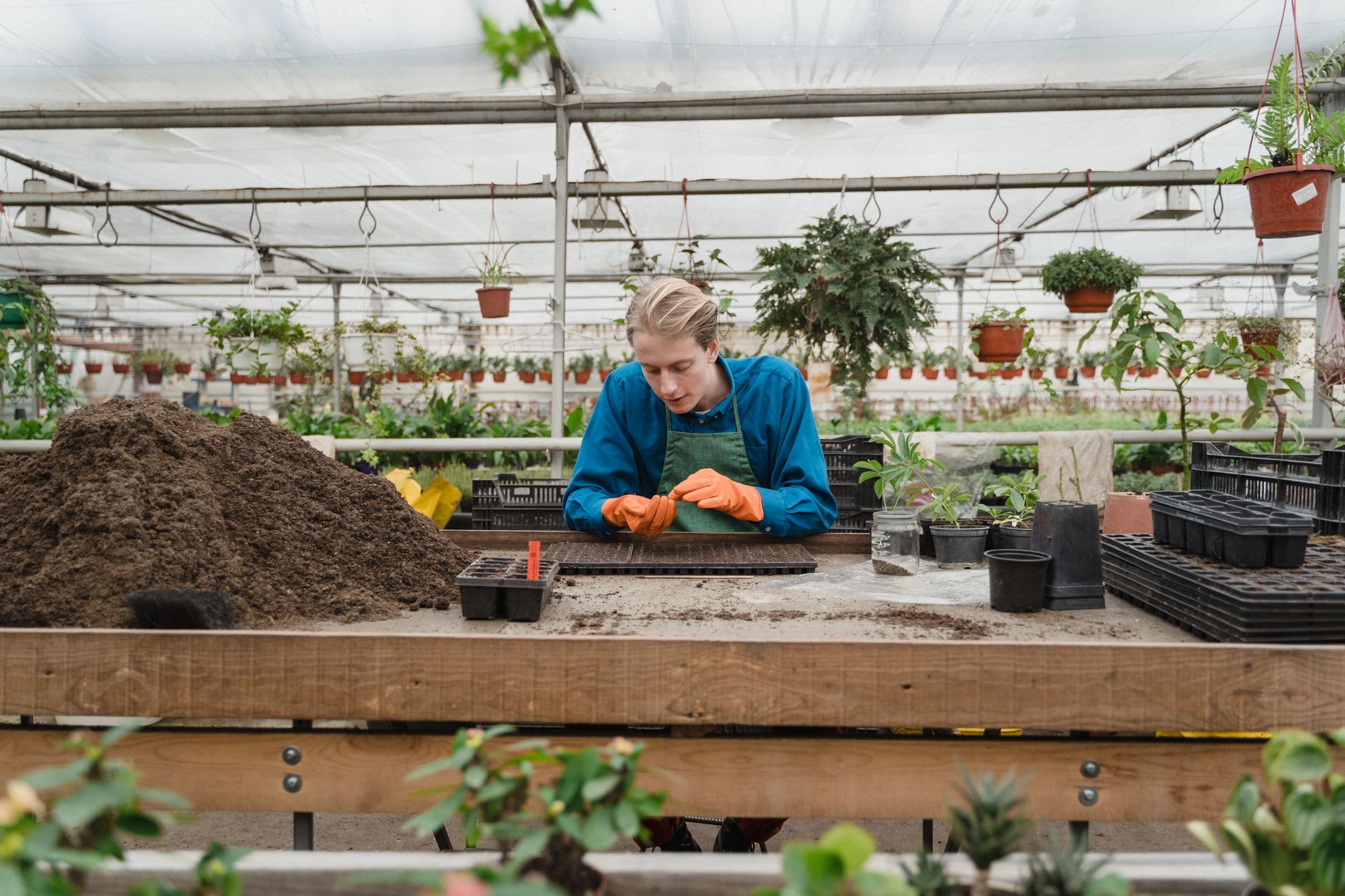
Discover the best plants for greenhouse gardening in 2026, with varieties, planting dates, and yields for zones 3-9. Practical advice from a seasoned grower.
If you’re setting up a greenhouse or looking to maximize its potential, the best plants are those that give you the most value for your space and effort. In my experience, that means tomatoes, cucumbers, peppers, leafy greens, and herbs. These crops thrive under cover, produce consistently, and are forgiving enough for beginners. Below, I’ll break down the top choices, with specific varieties, planting dates, and realistic expectations, so you can plan your greenhouse with confidence.
Why These Plants Work Best
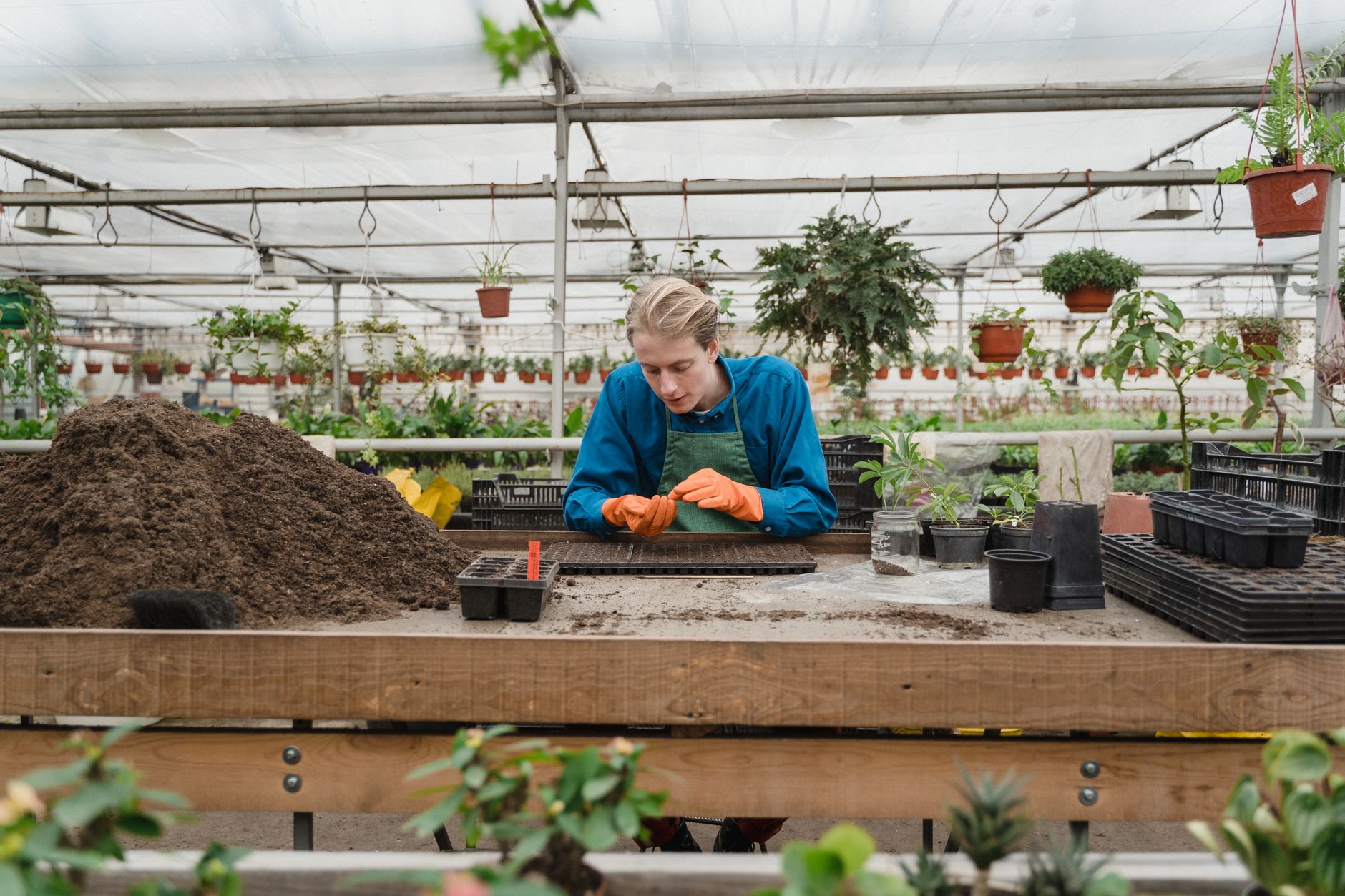
Greenhouses offer controlled temperature, humidity, and protection from pests and weather. This suits crops that are heat-loving or sensitive to cold, and those that benefit from an extended season. Tomatoes, cucumbers, and peppers are classic greenhouse crops because they need warmth and consistent moisture. Leafy greens and herbs grow quickly, allowing multi
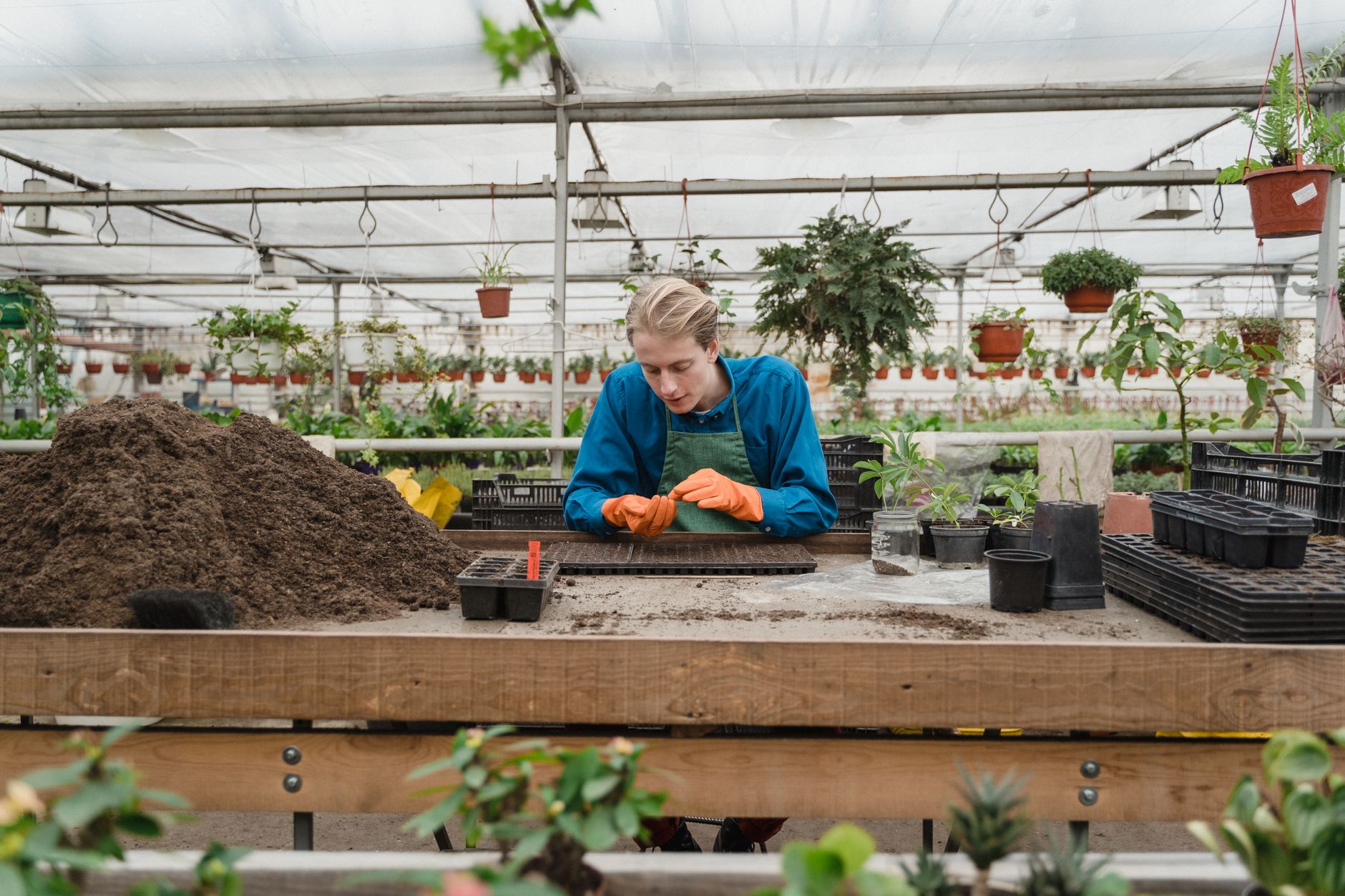 ple harvests in a year. They also tolerate the lower light levels of winter if you add supplemental lighting.
Top Greenhouse Crops and Varieties
Here are my go-to choices, with specifics for 2026:
Tomatoes
Tomatoes are the greenhouse king. They yield heavily and taste better than store-bought. Choose indeterminate varieties for continuous harvest.
- Varieties: ‘Sungold’ (cherry, sweet), ‘Big Beef’ (slicer, disease-resistant), ‘San Marzano’ (paste, great for sauces).
- Planting: Start seeds indoors 6-8 weeks before last frost, or buy transplants. In the greenhouse, plant in soil or large containers (5-gallon minimum) when night temps stay above 50°F.
- Spacing: 24-36 inches apart, staked or trellised.
- Yield: 10-20 pounds per plant over a season.
- Price: Seeds $3-$5 per packet; transplants $3-$6 each.
Cucumbers
Cucumbers love the humid greenhouse environment. Choose parthenocarpic varieties (they don’t need pollinators) for indoor growing.
- Varieties: ‘Marketmore 76’ (slicer), ‘Diva’ (seedless, burpless), ‘Lemon’ (small, round).
- Planting: Direct sow or start indoors 3-4 weeks before transplanting. Soil temp at least 60°F.
- Spacing: 12-18 inches apart, train on vertical trellis to save space.
- Yield: 10-15 cucumbers per plant.
- Price: Seeds $3-$6 per packet.
Peppers
Peppers need warmth and a long season, which greenhouses provide. Both sweet and hot varieties do well.
- Varieties: ‘California Wonder’ (bell), ‘Jalapeño’ (hot), ‘Shishito’ (mild, trendy).
- Planting: Start seeds 8-10 weeks before last frost. Transplant when night temps are above 55°F.
- Spacing: 18-24 inches apart.
- Yield: 5-10 peppers per plant for bells, more for small types.
- Price: Seeds $3-$5; transplants $4-$7.
Leafy Greens
Greens like lettuce, spinach, and arugula grow fast and can be harvested in as little as 30 days. They prefer cooler temps, so they’re perfect for spring and fall, or in a shaded part of the greenhouse in summer.
- Varieties: ‘Buttercrunch’ lettuce, ‘Bloomsdale’ spinach, ‘Astro’ arugula.
- Planting: Sow seeds directly in soil or containers, every 2-3 weeks for a continuous supply.
- Spacing: 4-6 inches apart for baby leaves, 8-12 inches for full heads.
- Yield: 1-2 pounds per square foot per crop.
- Price: Seeds $2-$4 per packet.
Herbs
Herbs are low-maintenance and high-value. Basil, parsley, cilantro, and mint thrive in greenhouses.
- Varieties: ‘Genovese’ basil, ‘Italian Flat-leaf’ parsley, ‘Santo’ cilantro, ‘Spearmint’ mint.
- Planting: Start seeds indoors or sow directly. Basil needs warmth; others are more tolerant.
- Spacing: 6-12 inches apart, depending on herb.
- Yield: 1-2 cups of leaves per plant per month.
- Price: Seeds $2-$5; transplants $3-$5.
Planting Schedule by Zone
Your USDA zone determines when to plant. Here’s a general guide for greenhouse growing (adjust for your local frost dates):
| Crop | Zone 3-4 | Zone 5-6 | Zone 7-8 | Zone 9 |
|---|---|---|---|---|
| Tomatoes | Start seeds Feb-Mar, transplant May | Start seeds Feb-Mar, transplant Apr-May | Start seeds Jan-Feb, transplant Mar-Apr | Start seeds Jan, transplant Feb-Mar |
| Cucumbers | Start seeds Apr, transplant May-Jun | Start seeds Mar-Apr, transplant Apr-May | Start seeds Feb-Mar, transplant Mar-Apr | Start seeds Jan-Feb, transplant Feb-Mar |
| Peppers | Start seeds Feb-Mar, transplant May-Jun | Start seeds Feb-Mar, transplant Apr-May | Start seeds Jan-Feb, transplant Mar-Apr | Start seeds Jan, transplant Feb-Mar |
| Leafy Greens | Sow Mar-Apr, Sep-Oct | Sow Feb-Mar, Sep-Oct | Sow Jan-Feb, Oct-Nov | Sow Nov-Feb |
| Herbs | Sow Apr, Sep | Sow Mar-Apr, Sep | Sow Feb-Mar, Oct | Sow Nov-Jan |
For winter growing in zones 5 and colder, you’ll need supplemental lighting (LED grow lights, $50-$150) and possibly a heater to keep temps above 50°F.
Tools and Setup
To make your greenhouse work, you need a few essentials:
- Thermometer and hygrometer: Monitor temperature and humidity. Digital units cost $10-$20.
- Ventilation: Automatic vent openers ($20-$40) prevent overheating. Good airflow reduces disease.
- Watering system: Drip irrigation or soaker hoses ($30-$60) deliver water to roots, saving time and water.
- Trellising: Use strings, clips, or cages for tomatoes and cucumbers. Costs $10-$30.
- Shade cloth: In summer, 30-50% shade cloth ($20-$50) keeps temps down.
Common Mistakes to Avoid
- Overwatering: Greenhouses retain humidity, so water less than you think. Check soil moisture an inch down.
- Ignoring ventilation: On sunny days, temps can soar. Ventilate early and often.
- Planting too much: Start small. A 6x8 foot greenhouse can hold 4-6 tomato plants, not 20.
- Skipping pest control: Whiteflies and aphids love greenhouses. Inspect weekly, use insecticidal soap or neem oil.
FAQ
Can I grow these plants year-round in a greenhouse? In zones 7-9, you can grow leafy greens and herbs in winter with minimal heat. In colder zones, you’ll need supplemental heat and light for tomatoes and peppers, but greens can still work with frost protection.
How much does it cost to set up a greenhouse for these crops? A small hobby greenhouse kit costs $300-$1,000. Add $100-$200 for soil, containers, and tools. Seeds and transplants are $50-$100 per season.
What’s the easiest crop for a beginner? Leafy greens like lettuce and arugula are easiest: they germinate quickly, grow fast, and don’t need much fuss. Herbs like basil and mint are also forgiving.
How do I pollinate greenhouse tomatoes and peppers? Since there are no bees, you can hand-pollinate: gently shake the plants or use a small electric toothbrush to vibrate flowers. Do this daily when flowers open.
The Bottom Line
The best greenhouse plants are tomatoes, cucumbers, peppers, leafy greens, and herbs. They give you high yields, save money, and taste better than store-bought. Start with a few varieties, follow the planting schedule for your zone, and don’t overcomplicate. With basic tools and attention, you’ll be harvesting within weeks. Remember, every greenhouse is different, so keep notes and adjust. Happy growing!