Best greenhouse gardening book for beginners
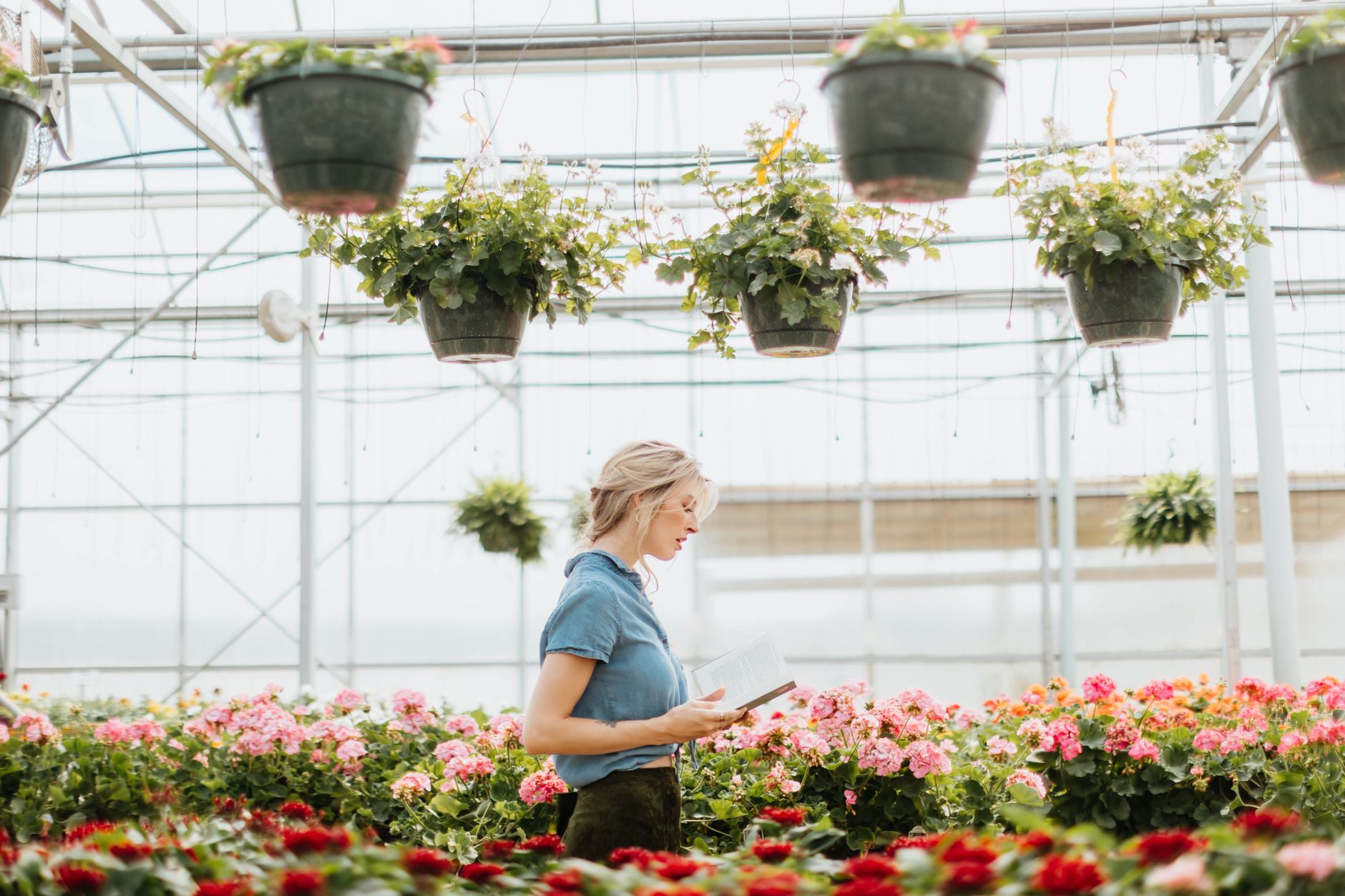
Find the best greenhouse gardening book for beginners: top picks, what to look for, and practical advice to start growing in your greenhouse this season.
If you are new to greenhouse gardening, the right book can save you time, money, and frustration. The best book for you depends on your climate, your greenhouse type, and your goals, but two titles stand out for most beginners: “The Greenhouse Gardener’s Manual” by Roger Marshall and “The Year-Round Solar Greenhouse” by Lindsey Schiller and Marc Plinke. Both are practical, well-illustrated, and written by people who have actually grown in greenhouses. In this guide, I will break down what makes a good greenhouse book, review the top options, and give you a clear recommendation so you can start reading and planting this week.
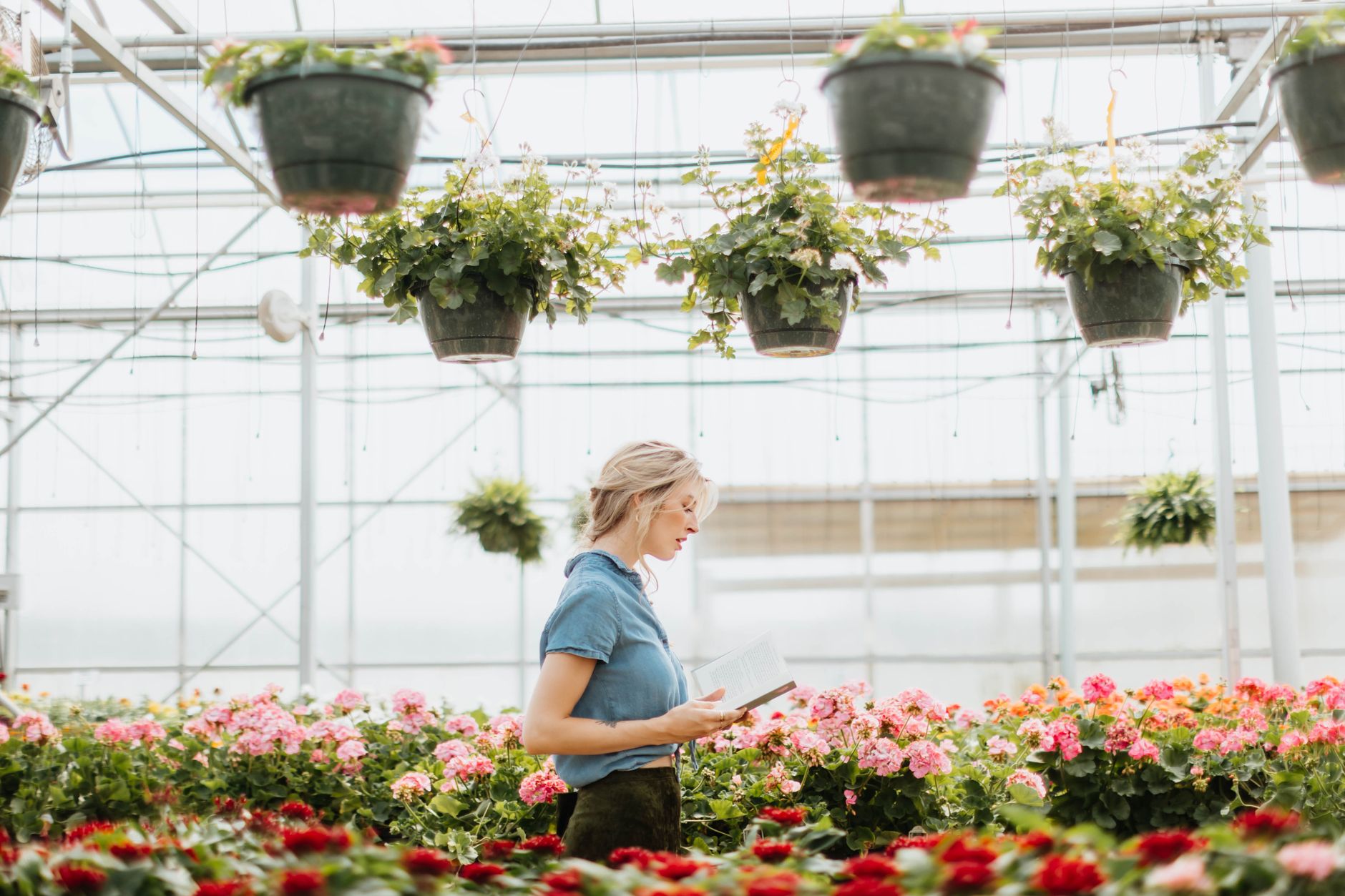
What to Look for in a Greenhouse Book
Before you buy, check that the book covers these essentials:
- Climate and zone guidance: It should discuss how to adapt growing for USDA zones and different seasons.
- Greenhouse types and structures: It should explain the pros and cons of hoop houses, lean-tos, and freestanding models.
- Environmental control: Look for practical advice on ventilation, heating, cooling, and humidity.
- Growing techniques: It should cover soil, watering, fertilizing, and pest management specifically for greenhouse conditions.
- Plant-specific guidance: A good book lists crops that thrive in greenhouses, with spacing, temperature, and harvest times.
- Realistic cost and effort: It should be honest about what is expensive or labor-intensive.
Avoid
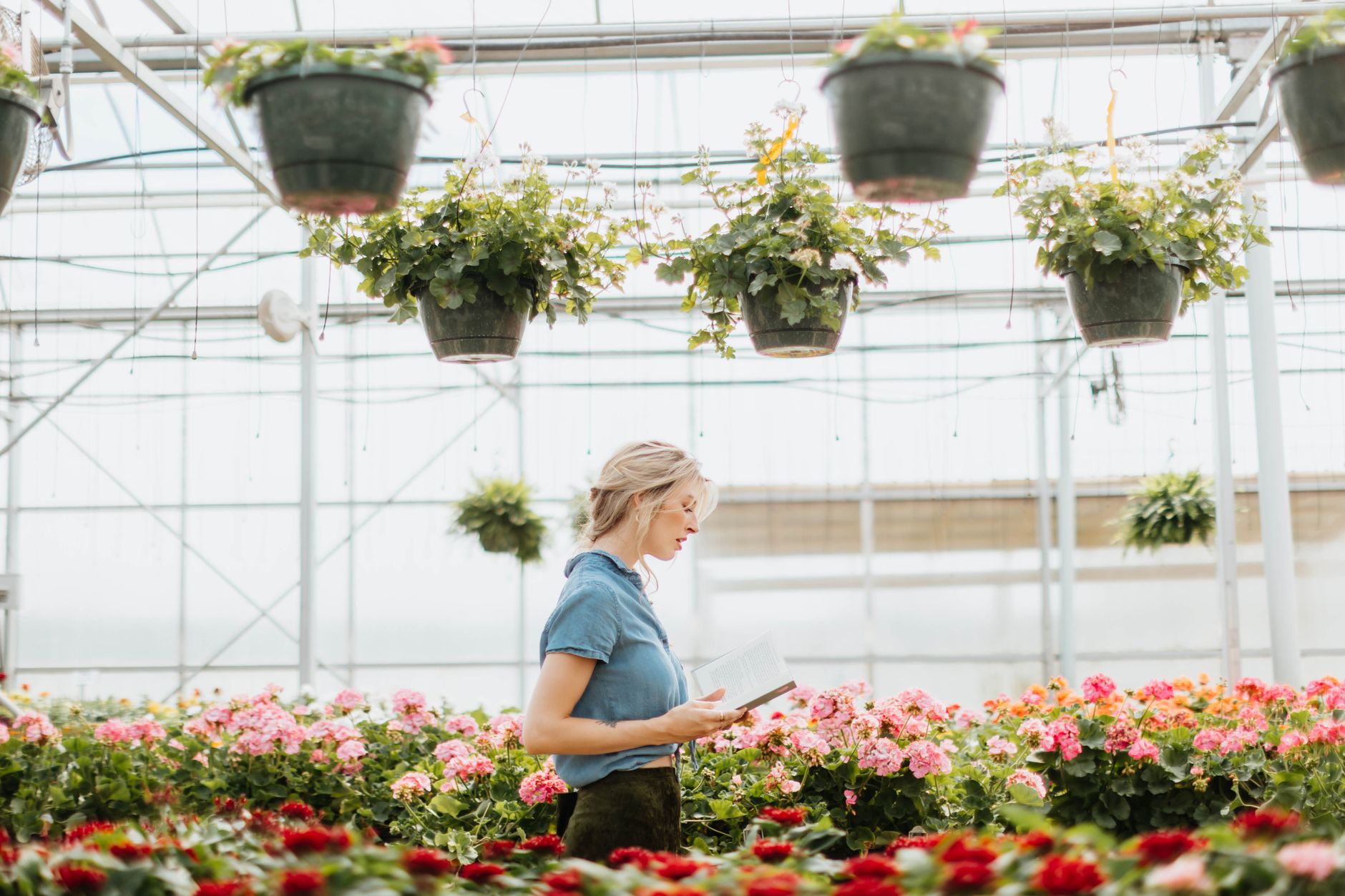 books that are too general (they often skip greenhouse specifics) or too advanced (they assume you already know the basics).
Top Picks for Beginners
1. The Greenhouse Gardener’s Manual by Roger Marshall
This is the most comprehensive beginner-friendly book I have found. Marshall covers everything from choosing a structure to growing specific crops. He includes detailed chapters on heating, cooling, and lighting, with clear diagrams. The book is practical: he gives specific temperature ranges, spacing, and even sample planting schedules.
- Pros: Covers both food and ornamental plants; includes troubleshooting charts; good for all greenhouse types.
- Cons: Some sections feel dated (first published in 2014), but the fundamentals remain solid.
- Price: $20 to $25 new, $15 used.
2. The Year-Round Solar Greenhouse by Lindsey Schiller and Marc Plinke
If you want to grow through winter without high heating bills, this is your book. It focuses on passive solar design, thermal mass, and climate batteries. It is more technical, but the authors explain concepts clearly. You will learn how to orient your greenhouse, what materials to use, and how to store heat.
- Pros: Excellent for cold climates; teaches energy-efficient growing; includes real-world case studies.
- Cons: Less about day-to-day crop care; assumes you have some building skills.
- Price: $30 to $35 new, $20 used.
3. The Greenhouse and Hoophouse Grower’s Handbook by Andrew Mefferd
This is a great choice if you are thinking about growing for market or want to maximize production in a small space. Mefferd interviews experienced growers and shares their techniques. It is more advanced, but beginners can still benefit from the crop-specific advice.
- Pros: Real grower insights; covers both greenhouses and hoophouses; includes crop profiles.
- Cons: Less on structure and heating; focuses on commercial-scale.
- Price: $25 to $30 new.
4. Greenhouse Gardening for Beginners by J.D. Green (self-published)
This is a budget-friendly option that covers the basics without overwhelming you. It is not as detailed as the others, but it is a quick read and good for absolute novices.
- Pros: Simple language; affordable; covers the essentials.
- Cons: Lacks depth; some typos; not as reliable for advanced topics.
- Price: $10 to $15 new.
My Recommendation
For most beginners, I recommend The Greenhouse Gardener’s Manual by Roger Marshall. It is the best all-around book: it explains the why behind each practice, gives specific numbers, and covers both structure and crops. If you live in a cold climate (zones 4 and below) and want to grow year-round, also get The Year-Round Solar Greenhouse for its energy-saving strategies.
How to Use Your Book This Week
Do not just read: take action. Here is a step-by-step plan for your first week with your new book.
- Read the first three chapters (or the first 50 pages) to understand your greenhouse type and basic environmental control.
- Identify your USDA zone and note your average last frost date. Write it on the inside cover.
- Choose one easy crop to start: lettuce, radishes, or herbs like basil. These grow quickly and forgive mistakes.
- Set up a thermometer and hygrometer in your greenhouse. You need to know your temperature and humidity ranges.
- Plan a simple ventilation system: even a manually opened vent or a small fan helps. Your book will guide you.
- Start a small seed tray with a heat mat if you have one. Follow the book’s instructions for depth and watering.
Common Mistakes to Avoid
- Overwatering: Greenhouses reduce evaporation; check soil moisture before watering.
- Ignoring ventilation: On sunny days, temperatures can spike to 100°F even in winter. Open vents or use a fan.
- Choosing the wrong crops: Some plants (like tomatoes) need more light and warmth than others. Start with leafy greens.
- Skipping pest checks: Aphids and whiteflies love greenhouses. Inspect leaves weekly.
FAQ
Do I need a greenhouse book if I already garden outdoors?
Yes, because greenhouse growing is different: you control temperature, humidity, and light, but you also face unique challenges like overheating and pests. A good book explains these differences.
Can I grow vegetables in a greenhouse in winter?
Yes, but only if you provide heat or use passive solar design. In zones 7 and warmer, you can grow cold-hardy greens with minimal heat. In colder zones, you need a heater or a well-designed solar greenhouse.
How much does it cost to heat a small greenhouse?
For a 10x10 foot greenhouse, expect to pay $50 to $150 per month in winter, depending on your fuel source and climate. Electric heaters are easiest but pricier; propane is cheaper but requires ventilation.
Are there free online resources that are just as good?
There are good websites and YouTube channels, but they are often piecemeal. A book gives you a structured, reliable reference you can consult anytime, even without internet.
The Bottom Line
The best greenhouse gardening book for beginners is one that matches your climate and goals. For most people, that is The Greenhouse Gardener’s Manual by Roger Marshall. Pair it with a simple first crop and a thermometer, and you will learn more in one season than a year of online videos. Start small, keep notes, and let your book be your guide. Happy growing!