Best greenhouse for beginners
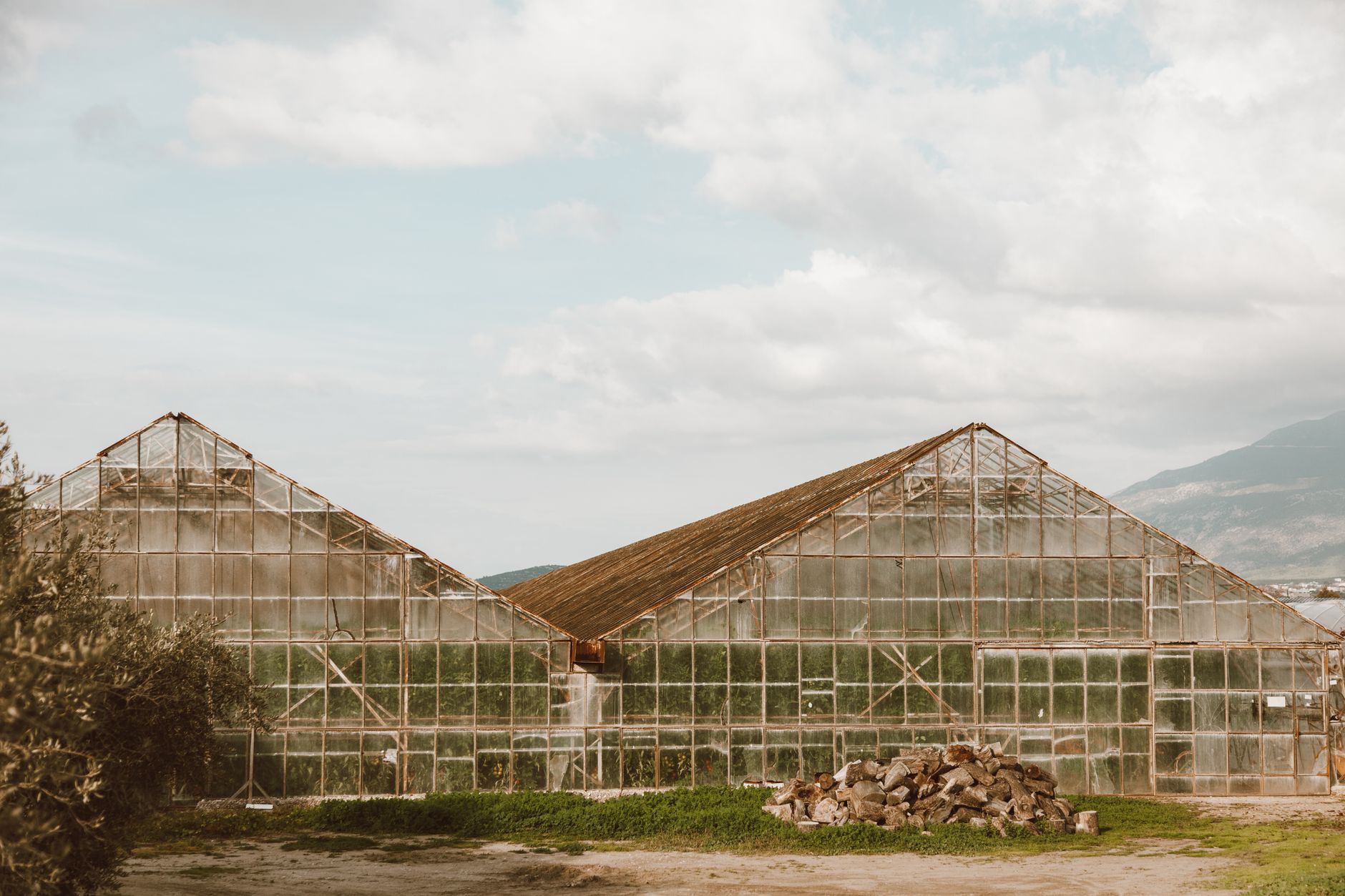
Find the best greenhouse for beginners in 2026. Compare types, costs, and features. Get practical advice on size, materials, and setup for your zone.
If you are new to greenhouse growing, the best greenhouse for you is a 6x8 foot polycarbonate model with a galvanized steel frame, priced between $400 and $800. This size fits a hobbyist’s needs without overwhelming your space or budget, and polycarbonate panels are durable, light-transmitting, and easier to manage than glass. In this guide, I will break down the key decisions you need to make, so you can buy with confidence and start growing sooner.
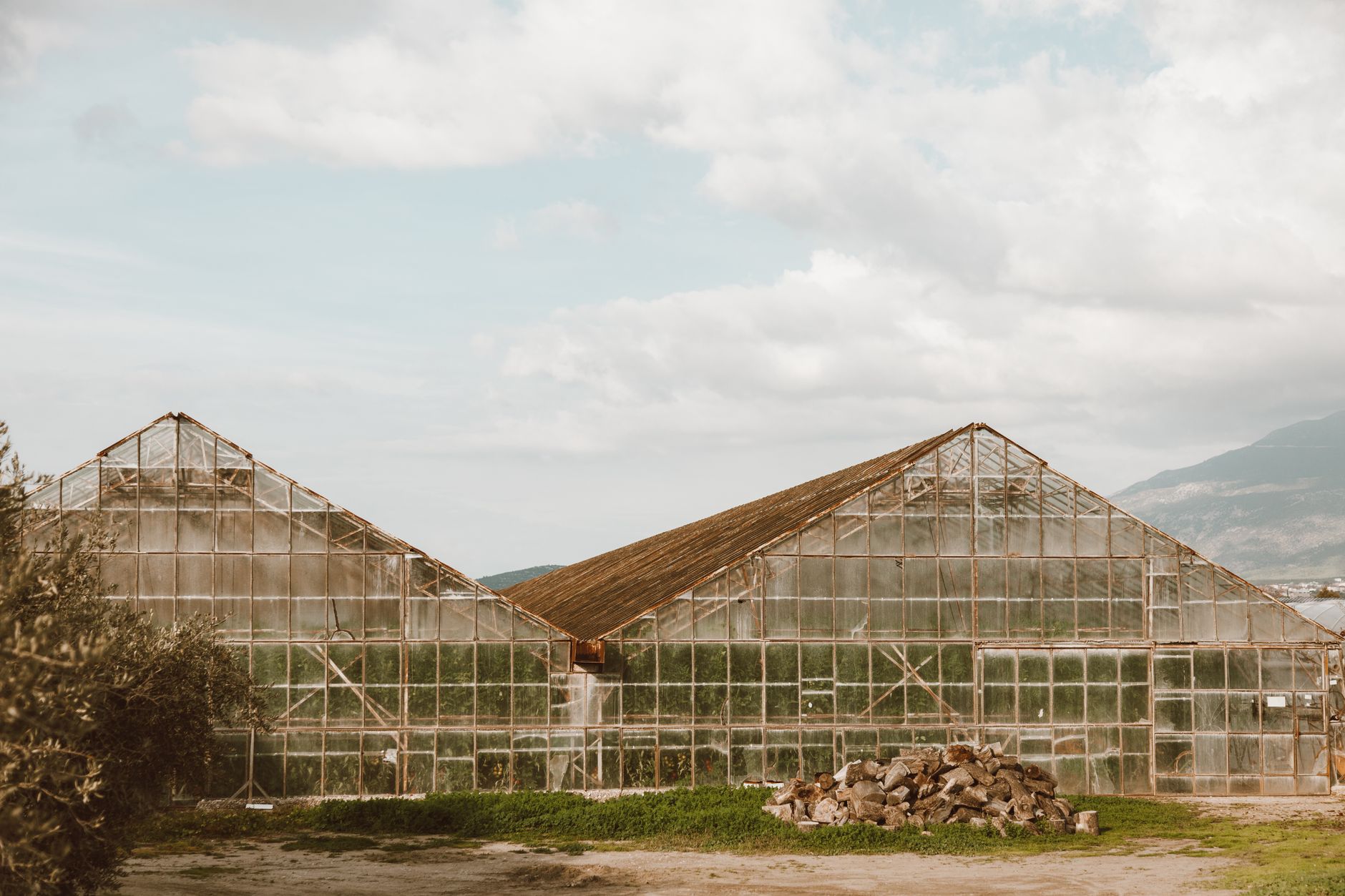
Why a greenhouse is worth it for beginners
A greenhouse extends your growing season, protects plants from harsh weather, and gives you a controlled environment for starting seeds. For a beginner, it is a place to learn without the unpredictability of the open garden. You can start seeds earlier in spring, grow tender crops like tomatoes and peppers through summer, and even grow cool-season greens into
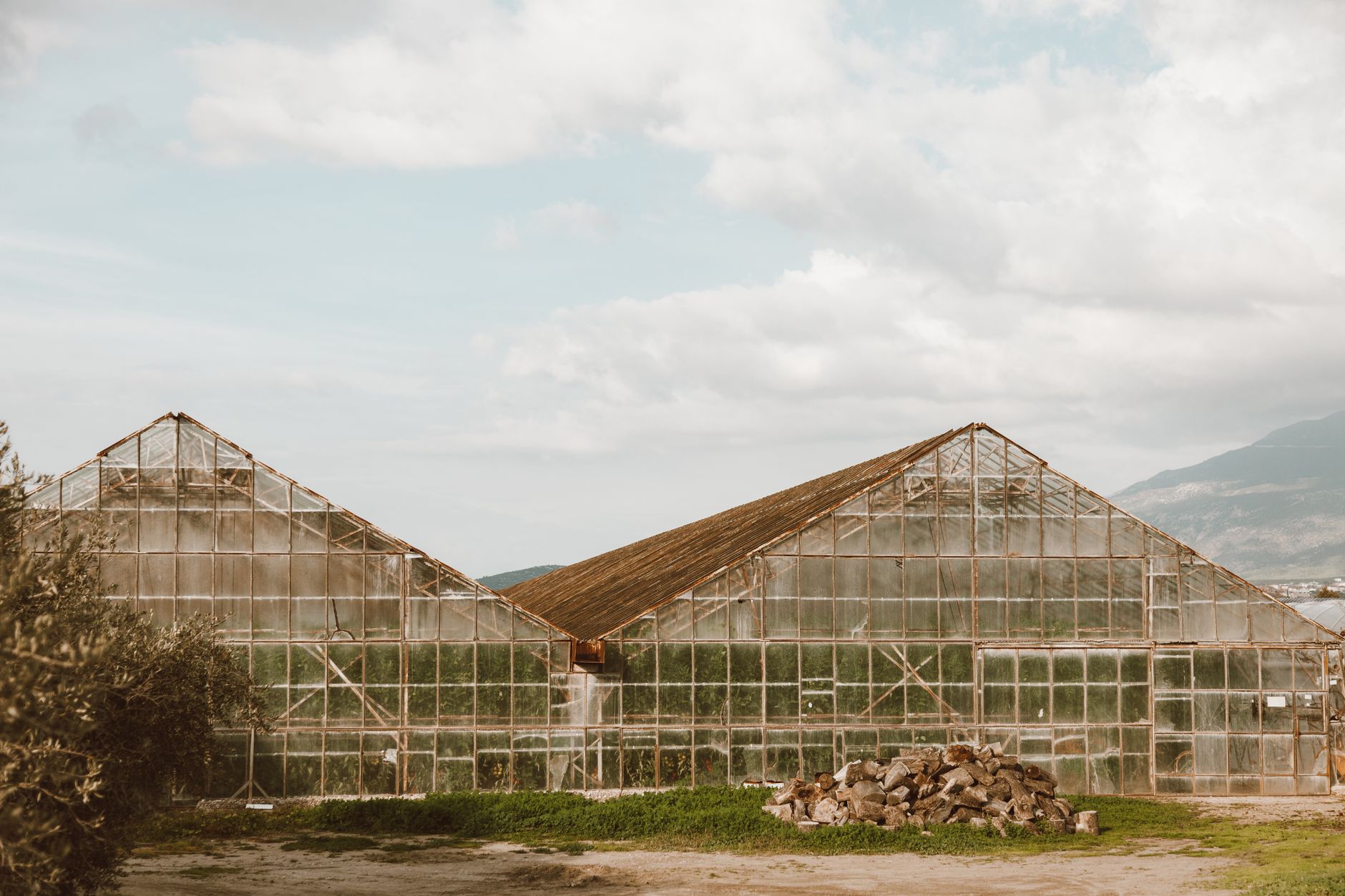 late fall. The initial investment pays off in fewer failed crops and more consistent harvests.
Types of greenhouses: pros and cons
There are three main types to consider: hoop houses, polycarbonate panel greenhouses, and glass greenhouses. Each has trade-offs in cost, durability, and ease of assembly.
| Type | Price Range (2026) | Pros | Cons |
|---|---|---|---|
| Hoop house (PVC or metal) | $100 - $300 | Cheap, easy to set up, portable | Less durable, poor insulation, can collapse under heavy snow |
| Polycarbonate panel (6x8) | $400 - $800 | Good insulation, durable, UV resistant, easy to assemble | Heavier than hoop houses, moderate cost |
| Glass (traditional) | $1,500 - $5,000+ | Aesthetic, excellent light transmission | Expensive, fragile, requires strong foundation, harder to install |
For most beginners, a polycarbonate panel greenhouse is the sweet spot. It is not the cheapest, but it will last longer and perform better than a hoop house, and it is far more forgiving than glass.
Size matters: what to choose
A 6x8 foot greenhouse is ideal for a beginner. It gives you about 48 square feet of growing space, enough for a few raised benches or shelves, and it fits in most backyards. If you have more room and ambition, an 8x10 foot model (around $800 to $1,200) offers more space for a similar price per square foot. But do not overbuy: a larger greenhouse costs more to heat and maintain, and you can always expand later.
Key features to look for
When comparing greenhouses, focus on these features:
- Frame material: Galvanized steel is rust-resistant and sturdy. Aluminum is lighter but can bend. Avoid cheap plastic frames that crack in UV.
- Panel material: Polycarbonate is best. Look for twin-wall (double layer) panels, which provide better insulation than single-wall. Thickness of 4 to 6 mm is standard.
- Ventilation: At least two roof vents and a side vent or door that opens. Automatic vent openers (around $20 to $30) are worth it; they open vents when it gets hot, saving you from cooking your plants.
- Door: A sliding door saves space, but a hinged door is simpler. Make sure it seals well.
- Foundation: You can place it on level ground, but a base frame (often included) or a concrete slab is better for stability. A simple gravel base works if you are on a budget.
Top picks for 2026
Based on my experience and current market, here are three reliable models:
-
Palram Harmony 6x8 Greenhouse (around $600): This is a solid polycarbonate model with a galvanized steel frame. It has a sliding door, two vents, and is easy to assemble with two people in about 4 hours. It holds up well in wind and snow if anchored properly.
-
Cedar Summit 6x8 Greenhouse Kit (around $450): A budget-friendly option with a wood frame (cedar is naturally rot-resistant). It requires more maintenance (staining), but it looks great and is sturdy. Panels are polycarbonate.
-
ShelterLogic 6x8 Greenhouse (around $200): This is a hoop house style with a steel frame and a plastic cover. It is the cheapest option, but the cover may need replacing every 2 to 3 years. It is fine for mild climates, but not for heavy snow areas.
Setting up your greenhouse: step by step
Once you have your greenhouse, follow these steps to get it ready:
-
Choose a location: Pick a spot with full sun (at least 6 hours a day), preferably south-facing. Avoid low spots where cold air collects. Level the ground.
-
Prepare the base: If your greenhouse does not include a base, build a simple frame from pressure-treated lumber (2x6s) or use concrete blocks. Ensure it is square and level.
-
Assemble the frame: Follow the manufacturer’s instructions. Most kits have numbered parts. Use a cordless drill and a socket set. Do not overtighten bolts; leave a little play until the frame is square.
-
Install panels: Slide polycarbonate panels into the frame channels. Wear gloves; edges can be sharp. Secure with clips or screws, but leave room for expansion in heat.
-
Add ventilation: Install any additional vents or an automatic opener. Place a thermometer inside to monitor temperature.
-
Anchor it: Use the included anchors or drive stakes into the ground. This is critical in windy areas. A greenhouse that is not anchored can become a kite.
-
Set up shelving: Use metal or plastic shelving (around $50 to $100) to maximize vertical space. A simple bench along one side works well.
What to grow in your first year
Start with easy crops that thrive in a greenhouse:
- Tomatoes: Varieties like ‘Sungold’ (cherry) or ‘Celebrity’ (slicing) do well. Plant in large pots or a raised bed.
- Peppers: ‘California Wonder’ (bell) or ‘Jalapeño’ are reliable.
- Lettuce and greens: ‘Black Seeded Simpson’ or ‘Arugula’ grow quickly and tolerate cooler temps.
- Herbs: Basil, parsley, and cilantro are simple and useful.
In your first year, focus on learning. Keep a journal of temperatures, watering, and plant performance. You will make mistakes, but that is part of the process.
Common mistakes to avoid
- Overheating: Greenhouses can hit 100°F+ in summer. Always ventilate. Use shade cloth (around $20) if needed.
- Overwatering: Containers dry out faster, but also waterlogged soil can rot roots. Check soil moisture before watering.
- Ignoring pests: Aphids and whiteflies love greenhouses. Inspect plants weekly and use insecticidal soap if needed.
- Skipping the foundation: A flimsy base leads to shifting and damage. Invest an afternoon in a solid base.
FAQ
Do I need a permit to build a greenhouse? Check with your local building department. Many areas require a permit for structures over a certain size (often 10x10 feet). A 6x8 may not need one, but it is better to ask.
How do I heat a greenhouse in winter? For a small greenhouse, a 1500-watt electric heater (around $50 to $100) can keep it above freezing in mild zones. For colder zones, you may need a propane heater or a passive solar design. Insulate with bubble wrap on the inside to reduce heat loss.
Can I use a greenhouse year-round? In USDA zones 7 and warmer, you can grow cool-season crops all winter with minimal heat. In colder zones, you may need to heat it or use it only for starting seeds in spring and extending fall. It depends on your climate and crops.
How long does a polycarbonate greenhouse last? With proper care, a good polycarbonate greenhouse can last 10 to 15 years. The panels may yellow after a decade, but the frame should hold. Replace panels as needed.
Related guides
The bottom line
For a beginner, the best greenhouse is a 6x8 foot polycarbonate model with a galvanized steel frame, priced between $400 and $800. It offers the right balance of durability, cost, and ease of use. Set it up on a solid base, add proper ventilation, and start with easy crops like tomatoes and lettuce. You will learn by doing, and within a season, you will wonder how you gardened without it.