Best way to eat grapes
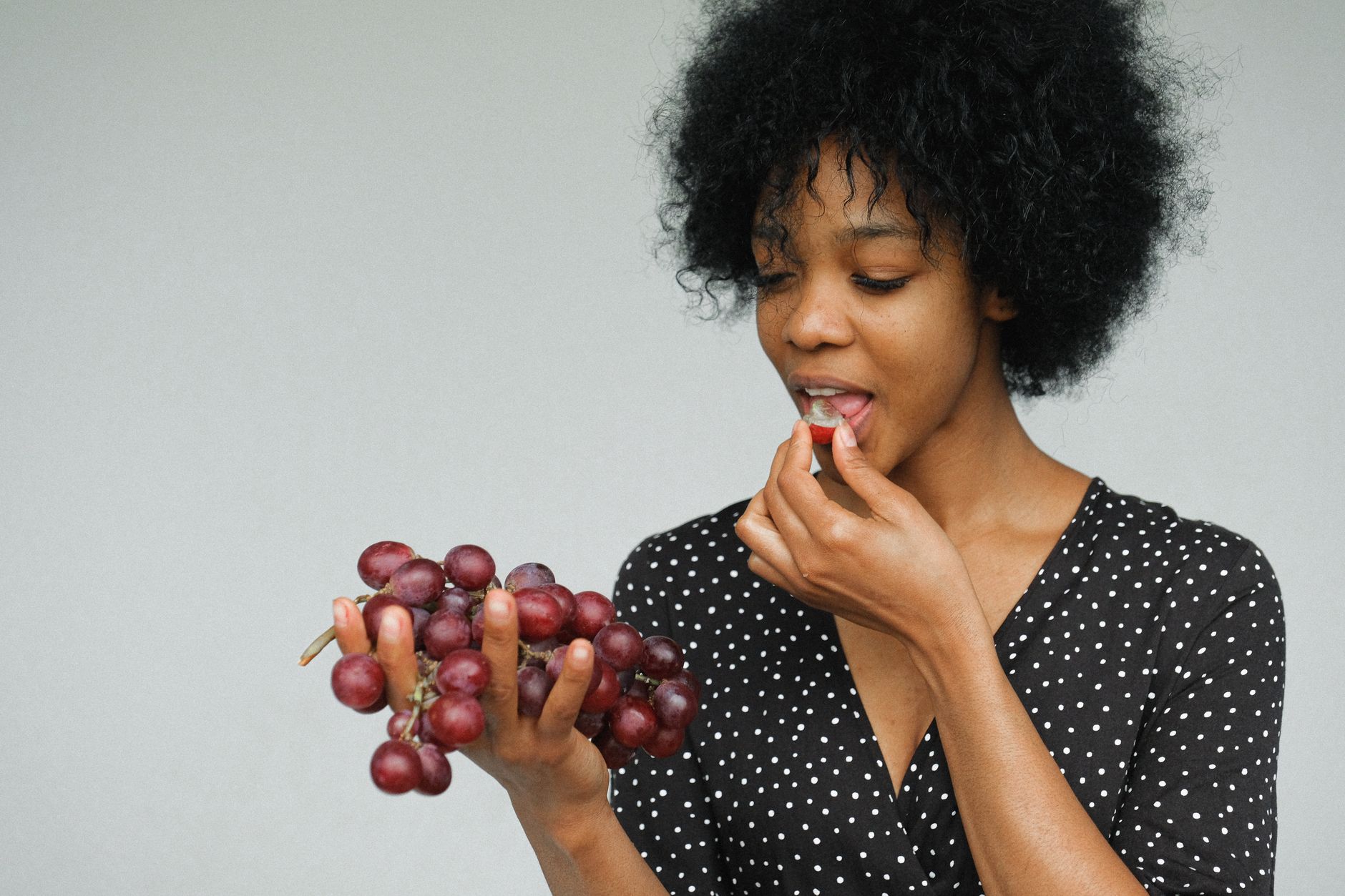
Learn the best ways to eat fresh grapes, from table to frozen treats, with variety picks and simple prep tips for gardeners and homesteaders.
If you’re growing grapes or buying them in bulk, the best way to eat them is fresh off the vine, chilled, and popped straight into your mouth. That’s the simplest and most rewarding way, but there are a few tricks to make them even better, plus storage and variety tips that matter. Here’s how to get the most from your harvest.
Choose the Right Variety for Eating
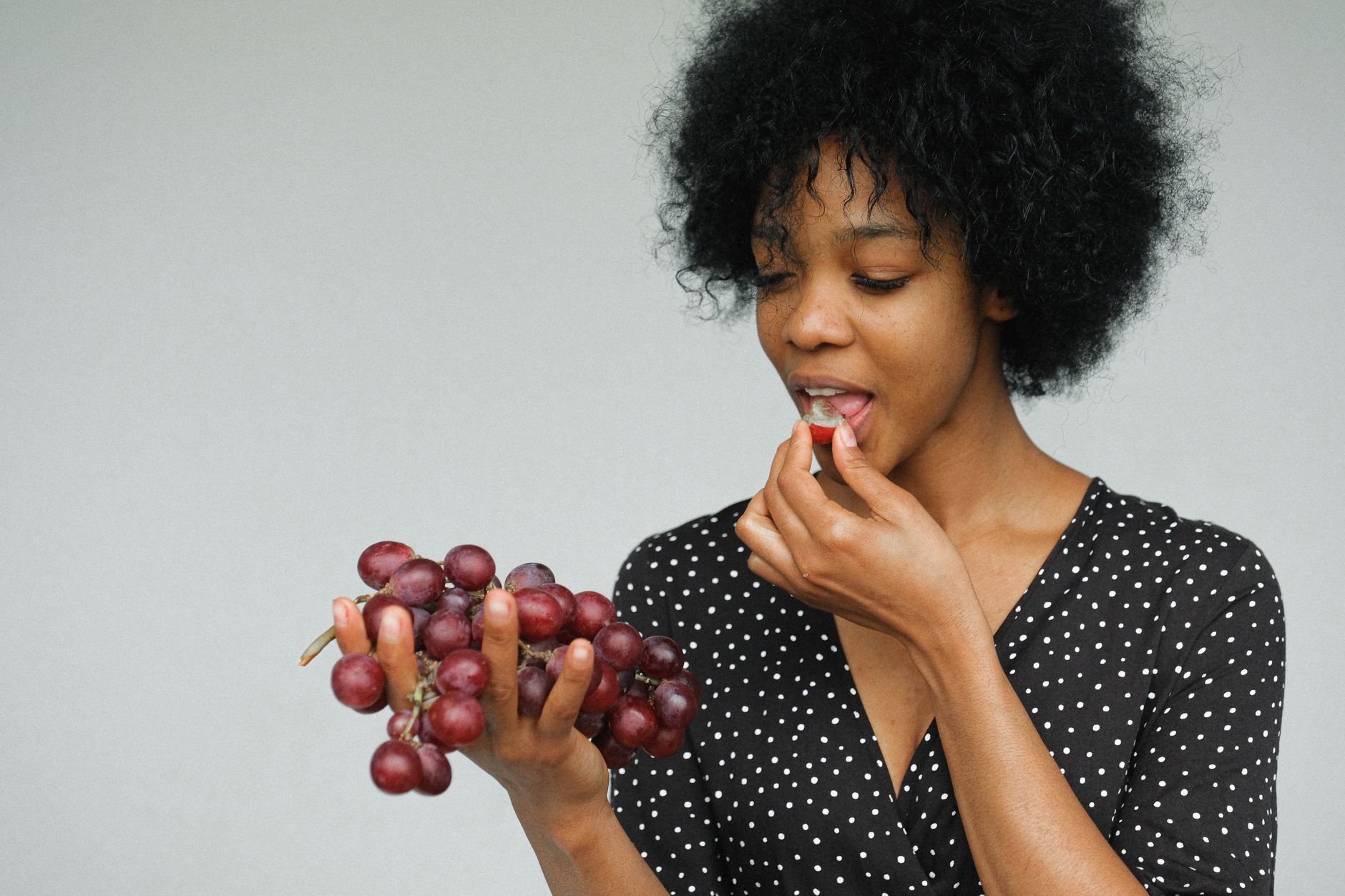
Not all grapes are created equal for fresh eating. Table grapes are bred for thick skins, crisp flesh, and sweetness. Wine grapes are smaller, seedier, and often too tart for snacking. For the best eating experience, plant or buy these proven varieties:
- Concord: Classic American grape, deep purple, slip-skin, intensely sweet with a musky flavor. Great for juice and jelly, but seeds can be a nuisance. Hardy in zones 4-9.
- Thompson Seedless: The standard green grape, sweet and mild, crisp, seedless. Ideal for snacking. Zones 7-10.
- Red Flame: Red seedless, firm, sweet, and juicy. A favorite for kids. Zones 7-10.
- Black Corinth: Tiny, seedless, intensely sweet, often dried as Zante currants. Fresh, they’re a burst of sugar. Zones 7-10.
- Mars: A seedless Concord-type, purple, sweet, and hardy in colder zones (4-8). Great for northern growers.
- Reliance: Pink-red seedless, sweet, and cold-hardy (zones 4-8). Ripens early.
If you’re in a cooler climate, stick with American or hybrid varieties like Marquette or Frontenac for wine, but
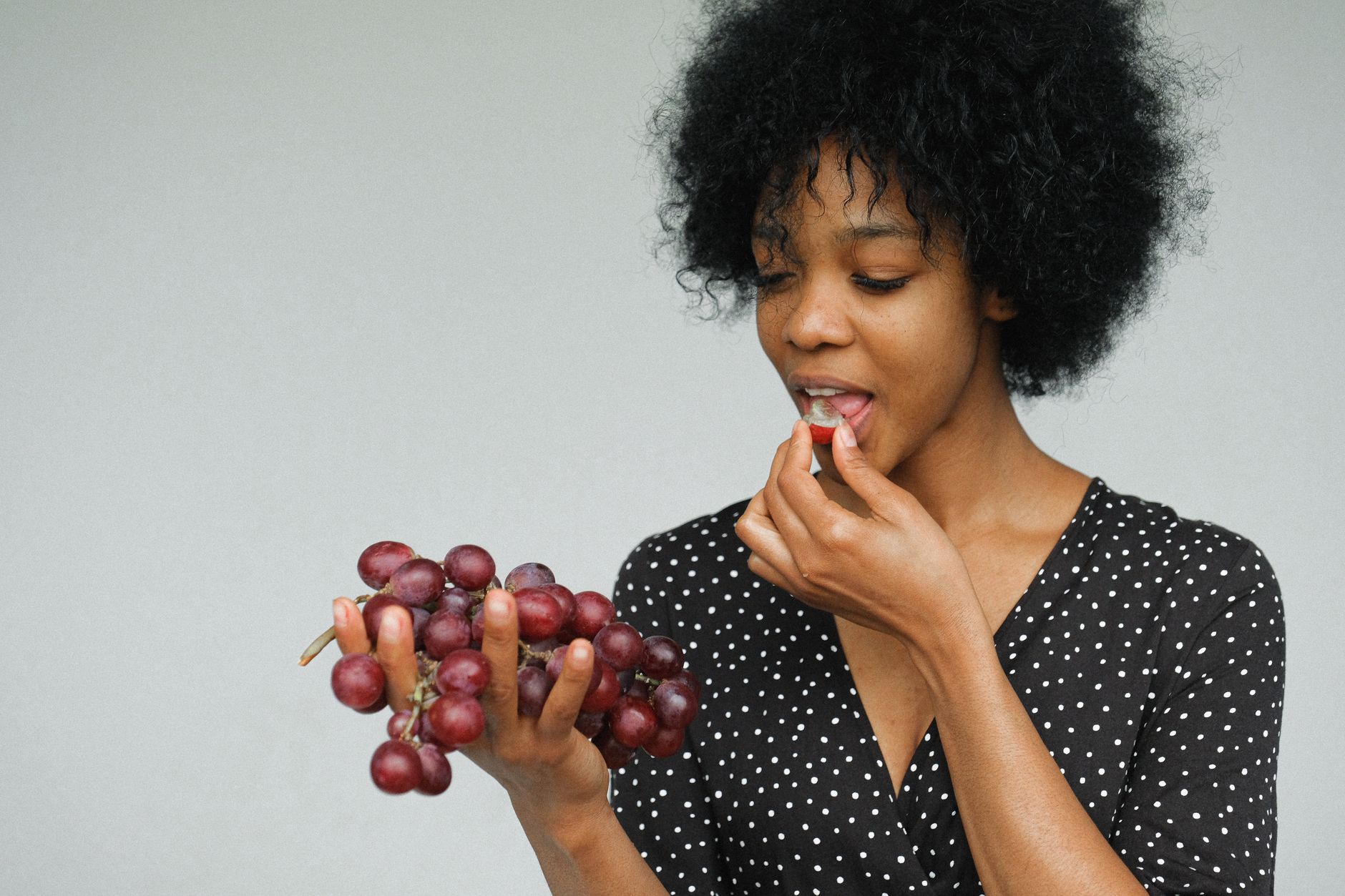 for eating, look for seedless cold-hardy types like ‘Swenson Red’ or ‘Edelweiss’.
How to Eat Fresh Grapes: Simple Steps
- Harvest at peak ripeness: Grapes do not ripen after picking. Taste a few from the bottom of the bunch; if they’re sweet, the whole bunch is ready. Color alone isn’t a reliable indicator.
- Wash just before eating: Rinse under cool water and pat dry. Washing ahead of time can speed spoilage.
- Chill for 30 minutes: Cold grapes are crisper and sweeter. Serve straight from the fridge.
- Eat whole or halve for kids: For children under 4, slice grapes lengthwise to prevent choking.
- Pair with cheese: Grapes and sharp cheddar or brie are a classic combo. The sweetness cuts through the fat.
Frozen Grapes: The Best Summer Treat
Frozen grapes are a game-changer. They’re like little sorbet bites, perfect for hot days. Here’s how to do it right:
- Wash and dry thoroughly: Any moisture will cause ice crystals and mushiness.
- Remove stems: Pluck each grape from the stem.
- Spread on a baking sheet: Freeze in a single layer for 2-3 hours, then transfer to a zip-top bag. This prevents clumping.
- Enjoy within 3 months: They’ll keep longer, but quality declines.
Frozen grapes are great for snacking, adding to smoothies, or using as ice cubes in wine or sparkling water. They’re a healthy alternative to popsicles for kids.
Roasted Grapes: A Surprising Twist
If you have an abundance, roasting grapes concentrates their sweetness and makes a savory-sweet sauce. This is a favorite for topping pork, chicken, or yogurt.
- Preheat oven to 400°F.
- Toss 2 cups of grapes with 1 tablespoon olive oil and a pinch of salt.
- Spread on a baking sheet and roast for 20-25 minutes until they burst and caramelize.
- Use immediately or store in the fridge for up to a week.
Roasted grapes are also excellent on toast with ricotta or as a glaze for roasted vegetables.
How to Store Grapes for Maximum Freshness
Grapes are perishable, but proper storage extends their life:
- Keep them unwashed in the fridge in a breathable container (like a perforated bag or the original clamshell).
- Remove any moldy or damaged grapes immediately; they spread decay.
- Use within 1 week for best quality. They can last up to 2 weeks if stored well.
- Do not freeze fresh grapes without pre-freezing as described above; otherwise, they turn to mush.
What About Grape Leaves?
Don’t toss the leaves! If you have grapevines, young leaves are perfect for dolmas (stuffed grape leaves). Harvest leaves in early summer when they’re tender and about the size of your palm. Blanch them for 1 minute in boiling water, then use or freeze for later.
FAQ
Can I eat grapes with seeds? Yes, seeds are edible and actually contain antioxidants. Some people chew them, but most prefer to spit them out. If seeds bother you, choose seedless varieties.
Are organic grapes worth the extra cost? Grapes are on the “Dirty Dozen” list for pesticide residue, so if you’re buying, organic is a good choice. If you’re growing your own, you control what goes on them.
How many grapes can I eat a day? A serving is about 1 cup (roughly 30 grapes). That’s fine daily. Grapes are high in natural sugar, so moderation is key if you’re watching carbs.
Can I freeze grapes with stems on? Yes, but they’re harder to separate once frozen. It’s easier to remove stems first.
The Bottom Line
The best way to eat grapes is fresh, chilled, and unadorned. For variety, freeze them for a summer snack, or roast them for a savory twist. Choose seedless table varieties for snacking, and store them properly to keep them crisp. Whether you’re harvesting your own vines or buying at a market, these methods will help you enjoy every last grape.