Best soil ph for growing grapes
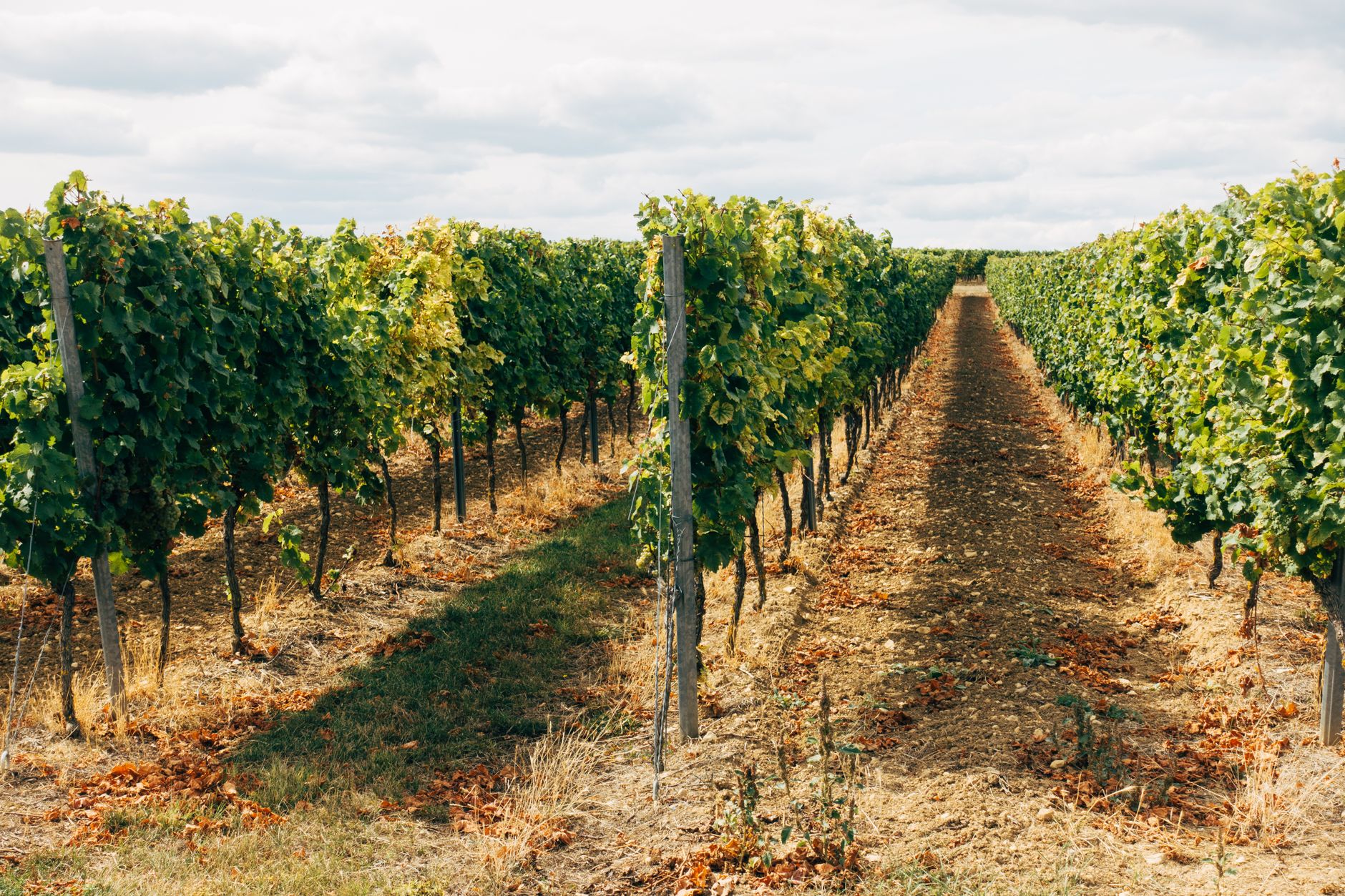
Learn the ideal soil pH for grapes (6.0-6.5), how to test and adjust it, and why pH matters for vine health and fruit quality.
Grapes grow best in soil with a pH between 6.0 and 6.5. This slightly acidic range keeps nutrients available and supports healthy vine growth. If your soil is outside this range, you can adjust it, but it takes time and effort. Here is how to test, adjust, and maintain the right pH for your vineyard.
Why pH Matters for Grapes
Soil pH affects how well vines can take up nutrients. In acidic soil (below 6.0), nutrients like phosphorus and calcium become less available, and aluminum can reach toxic levels. In alkaline soil (above 7.0), iron and zinc deficiencies are common, leading to yellowing leaves and poor growth. For grapes, the ideal range is 6.0 to 6.5, though many varieties t
 olerate 5.5 to 7.0. Staying in the sweet spot helps vines grow vigorously and ripen fruit properly.
Testing Your Soil pH
Before planting, test your soil. You can buy a home test kit for $10 to $20 at garden centers, or send a sample to a lab for $20 to $40. A lab test gives more detail, including organic matter and nutrient levels. For a quick check, use a digital pH meter (about $25 to $50) and follow the instructions. Take samples from several spots in your planting area, at a depth of 6 to 8 inches, and mix them together for a representative reading.
Adjusting Soil pH
If Your Soil is Too Acidic (Below 6.0)
Add lime (calcium carbonate) to raise the pH. The amount depends on your soil type and current pH. A general rule: for sandy soil, add 5 pounds of lime per 100 square feet to raise pH by 0.5; for loam, use 7 pounds; for clay, use 8 pounds. Apply lime in the fall or winter before planting, and work it into the top 6 inches. It takes several months to react, so do this well ahead of planting.
If Your Soil is Too Alkaline (Above 6.5)
Lowering pH is harder. The most practical method is to incorporate elemental sulfur. For sandy soil, use 1 pound per 100 square feet to lower pH by 1.0; for loam, 1.5 pounds; for clay, 2 pounds. Mix it into the soil and water it in. Sulfur takes several months to work, and you may need to repeat applications. Alternatively, use acidic organic matter like pine bark or peat moss, but these have a limited effect. In very alkaline soils (pH above 8.0), consider growing grapes in raised beds or containers with a soil mix you control.
Best Grape Varieties for Different pH Levels
While most grapes prefer 6.0 to 6.5, some are more tolerant. If your soil is slightly acidic (5.5 to 6.0), try ‘Concord’ or ‘Niagara’ (American types) or ‘Marquette’ (a cold-hardy hybrid). For slightly alkaline soil (6.5 to 7.5), choose ‘Thompson Seedless’ or ‘Flame Seedless’ (table grapes) or ‘Cabernet Sauvignon’ (wine grape), but monitor for iron chlorosis and treat with chelated iron if needed.
Maintaining pH Over Time
Soil pH changes slowly, but it is not static. Rain can leach calcium and magnesium, making soil more acidic over time. Fertilizers, especially nitrogen-based ones, can also acidify soil. Test your soil every 2 to 3 years and adjust as needed. If you use drip irrigation, it can help maintain a more stable pH than overhead watering.
Practical Steps for This Week
- Test your soil: Buy a home test kit or send a sample to a lab. Do this now, before planting.
- Adjust if needed: If your pH is off, apply lime or sulfur according to the rates above. Work it into the soil.
- Choose the right variety: Based on your pH, pick a grape variety that will thrive. If you have not planted yet, this is the time to decide.
- Plan for future testing: Mark your calendar to retest in 6 months to see if adjustments are working.
FAQ
Can I grow grapes in soil with a pH of 7.5?
Yes, but you may see iron deficiency symptoms like yellowing leaves. Choose tolerant varieties and consider applying chelated iron in spring. Monitor growth and adjust pH gradually with sulfur.
How long does it take for lime or sulfur to change pH?
Lime takes 3 to 6 months to fully react, so apply it in fall for spring planting. Sulfur also takes several months, but you may see changes within 3 months. Test again after 6 months to gauge progress.
Should I adjust pH before or after planting?
Always adjust before planting. It is much easier to work amendments into the soil before vines are in the ground. After planting, you can still adjust, but you risk disturbing roots.
What if my soil pH is 5.0?
That is quite acidic. You will need to add a significant amount of lime. For example, to raise pH from 5.0 to 6.0 in sandy soil, apply about 10 pounds per 100 square feet. Work it in well and retest before planting.
The Bottom Line
The best soil pH for grapes is 6.0 to 6.5. Test your soil now, adjust with lime or sulfur if needed, and choose varieties that match your conditions. Maintaining the right pH is a long-term commitment, but it pays off with healthier vines and better fruit. Start with a soil test this week, and you will be on your way to a successful vineyard.