Best soil for growing grapes
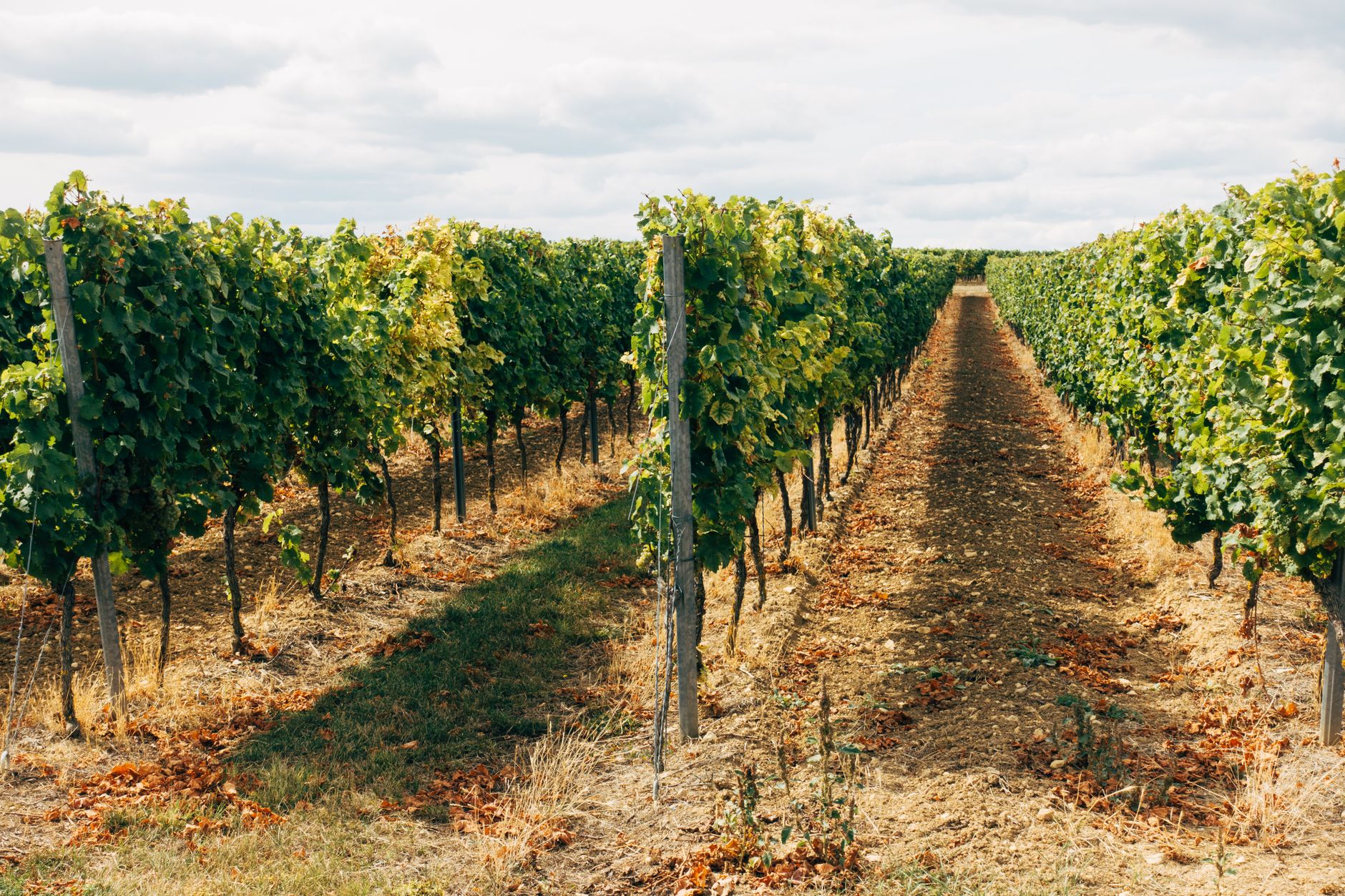
Learn what soil grapes need to thrive, how to test and amend it, and the best varieties for your region. Practical advice for gardeners and small farmers.
The best soil for growing grapes is well-drained, sandy loam with a pH between 5.5 and 6.5. Grapes do not need rich soil; in fact, overly fertile soil leads to excessive vine growth and poor fruit quality. If your soil is heavy clay or too sandy, you can still grow grapes by amending it or using raised beds. This guide covers how to test your soil, what to add, and which varieties suit different conditions.
What Makes Soil Ideal for Grapes?
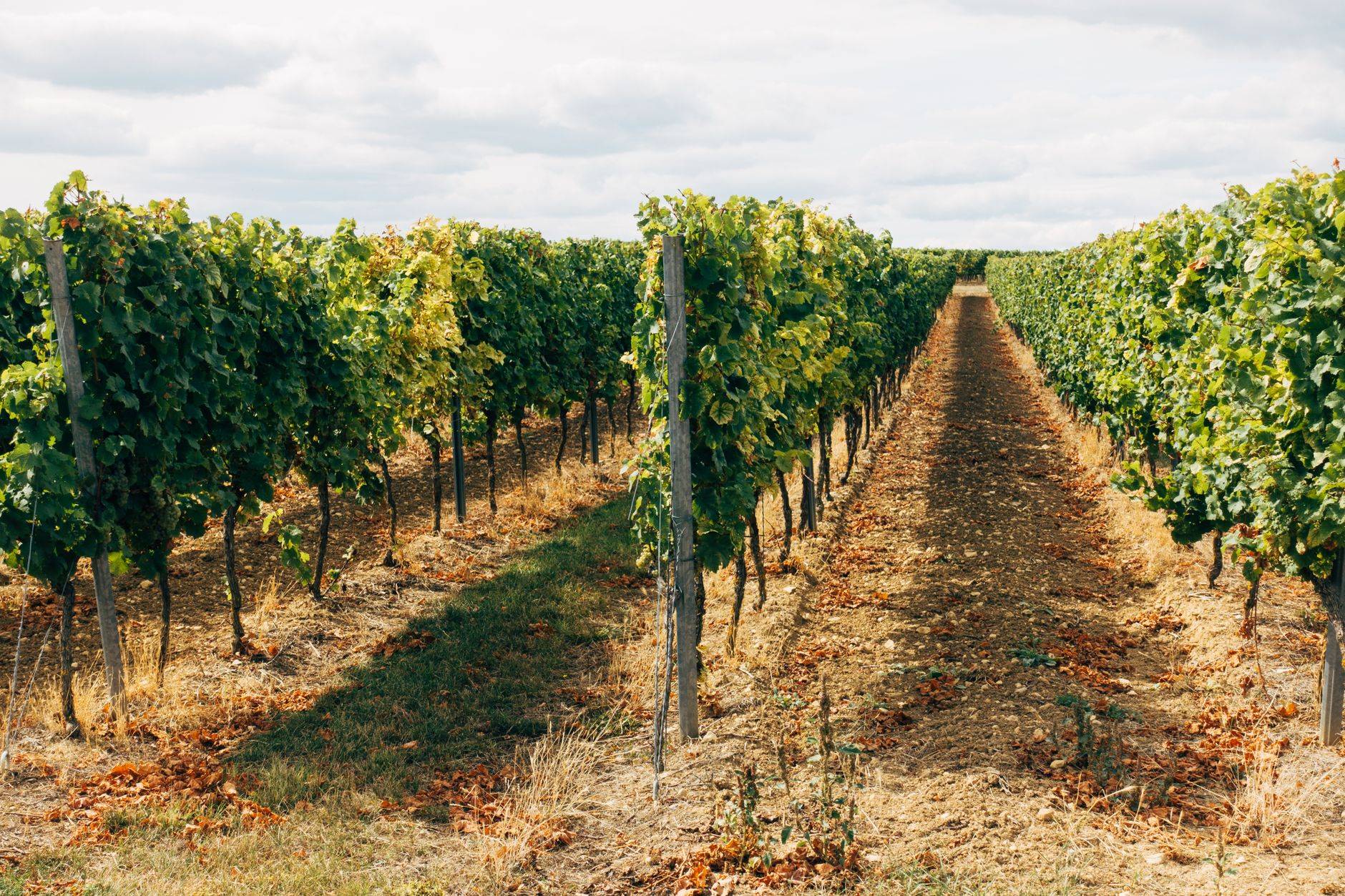
Grapes are deep-rooted plants. Their roots can reach 6 to 10 feet down, so the soil’s structure and drainage matter more than surface fertility. Ideal soil has these traits:
- Drainage: Water must not pool. Soggy soil causes root rot and fungal diseases.
- Texture: Loam or sandy loam, with a balance of sand, silt, and clay.
- pH: Slightly acidic to neutral, between 5.5 and 6.5. Outside this range, nutrients become less available.
- Organic matter: Moderate, around 2% to 3%. Too much organic matter (like compost) can make vines too vigorous.
- Depth: At least 3 feet of workable soil before hitting bedrock or hardpan.
If your soil is heavy clay, it holds water and warms slowly in spring. If it is pure sand, it drains too fast and lacks nutrients
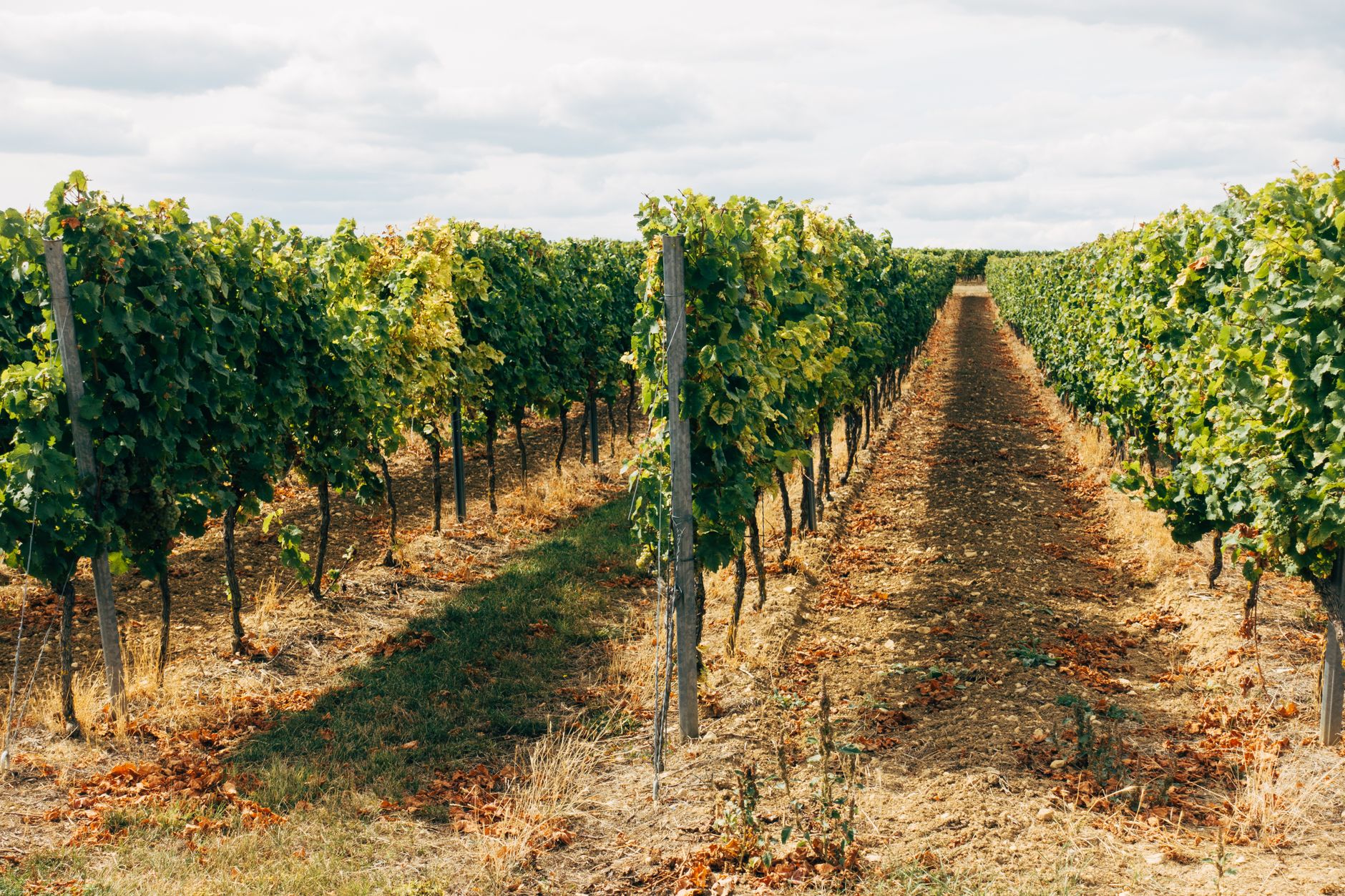 . Both can be improved, but it is easier to start with a site that already has good drainage.
Testing Your Soil
Before planting, test your soil. You can buy a DIY test kit for $10 to $20, but for accurate results, send a sample to a lab. Many university extension services offer soil tests for $15 to $30. The test will tell you pH, nutrient levels, and organic matter content.
To take a sample:
- Dig 6 to 8 inches down in several spots across your vineyard area.
- Mix the soil in a clean bucket.
- Send about 1 cup of the mixed soil to the lab.
If you cannot wait for lab results, a pH meter or test strips give a quick estimate. Aim for a pH of 6.0 to 6.5 for most table grapes, and 5.5 to 6.0 for some American varieties like Concord.
Amending Your Soil
Once you know your soil’s condition, you can amend it. Here are common scenarios:
- Soil too acidic (pH below 5.5): Add agricultural lime. Apply 5 to 10 pounds per 100 square feet, depending on how low the pH is. Mix it into the top 6 inches of soil. Do this in the fall before spring planting.
- Soil too alkaline (pH above 7.0): Add elemental sulfur. Apply 1 to 2 pounds per 100 square feet to lower pH by about 1 point. Again, mix in well and wait a few months.
- Poor drainage: If water pools after rain, consider planting on a slope or building raised beds. You can also dig a trench and fill it with gravel, but that is labor-intensive.
- Compacted soil: Break up hardpan with a subsoiler or broadfork. For a small plot, a garden fork works.
- Low organic matter: Add 1 to 2 inches of compost and work it into the top 12 inches. Do not overdo it; grapes prefer lean soil.
Avoid adding fertilizer before planting unless a soil test shows a deficiency. Too much nitrogen at planting time encourages leafy growth at the expense of fruit.
Planting in the Right Spot
Even the best soil cannot compensate for a poor location. Choose a site with:
- Full sun: At least 6 to 8 hours of direct sunlight daily.
- Air drainage: A slope or open area where cold air can flow away, reducing frost damage.
- Wind protection: A gentle breeze is good, but strong winds can break vines. Plant near a windbreak if needed.
Space vines 6 to 8 feet apart in rows 8 to 10 feet apart. Dig a hole wide enough to spread the roots without bending them. Plant at the same depth as the nursery pot, and water thoroughly.
Best Grape Varieties for Different Soils
Some varieties tolerate less-than-ideal soil better than others. Here are proven choices for home growers:
| Variety | Type | Best Soil | USDA Zones | Notes |
|---|---|---|---|---|
| ‘Concord’ | American | Clay-tolerant, but needs good drainage | 5-8 | Classic juice and jelly grape, very hardy |
| ‘Reliance’ | American hybrid | Sandy loam preferred | 5-9 | Seedless, sweet, good for fresh eating |
| ‘Mars’ | American hybrid | Loam, pH 5.5-6.5 | 5-9 | Seedless, disease-resistant |
| ‘Thompson Seedless’ | European | Sandy loam, well-drained | 7-9 | Needs long, warm summers, prone to mildew |
| ‘Cabernet Sauvignon’ | European | Gravelly loam, low fertility | 6-9 | Wine grape, thrives in poor soil |
| ‘Frontenac’ | Hybrid | Tolerates clay and cold | 4-7 | Wine grape, very cold-hardy |
If you have heavy clay, choose American or hybrid varieties like Concord or Frontenac. European varieties (Vitis vinifera) prefer sandy, gravelly soil and struggle with wet feet.
Maintaining Soil Health Over Time
Once your vines are established, keep the soil healthy with these practices:
- Mulch: Apply a 2- to 3-inch layer of wood chips or straw around the base, but keep it a few inches away from the trunk to prevent rot. Mulch conserves moisture and suppresses weeds.
- Irrigation: Water deeply but infrequently. Grapes need about 1 inch of water per week during the growing season, but they prefer dry conditions between waterings. Drip irrigation is ideal.
- Fertilization: Test soil every 2 to 3 years. In most cases, a light application of balanced fertilizer (like 10-10-10) in early spring is enough. Avoid high-nitrogen fertilizers.
- Cover crops: In the fall, plant a cover crop like winter rye or clover between rows. This prevents erosion and adds organic matter when tilled in spring.
Common Soil Problems and Solutions
- Waterlogged soil: If your soil stays wet after rain, you may need to install drainage tiles or plant on mounds. Raised beds are the easiest fix for a small vineyard.
- Nutrient deficiencies: Yellowing leaves may indicate a lack of nitrogen or iron. A soil test will tell you exactly what to add.
- Salty soil: Common in arid regions. Leach the soil with fresh water, and avoid over-fertilizing.
FAQ
Can I grow grapes in clay soil? Yes, but you must improve drainage. Amend the soil with compost and sand, or plant on raised mounds. Choose hardy varieties like Concord or Frontenac that tolerate heavier soil.
How often should I test my soil? Test before planting, then every 2 to 3 years. Regular testing helps you adjust pH and nutrients before problems appear.
Do grapes need acidic soil? Grapes prefer slightly acidic soil (pH 5.5 to 6.5), but they can tolerate neutral soil. If your pH is above 7.5, you may see nutrient deficiencies, especially iron.
What is the best way to improve sandy soil for grapes? Add organic matter like compost to increase water and nutrient retention. Use mulch to reduce evaporation, and water more frequently but with less volume per session.
The Bottom Line
The best soil for grapes is well-drained, sandy loam with a pH between 5.5 and 6.5. Test your soil before planting, amend it based on the results, and choose varieties suited to your conditions. Even if your soil is not perfect, you can still grow healthy vines with proper drainage and careful management. Start with a soil test this week, and you will be on your way to a productive vineyard.