Aphids vs thrips
Learn to tell aphids and thrips apart, spot the damage they cause, and use proven control methods for your garden or homestead. Includes identification, prevention, and treatment.
Aphids and thrips are two of the most common garden pests, but they are often confused. The key difference is in their appearance and the damage they cause: aphids are soft-bodied, pear-shaped insects that cluster on new growth and excrete sticky honeydew, while thrips are tiny, slender insects that rasp plant tissues, leaving silvery streaks and black specks. This guide will help you identify each pest, understand their life cycles, and apply effective, practical controls.
Identifying Aphids
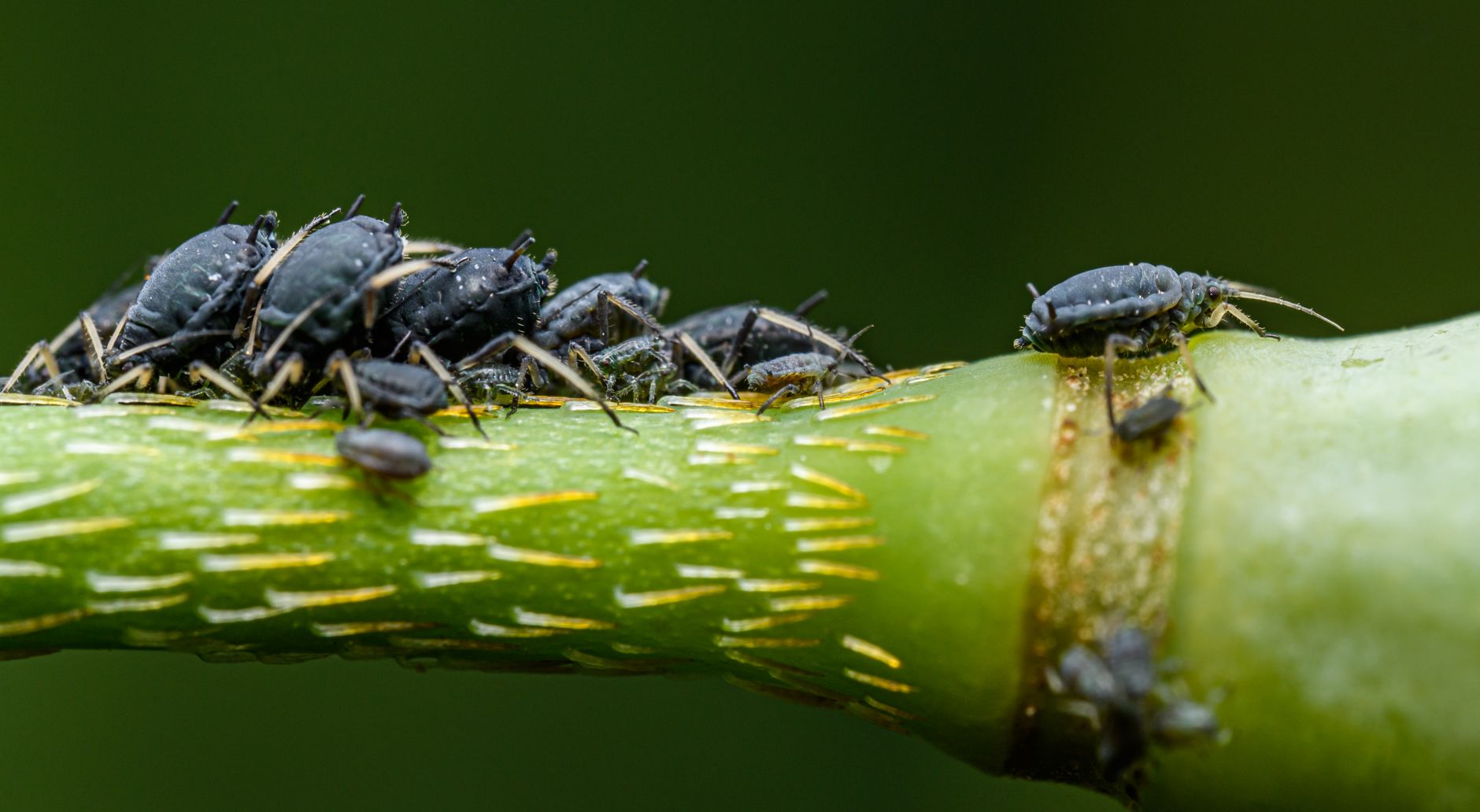
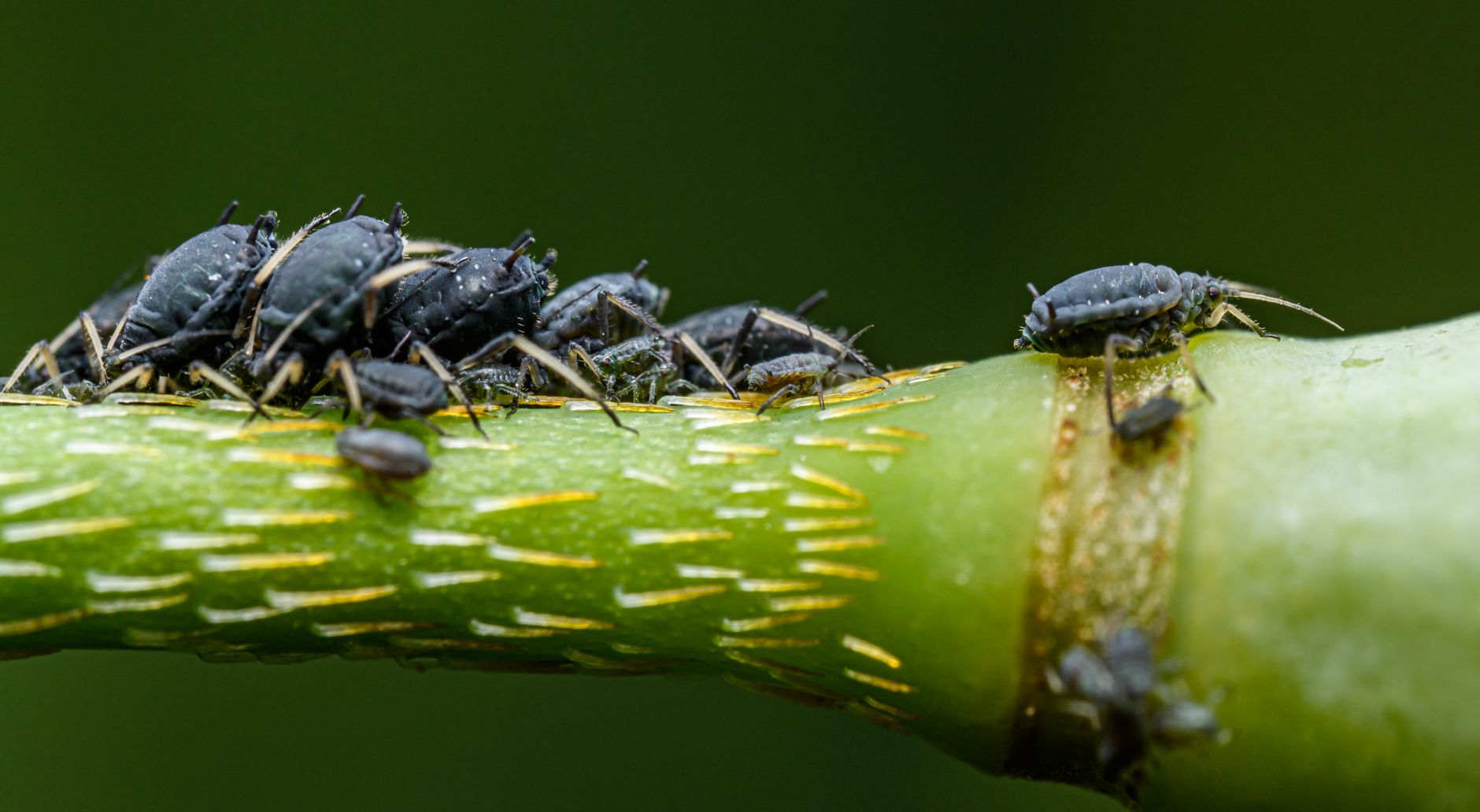
Aphids are small (1/16 to 1/8 inch), soft-bodied insects that come in green, yellow, black, brown, or pink. They have two long antennae and two short cornicles (tailpipes) at the rear. They are often found in clusters on the undersides of leaves, stems, and buds. They feed by sucking sap, which causes leaves to curl, yellow, or distort. A telltale sign is sticky honeydew on leaves and the black sooty mold tha
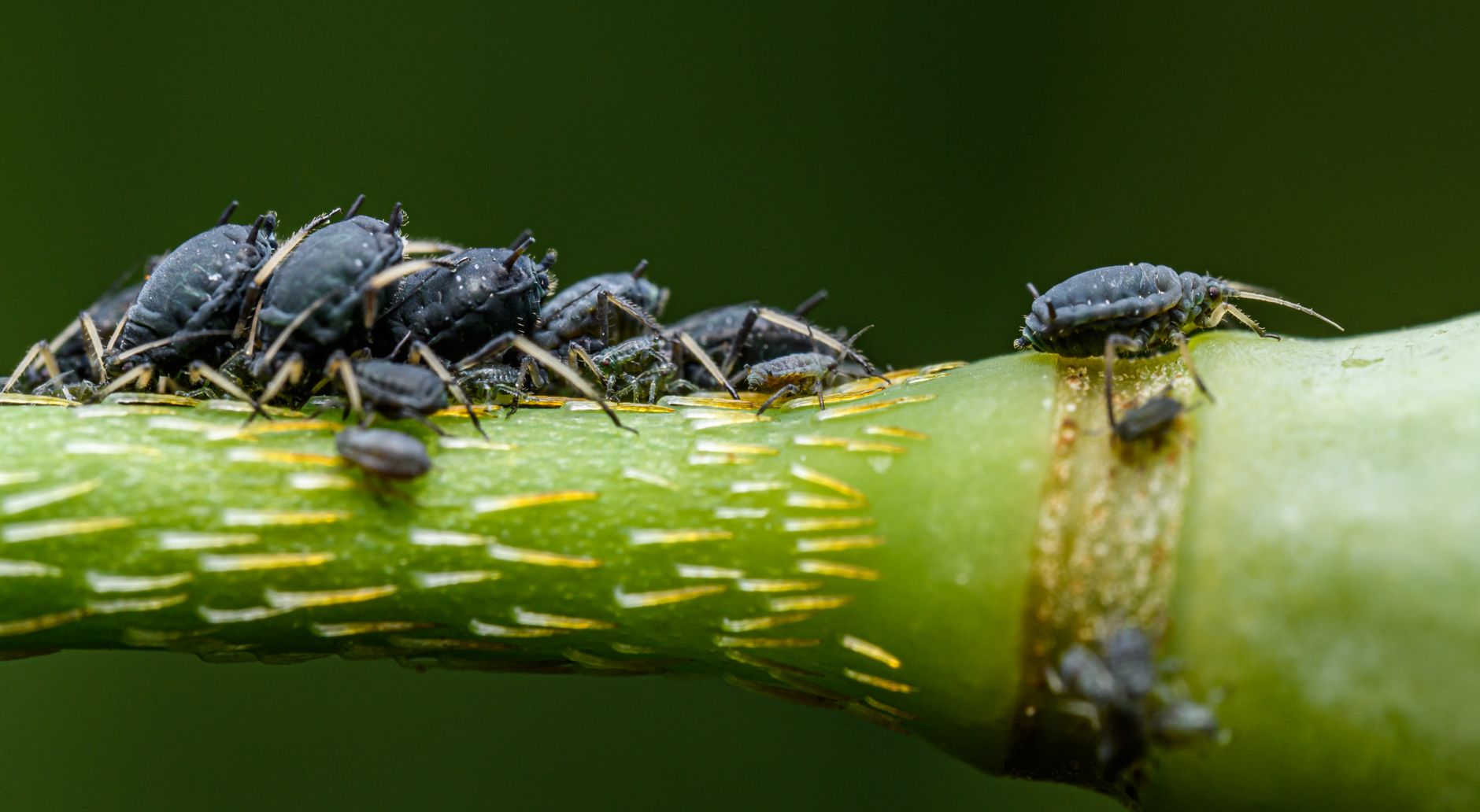 t grows on it. You may also see ants farming aphids for the honeydew.
Identifying Thrips
Thrips are even smaller, about 1/25 to 1/16 inch, and are slender, cigar-shaped insects. They range in color from pale yellow to dark brown. They are fast-moving and often jump when disturbed. They feed by rasping plant cells and sucking out the contents, leaving silvery or bronze streaks, stippling, and black fecal specks on leaves. Flowers may be deformed, and buds may fail to open. Thrips are also vectors for tomato spotted wilt virus.
Damage Comparison
| Pest | Damage Type | Visible Signs | Affected Plants |
|---|---|---|---|
| Aphids | Sucking sap | Curled, yellowed leaves; sticky honeydew; sooty mold; distorted new growth | Most vegetables, ornamentals, fruit trees |
| Thrips | Rasping and sucking | Silvery streaks, stippling, black specks; deformed flowers; buds that won’t open | Onions, tomatoes, peppers, roses, gladiolus |
Life Cycles and Reproduction
Aphids reproduce rapidly. In warm weather, females give birth to live young without mating, so populations can explode in days. They have multiple generations per season. Thrips also reproduce quickly, with females inserting eggs into plant tissue. They have several generations per year, and adults can overwinter in plant debris or soil.
Control Methods That Work
Cultural Controls
- Inspect regularly: Check undersides of leaves and new growth weekly. Early detection is key.
- Use reflective mulch: Aluminum-coated plastic mulch can repel thrips and aphids from vegetable beds.
- Remove weeds: Weeds like chickweed and pigweed harbor both pests. Keep garden edges clean.
- Prune infested parts: Cut off heavily infested leaves or stems and dispose of them in the trash, not compost.
- Encourage beneficial insects: Ladybugs, lacewings, and parasitic wasps feed on aphids. Minute pirate bugs and predatory mites attack thrips. Plant dill, fennel, and yarrow to attract them.
Physical Controls
- Water spray: A strong jet of water knocks aphids off plants. Repeat every few days. For thrips, it is less effective but can reduce numbers.
- Sticky traps: Blue sticky traps are more attractive to thrips; yellow traps catch aphids. Place them near affected plants, about 6 inches above the canopy.
- Row covers: Use floating row covers on young plants to exclude both pests, but remove them when plants need pollination.
Chemical Controls (Use as a Last Resort)
- Insecticidal soap: Effective on aphids if sprayed directly. For thrips, it works only on contact. Use a commercial product like Safer Brand Insecticidal Soap, about $8-$12 per 32 oz spray bottle.
- Neem oil: Works as a repellent and growth regulator. Apply in the evening to avoid leaf burn. A 16 oz concentrate costs around $15-$20 and makes several gallons.
- Spinosad: A biological insecticide that is effective on thrips. Products like Monterey Garden Insect Spray cost about $15-$25 per 16 oz. Follow label directions.
- Systemic insecticides: For severe infestations, products containing imidacloprid can be used on ornamentals, but avoid on edible crops where possible.
Prevention Strategies for 2026
- Plant resistant varieties: For thrips, choose onion varieties like ‘Red Creole’ or ‘Texas Early Grano’. For aphids, some lettuce varieties like ‘Red Sails’ show tolerance.
- Companion planting: Garlic and chives repel aphids. Marigolds may deter thrips, though research is mixed.
- Maintain plant health: Healthy plants tolerate pest damage better. Water consistently, fertilize appropriately, and avoid excess nitrogen, which attracts aphids.
- Clean up in fall: Remove plant debris and till soil lightly to expose overwintering thrips and aphid eggs.
Monitoring and Decision Making
Check plants twice a week during peak growing season. For aphids, action is needed when you see clusters on new growth or when honeydew is present. For thrips, treat if you see 5 or more thrips per flower or if damage appears on 10% of leaves. Use a hand lens to confirm identification.
FAQ
Q: Can aphids and thrips be controlled with the same spray? A: Yes, insecticidal soap and neem oil work on both, but they must contact the insects directly. Spinosad is more effective on thrips. Always test on a small area first.
Q: How do I know if I have thrips or aphids? A: Look for the insects themselves. Aphids are pear-shaped and cluster; thrips are slender and move quickly. Damage differs: aphids cause sticky leaves, thrips cause silvery streaks.
Q: Will ladybugs eat thrips? A: Ladybugs primarily eat aphids. For thrips, release minute pirate bugs or predatory mites instead. You can buy them online from suppliers like Arbico Organics.
Q: Can I use homemade garlic spray? A: Yes, a garlic spray can repel both pests, but it is not as effective as commercial products. Blend 2 cloves of garlic with 1 cup water, strain, and add a teaspoon of dish soap. Spray weekly.
The Bottom Line
Aphids and thrips are common but manageable. Identify them correctly by appearance and damage, then use cultural and physical controls first. Save chemical sprays for severe infestations. Regular monitoring and encouraging beneficial insects will keep both pests at bay. With these steps, you can protect your garden without resorting to harsh chemicals.
Remember, the best control is prevention: healthy plants, clean garden beds, and early action. You’ve got this.