Aphids vs scale
Learn to tell aphids and scale apart, and get effective control methods for each, with realistic 2026 costs and steps.
Aphids and scale are both sap-sucking pests, but they look different, behave differently, and need different controls. Aphids are soft-bodied, pear-shaped insects that cluster on new growth, while scale are immobile bumps on stems and leaves, often with a waxy covering. This guide will help you identify which one you have and give you practical, proven methods to get rid of them, with realistic prices and timing for 2026.
How to tell them apart
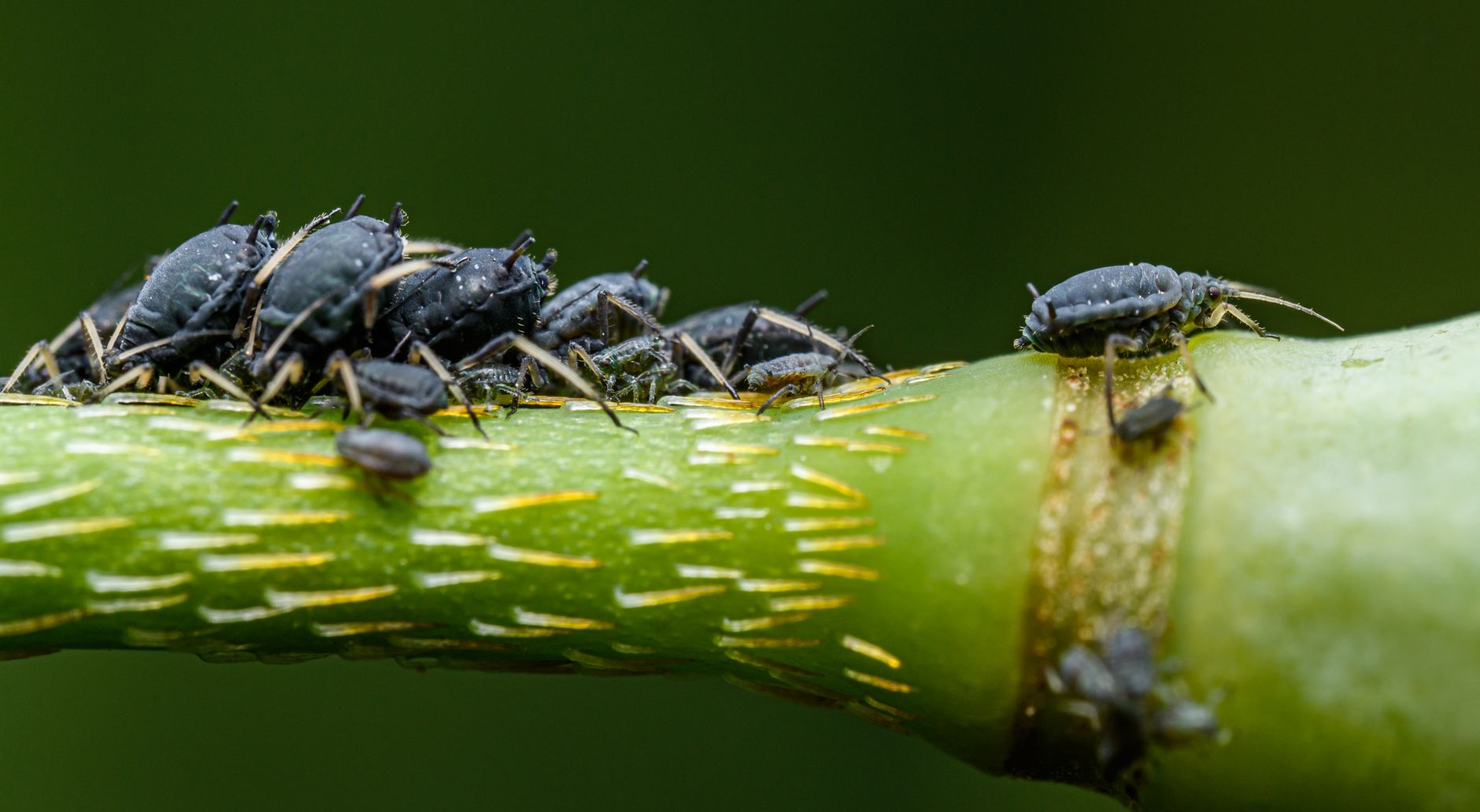
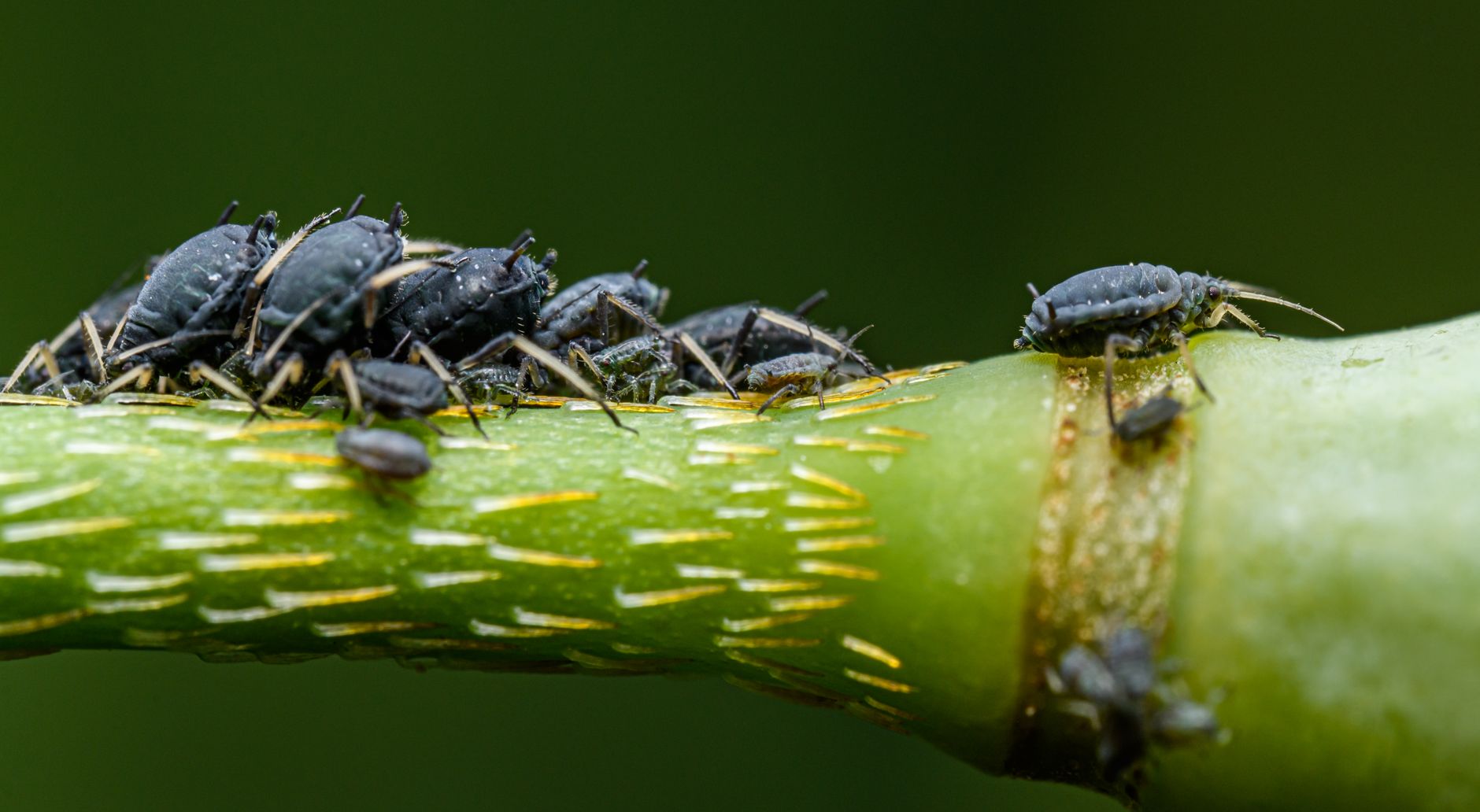
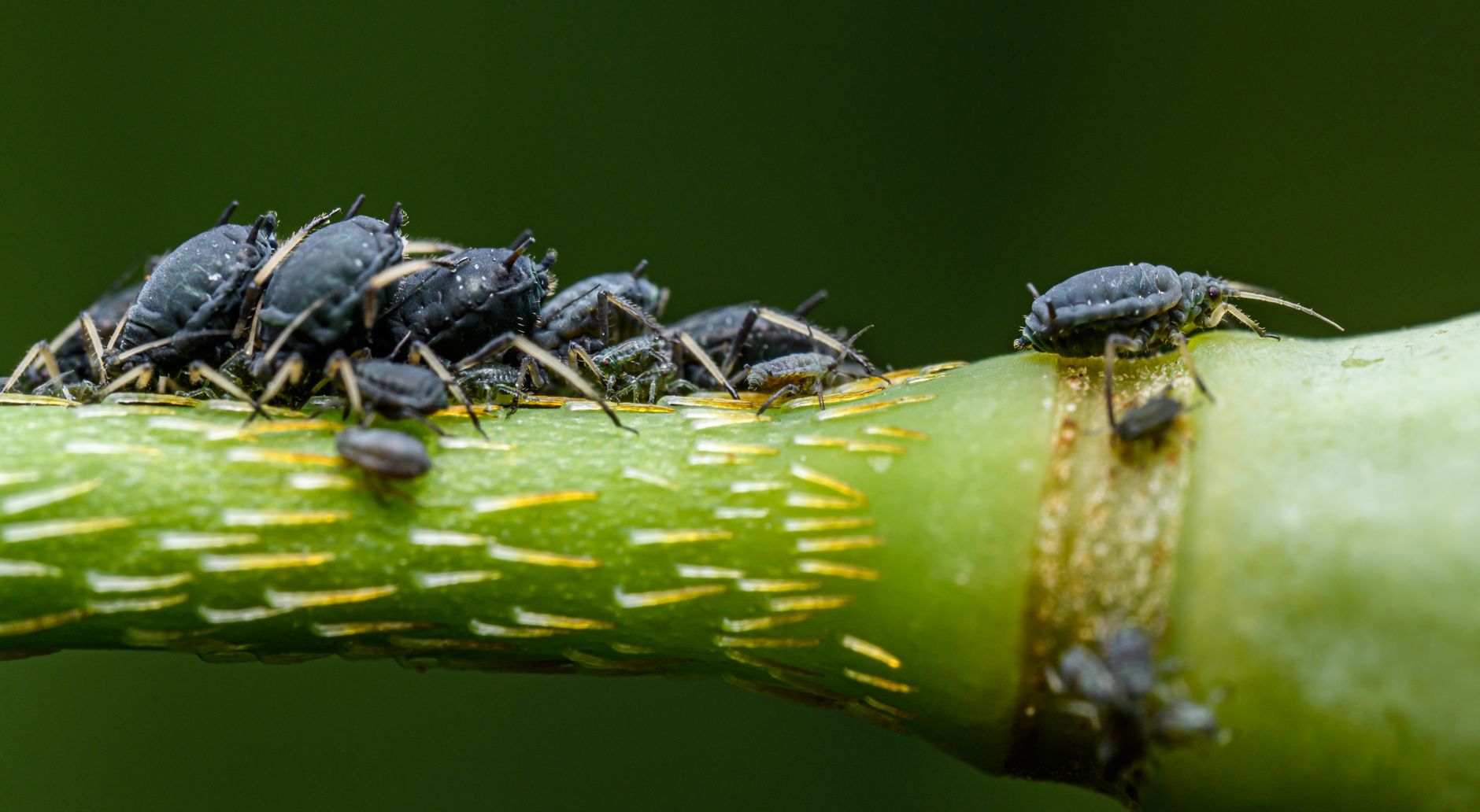
Aphids are usually green, yellow, black, or pink, about 1/16 to 1/8 inch long, with long antennae and two tail pipes (cornicles). They move slowly but can walk, and they often cluster in groups on tender shoots, buds, and undersides of leaves. They also produce honeydew, a sticky substance that attracts ants and leads to sooty mold.
Scale are tiny, oval, and flat or dome-shaped, ranging from 1/16 to 1/4 inch. They look like small brown, gray, or white bumps attached firmly to stems, leaves, or fruit. They do not move as adults; they insert their mouthparts and stay put. Some scale, like soft scale, also excrete honeydew, but armored scale do not.
A quick test: gently rub a bump with your fingernail. If it comes off easily and is soft, it might be an aphid. If it is hard and leaves a stain, it is scale. Also, check for ants: ants fa
 rm aphids and soft scale for honeydew, so their presence is a clue.
Why they damage plants
Both pests weaken plants by sucking sap, which can cause yellowing, wilting, stunted growth, and distorted leaves. Heavy infestations can reduce yields and, in severe cases, kill young plants. Honeydew from aphids and soft scale can also lead to sooty mold, which blocks sunlight and reduces photosynthesis.
Control methods that work
For aphids
Aphids are easier to control because they are exposed and reproduce quickly, but they also have many natural enemies.
- Blast with water: Use a strong jet from a hose to knock aphids off plants. Do this in the morning so leaves dry quickly. Repeat every few days for a week. This works best on small infestations.
- Insecticidal soap: Spray a ready-to-use insecticidal soap (like Safer Brand, about $8 for 32 oz) directly on aphids, covering all surfaces. Reapply every 5-7 days as needed. Test on a small area first. Avoid spraying in full sun or above 85°F to prevent leaf burn.
- Neem oil: For a more organic option, neem oil (like Bonide, $12 for 16 oz) works by disrupting aphid feeding and growth. Mix according to label and spray thoroughly. Apply in the evening or early morning. Reapply weekly.
- Encourage beneficial insects: Ladybugs, lacewings, and parasitic wasps are natural aphid predators. Plant dill, fennel, yarrow, and alyssum to attract them. You can also buy ladybugs (about $10 for 1,500) but release them at dusk near infested plants.
- Use reflective mulch: Aluminum foil or reflective plastic mulch can repel aphids from vegetable beds. Lay it around plants before aphids appear.
For scale
Scale are tougher because their waxy covering protects them from contact sprays. You need to target the crawler stage (when they are mobile) and use systemic options.
- Prune infested branches: For light infestations, prune out heavily infested stems and dispose of them in the trash, not compost. This removes a large portion of the scale.
- Scrub with a brush: For small trees or shrubs, use a soft brush and soapy water to scrub scale off bark and stems. This is labor-intensive but effective for small areas.
- Horticultural oil: Apply dormant oil in late winter or early spring before bud break to smother overwintering scale. For growing season, use a lighter horticultural oil (like Bonide All Seasons, $15 for 32 oz) on crawlers. Timing is critical: spray when crawlers are active, usually 2-4 weeks after bud break in your area. Check with your local extension for exact timing.
- Systemic insecticides: For persistent infestations, use a systemic insecticide like imidacloprid (e.g., Bayer Advanced Tree & Shrub, $20 for 32 oz). Apply as a soil drench around the base of the plant in early spring. This is taken up by the roots and kills scale as they feed. Note: this also affects pollinators, so avoid on flowering plants and follow label precautions.
- Beneficial insects: Some parasitic wasps and ladybugs prey on scale. You can purchase specific predators like Aphytis melinus for certain scale species, but they are more specialized and costlier (about $30 for 500). They work best in greenhouses or on fruit trees.
Prevention and monitoring
- Inspect new plants before bringing them home. Look under leaves and along stems for bumps or clusters.
- Keep plants healthy: stressed plants are more susceptible. Water and fertilize properly.
- Avoid excessive nitrogen fertilizer, which promotes soft, succulent growth that aphids love.
- Use yellow sticky traps (about $10 for a pack of 10) to monitor for aphids and scale crawlers.
- Check your plants weekly during the growing season, especially in spring and early summer.
When to call in reinforcements
If you have a large tree or a severe infestation that you cannot manage with the methods above, consider contacting a certified arborist or your local cooperative extension. They can identify the exact species and recommend targeted treatments. Professional treatment for a large tree can range from $150 to $400, depending on the size and product used.
FAQ
Can I use the same spray for both aphids and scale?
Insecticidal soap and neem oil can work on both, but scale are much harder to kill because of their protective covering. You may need to combine methods: use soap for aphids, and for scale, focus on oil sprays during the crawler stage or use a systemic.
Will aphids or scale kill my plants?
Aphids rarely kill established plants, but they can stunt growth and spread viruses. Scale can kill branches or entire plants if left unchecked, especially on young trees or shrubs. Early intervention is key.
How do I get rid of ants that protect aphids?
Ants feed on honeydew and will defend aphids from predators. Use sticky barriers like Tanglefoot (about $10) around tree trunks, or bait ant colonies with a product like Terro (about $8). Eliminating ants makes aphids more vulnerable to natural enemies.
Are there any homemade remedies that work?
A simple spray of 1 teaspoon of mild dish soap per quart of water can work on aphids, but test on a leaf first. For scale, a homemade oil spray (1 cup vegetable oil mixed with 1 tablespoon dish soap, then dilute 1 tablespoon per quart of water) can help, but it is less effective than commercial horticultural oils.
Related guides
The bottom line
Aphids and scale are both common garden pests, but they require different strategies. Aphids are easier to control with water, soap, and beneficial insects. Scale need a more targeted approach: prune, scrub, and use horticultural oils or systemics at the right time. Regular monitoring and early action are your best defenses. Start with the least toxic method and escalate only if needed. With patience and consistent effort, you can keep both pests in check and protect your plants.
Remember: always read and follow label instructions on any pesticide, and consider the impact on beneficial insects and the environment. If you are unsure about identification, take a sample to your local extension office. They can help you choose the most effective and least harmful option for your situation.