Aphids vs spider mites
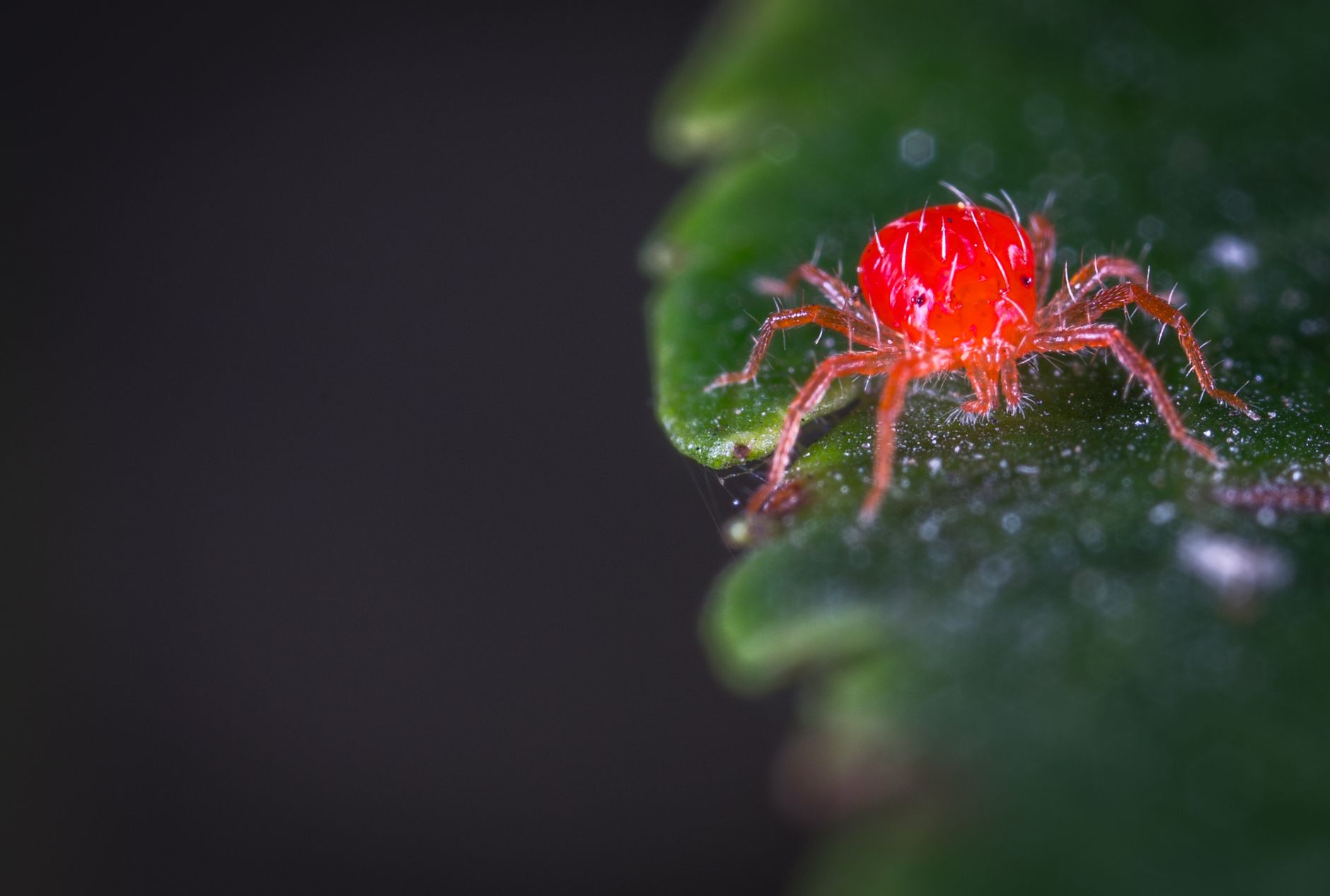
Learn to tell aphids and spider mites apart, and get specific controls for each pest. Direct identification and treatment for gardeners.
Aphids and spider mites are two of the most common garden pests, but they require different treatments. The quickest way to tell them apart: aphids are soft-bodied insects that cluster on new growth and excrete sticky honeydew; spider mites are tiny arachnids that leave fine webbing and cause stippled, yellowing leaves. This guide covers identification, damage, and specific controls for each, so you can act fast and save your plants.
How to tell them apart
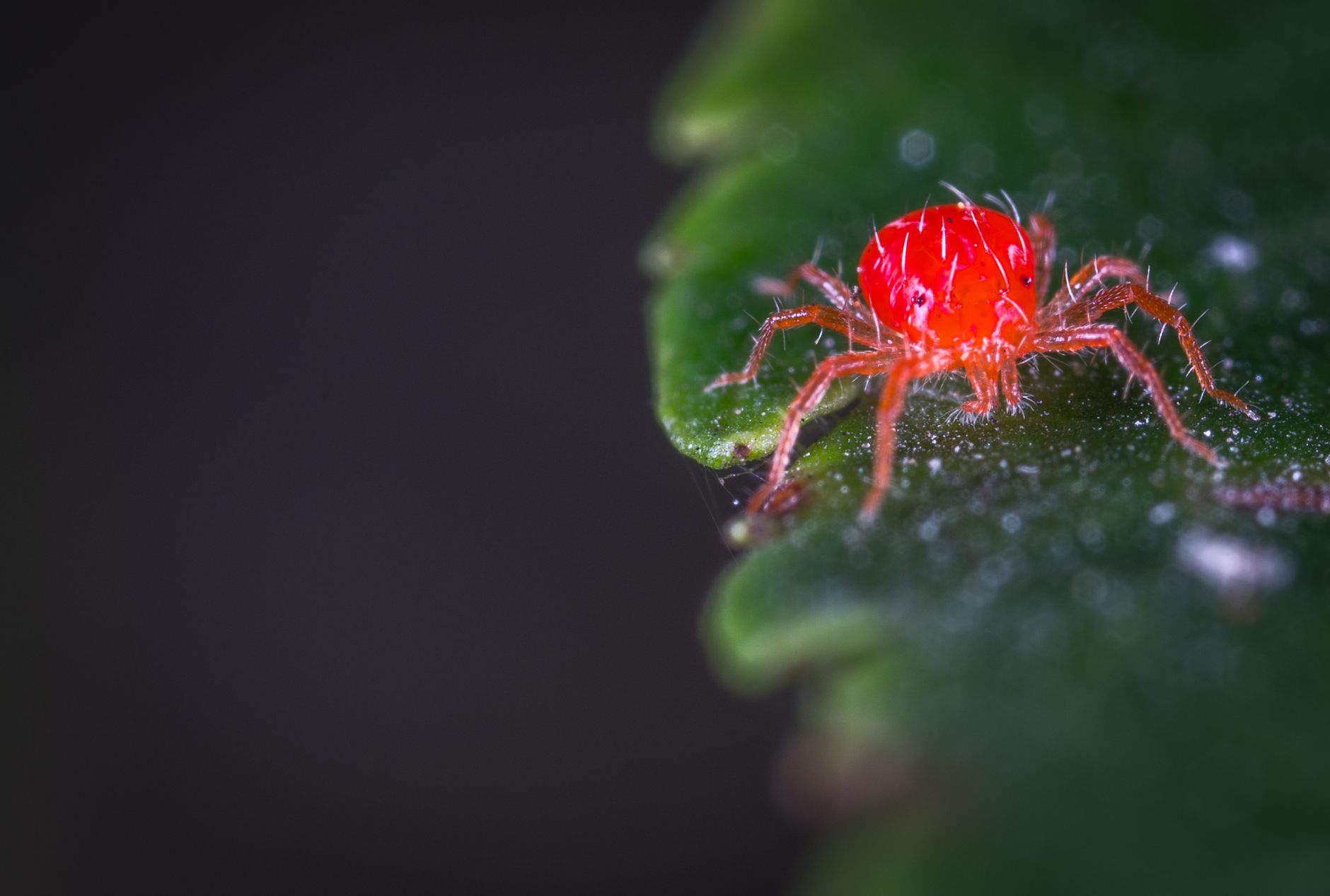
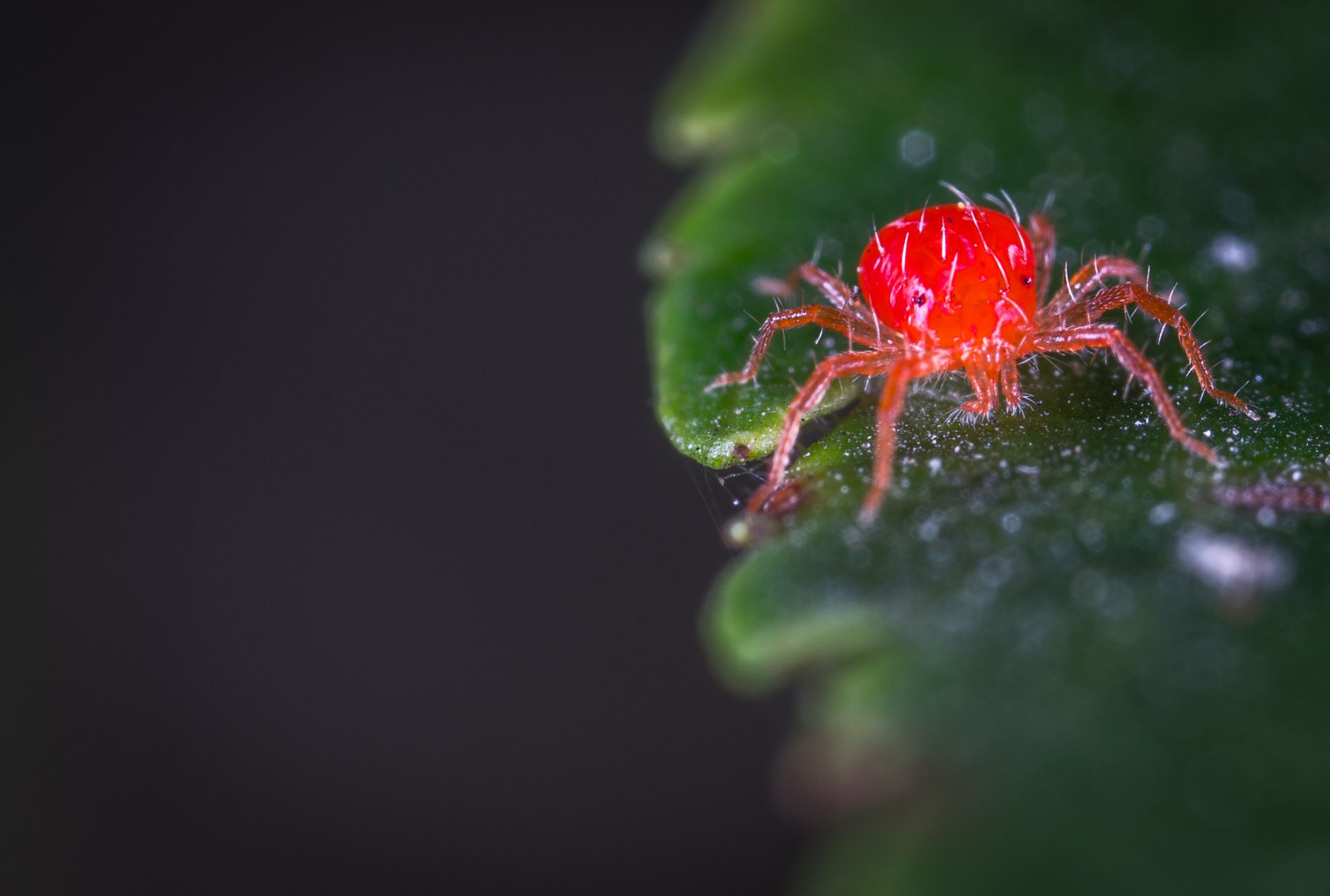
Aphids are visible to the naked eye, about 1/16 to 1/8 inch long, and come in green, black, brown, or pink. They cluster on stems, buds, and undersides of leaves. Spider mites are nearly microscopic (about 1/50 inch), so you may need a 10x hand lens to see them. They are usually red, yellow, or green and move slowly. The most obvious sign of spider mites is fine, silky webbing on the undersides of leaves and between stems. Aphids do not make webbing.
| Feature | Aphids | Spider mites |
|---|---|---|
| Type | Insect | Arachnid |
| Size | 1/16-1/8 in | 1/50 in |
| Visible to naked eye | Yes | Barely |
| Damage | Curled leaves, sticky honeydew, sooty mold | Stippling, yellowing, webbing |
| Location | New growth, buds, leaf undersides | |
 |
||
| Leaf undersides, webbing | ||
| Reproduction | Live birth, fast | Eggs on webbing |
Damage and plant symptoms
Aphids suck sap from tender new growth, causing leaves to curl, yellow, or distort. They excrete honeydew, which attracts ants and grows sooty mold. Spider mites also suck sap, but they prefer older leaves and cause a characteristic stippling: tiny pale dots on the leaf surface. Heavy infestations cause leaves to bronze or drop. Spider mite damage often appears first on the lower parts of plants, then spreads upward.
How to control aphids
Aphids are easier to control because they are larger and more exposed. Start with a strong blast of water from a hose to knock them off. Repeat every few days. For persistent infestations, use insecticidal soap (like Safer Brand, about $8 for a 32-oz spray bottle) or neem oil (like Bonide, about $12 for 16 oz). Spray thoroughly, especially on leaf undersides, every 5-7 days. For severe cases, introduce beneficial insects like lady beetles (about $10 for 1,500 live adults) or lacewing larvae. Avoid broad-spectrum insecticides that kill these predators.
How to control spider mites
Spider mites are harder because they reproduce quickly and build resistance. First, prune out heavily infested leaves and dispose of them in the trash, not compost. Then, spray with a miticide specifically labeled for spider mites, such as abamectin (e.g., Avid, about $40 for 8 oz) or bifenazate (e.g., Floramite, about $50 for 8 oz). These are more effective than general insecticides. For organic options, use a sulfur-based fungicide (about $15 for 1 lb) or horticultural oil (about $10 for 16 oz), but do not use sulfur within 30 days of oil application. Increase humidity around plants by misting, as spider mites thrive in dry conditions.
Prevention strategies
Prevent both pests by keeping plants healthy and stress-free. Water consistently, avoid over-fertilizing with nitrogen (which attracts aphids), and encourage beneficial insects by planting dill, yarrow, or alyssum. For spider mites, avoid dusty conditions by mulching and watering early in the day. Inspect new plants before bringing them home. In greenhouses or indoors, use sticky traps (about $8 for 10) to monitor for aphids, and check for webbing weekly.
When to use chemical controls
Chemical controls are a last resort. For aphids, if soap and oil fail after two weeks, consider a systemic insecticide like imidacloprid (e.g., Bonide Systemic, about $15 for 16 oz), but do not use on flowering plants because it harms bees. For spider mites, if miticides fail, rotate between different active ingredients to prevent resistance. Always follow label instructions and wear gloves and a mask.
FAQ
Can I use the same spray for both? Insecticidal soap and neem oil work on both, but spider mites may need a dedicated miticide for severe infestations. For aphids, soap is usually enough.
How do I know if I have spider mites if I can’t see them? Hold a white piece of paper under a leaf and tap it. If you see tiny moving specks, those are spider mites. Also look for webbing.
Will ladybugs eat spider mites? Ladybugs prefer aphids. For spider mites, use predatory mites like Phytoseiulus persimilis (about $20 for 500) or lacewing larvae.
How often should I spray? For both, spray every 5-7 days for at least three applications to break the life cycle. Spider mites may need more frequent applications if temperatures are above 85°F.
Related guides
The bottom line
Aphids and spider mites are different pests with different treatments. Identify correctly by looking for webbing (spider mites) vs. sticky honeydew (aphids). Start with water blasts and insecticidal soap for aphids; for spider mites, prune and use a miticide. Prevention through healthy plants and beneficial insects is your best long-term strategy. Act quickly, because both pests reproduce fast, but with the right approach, you can keep your garden thriving.