Best ducks for beginners
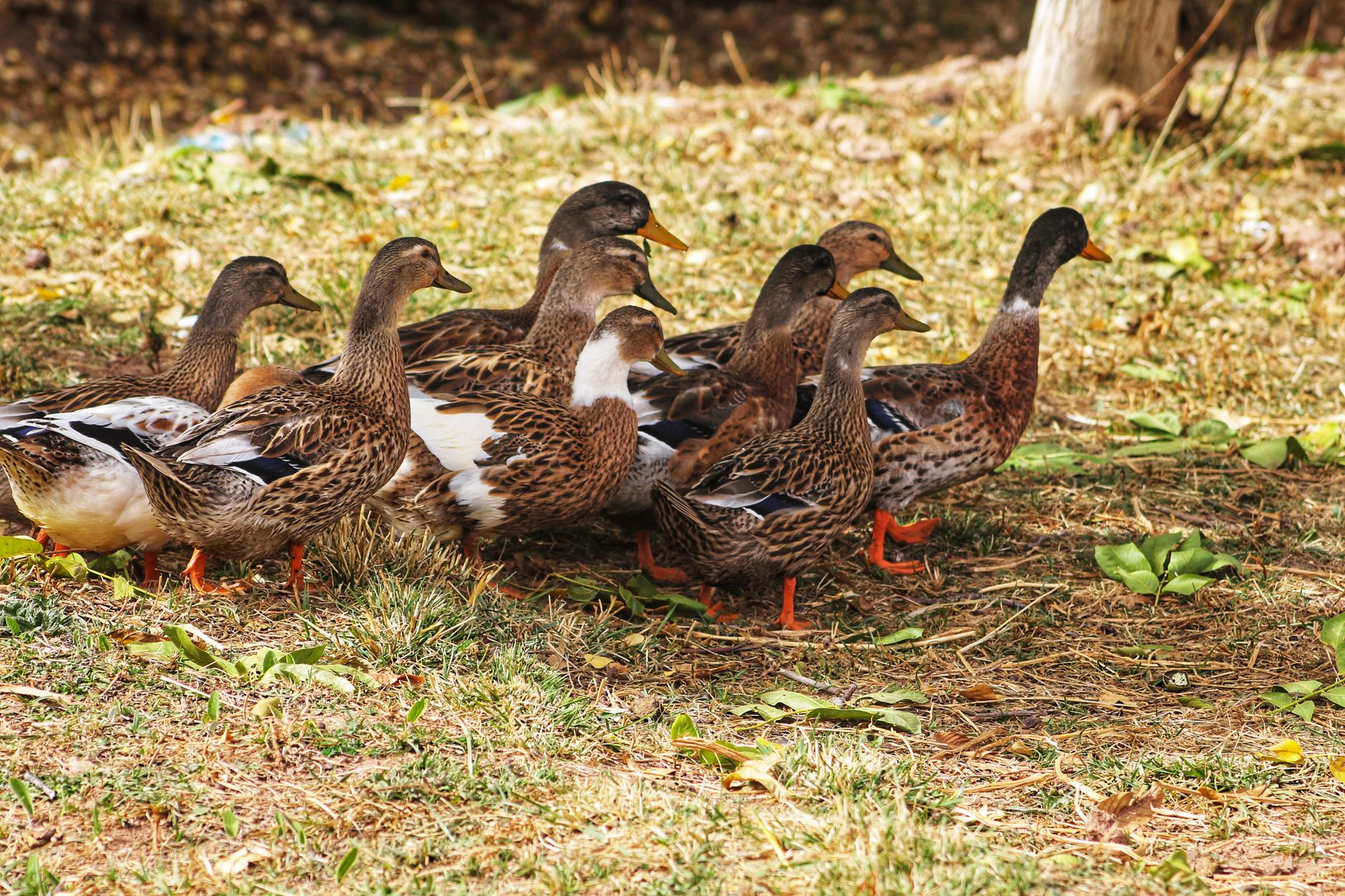
Discover the best duck breeds for beginners, with practical tips on care, housing, and feeding. Choose the right ducks for your homestead.
If you’re new to ducks, start with breeds that are hardy, calm, and good layers. The best ducks for beginners are Pekins, Khaki Campbells, and Rouens. These breeds tolerate a range of climates, forage well, and have docile temperaments, making them ideal for first-time duck owners.
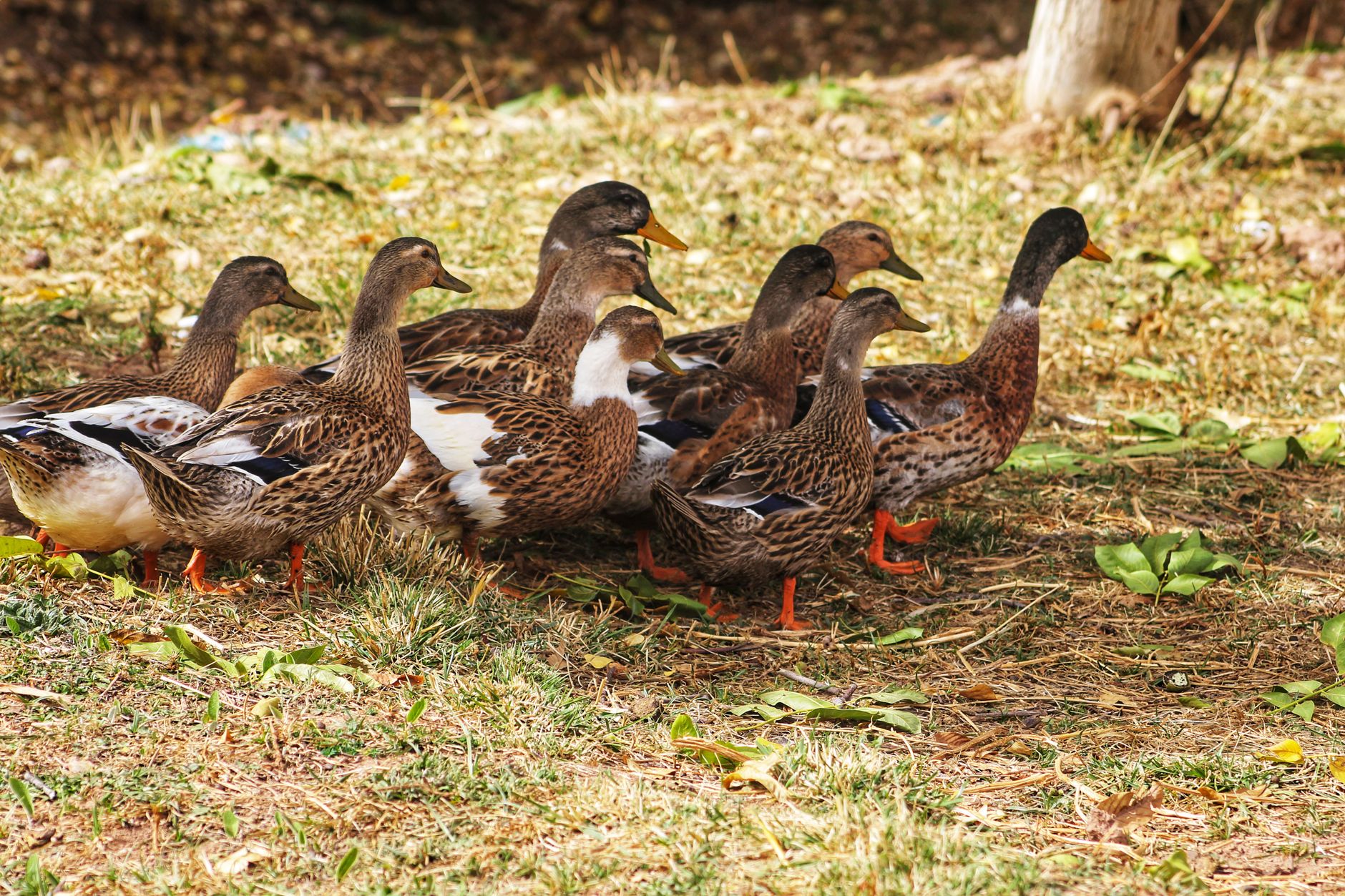
Why ducks are a great choice for homesteaders
Ducks are more cold-hardy than chickens, lay eggs consistently through winter, and provide excellent pest control in gardens. They are also quieter and less destructive to landscaping than chickens. For a
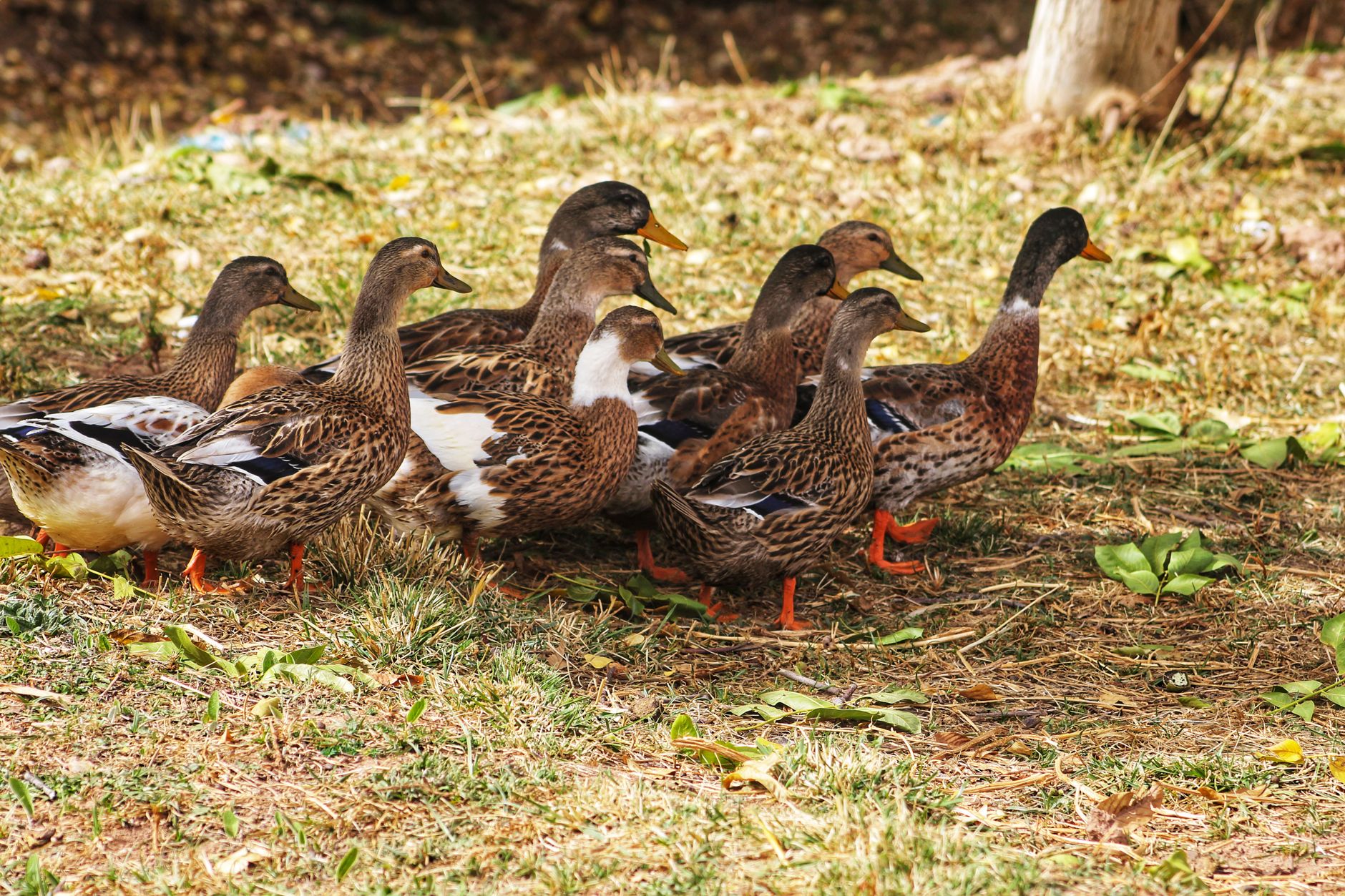 small homestead, ducks are a low-maintenance addition that offers both eggs and meat.
Top duck breeds for beginners
Here are the top three breeds that are forgiving for new keepers, with realistic expectations for egg production and temperament.
Pekin ducks
Pekins are the classic white duck, known for rapid growth and calm behavior. They are excellent meat birds, reaching butcher weight in 7 to 8 weeks. They lay 150 to 200 large white eggs per year. Pekins are not broody, so they won’t hatch their own eggs, but they are easy to handle and adapt well to confinement or free-ranging.
Khaki Campbell ducks
If you want eggs, Khaki Campbells are the top layer, producing 250 to 340 eggs annually. They are active foragers and do well on pasture. They are lighter than Pekins, so they fly better, but they are still manageable. Khaki Campbells are less broody than some other breeds, but they are hardy and efficient.
Rouen ducks
Rouens are a heavier breed, similar in appearance to Mallards, and are excellent for meat and egg production. They lay 100 to 150 eggs per year and are calm and easy to raise. They are slower to mature than Pekins, taking 10 to 12 weeks to reach butcher weight, but they are excellent foragers and do well in a free-range system.
What to consider before getting ducks
Before you bring ducks home, plan for their housing, water, and feed needs. Ducks need a secure coop or pen to protect them from predators, and they need access to water for swimming and preening. A kiddie pool or a shallow trough works, but ensure they can easily get in and out.
Housing and space requirements
Ducks need at least 4 to 5 square feet per bird inside the coop, and 10 to 15 square feet per bird in an outdoor run. They are messy, so plan for regular cleaning. A simple shed with straw bedding works well. Ensure good ventilation to prevent respiratory issues.
Water and feeding
Ducks need fresh water for drinking and a separate water source for bathing. They consume about 1 liter of water per duck per day. Feed them a balanced duck pellet (20% protein for layers, 22% for meat birds) and supplement with greens and insects from foraging. Grit is essential for digestion.
Setting up your duck flock: a step-by-step guide
Follow these steps to get started with your first duck flock.
- Choose your breed based on your primary goal: eggs, meat, or both. Khaki Campbells for eggs, Pekins for meat, Rouens for a dual-purpose option.
- Order ducklings from a hatchery or local farm store. In 2026, day-old ducklings cost $5 to $10 each, plus shipping if ordered online. Local feed stores often have them in spring.
- Set up a brooder before they arrive. Use a heat lamp or brooder plate to maintain 90°F for the first week, decreasing by 5°F each week. Provide chick starter feed (20% protein) and water with a shallow dish to prevent drowning.
- Move them outside at 4 to 6 weeks old, when they are feathered out. Introduce them to their outdoor pen gradually, allowing them to acclimate to the temperature.
- Provide a swimming area once they are outside. A plastic kiddie pool ($15 to $30) works, but be prepared to change the water frequently to keep it clean.
- Feed and water daily, and check for signs of illness. Ducks are hardy, but watch for lethargy, diarrhea, or difficulty breathing.
Common mistakes to avoid
New duck owners often make these errors: feeding bread (it has no nutritional value), providing water without a ramp (ducklings can drown), and keeping ducks without a friend (they are social and need companionship). Also, don’t use chicken feed as a long-term diet; ducks need niacin, which is higher in duck-specific feed.
FAQ
How many ducks should I start with?
Start with at least 3 ducks, as they are social and thrive in groups. More than 5 is manageable for a small homestead, but consider space and time.
Do ducks need a pond?
No, ducks do not need a pond, but they need water deep enough to submerge their heads to keep their eyes and nostrils clean. A kiddie pool or a shallow tub works fine.
How long do ducks live?
Ducks can live 8 to 12 years, depending on breed and care. Pekins often live 8 to 10 years, while Khaki Campbells may live 8 to 12 years.
Are ducks noisy?
Ducks are generally quieter than chickens. Females make a classic quack, but males have a raspy, quieter call. They are less likely to disturb neighbors.
Related guides
The bottom line
For beginners, choose Pekins for meat, Khaki Campbells for eggs, or Rouens for a dual-purpose breed. Set up a secure coop, provide clean water, and feed a proper duck diet. With minimal investment, you’ll enjoy fresh eggs and pest control in your garden. Start with 3 to 5 ducks and learn as you go.