Best duck breeds for beginners
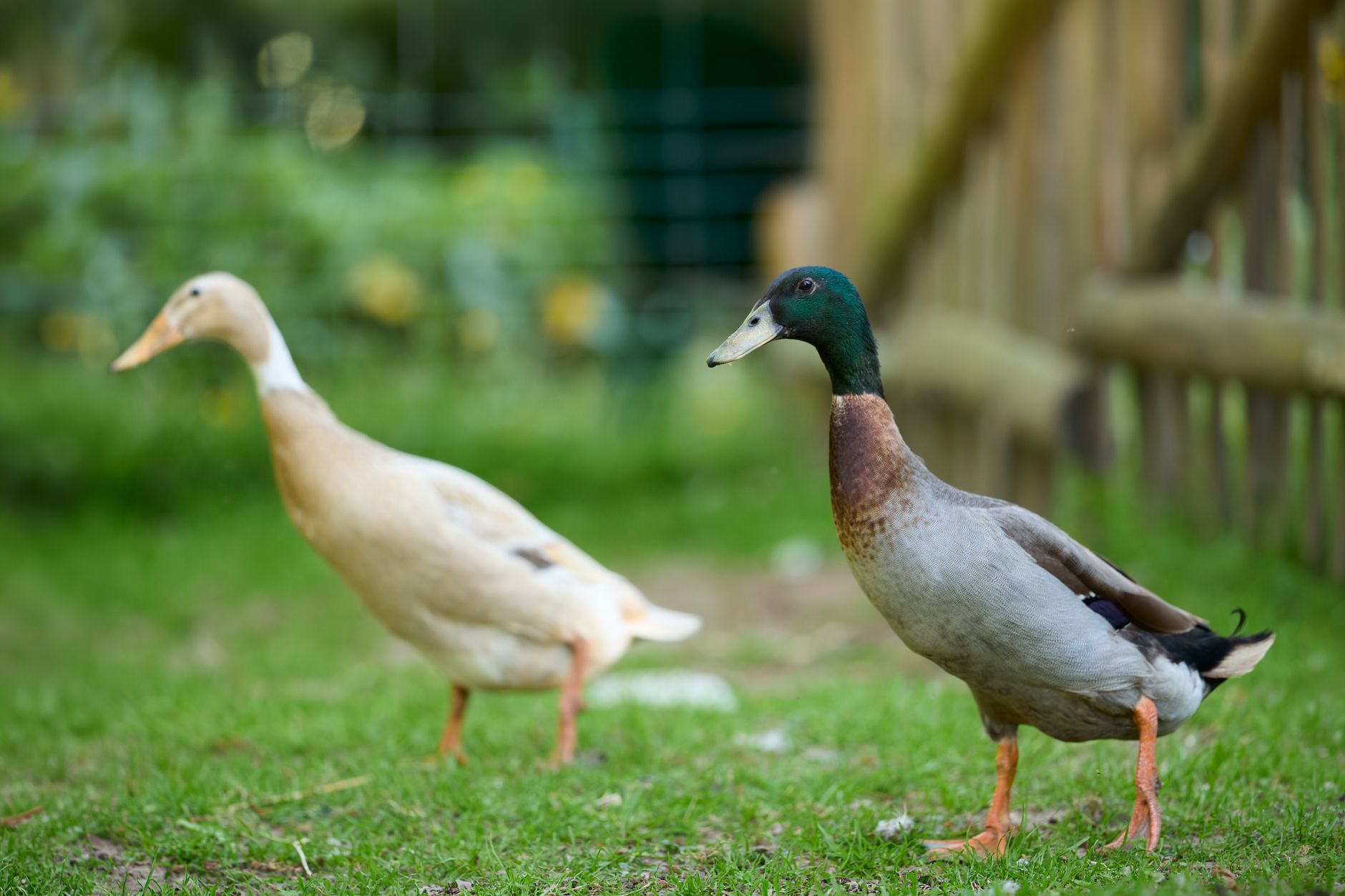
Discover the best duck breeds for beginners: hardy, good layers, and calm. Compare Khaki Campbell, Pekin, and more with real numbers and tips.
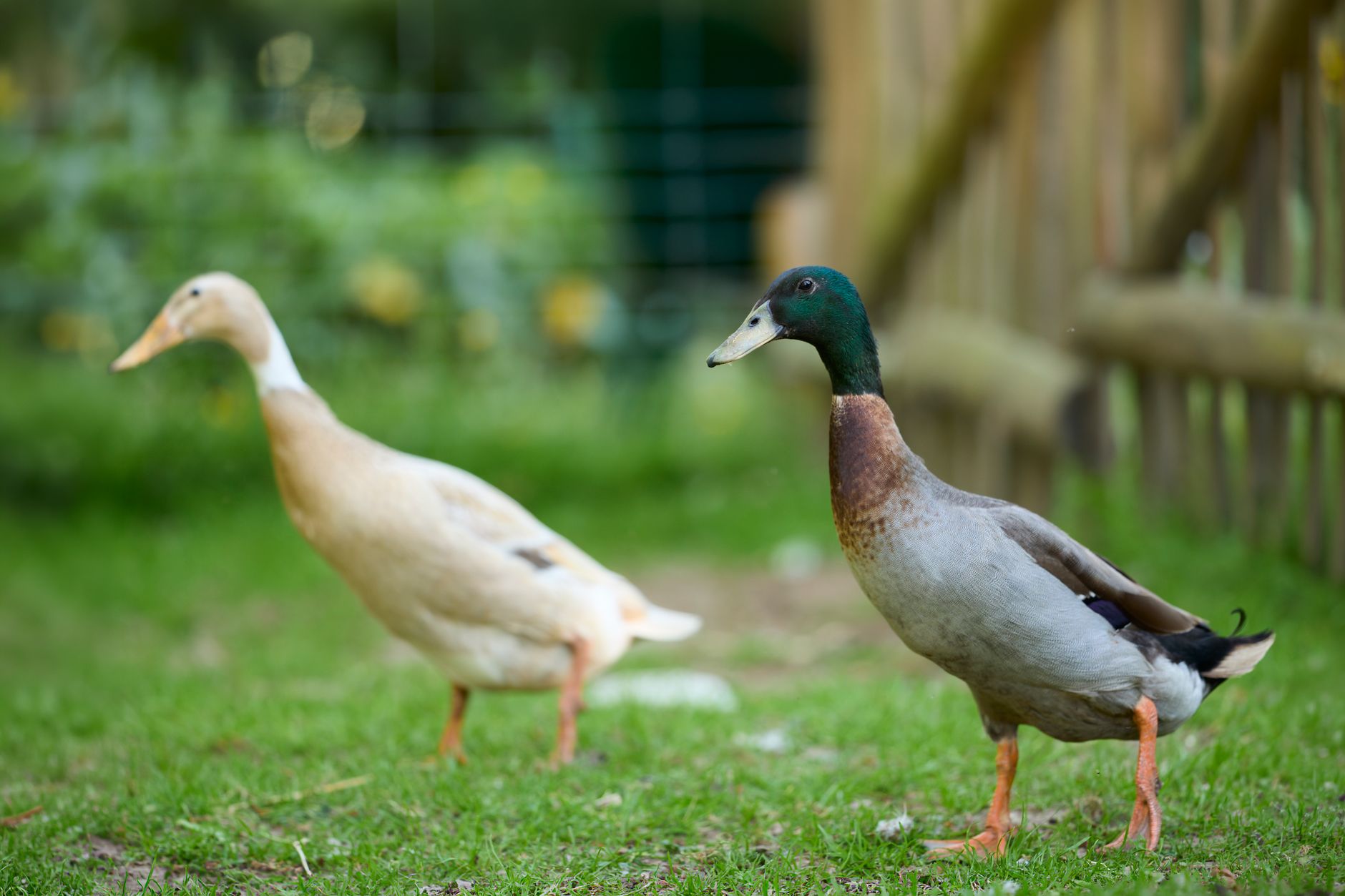
If you’re new to keeping ducks, the best breeds are Khaki Campbell, Pekin, and Welsh Harlequin. These three are hardy, good layers, and calm enough for a backyard or small homestead. Khaki Campbells lay up to 300 eggs a year, Pekins are the classic meat bird, and Welsh Harlequins are a smaller, friendly layer. Start with 3 to 5 ducks, and you’ll have eggs and entertainment without the fuss of more demanding breeds.
Why these breeds stand out
Khaki Campbell: The egg machine. A single hen can lay 280 to 320 eggs per year, which is more than most chickens. They are active foragers, so they’ll eat bugs and weeds in your garden, but they need a secure pen because they roam. They are not broody, so you won’t get ducklings from them unless you use an incubator.
Pekin: The meat bird and the classic white duck. They grow fast, reaching 6 to 7 pounds in 8 weeks, and they are calm and quiet. They are not great layers, only 100 to 150 eggs a year, but they are excellent for meat and are the breed most people picture when they think of a duck. They are also very hardy in cold weather.
Welsh Harlequin: A smaller breed, about 4 to 5 pounds, but they lay 200 to 250 eggs a year. They are friendly and calm, making them great for
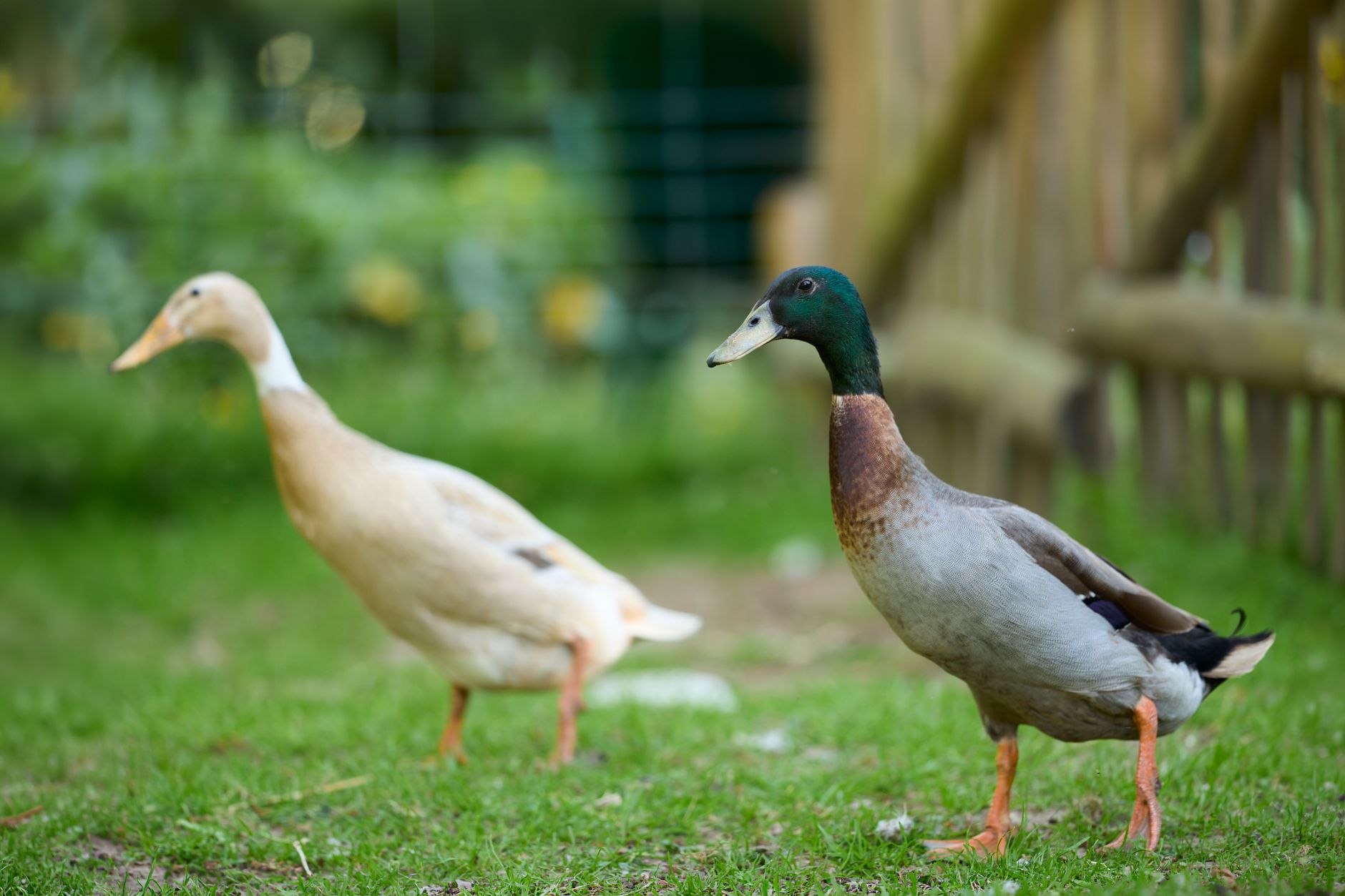 families with kids. They also forage well and are less likely to fly away than some other breeds.
What to look for in a beginner breed
When choosing a breed, look for three things: hardiness, temperament, and purpose. Hardiness means they can handle cold and wet weather without getting sick. Temperament means they are calm and not flighty, so they are easier to handle. Purpose means you know if you want eggs, meat, or both. The breeds above cover all these bases.
Avoid breeds like the Muscovy, which can be aggressive, or the Runner, which is high-strung and needs more space. Also avoid the Rouen, which is heavy and slow to mature, making it less practical for beginners.
How many ducks do you need?
Start with 3 to 5 ducks. Ducks are social, so you need at least two, but three is better because if one dies, you still have a pair. A small flock of 4 to 5 is easy to manage and gives you enough eggs for a family of four. For meat, you might want 10 to 15 Pekins, but that’s a bigger commitment.
Housing and space requirements
Ducks need a secure coop at night to protect them from predators like raccoons, foxes, and owls. The coop should have at least 4 square feet per duck, and the run should have at least 10 square feet per duck. Ducks do not perch like chickens; they sleep on the floor, so provide straw or wood shavings for bedding. They also need a water source for swimming and cleaning their bills, but a kiddie pool or a large tub works fine.
Feeding ducks
Ducks need a balanced diet. Use a commercial waterfowl feed, which is available at farm stores for about $20 to $30 per 50-pound bag. A duck eats about 0.25 to 0.5 pounds of feed per day, so a bag lasts about 100 days for a small flock. Supplement with greens, insects, and kitchen scraps, but avoid bread and processed foods. Always provide fresh water, and change it daily because ducks dirty their water quickly.
Getting started this week
- Order ducklings: Check with hatcheries like Murray McMurray Hatchery or Metzer Farms. Order in early spring so the weather is mild. Ducklings cost $5 to $10 each, plus shipping.
- Set up a brooder: You’ll need a heat lamp, a waterer, and a feeder. The brooder should be at 90°F for the first week, then decrease by 5°F each week. Use pine shavings for bedding.
- Prepare the coop: Clean out a shed or build a simple coop. Make sure it’s predator-proof with hardware cloth, not chicken wire.
- Plan for water: Set up a pool or tub. Ducks need water to keep their eyes and bills clean, and they will splash, so place it on a gravel or paver base.
Common mistakes to avoid
- Using chicken feed: Duck feed has more niacin, which ducks need for leg health. Chicken feed can cause leg problems.
- Not providing water for swimming: Ducks need water to stay healthy, but they don’t need a pond. A kiddie pool is fine.
- Keeping ducks with chickens: Ducks and chickens can coexist, but ducks need more water and can be messier. Keep them separate if possible.
- Overcrowding: Too many ducks in a small space leads to disease and aggression. Follow the space guidelines above.
FAQ
How long do ducks live? Ducks live 8 to 12 years, depending on the breed and care. Pekins may live shorter, around 6 to 8 years, because they are bred for fast growth.
Do ducks need a pond? No, but they need water to dip their heads and clean their eyes. A kiddie pool or a large tub is sufficient. Change the water daily to prevent bacteria.
Can ducks fly away? Most domestic duck breeds are too heavy to fly, but some like the Khaki Campbell can fly short distances. Clip their flight feathers if you’re worried, or keep them in a covered run.
How many eggs will I get? Khaki Campbells lay 280 to 320 eggs a year, Welsh Harlequins lay 200 to 250, and Pekins lay 100 to 150. Expect fewer eggs in winter unless you provide supplemental light.
Related guides
The bottom line
For beginners, Khaki Campbell, Pekin, and Welsh Harlequin are the best choices. They are hardy, calm, and serve clear purposes: eggs, meat, or both. Start with a small flock, set up secure housing, and feed them properly. You’ll have fresh eggs and a rewarding experience in no time.