Best coop for ducks
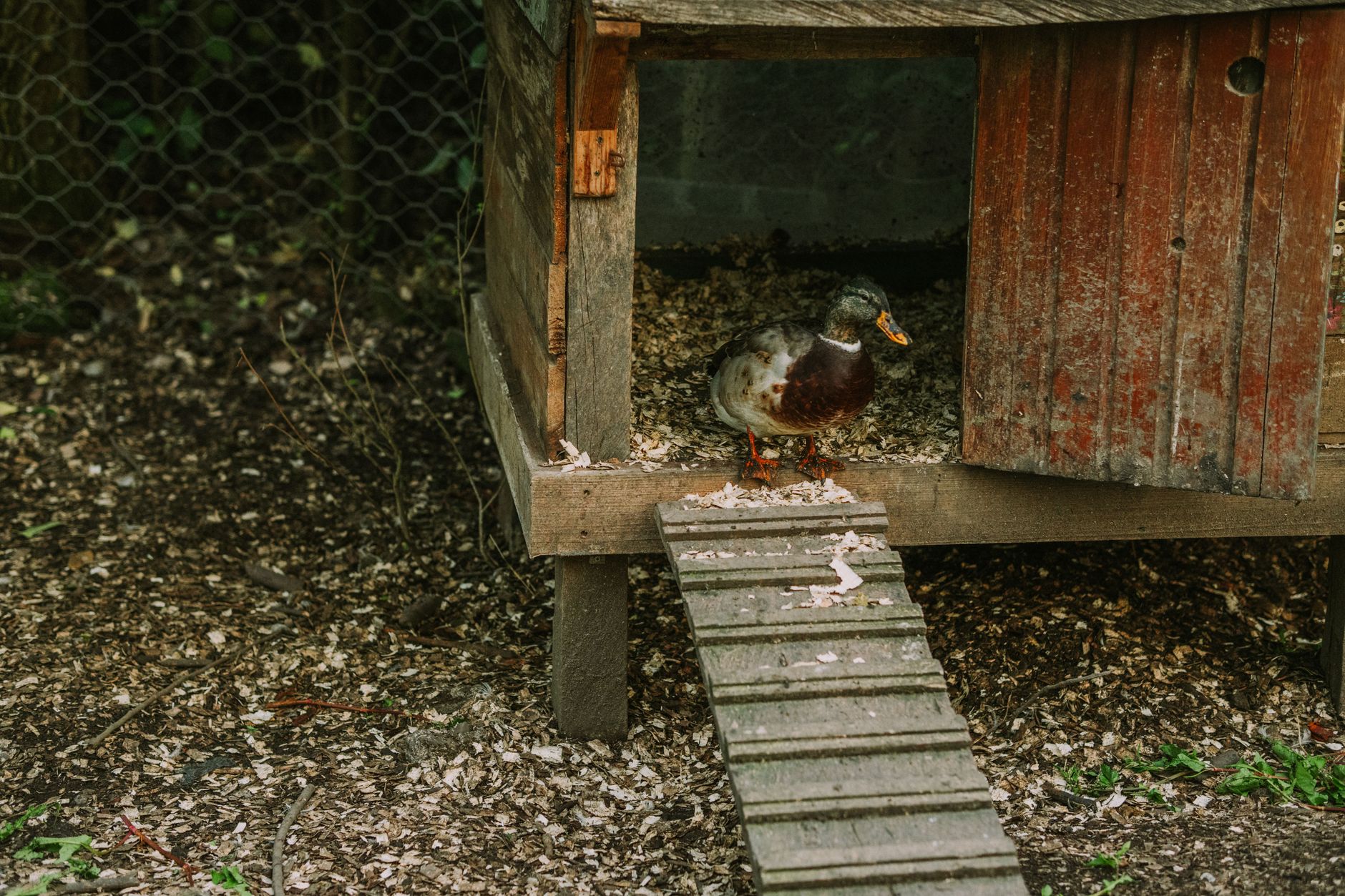
Find the best duck coop for your flock: size, materials, ventilation, predator proofing, and top picks for 2026, with real prices and plans.
The best duck coop is one that gives each duck at least 4 square feet of floor space, has solid ventilation up high, sits off the ground, and locks tight against raccoons and dogs. You do not need a fancy “duck house” from a catalog; a modified garden shed or a well-built A-frame works better and costs less. Here is what to look for and the best options you can buy or build in 2026.
Why ducks are not chickens
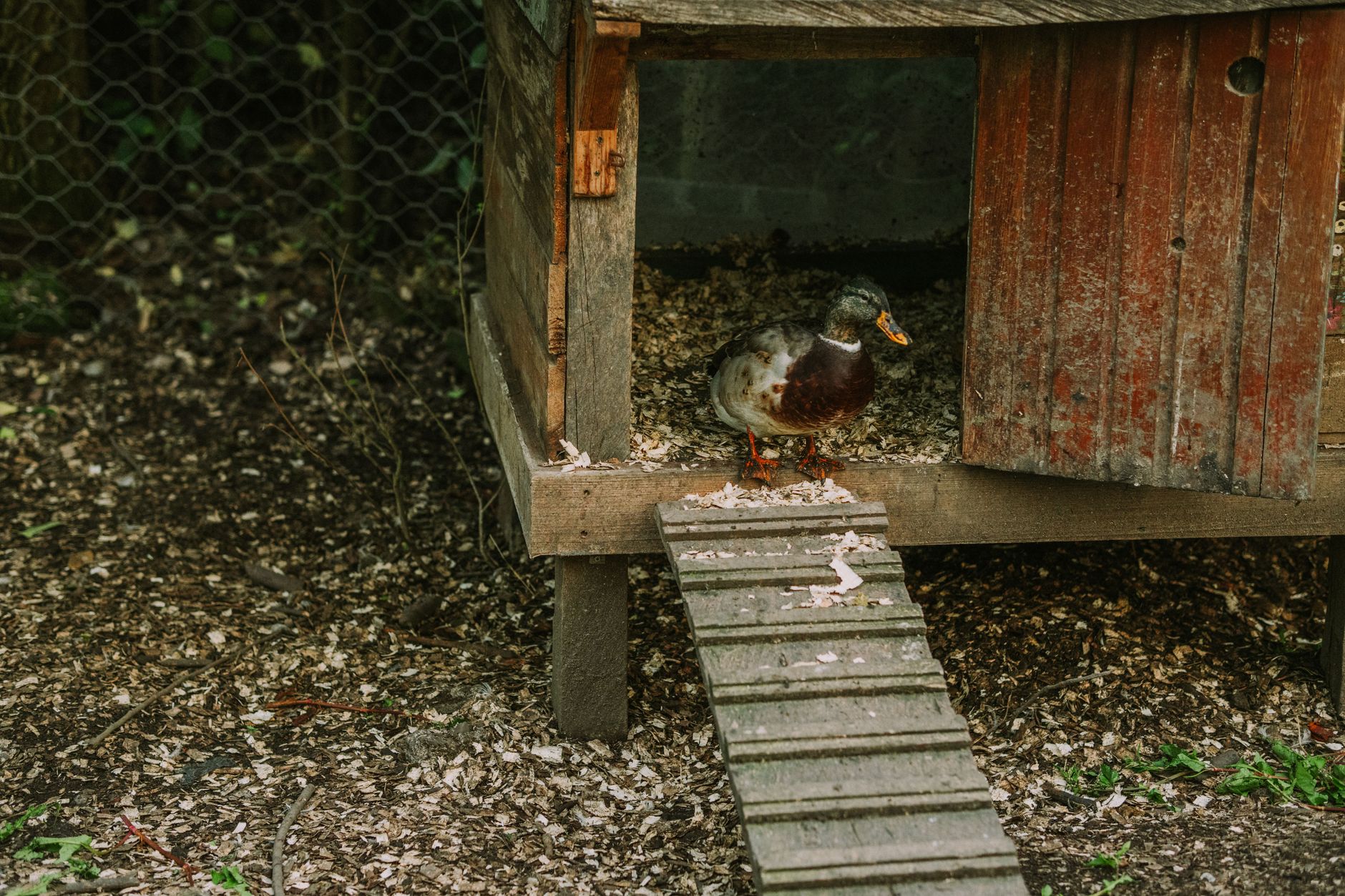
Ducks do not roost like chickens. They sleep on the floor, on straw or shavings. They also produce a lot of moisture from their breath and their droppings, so a coop that works for chickens can be too damp and stuffy for ducks. You need ventilation near the top to let moisture out, but no drafts at floor level. Ducks also do not use nesting bo
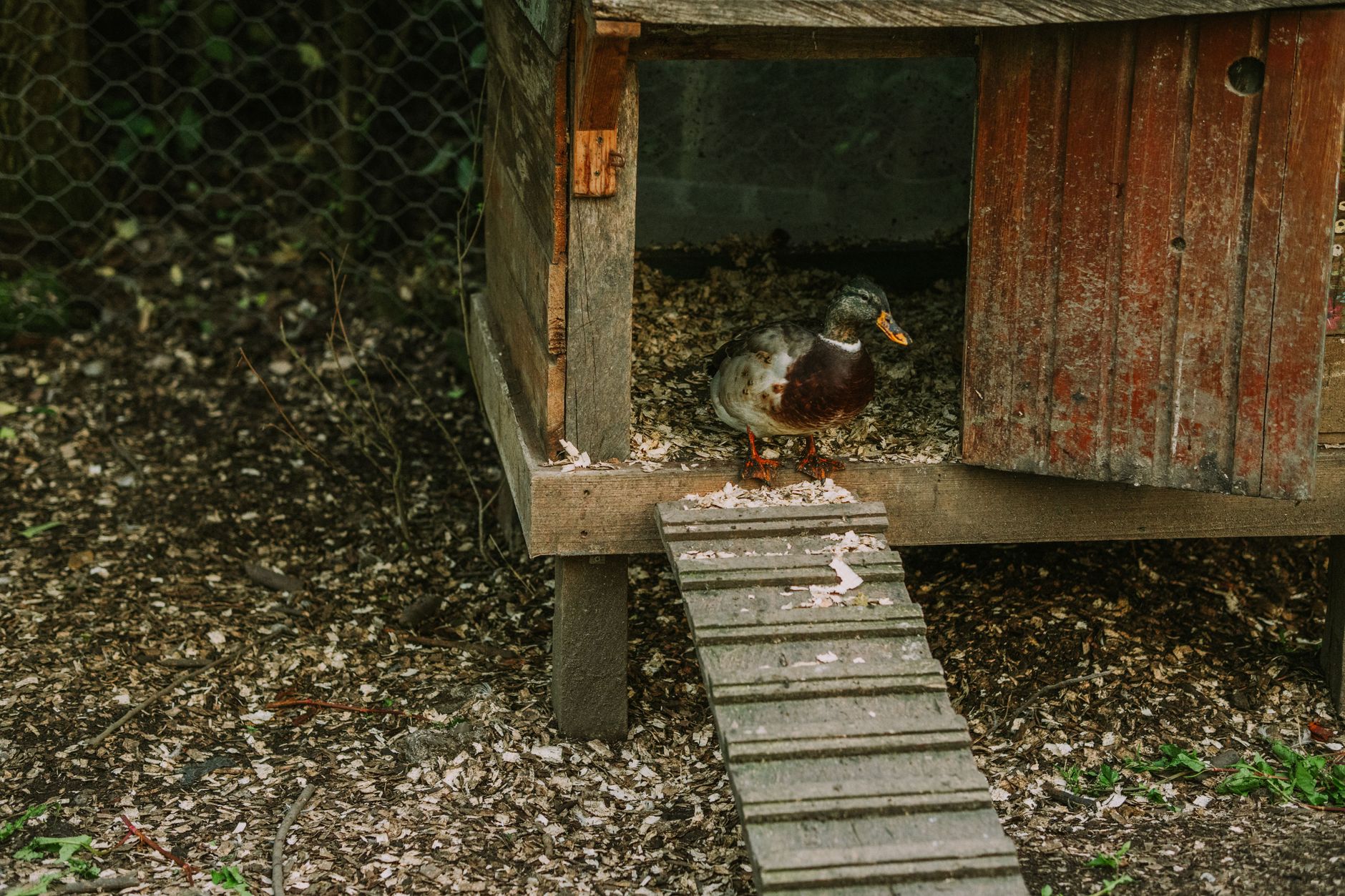 xes; they lay eggs on the floor, so a simple corner with bedding is enough.
Coop size: how much space do ducks need?
Inside the coop, give each duck at least 4 square feet. For a run, give each duck 10 to 15 square feet. A pair of ducks (2) needs a coop that is at least 8 square feet, but 10 to 12 is better. Four ducks need 16 to 20 square feet inside. Bigger is always easier to keep clean and dry.
| Ducks | Minimum coop size | Recommended coop size |
|---|---|---|
| 2 | 8 sq ft | 10-12 sq ft |
| 4 | 16 sq ft | 20-24 sq ft |
| 6 | 24 sq ft | 30-36 sq ft |
If you plan to keep ducks in winter, add 20% more space so they can stay inside during storms.
Key features of a good duck coop
- Ventilation: Put vents near the top of the walls or under the eaves. Cover them with hardware cloth. This lets moisture out without creating a draft on the floor.
- Predator-proof floor and walls: Use 1/2 inch hardware cloth on windows and vents. Do not use chicken wire; raccoons can tear it open. The floor should be solid wood or metal, not dirt, because predators can dig under.
- Elevated floor: Set the coop on skids, blocks, or legs. This keeps the floor dry and prevents rodents from nesting underneath. If you use legs, make sure the gap is less than 4 inches so predators cannot squeeze under.
- Easy access for cleaning: A full-size door or a hinged roof makes cleaning much easier. Ducks are messy, so you will clean the coop every week.
- Draft-free at duck level: Cover the bottom 12 inches of any opening with solid material, not just wire. Ducks sleep on the floor, so a draft at that level can chill them.
- Ramp or ground-level entry: Ducks do not climb ramps well, especially heavy breeds. A ground-level door or a very gentle ramp (no more than 30 degrees) is best.
Best duck coops you can buy in 2026
If you want to buy a coop, look for a garden shed or a large chicken coop that you modify. Most commercial “duck coops” are overpriced and too small. Here are three solid options:
- Tuff Shed (or similar) small garden shed: 6x4 or 6x6 feet. Cost: $1,500 to $2,500 delivered. You add your own hardware cloth, ramp, and bedding. This is the most predator-proof and lasts 20 years.
- Pawhut Deluxe Large Metal Chicken Coop (or similar): around $300 to $500. It is not predator-proof out of the box, so you must reinforce the door latches and add hardware cloth over the vents. It works for 2 to 3 ducks in mild climates.
- Omlet Eglu Go Up (or similar plastic coop): around $700 to $900. It is easy to clean and predator-resistant, but it is small (about 10 sq ft), so it fits only 2 ducks. It is not ideal for cold climates because it is not insulated.
Building your own: the best value
Building a simple duck coop from a 4x4 or 4x6 shed plan costs $300 to $600 in materials. Here is a basic design that works:
- Frame: 2x4 lumber on skids (pressure-treated for ground contact).
- Walls: 1/2 inch plywood. Add rigid foam insulation in cold zones.
- Roof: corrugated metal or shingles. Pitch it so water runs off.
- Door: a full-size door on hinges, with a hasp and padlock.
- Vent: a 12x12 inch opening near the top, covered with hardware cloth.
- Floor: 3/4 inch plywood, painted or coated with a rubber mat for easy cleaning.
You can build this in a weekend. If you want a free plan, search for “4x4 duck coop plan” from a university extension or a homestead blog. Avoid plans that use chicken wire or that have no ventilation.
Run and fencing
Ducks need a run for daytime. Use 4 foot tall welded wire or electric netting. The run should be covered with netting or wire to keep out hawks and owls. If you let ducks free-range, they will need a secure pen for when you are not home. A 10x10 foot run for 4 ducks costs about $150 to $300 for materials.
Bedding and cleaning
Use pine shavings or straw. Do not use cedar shavings; they can irritate duck lungs. Put 4 to 6 inches of bedding on the floor. Clean the coop weekly: remove wet bedding and droppings, then add fresh shavings. A deep litter method (adding new shavings on top) works if you clean out completely every 2 to 3 months. In winter, keep the bedding dry to prevent frostbite on feet.
FAQ
Can I use a chicken coop for ducks? Yes, but you must add more ventilation, remove roosts and nesting boxes (or block them), and make sure the floor is solid. Ducks do not use roosts, and they need floor space. Also, chicken coops often have wire floors or gaps that can hurt duck feet.
How cold is too cold for ducks? Ducks are cold-hardy down to about 20°F, but they need a dry, draft-free coop. Provide extra bedding and make sure water does not freeze. If temperatures drop below 0°F, add a heat lamp or a heated water base, but use caution with fire risk.
Do ducks need a pond? No, but they need a shallow water source for dunking their heads. A kiddie pool or a livestock water pan works. Change the water daily.
How do I predator-proof the coop? Use 1/2 inch hardware cloth on all vents and windows. Bury the wire 12 inches into the ground around the run, or use an apron of wire extending outward. Secure all doors with latches that raccoons cannot open, and lock them at night.
Related guides
The bottom line
The best duck coop is not a specific brand; it is a dry, ventilated, predator-proof box with enough floor space. Buy a garden shed or build a simple 4x4 coop for $300 to $600. Add hardware cloth, a secure door, and deep bedding. Your ducks will be safe, and you will spend less time cleaning and repairing. Start with a plan, measure your flock, and build or buy for the worst predator in your area, not the best weather day.