Best fertilizer for zinnias
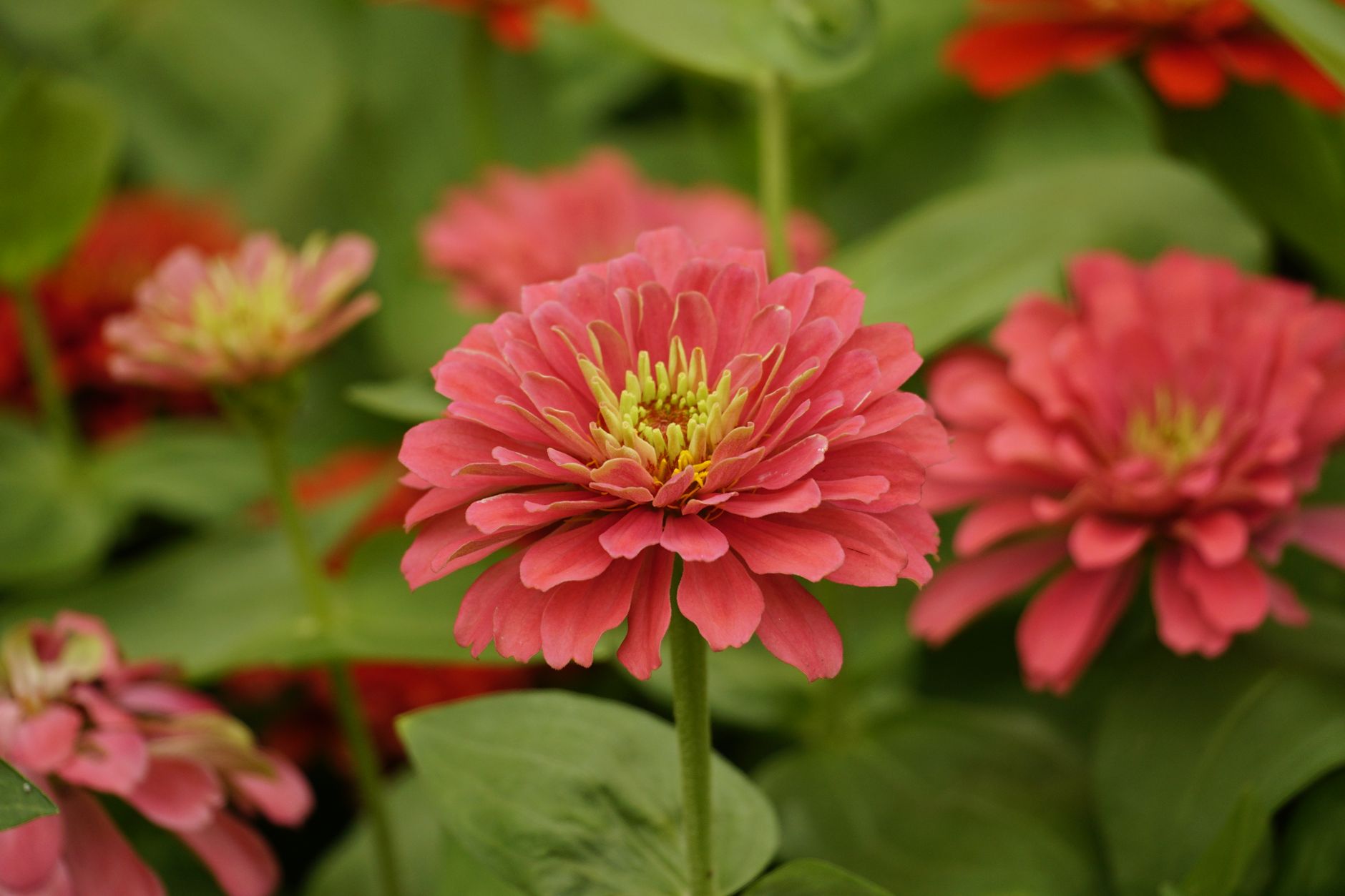
Learn the best fertilizer for zinnias, including organic and synthetic options, application timing, and soil prep for vibrant blooms.
Zinnias are heavy feeders, but they don’t need fancy fertilizer. The best fertilizer for zinnias is a balanced, slow-release granular fertilizer like a 10-10-10 or 14-14-14, applied at planting and again mid-season. For organic gardeners, compost or aged manure worked into the soil before planting, plus a liquid seaweed or fish emulsion feed every 3 to 4 weeks, works just as well.
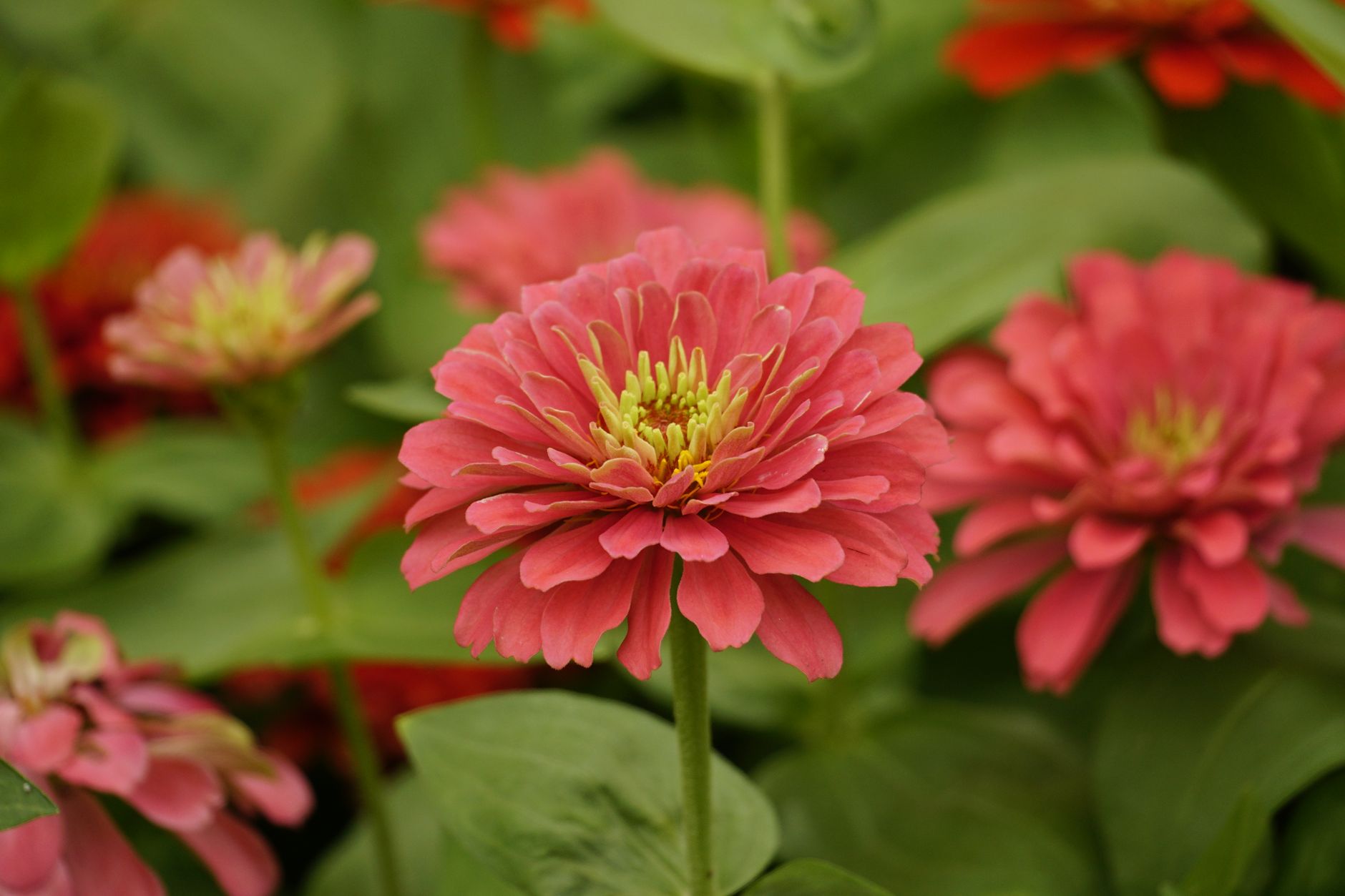
What Zinnias Need
Zinnias need three main nutrients: nitrogen for leafy growth, phosphorus for root and flower development, and potassium for overall health and disease resistance. Too much nitrogen, however, results in lush leaves and few flowers. So avoid high-nitrogen lawn fertilizers (like
 30-0-0) or fresh manure, which can burn roots and promote foliage at the expense of blooms.
Soil Preparation: The Foundation
Before you even think about fertilizer, test your soil. A simple home test kit (about $10 to $15 at garden centers) tells you pH and nutrient levels. Zinnias prefer a pH between 5.5 and 7.5. If your soil is very acidic (below 5.5), add lime in fall or early spring. If it’s alkaline (above 7.5), add sulfur. But for most gardens, a 2 to 3 inch layer of compost worked into the top 6 to 8 inches of soil at planting time is enough. Compost provides a slow release of nutrients and improves soil structure, which helps roots take up what they need.
Best Fertilizer Options
Granular Slow-Release Fertilizers
These are the easiest and most reliable. Look for a balanced formula like 10-10-10 or 14-14-14. Apply 1 to 2 pounds per 100 square feet, or about 1 tablespoon per plant, mixed into the soil at planting. Reapply at half strength when plants are about 12 inches tall and again just before buds form. A 5-pound bag costs $8 to $15 and covers a 10 by 10 foot bed.
Organic Options
- Compost: Mix in 2 to 3 inches before planting. It’s free if you make it, or $3 to $5 per bag.
- Aged manure: Use only well-rotted manure (not fresh). Work in 1 to 2 inches before planting. Bagged composted manure costs $2 to $4 per cubic foot.
- Blood meal (12-0-0) for a nitrogen boost: apply 1 tablespoon per plant, scratched into the soil, when plants are 6 inches tall. $5 to $8 per 2-pound box.
- Bone meal (3-15-0) for phosphorus: mix 1 tablespoon into each planting hole. $6 to $10 per 2-pound box.
- Liquid seaweed or fish emulsion: Dilute according to label (usually 1 to 2 tablespoons per gallon) and water every 3 to 4 weeks. A 16-ounce bottle costs $10 to $15 and makes 20 to 30 gallons.
Synthetic Fertilizers
Water-soluble fertilizers like Miracle-Gro (24-8-16) work fast, but they can leach quickly. Use at half strength every 2 weeks, but be careful: they can burn if applied to dry soil. A 1.5-pound box costs $8 to $12. For a low-maintenance option, use a controlled-release fertilizer like Osmocote (14-14-14), which feeds for up to 4 months. A 2-pound container costs $12 to $18.
When and How to Fertilize
At Planting (Spring, after last frost)
Mix granular fertilizer into the soil at the bottom of each planting hole. For direct sowing, work fertilizer into the top 4 inches of soil. If you’re planting seedlings, water them in with a starter solution (half-strength liquid fertilizer) to reduce transplant shock.
Mid-Season (When Plants Are 12 to 18 Inches Tall)
Side-dress with granular fertilizer: sprinkle it in a ring 4 to 6 inches from the stem, then water it in. Or apply a liquid feed. This gives plants a boost before heavy blooming begins.
Just Before Budding (Usually 6 to 8 Weeks After Planting)
A final light feeding with a phosphorus-rich fertilizer (like bone meal or a 5-10-5) encourages more flowers. Avoid high nitrogen at this stage.
Fertilizing Zinnias in Containers
Potted zinnias need more frequent feeding because nutrients wash out. Use a slow-release granular fertilizer mixed into the potting soil at planting, then supplement with a water-soluble fertilizer every 2 weeks at half strength. Choose a container at least 12 inches deep with drainage holes.
Common Fertilizer Mistakes
- Over-fertilizing: Too much fertilizer, especially nitrogen, leads to tall, floppy plants with few blooms. Stick to recommended rates.
- Fertilizing dry soil: Always water plants before applying granular fertilizer, and water again after to prevent root burn.
- Ignoring soil pH: If pH is off, nutrients are locked out even if you fertilize. Test and adjust first.
- Using fresh manure: It can burn roots and introduce weed seeds. Use only composted manure.
FAQ
Can I use Epsom salt on zinnias?
Epsom salt (magnesium sulfate) can help if your soil is deficient in magnesium, which is rare. Mix 1 tablespoon per gallon of water and apply monthly, but only if you see yellowing between leaf veins. Otherwise, skip it.
Do zinnias need fertilizer every week?
No. Over-fertilizing is worse than under-fertilizing. A slow-release granular at planting plus one or two mid-season feedings is enough. In containers, feed every 2 weeks with a balanced liquid at half strength.
What is the best fertilizer for zinnias in pots?
For pots, use a slow-release granular like Osmocote 14-14-14 mixed into the potting soil, then supplement with a water-soluble 10-10-10 every 2 weeks. This prevents nutrient buildup and keeps plants steady.
Can I use compost tea on zinnias?
Yes. Compost tea provides a gentle nutrient boost and beneficial microbes. Brew it from finished compost (1 part compost to 5 parts water, steep 24 hours) and apply every 3 to 4 weeks. It’s not a complete fertilizer, so combine with a balanced feed.
The Bottom Line
The best fertilizer for zinnias is a balanced 10-10-10 or 14-14-14 granular applied at planting and again mid-season, or compost plus a liquid organic feed every 3 to 4 weeks. Test your soil first, avoid high-nitrogen formulas, and always water after fertilizing. With proper feeding, you’ll get sturdy plants and a long season of colorful blooms from early summer to frost. Start with good soil, feed moderately, and your zinnias will reward you with armloads of cut flowers.