Best fertilizer for peonies
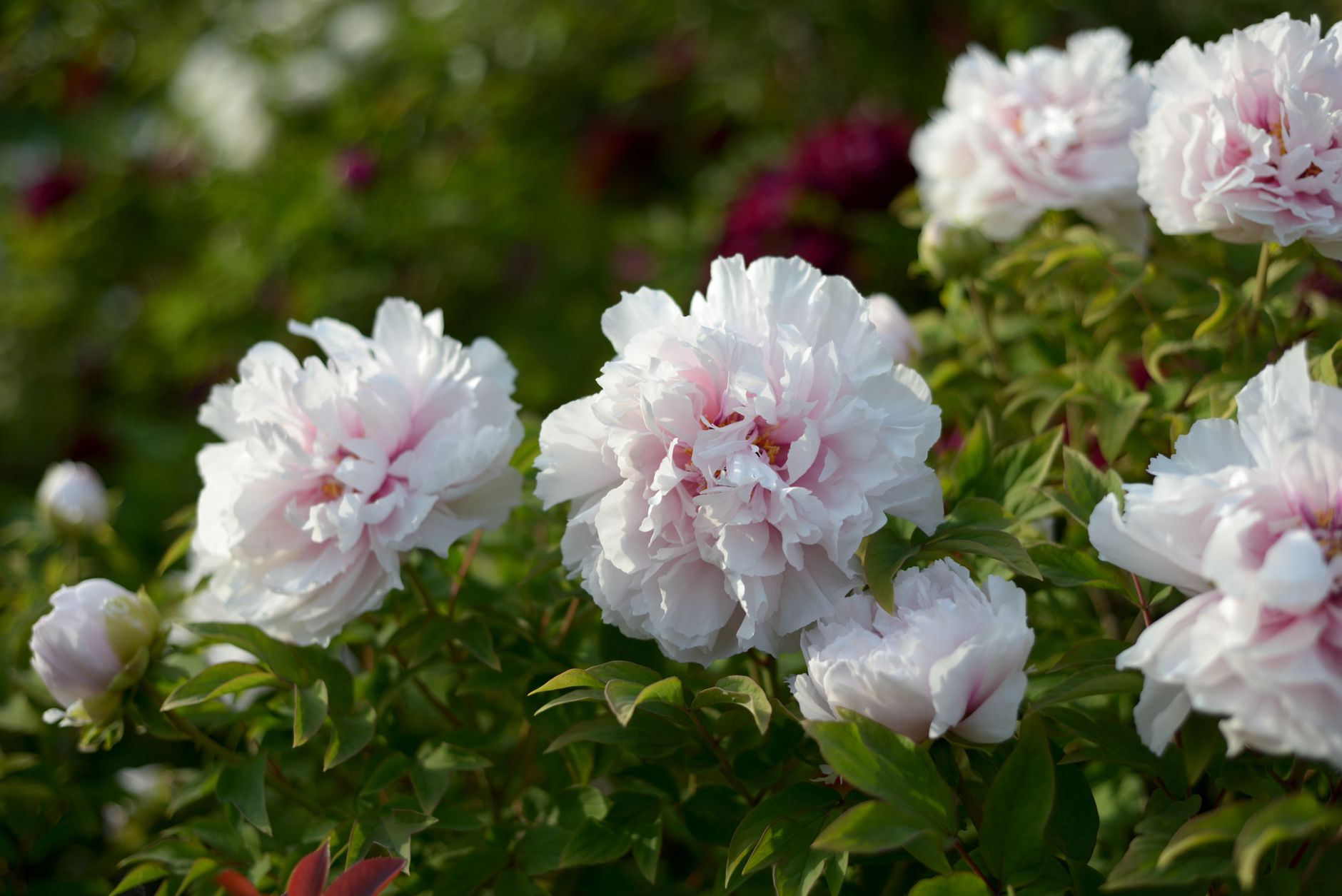
Learn the best fertilizer for peonies, when to apply it, and how to get lush blooms. Covers organic and synthetic options, soil pH, and common mistakes.
The best fertilizer for peonies is a low-nitrogen, phosphorus-rich blend like 5-10-10 or 10-20-20, applied in early spring and again after blooming. Peonies are heavy feeders, but too much nitrogen gives you leafy plants with few flowers. This guide covers what to use, when to apply, and how to avoid the most common feeding mistakes.
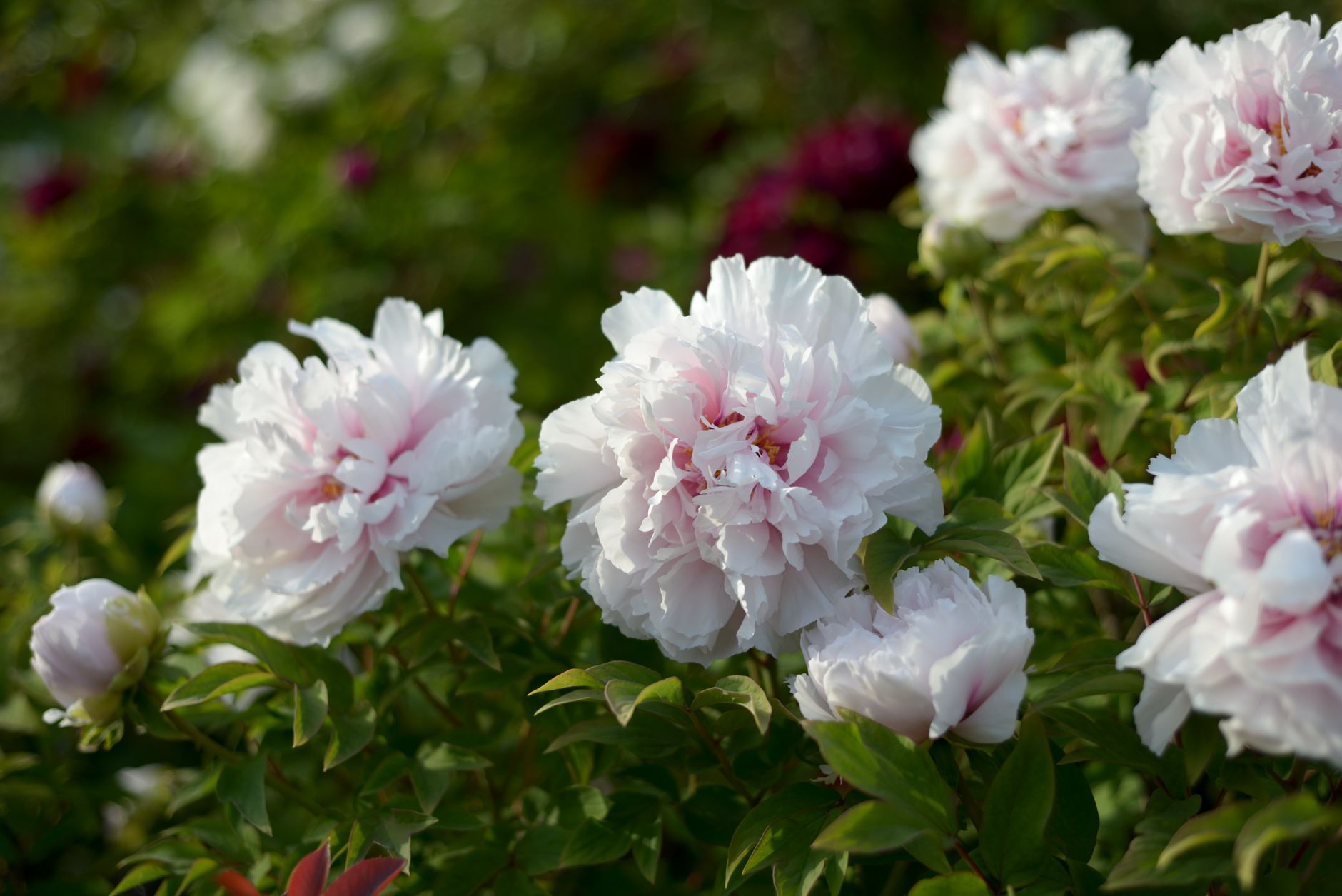
Why peonies need specific fertilizer
Peonies are hardy perennials that can live for decades, but they need balanced nutrition to produce those big, fragrant blooms. Nitrogen promotes leaf growth, while phosphorus supports root development and flower formation. Potassium helps overall plant health and disease resistance. A fertilizer with too much nitrogen will push out foliage at the expense of buds, so stick to a
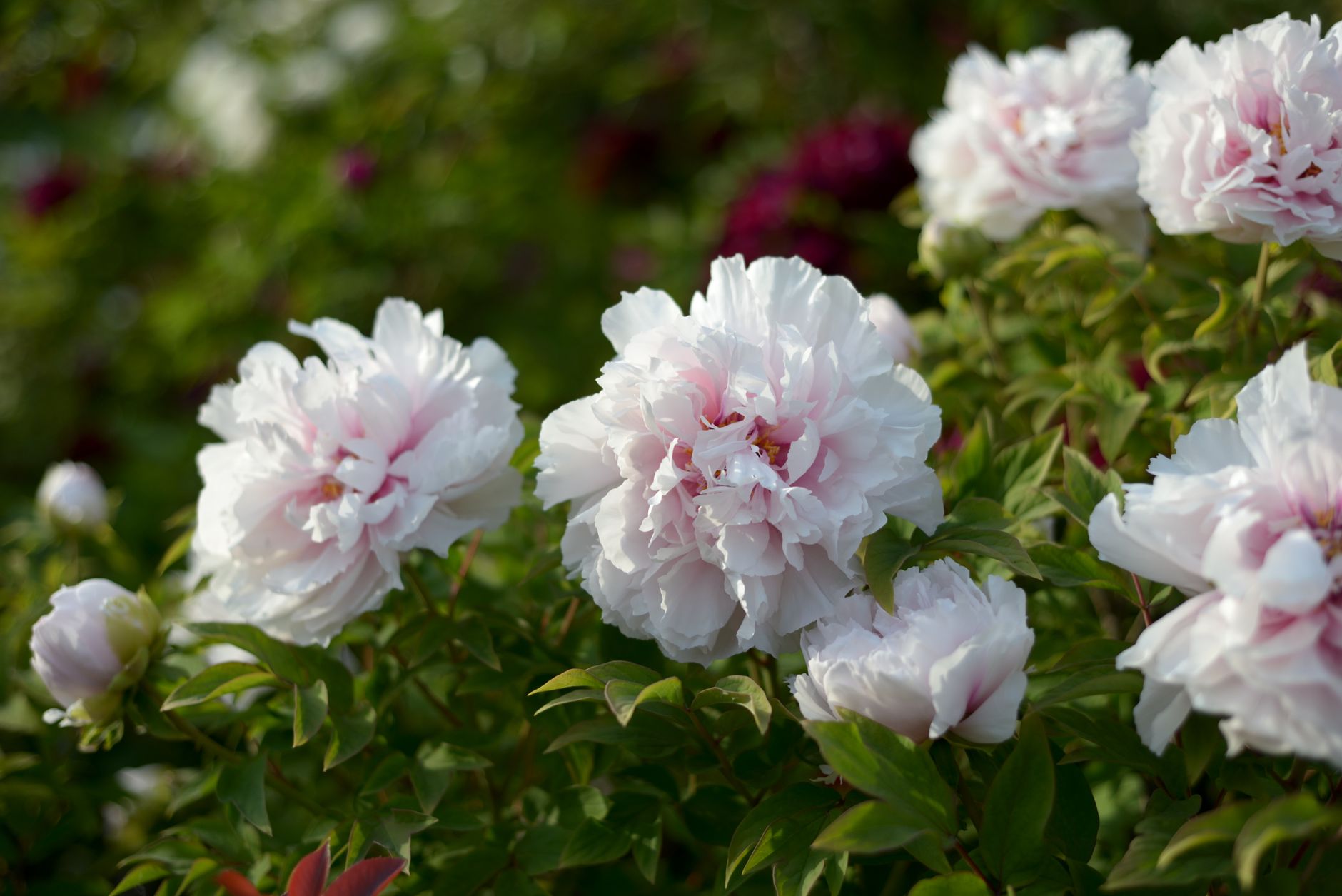 blend where the middle number (phosphorus) is equal to or higher than the first (nitrogen).
The best fertilizer options for peonies
Here are the top choices, with real products and prices as of 2026.
1. Granular slow-release fertilizer (best for most gardeners)
A granular fertilizer like Espoma Bone Meal (3-15-0) or Jobe’s Organics Bone Meal (2-14-0) is a classic choice. Bone meal is rich in phosphorus and calcium, which peonies love. Apply 1/2 cup per plant in early spring as new shoots emerge.
- Price: $10 to $15 for a 4-pound bag, which covers about 8 plants.
- How to use: Scratch into the soil around the drip line, then water well.
Alternatively, use a balanced granular like Osmocote Plus (15-9-12) at half the recommended rate, but be careful: it contains more nitrogen, so only apply once in spring.
2. Organic compost and aged manure (best for soil health)
Compost is not a fertilizer per se, but it improves soil structure and provides slow-release nutrients. Mix 2 to 3 inches of compost into the top few inches of soil around each plant in early spring. Aged cow or horse manure (well-rotted) also works, but avoid fresh manure, which can burn roots and introduce weeds.
- Price: Compost is $3 to $5 per bag at garden centers, or free if you have your own pile.
- How to use: Spread a 1-inch layer around the base, keeping it 2 inches away from the crown.
3. Liquid fertilizer (best for quick boost)
If your peonies are struggling or you missed the spring window, use a liquid fertilizer like Neptune’s Harvest Fish & Seaweed (2-3-1) or Alaska MorBloom (0-10-10). These are absorbed quickly and can help bud development.
- Price: $15 to $20 per quart, which makes 20 to 40 gallons of solution.
- How to use: Dilute according to label, then water at the base every 2 to 3 weeks from spring until buds show color.
4. Slow-release fertilizer spikes (best for low-maintenance)
Jobe’s Fertilizer Spikes for Perennials (9-12-9) are easy: push one spike per plant in early spring. They release nutrients over 8 weeks.
- Price: $8 to $12 for a pack of 15 spikes.
- How to use: Insert spike at the drip line, not too close to the crown.
When to fertilize peonies
Timing is critical. Here is a simple schedule for USDA zones 3 to 8.
| Time | Action | Why |
|---|---|---|
| Early spring (as shoots emerge) | Apply granular fertilizer or compost | Gives nutrients for growth and bud formation |
| After blooming (late spring) | Apply a light dose of 5-10-10 or bone meal | Replenishes energy for next year’s blooms |
| Fall (optional) | Apply compost or aged manure | Builds soil for winter, but avoid high-nitrogen fertilizers |
Do not fertilize after August, as new growth may be damaged by frost.
How to apply fertilizer correctly
Follow these steps for best results.
- Test your soil first. Peonies prefer a pH of 6.5 to 7.0. If your soil is too acidic (below 6.0), add lime in fall. A simple soil test kit costs $10 to $20 at garden centers.
- Measure the right amount. For granular fertilizer, use 1/2 cup per mature plant (3 years or older). For younger plants, use half that.
- Apply at the drip line. The drip line is the outer edge of the foliage. Roots extend there, and fertilizer placed too close to the crown can burn it.
- Water thoroughly. Fertilizer needs moisture to activate. Water deeply after applying.
- Mulch lightly. A 1-inch layer of organic mulch helps retain moisture, but keep it away from the crown to prevent rot.
Common mistakes to avoid
- Over-fertilizing: More is not better. Excess fertilizer can burn roots and reduce blooms. Stick to the label rates.
- Using high-nitrogen lawn fertilizer: This will give you lush leaves and few flowers. Avoid anything with a first number above 10.
- Fertilizing too late: Late summer feeding encourages tender growth that winter kills. Stop by August.
- Planting too deep: If your peony is not blooming, check the planting depth. The eyes (buds) should be no more than 2 inches below the soil surface. Too deep is the most common reason for no flowers, not lack of fertilizer.
Soil pH and peony nutrition
Peonies prefer slightly acidic to neutral soil. If your pH is off, fertilizer won’t be absorbed well. Test your soil every 2 to 3 years. To raise pH, add dolomitic lime in fall at the rate recommended by your soil test (usually 5 to 10 pounds per 100 square feet). To lower pH, add sulfur or peat moss, but this is rarely needed for peonies.
Organic vs. synthetic: which is better?
Both work, but organic fertilizers improve soil structure over time and are less likely to burn. Synthetic fertilizers give a quick boost but can build up salts. For peonies, I recommend organic options like bone meal or compost, especially if you are growing for cut flowers, as they produce strong stems and long-lasting blooms.
FAQ
Can I use Miracle-Gro on peonies?
Yes, but use a bloom booster formula like Miracle-Gro Bloom Booster (15-30-15) at half strength, and only once in early spring. The high nitrogen in all-purpose Miracle-Gro can reduce blooms.
How often should I fertilize peonies?
Once in spring and once after blooming is enough. Over-fertilizing can cause weak growth and fewer flowers.
What is the best fertilizer for peonies in pots?
For container peonies, use a slow-release granular like Osmocote Plus (15-9-12) mixed into the potting soil at planting, then supplement with a liquid bloom booster every 4 weeks during the growing season.
My peonies have plenty of leaves but no flowers. Is it fertilizer?
Not usually. The most common causes are planting too deep, too much shade, or a late frost. If the eyes are deeper than 2 inches, replant in fall. If the plant is in full shade, move it to a sunnier spot.
Related guides
The bottom line
The best fertilizer for peonies is a low-nitrogen, phosphorus-rich blend applied in early spring and after blooming. Use bone meal or a 5-10-10 granular for simplicity, or compost for soil health. Test your soil, apply at the drip line, and water well. Avoid high-nitrogen fertilizers and late-season feeding. With proper feeding, your peonies will reward you with abundant, fragrant blooms for years to come.