Best fertilizer for dahlias
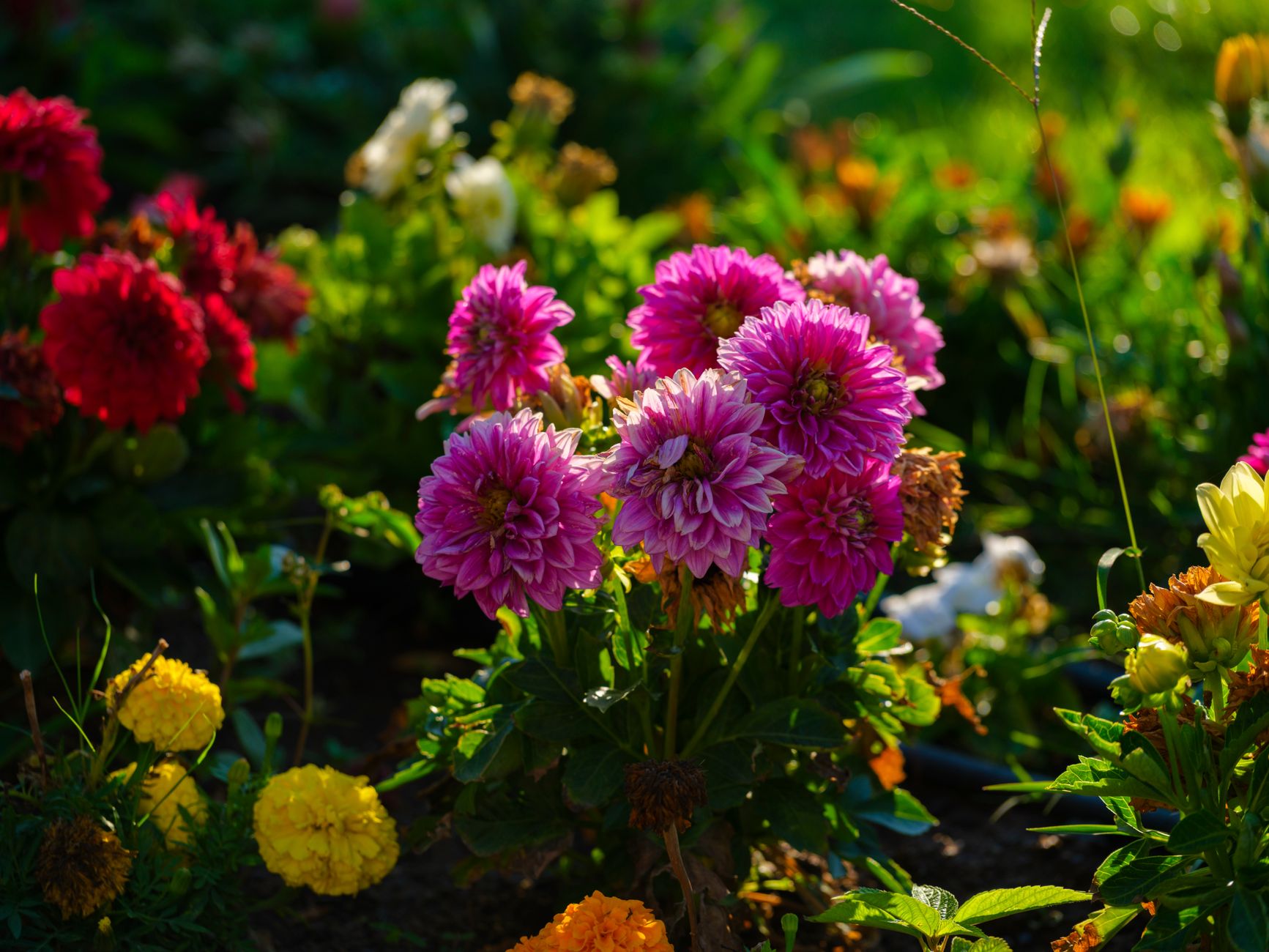
Discover the best fertilizer for dahlias with real numbers, timing, and varieties. Learn what to use for blooms, soil prep, and feeding schedules.
The best fertilizer for dahlias is a balanced, low-nitrogen formula like 5-10-10 or 10-20-20, applied at planting and then every 3 to 4 weeks until early September. Too much nitrogen gives you lush leaves and few flowers, so stick with a mix that’s higher in phosphorus and potassium. Here’s exactly what to buy, when to feed, and how to avoid the mistakes I’ve made over the years.
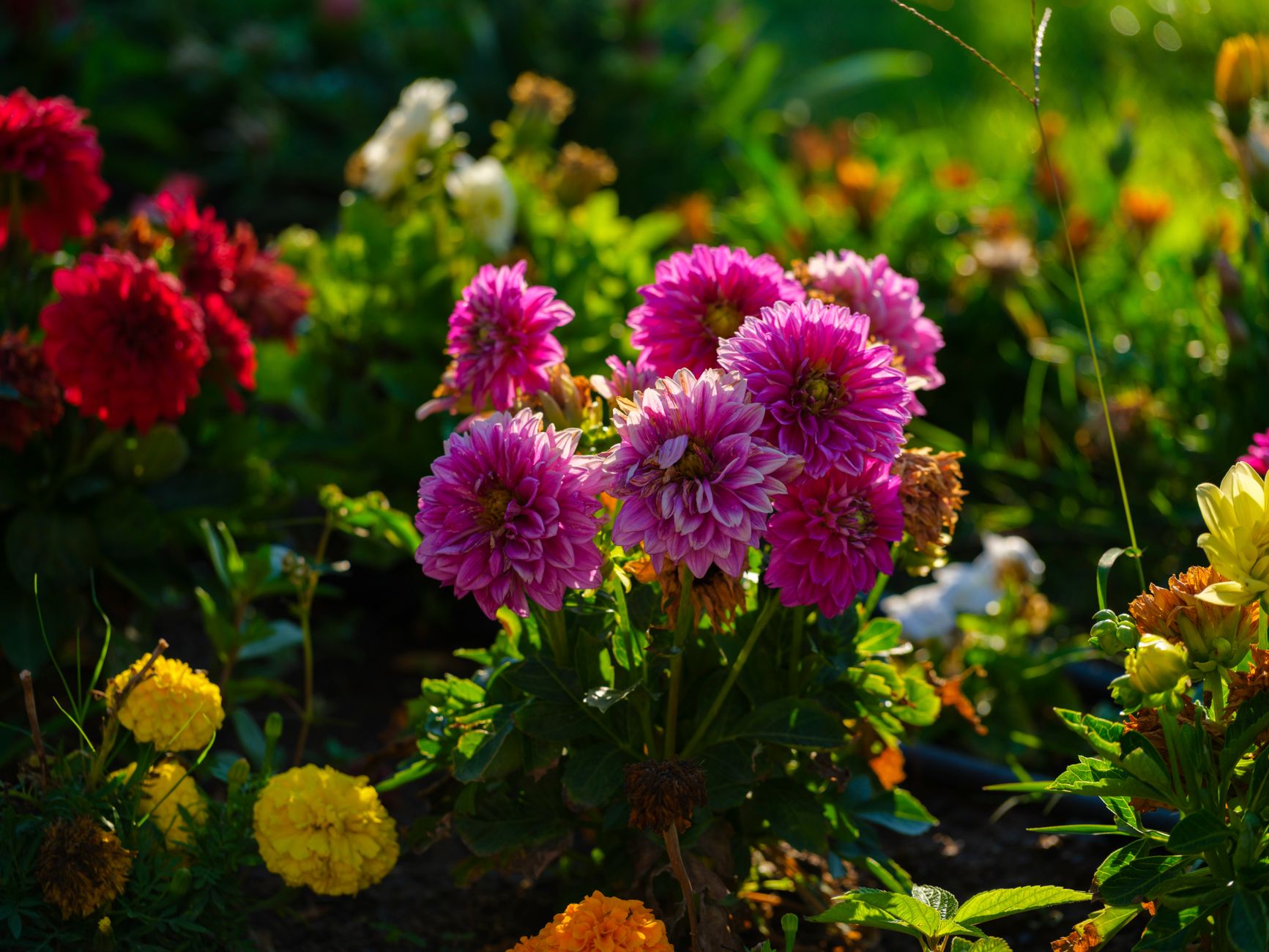
What to look for in a dahlia fertilizer
Dahlias are heavy feeders, but they don’t need a lot of nitrogen. Nitrogen pushes green growth, which can lead to tall, floppy plants and fewer blooms. Instead, look for a fertilizer with a middle and last number higher than the first. A 5-10-10 or 10-20-20 works well. The phosphorus (middle number) supports root and flower development, and the potassium (last number) helps with overall plant health and disease resistance.
If you prefer organic, use a blend like bone meal (for phosphorus) and kelp meal (for potassium), but you’ll need to apply them more often because they release slowly. For synthetic, a granular slow-re
 lease fertilizer is easiest, but you can also use a water-soluble option for a quick boost.
When to fertilize dahlias
Timing matters more than the exact brand. Here’s a schedule that works across most USDA zones (3 to 8):
- At planting (after last frost, soil temp 60°F): Mix 1 to 2 tablespoons of granular fertilizer into the planting hole. Work it into the soil at the bottom, then place the tuber on top. This gives the roots a steady supply as they establish.
- When sprouts are 6 inches tall (about 3 to 4 weeks after planting): Side-dress with a balanced fertilizer. Sprinkle 1 tablespoon around the base, 3 inches away from the stem, and water it in.
- Every 3 to 4 weeks from midsummer to early September: Continue side-dressing or use a water-soluble fertilizer at half strength. Stop feeding by September 1 in most zones to let the tubers harden off before digging.
If you’re growing dahlias in containers, feed more often: every 2 weeks with a water-soluble fertilizer, because nutrients leach out with watering.
Best fertilizer options for 2026
Here are specific products that work well, with realistic prices based on 2026 garden centers:
| Product | Type | N-P-K | Price (2026) | Notes |
|---|---|---|---|---|
| Espoma Bulb-tone | Organic granular | 3-5-3 | $12-$15 for 4 lb | Good for planting, slow release |
| Jobe’s Organics Bone Meal | Organic granular | 2-14-0 | $8-$10 for 4 lb | High phosphorus, mix with kelp for potassium |
| Miracle-Gro Water Soluble Bloom Booster | Synthetic water-soluble | 15-30-15 | $10-$12 for 1.5 lb | Quick boost, use at half strength |
| Down to Earth Kelp Meal | Organic granular | 1-0-2 | $15-$18 for 5 lb | Add to soil for potassium and trace minerals |
| Osmocote Plus | Synthetic slow-release | 15-9-12 | $15-$20 for 2 lb | Use at planting, but watch nitrogen levels |
For most gardeners, I recommend starting with a granular organic fertilizer like Espoma Bulb-tone at planting, then switching to a water-soluble bloom booster every 3 weeks once buds appear. That combination gives steady nutrition without overdoing nitrogen.
How to apply fertilizer without burning your dahlias
Dahlias have shallow roots, so fertilizer can burn them if it touches the stem or tubers. Always apply granular fertilizer in a ring around the plant, not directly at the base. Water thoroughly after applying to dissolve the granules and carry nutrients down to the roots.
If you use water-soluble fertilizer, mix it at half the label strength and apply to moist soil, not dry. Overfertilizing can cause leaf burn or weak stems, so when in doubt, use less.
Common mistakes to avoid
- Too much nitrogen: This is the biggest one. I once used a 20-20-20 on my dahlias and got giant plants with almost no flowers. Stick to low first numbers.
- Skipping soil test: If you have heavy clay or sandy soil, test pH first. Dahlias prefer a pH of 6.5 to 7.0. If your soil is off, fertilizer won’t work as well.
- Feeding too late: After early September, feeding encourages new top growth that won’t have time to mature before frost. Stop feeding to let the tuber store energy.
- Forgetting to water after feeding: Granular fertilizer needs moisture to activate. If you apply it and then get a dry week, it sits there doing nothing.
Fertilizing for cut flowers vs. garden display
If you’re growing dahlias for cut flowers, you want long stems and big blooms. In that case, prioritize phosphorus and potassium even more. Use a 5-10-10 at planting and a water-soluble 15-30-15 every 2 weeks once buds appear. For garden display, a slower release is fine, and you can get away with feeding every 4 weeks.
For cut flowers, also consider a foliar feed of kelp extract every 2 weeks. It provides micronutrients that improve stem strength and flower color. Mix 1 tablespoon per gallon and spray in the morning.
FAQ
Can I use tomato fertilizer on dahlias? Yes, tomato fertilizers like 5-10-10 or 8-8-8 work well because they have lower nitrogen and higher phosphorus. Just avoid formulas with added calcium if your soil already has enough.
How often should I fertilize dahlias in pots? In containers, feed every 2 weeks with a water-soluble fertilizer at half strength. Since pots drain, nutrients wash out quickly. Use a balanced 10-10-10 or a bloom booster.
What if I overfertilized my dahlias? If you see yellowing leaves or burnt edges, flush the soil with water to wash out excess salts. Stop feeding for 2 weeks, then resume at half strength.
Do I need to fertilize dahlias in the fall? No. Stop feeding by early September. In the fall, the plant is preparing to store energy in the tuber, and extra nitrogen will only produce soft growth that invites rot.
Related guides
The bottom line
The best fertilizer for dahlias is a low-nitrogen, high-phosphorus and potassium formula like 5-10-10 or 10-20-20. Apply at planting, then feed every 3 to 4 weeks until early September. Use a granular organic at planting and a water-soluble bloom booster for quick boosts. Avoid high-nitrogen fertilizers, test your soil, and stop feeding in fall. With this schedule, you’ll get strong stems and plenty of blooms for cutting or garden display.