Amaranth vs buckwheat
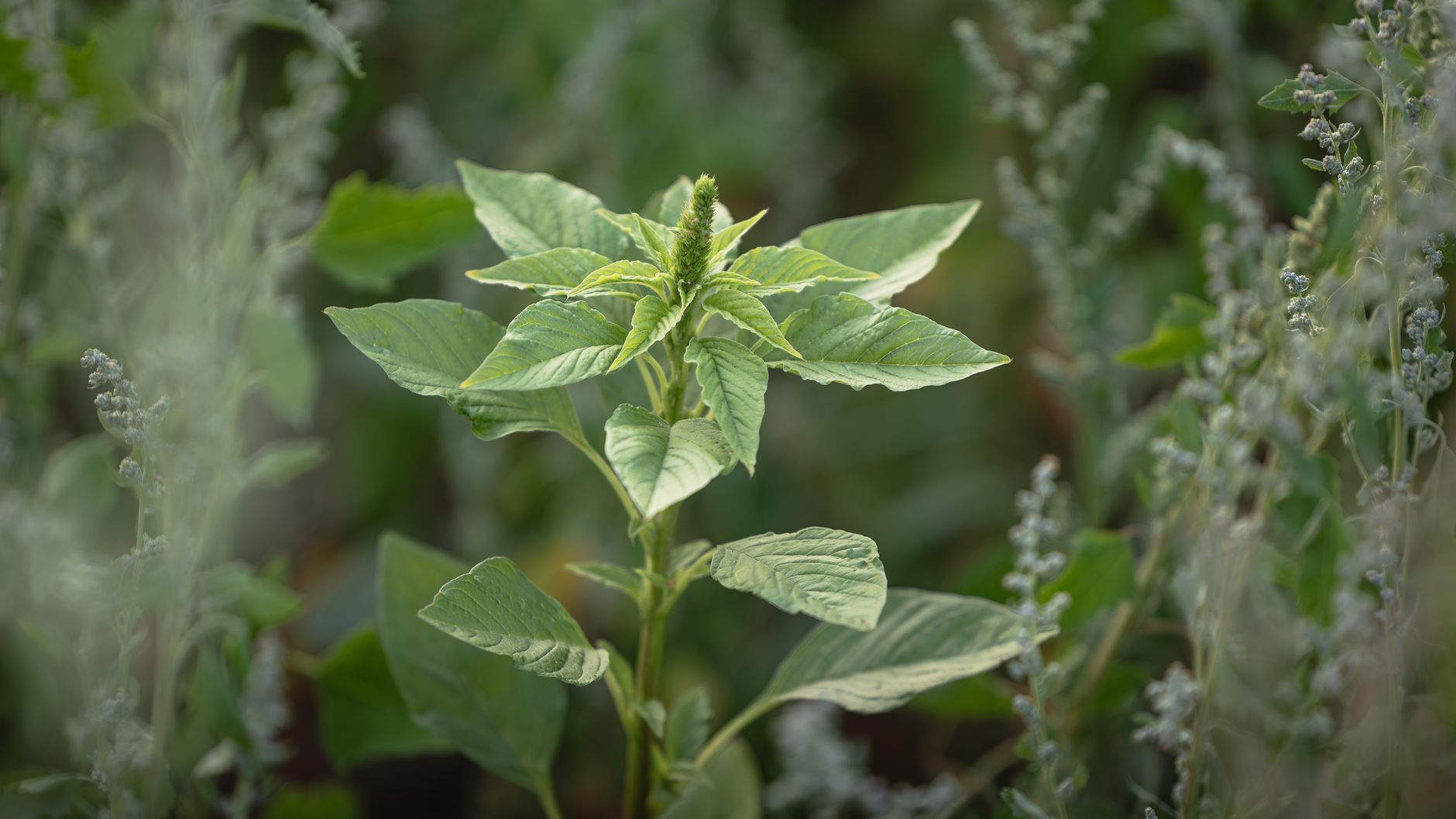
Compare amaranth and buckwheat for your farm or garden: planting, harvest, yields, uses, and costs. Choose the right grain for your goals.
If you are weighing amaranth versus buckwheat, the short answer is: grow buckwheat if you want a fast, easy cover crop or a gluten-free flour with a short season; grow amaranth if you want a true grain with higher protein and a longer harvest window, and you have warm weather. Both are not true cereals, but they fit different niches. Here is the practical breakdown.
Why choose buckwheat?
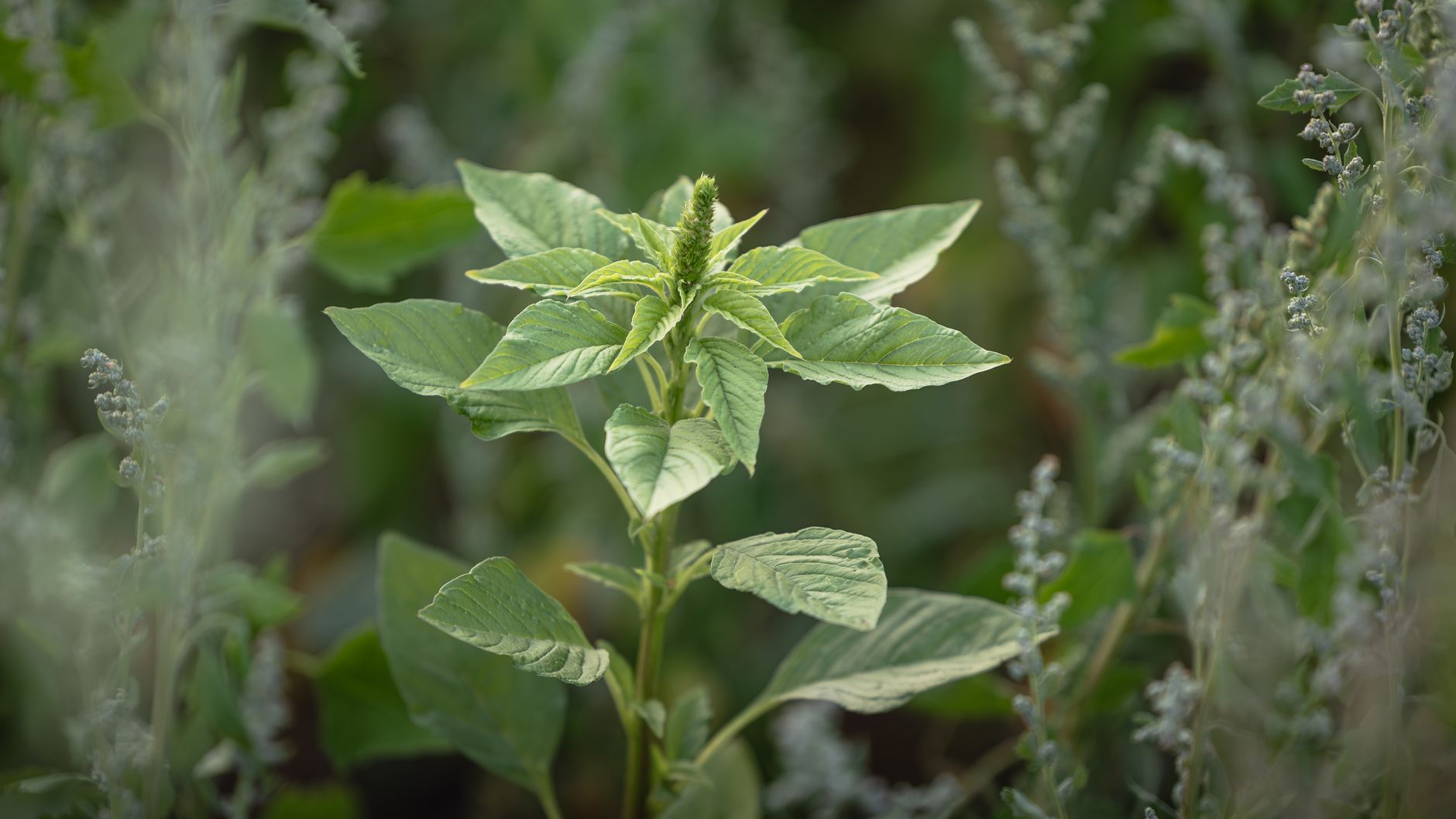
Buckwheat (Fagopyrum esculentum) is not a grass; it is a broadleaf plant related to rhubarb. Its main strengths are speed and soil improvement. It matures in 70 to 90 days, making it ideal for a late spring or summer planting after a cool-season crop, or as a quick cover crop to smother weeds. It thrives in poor soil, needs no nitrogen fertilizer, and its fibrous roots break up compacted ground. The flowers attract pollinators, and the grain is gluten-free, with a nutty flavor.
For grain, expect 20 to 40 bushels per acre (about 1,200 to 2,400 pounds) in good conditions, but on a garden scale, a 100 square foot bed can yield 5 to 10 pounds of hulled groats. The catch: buckwheat is frost-sensitive, so plant after the last frost, and it dislikes heat above 90°F, which can reduce seed set. Harvest when ab
 out 75% of the seeds turn brown, but be ready to act fast, they shatter easily.
Why choose amaranth?
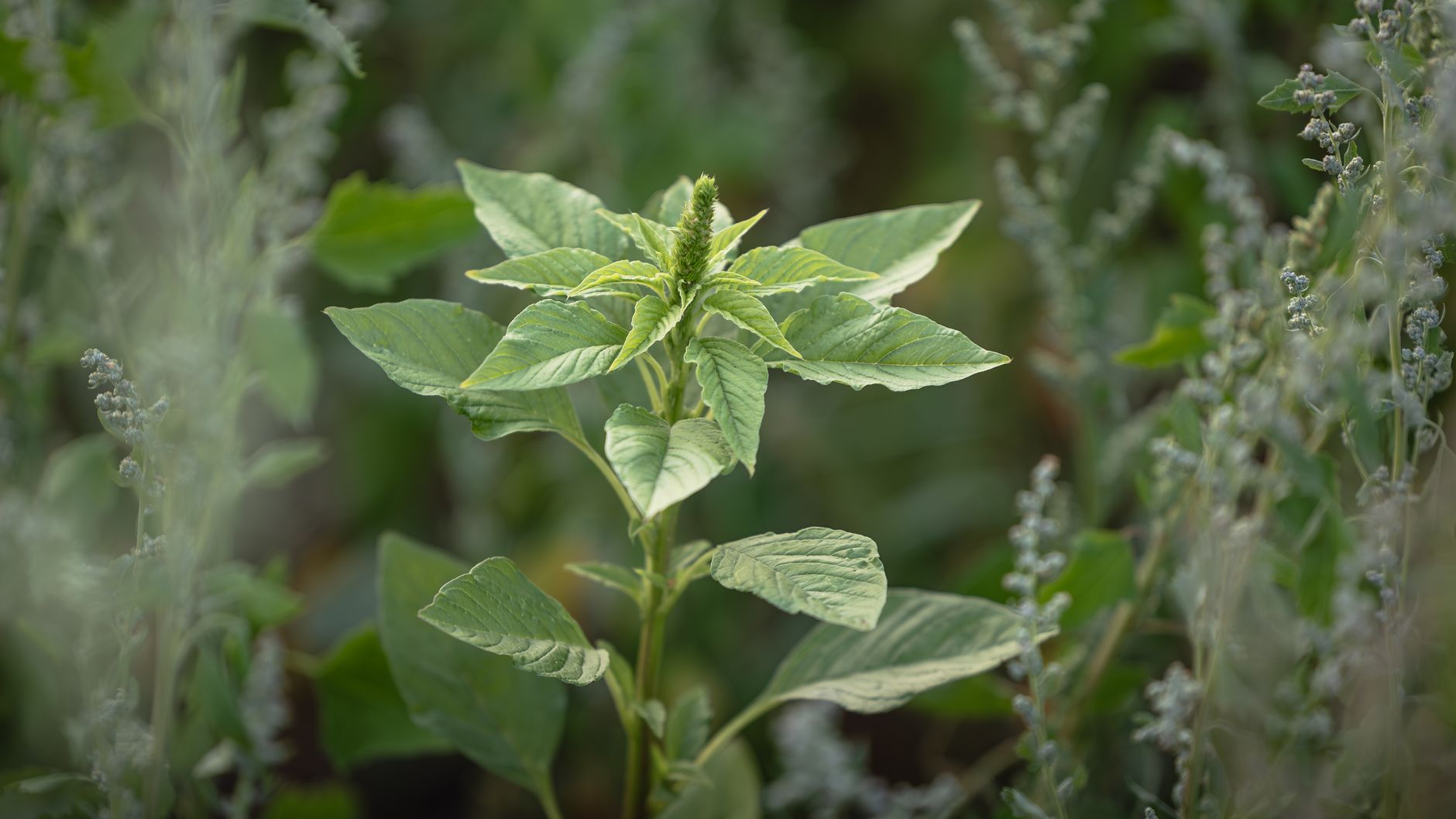
Amaranth (Amaranthus spp.) is a warm-season pseudo-grain grown for its tiny, protein-rich seeds (9% protein, with lysine, which is rare in grains). It is a tall, showy plant, often 4 to 6 feet, with large seed heads. It loves heat, tolerates drought, and grows in poor soil. It matures in 90 to 120 days, so it needs a long, warm season. In the US, it does best in zones 5 and warmer; in cooler zones, start indoors or choose early varieties.
Yields are lower than buckwheat: 1,000 to 1,500 pounds per acre, or about 4 to 8 ounces per 10 square feet in a garden. But the seeds are more nutritious, and the leaves are edible as a cooked green. Harvest is more forgiving: you can cut the whole seed head and dry it, then thresh. The main challenge is processing: the seeds are tiny (about 1 mm), so you need a fine mesh sieve (40 to 60 mesh) to separate chaff.
Side-by-side comparison
| Factor | Buckwheat | Amaranth |
|---|---|---|
| Days to maturity | 70-90 | 90-120 |
| Planting time (US) | After last frost to mid-summer (zones 3-7) | Late spring to early summer (zones 5-10) |
| Spacing | 4-6 inches apart, rows 12-18 inches | 12-18 inches apart, rows 18-24 inches |
| Seed depth | 1-2 inches | 1/4-1/2 inch |
| Soil preference | Well-drained, low fertility | Well-drained, tolerates poor soil |
| Water needs | Moderate, drought-sensitive | Low, drought-tolerant |
| Yield (garden scale) | 5-10 lb per 100 sq ft | 4-8 oz per 10 sq ft |
| Protein content | 12-14% (hulled) | 15-18% (hulled) |
| Gluten-free | Yes | Yes |
| Best use | Flour, cover crop, bee pasture | Grain, greens, ornamental |
Planting and growing: buckwheat
Buckwheat is the easiest to grow. In zones 3 to 7, sow from late May to July. In the South, plant in early spring or late summer to avoid heat. Scatter seeds at a rate of 2 to 3 ounces per 100 square feet, rake in, and water. It germinates in 3 to 5 days. No fertilizer needed; in fact, too much nitrogen causes lush growth but fewer seeds. Keep the bed weed-free for the first 3 weeks, then the canopy smothers weeds.
For grain, plant in rows 12 to 18 inches apart, thin to 4 to 6 inches. Harvest when 75% of the seeds are brown, usually 10 to 14 days after flowering. Cut the plants at the base, tie in bundles, and hang to dry for a week. Thresh by beating the bundles in a clean trash can or on a tarp. Winnow by pouring from one bucket to another in a breeze. Hulling is the tricky part: the outer hull is hard. For small amounts, rub the seeds between your hands or use a grain mill set at a wide gap, then winnow again. Expect about 60% of the weight after hulling.
Planting and growing: amaranth
Amaranth needs warm soil, at least 60°F. In zones 5 and 6, start seeds indoors 4 to 6 weeks before the last frost, or sow directly in late May. In zones 7 and warmer, direct sow in May or June. Plant seeds 1/4 inch deep, spacing 12 to 18 inches apart. It is a heavy feeder, so mix in compost at planting. Water weekly until established, then it is drought-tolerant.
Harvest when the seed heads are dry and the seeds rattle, usually 90 to 120 days. Cut the entire head, place in a paper bag, and dry for 2 weeks. Thresh by rubbing the heads over a screen or using a bucket and a stick. Winnow carefully: the seeds are tiny, so use a fine mesh (40-60) to separate chaff. To cook, rinse the seeds, then boil 1 part amaranth to 2.5 parts water for 20 minutes. It has a peppery, earthy taste. For flour, grind in a high-speed blender or grain mill; it is gluten-free, so mix with wheat for bread.
Cost and equipment
Buckwheat seed costs $2 to $4 per pound, and you need about 1 pound per 1,000 square feet. Amaranth seed is $3 to $6 per ounce, but a little goes a long way: 1 ounce plants about 200 square feet. For processing, you can start with a $20 sieve set and a $30 grain mill. If you grow more than 100 square feet, consider a hand-cranked grain mill ($50 to $100) or a tabletop thresher ($200 to $400).
Which should you grow?
Choose buckwheat if you want a quick crop, a cover crop, or a simple flour. It is forgiving and fast, but the hulling is a chore. Choose amaranth if you have warm summers, want a higher-protein grain, and are willing to wait. Amaranth is more drought-tolerant and the leaves are a bonus green. If you have space, grow both: buckwheat in early summer, amaranth in late spring, and you will have two distinct grains.
FAQ
Can I eat the leaves of both plants? Yes. Buckwheat leaves are edible but best when young; they contain rutin. Amaranth leaves are a common cooked green, rich in vitamins. Harvest before flowering for the best flavor.
Do I need special equipment to hull amaranth? No, but it is tedious. For small batches, rub the seeds between your hands or use a mortar and pestle. For larger amounts, a grain mill set at a wide gap works. Just be patient and winnow thoroughly.
Will buckwheat grow in hot climates? It can, but heat above 90°F reduces pollination. In the South, plant in early spring or late summer. Amaranth is a better choice for hot, dry summers.
How do I store these grains? Store hulled grains in an airtight container in a cool, dark place. They will keep for 6 months to a year. For longer storage, freeze for 48 hours to kill any insect eggs, then keep in a sealed jar.
Related guides
The bottom line
Buckwheat is the practical choice for speed, ease, and soil health. Amaranth is the choice for nutrition and heat tolerance. Both are easy to grow, but processing is the real work. Start with a small plot, master the harvest and hulling, then expand. Your soil and your pantry will thank you.