Amaranth vs amaranthus
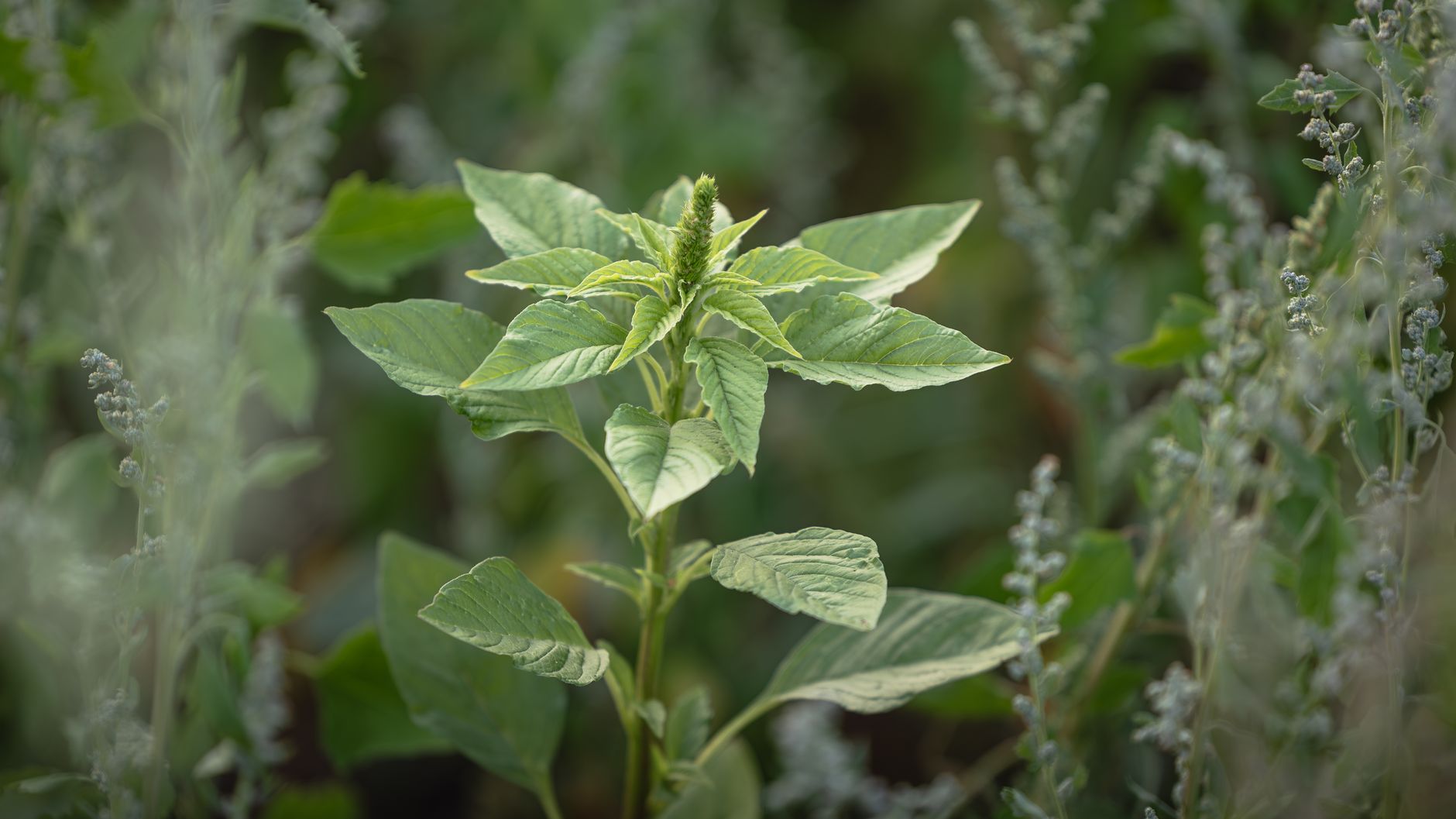
Amaranth and amaranthus are the same plant. Learn how to grow this ancient grain for seed or greens, with varieties, planting dates, and harvest tips.
Amaranth and amaranthus are the same plant. The genus name is Amaranthus, and “amaranth” is the common name. You might see seed packets labeled either way, but they refer to the same group of plants. This guide covers how to grow amaranth for grain or greens, including varieties, planting, and harvest.
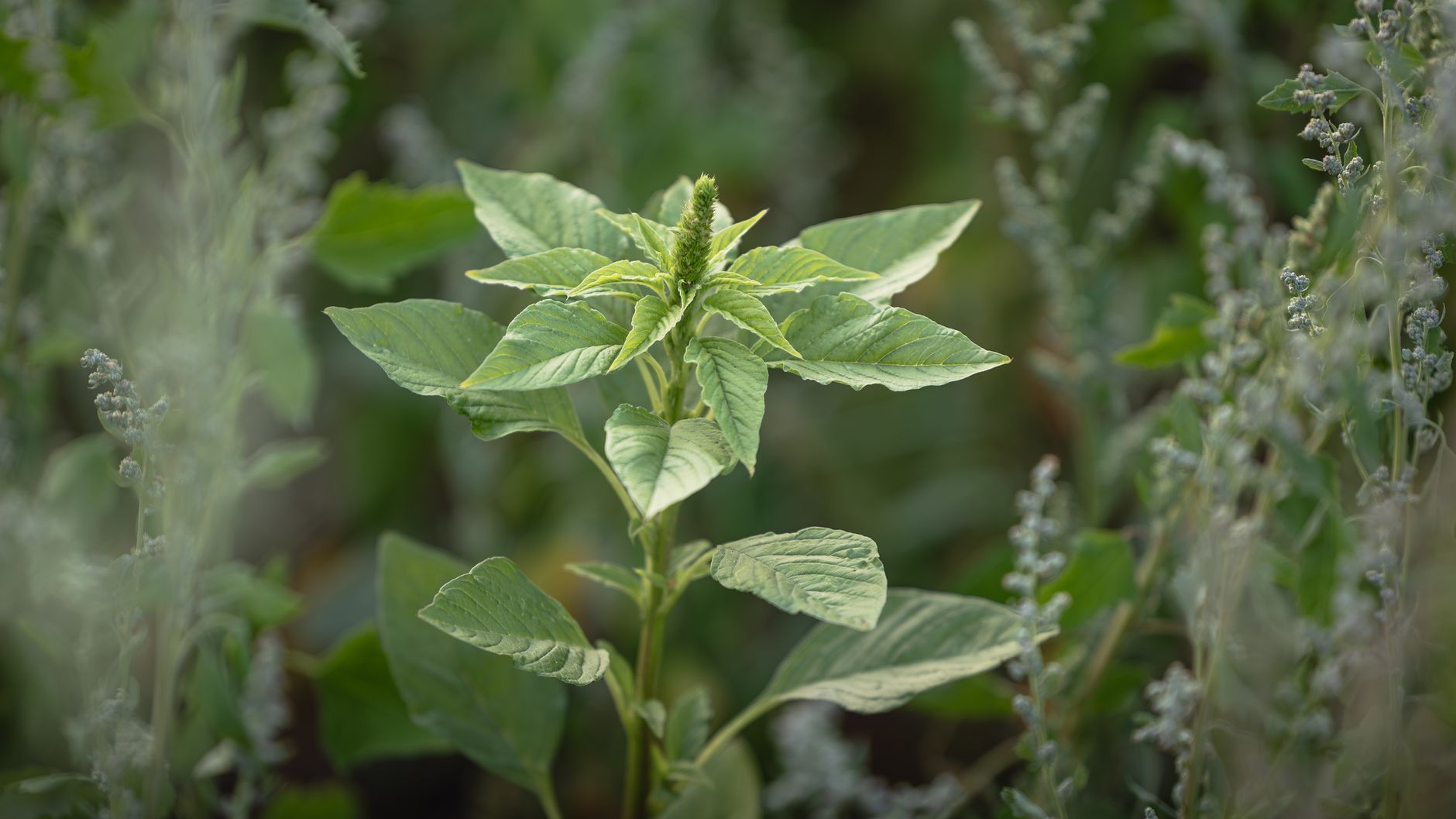
What is amaranth?
Amaranth is a broadleaf annual that has been cultivated for thousands of years. It produces edible seeds that are high in protein and gluten-free, and its leaves are nutritious greens. There are many species, but the most common for grain are Amaranthus hypochondriacus, A. cruentus, and A. caudatus. F
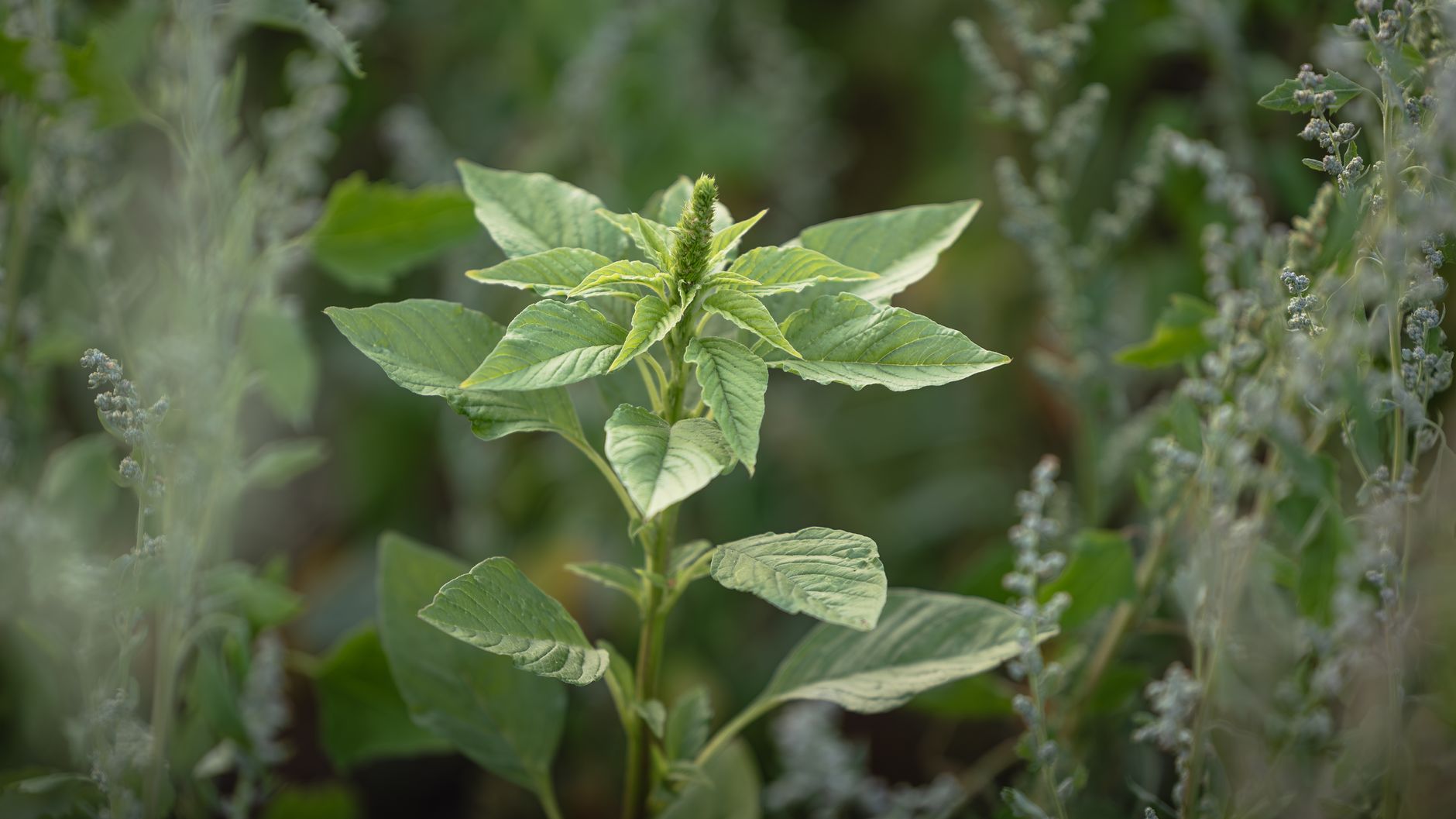 or greens, A. tricolor is popular. All are warm-season crops that thrive in heat.
Grain amaranth vs. leafy amaranth
Grain amaranth grows 4 to 6 feet tall with large flower heads that contain thousands of tiny seeds. Leafy amaranth, often called Chinese spinach or callaloo, is shorter and grown for its tender leaves. Some varieties are dual-purpose, but you will get better results if you choose a type for your primary goal.
| Type | Height | Best for | Example varieties |
|---|---|---|---|
| Grain | 4-6 ft | Seed harvest | ‘Burgundy’, ‘Golden Giant’, ‘Hopi Red Dye’ |
| Leafy | 2-3 ft | Greens | ‘Red Leaf’, ‘Green Callaloo’, ‘White Leaf’ |
How to plant amaranth
Amaranth is easy to start from seed directly in the garden after the last frost. Soil temperature should be at least 65°F for good germination. In most regions, that means planting from late May to early June.
- Zones 3-5: Plant in early June.
- Zones 6-7: Plant in mid-May to early June.
- Zones 8-10: Plant in April or May, and you can also plant a fall crop in August.
Sow seeds 1/4 inch deep, spacing them 2 inches apart in rows 18 to 24 inches apart. Thin seedlings to 12 to 18 inches apart for grain types, or 6 inches for leafy types. Amaranth tolerates poor soil but prefers well-drained loam with a pH of 6.0 to 7.5.
Caring for amaranth
Amaranth is drought-tolerant once established, but consistent moisture helps young plants. Water deeply once a week if rainfall is less than 1 inch. Mulch to suppress weeds, especially when plants are small. Amaranth does not need heavy fertilizer; too much nitrogen can cause lush growth but fewer seeds. A side-dressing of compost at midseason is plenty.
Harvesting amaranth seeds
Grain amaranth matures in 90 to 120 days, depending on variety. The seed heads will turn brown and dry. To test, rub a head between your hands: if seeds fall easily, it is time to harvest. Cut the entire head and place it in a paper bag. Dry in a warm, airy place for a week or two. Then thresh by rubbing the heads over a screen or using a bucket and a stick. Winnow to remove chaff: pour seeds from one container to another in front of a fan on low.
A 10-foot row can yield 1 to 2 pounds of seed, which is enough for a small family. Expect to pay $5 to $10 for a packet of seeds, and you can save your own seed for next year.
Harvesting amaranth greens
For greens, start harvesting when plants are 6 to 8 inches tall. Pick the top leaves and tender stems, which encourages bushier growth. You can continue harvesting for several weeks. Greens are best cooked, as raw leaves have a slightly bitter taste. Use them like spinach in sautés, soups, or stir-fries.
Common problems
Amaranth has few pests, but watch for aphids and flea beetles. A strong spray of water or insecticidal soap handles most infestations. Birds love the seeds, so cover seed heads with netting as they mature. Avoid overwatering, which can cause root rot.
FAQ
Is amaranth the same as amaranthus? Yes. Amaranthus is the botanical genus, and amaranth is the common name. They are interchangeable.
Can I eat amaranth leaves raw? Technically yes, but they are better cooked. Raw leaves can be tough and slightly bitter. Cooking improves texture and flavor.
How long does amaranth take to grow? For greens, about 30 to 40 days from seed to first harvest. For grain, 90 to 120 days.
Can I grow amaranth in containers? Yes, but choose a leafy variety and use a pot at least 12 inches deep. Grain types need too much space for containers.
Related guides
The bottom line
Amaranth and amaranthus are the same plant, so do not get hung up on the name. Choose a grain variety if you want seeds, or a leafy type for greens. Plant after the last frost, keep weeds down, and harvest at the right time. With minimal effort, you will have a nutritious crop that thrives in summer heat. Start with a small patch this year, and you will likely add more next season.