Amaranth vs barley
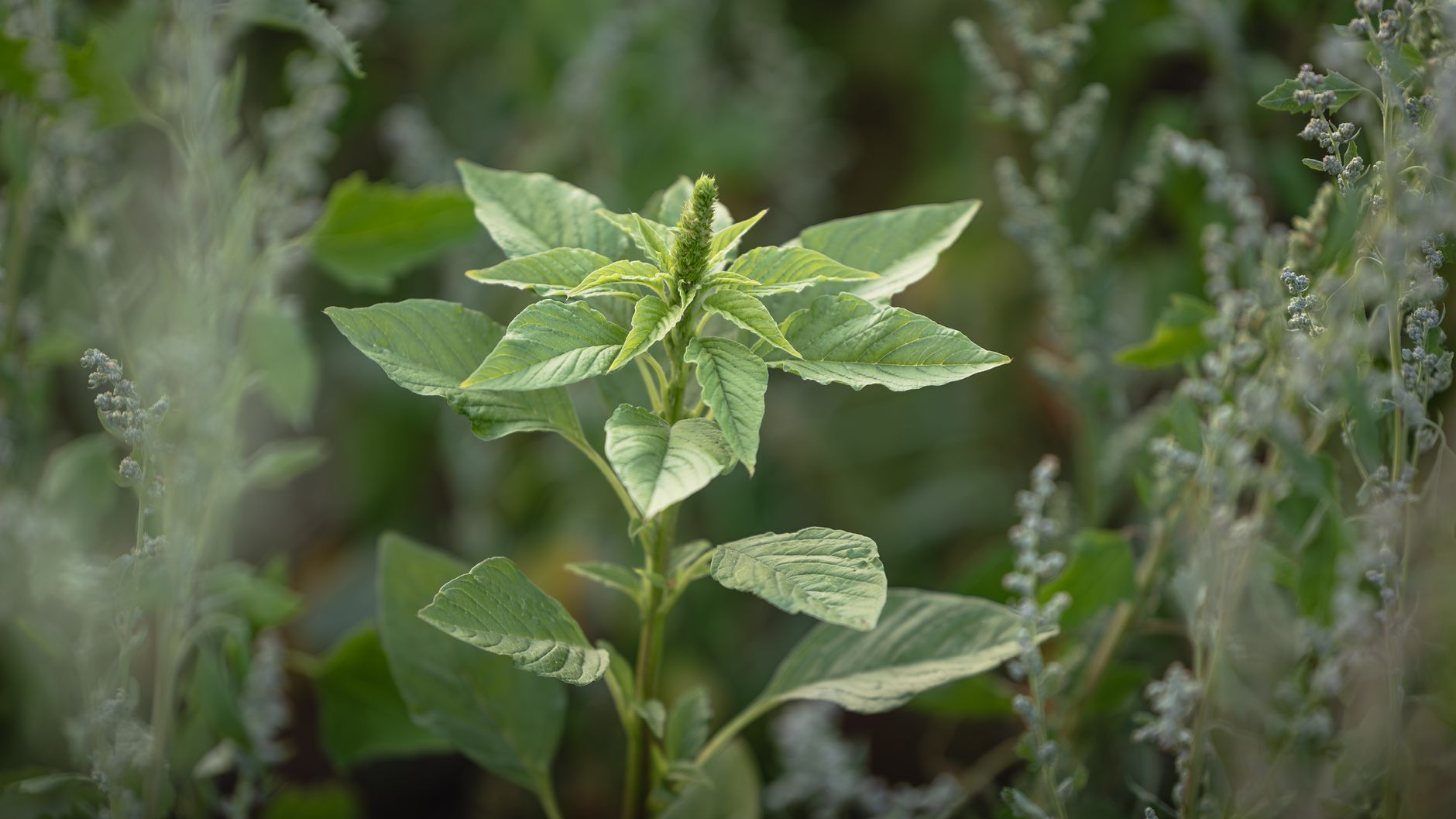
Compare amaranth and barley for your garden or homestead: climate needs, yield, processing, and which grain fits your goals. Realistic 2026 data.
If you are deciding between amaranth and barley, the short answer is: grow barley if you want a reliable, cool-season grain for flour or animal feed, and grow amaranth if you have hot summers, poor soil, or want a gluten-free pseudo-grain with more protein. Both are worth a spot, but they serve different purposes and need different timing. Here is what I have learned from growing both in my own fields and from talking to neighbors who do the same.
Climate and growing season
Barley is a cool-season crop. It thrives in USDA zones 3 to 8 and needs about 60 to 90 days from planting to harvest, depending on variety. Plant it as soon as the soil can be worked in early spring, usually 2 to 4 weeks before your last frost date. In mild winter areas (zones 7 and warmer), you can also plant it in fall for a spring harvest. Barley does not like heat: once temperatures regularly hit 85°F, it stops filling grain and yields drop.
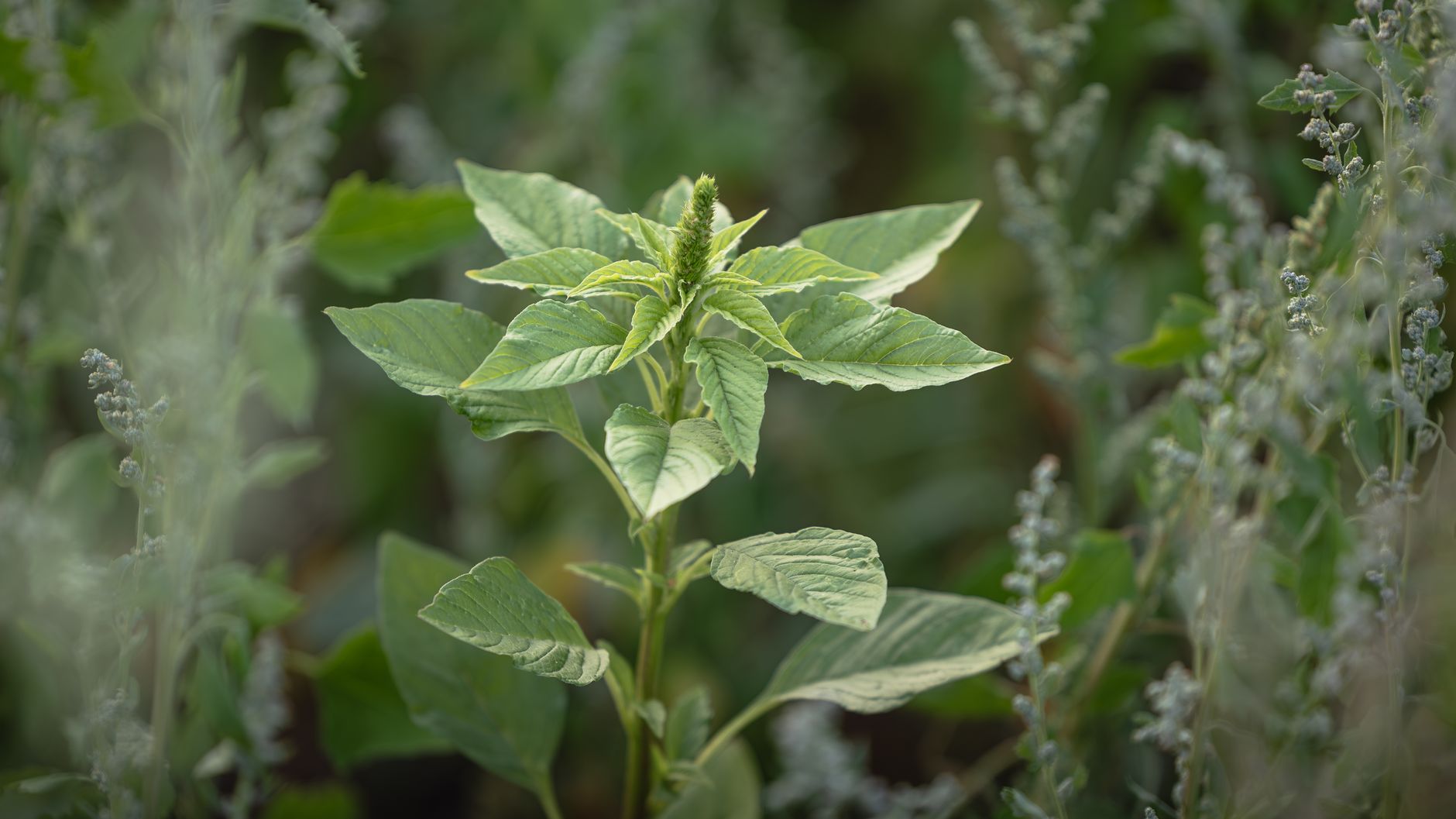
Amaranth is a warm-season crop. It needs soil temperatures above 65°F to germinate, so wait until after your last frost. It grows best in zones 4 to 10, but it really shines in hot, dry conditions where barley would fail. Amaranth needs 90 to 120 days to mature, so in short-season zones (4 and 5), start seeds indoors 4 to 6 weeks befo
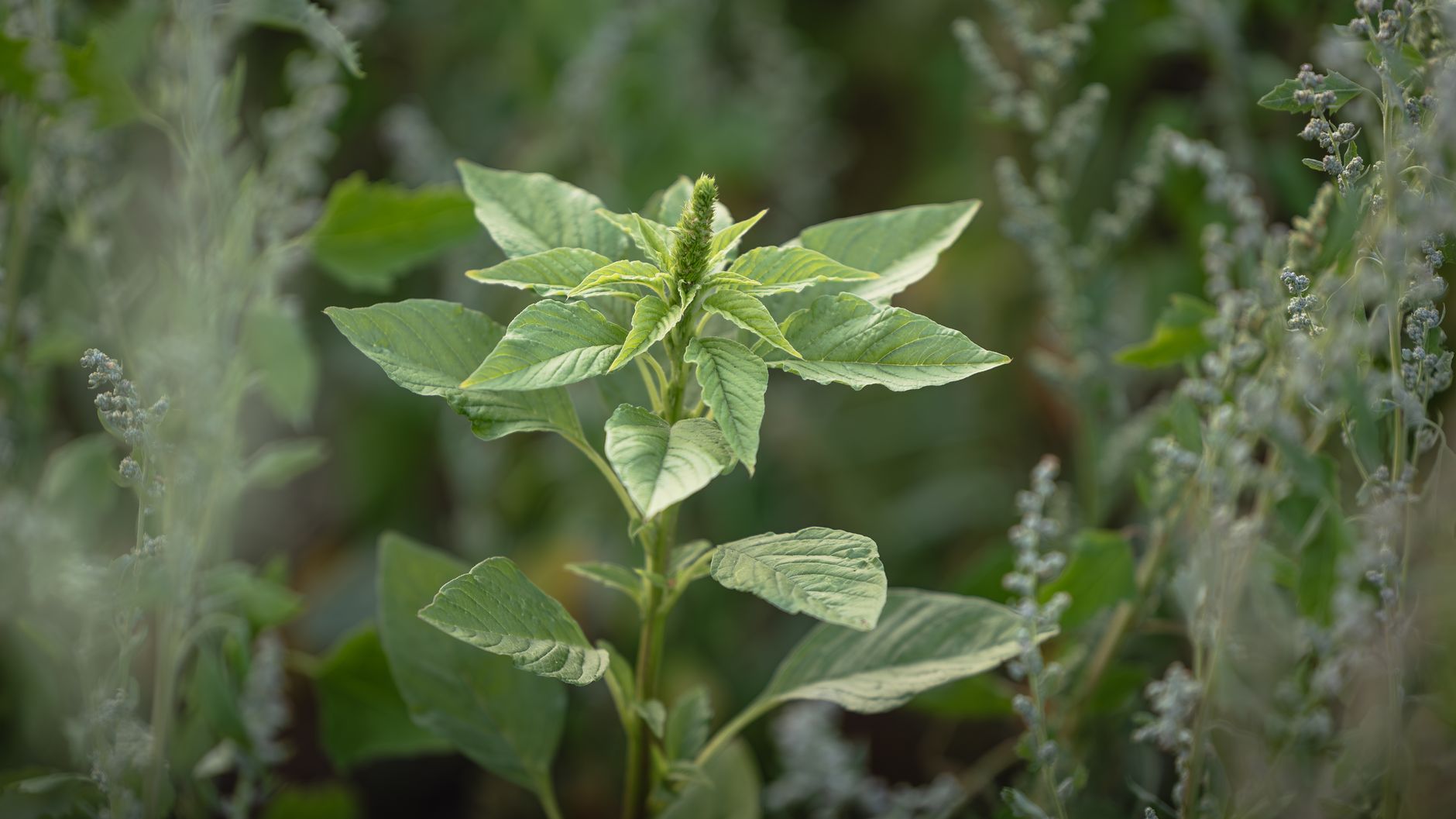 re the last frost or choose a fast variety like ‘Golden Giant’ (90 days).
Yield and space
Yields vary widely, but here are realistic numbers from my experience and from university trials:
- Barley: 1 to 2 pounds of grain per 100 square feet, or about 20 to 40 bushels per acre (48 pounds per bushel). In a home garden, a 10x10 foot bed gives you roughly 1.5 pounds of hulled barley.
- Amaranth: 1 to 1.5 pounds of grain per 100 square feet, or about 1,000 to 2,000 pounds per acre (which is 20 to 40 bushels at 50 pounds per bushel). A 10x10 foot bed yields about 1 pound of amaranth grain.
Both are space-efficient for home use, but barley gives more grain per square foot in cool climates, while amaranth outyields barley in hot, dry conditions.
Planting and care
Barley
- Spacing: sow seeds 1 inch deep, 1 to 2 inches apart in rows 6 to 8 inches apart. For a dense stand, broadcast and rake in.
- Soil: prefers well-drained loam with pH 6.0 to 7.5. It tolerates poor soil but yields drop.
- Water: needs about 1 inch per week during tillering and heading. Too much water can cause lodging.
- Fertilizer: moderate nitrogen, about 50 to 80 pounds per acre. Too much nitrogen makes the straw weak.
Amaranth
- Spacing: sow seeds 1/4 inch deep, 12 to 18 inches apart in rows 18 to 24 inches apart. Thin to 12 inches for larger heads.
- Soil: tolerant of poor, dry soil, but prefers well-drained loam with pH 6.0 to 7.0.
- Water: drought-tolerant once established, but water during flowering and grain fill for better yields.
- Fertilizer: light feeder, 20 to 40 pounds of nitrogen per acre. Too much makes it leafy and delays flowering.
Harvest and processing
Barley
Harvest when the straw turns yellow and the grain is hard, usually 60 to 90 days after planting. Cut the stalks, bundle them, and let them dry for a week or two. Thresh by beating the bundles or using a grain flail. Then winnow to remove chaff. The grain still has a hull that is tough to remove. For home use, you can store it as hulled barley (the hull stays on) or try to dehull with a barley pearler, which costs $200 to $400. Most home growers just use it as feed or sprout it. For flour, you need to remove the hull, which is labor-intensive without a mill.
Amaranth
Harvest when the flower heads are dry and the seeds fall easily when rubbed, usually 90 to 120 days after planting. Cut the heads and place them in a paper bag to finish drying. Thresh by rubbing the heads over a screen or using a bucket and a stick. Winnow to remove chaff. Amaranth seeds are tiny, so use a fine screen (1/16 inch) and a gentle breeze. No hull to remove, so it is ready to cook or grind right away.
Nutrition and uses
Barley is a true cereal grain with gluten. It is high in fiber, especially beta-glucan, which helps lower cholesterol. Use it in soups, stews, or as a rice substitute. You can also malt it for beer. Amaranth is a pseudo-grain, gluten-free, and higher in protein (about 14%) and lysine, an amino acid often lacking in grains. Use it as a hot cereal, pop it like popcorn, or grind it into flour for baking. Amaranth flour has no gluten, so mix it with wheat flour for bread.
Cost and availability
In 2026, seed prices are:
- Barley seed: $10 to $20 per pound, enough for 500 to 1,000 square feet.
- Amaranth seed: $5 to $10 per ounce, enough for 200 to 400 square feet (seeds are tiny).
Grain prices at retail: hulled barley $1.50 to $2.50 per pound, amaranth grain $4 to $6 per pound. Growing your own saves money only if you value the experience, because labor and processing time are significant.
Which should you choose?
Choose barley if:
- You have a cool spring and want a reliable grain for flour or animal feed.
- You are willing to deal with hulling or have a pearler.
- You want a traditional cereal grain for soups and brewing.
Choose amaranth if:
- You have hot summers or poor, dry soil.
- You need a gluten-free grain with high protein.
- You want an easy-to-process grain with no hull.
Both are rewarding, but they are not interchangeable. I grow both: barley in the spring, then amaranth in the same bed after barley harvest, which gives me two grains from one plot.
FAQ
Can I grow amaranth in a cold climate?
Yes, but choose a short-season variety like ‘Golden Giant’ (90 days) and start seeds indoors 4 to 6 weeks before the last frost. In zone 4, you might get a harvest if you have a warm fall, but it is risky. Barley is a safer bet in cold climates.
Do I need special equipment to process barley?
For small amounts, you can thresh and winnow by hand, but removing the hull is the hard part. A barley pearler costs $200 to $400. If you do not want to invest, use barley as animal feed or sprout it. Amaranth is much easier: no hull to remove.
Which grain has more protein?
Amaranth has about 14% protein, while barley has about 12%. Amaranth also has more lysine, making it a complete protein. For gluten-free diets, amaranth is the clear choice.
Can I plant both in the same season?
Yes, in many areas. Plant barley in early spring, harvest in early summer, then plant amaranth in the same bed for a fall harvest. This works in zones 5 to 8, where you have enough warm days left.
Related guides
The bottom line
Barley is a reliable cool-season grain with gluten, but it requires hulling. Amaranth is a heat-loving, gluten-free pseudo-grain that is easier to process. Choose based on your climate and how you plan to use the grain. Start small, maybe a 10x10 foot bed, and see which one fits your rotation. Both are worth growing, and you can even grow both in one season if you time it right.