Best soil for container herbs
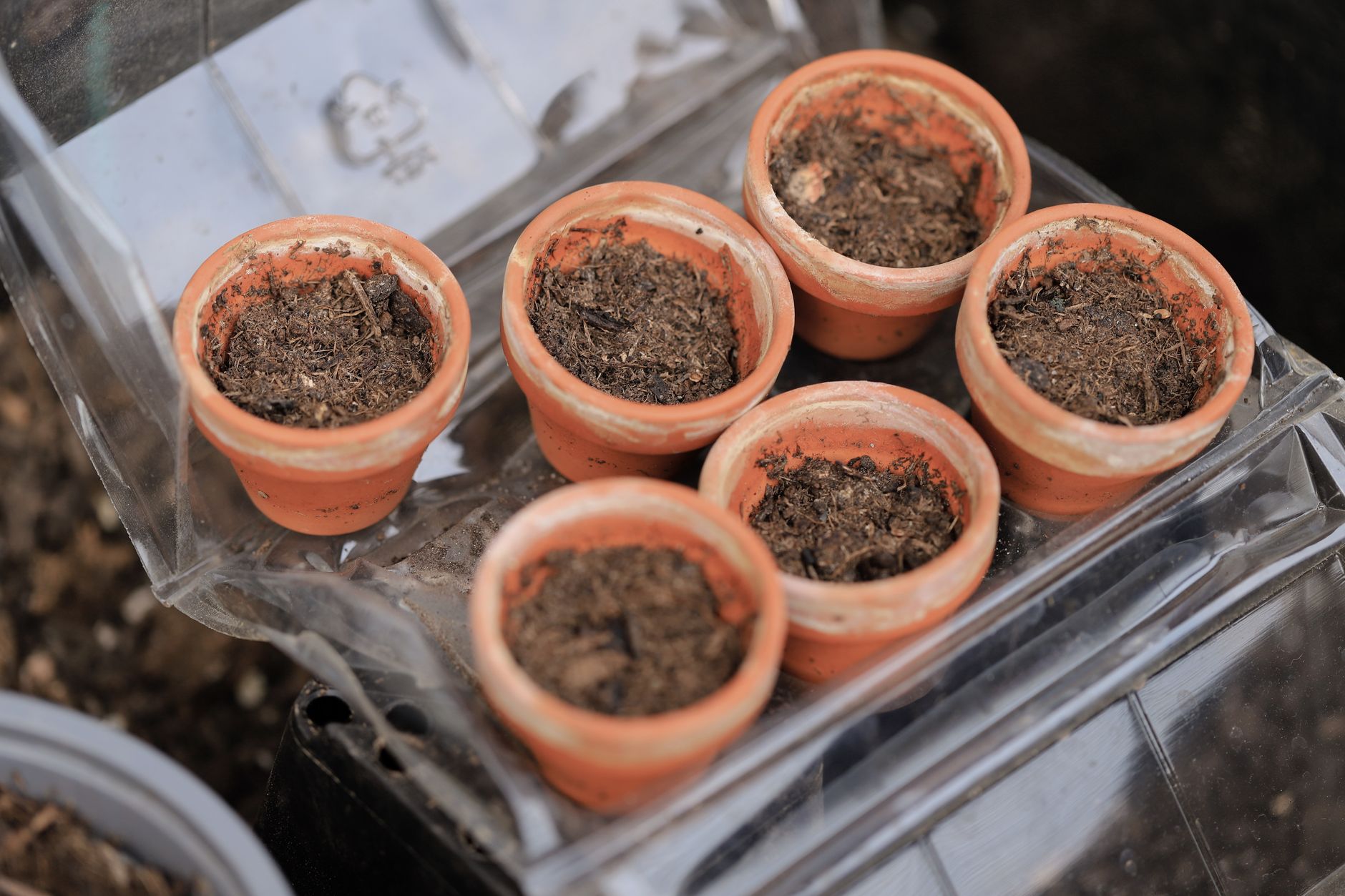
Discover the ideal soil mix for container herbs: drainage, aeration, and nutrients. Learn to mix your own or choose the best commercial blend.
The best soil for container herbs is a well-draining, slightly alkaline mix that holds moisture without becoming waterlogged. A simple recipe is 2 parts quality potting mix, 1 part coarse perlite, and 1 part compost. This combination works for most culinary herbs like basil, rosemary, thyme, and oregano. Avoid garden soil or mixes with moisture-retaining crystals, as they lead to root rot.
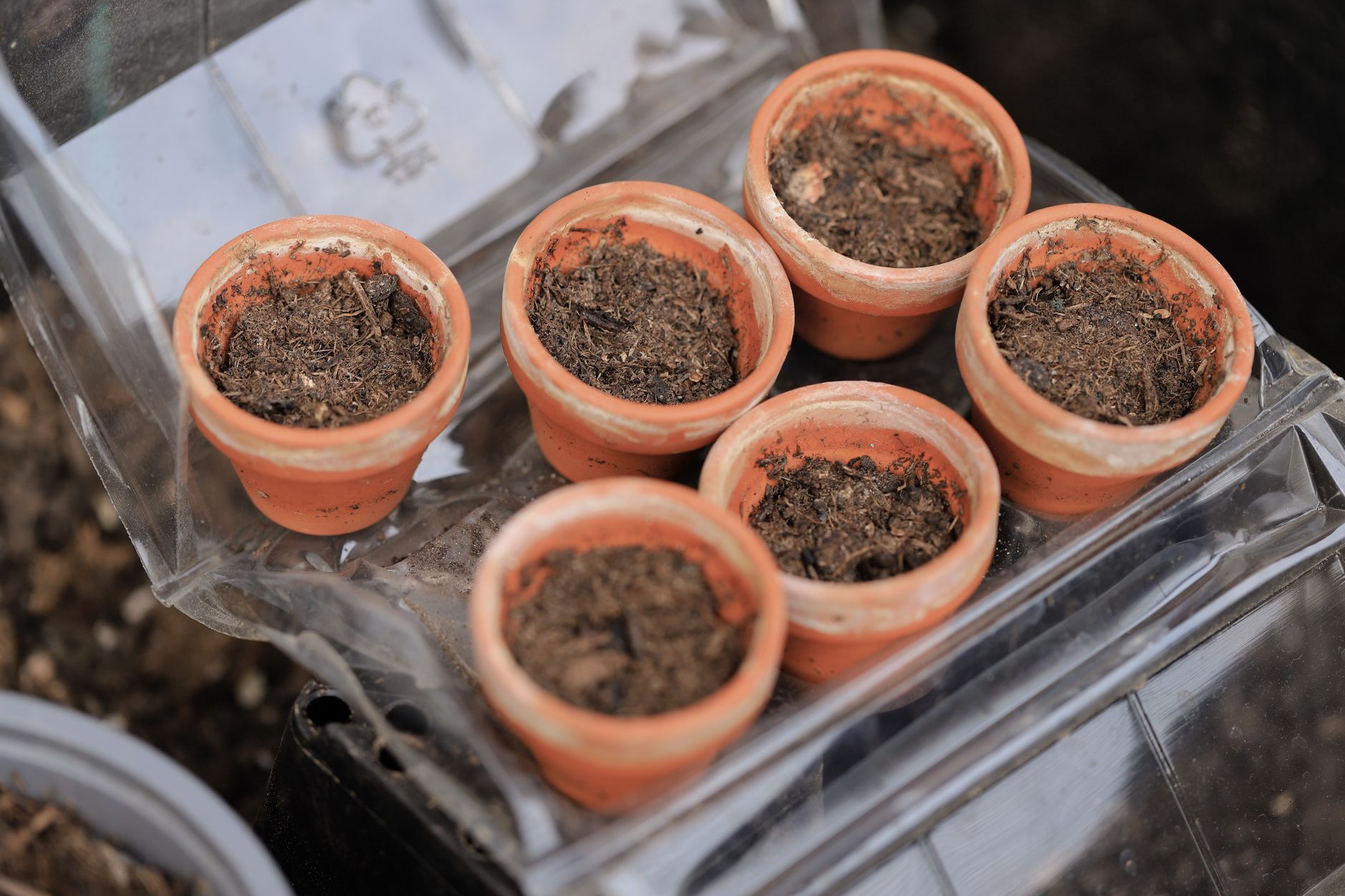
Why Soil Matters for Container Herbs
Herbs in containers have limited root space, so the soil must provide both support and drainage. Most herbs prefer a soil pH between 6.0 and 7.5, with Mediterranean herbs like rosemary and thyme thriving at the higher end. The key is to mimic their native conditions: well-drained,
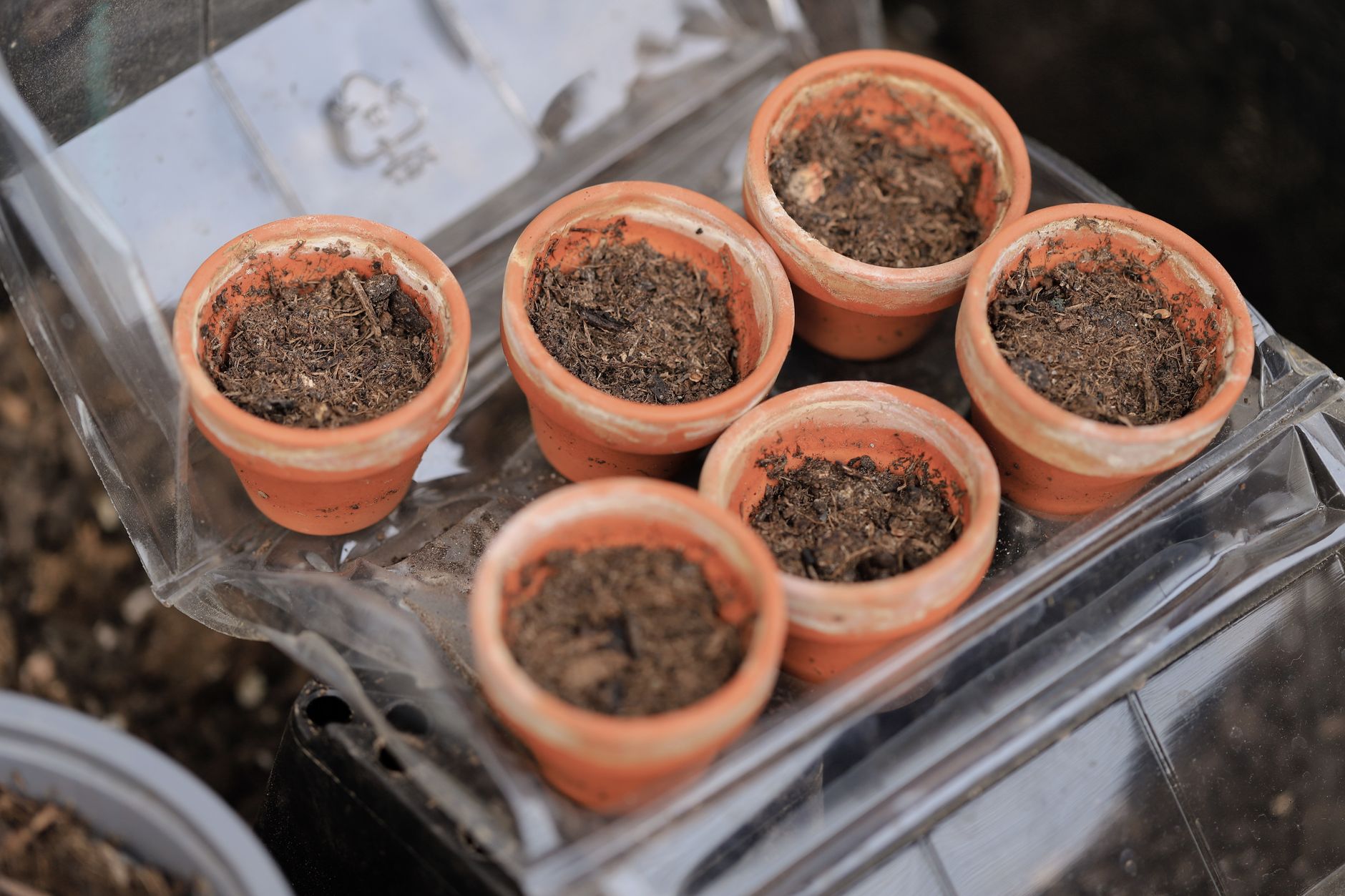 lean soil. Overly rich soil encourages lush leaves but dilutes essential oils, reducing flavor.
The Ideal Soil Mix: Ingredients and Ratios
For most container herbs, mix:
- 2 parts high-quality potting mix: Look for a mix with compost, peat moss or coconut coir, and perlite. A good bag costs $10-$15 for 1.5 cubic feet.
- 1 part coarse perlite: Improves drainage and aeration. A 4-quart bag runs $5-$8.
- 1 part compost or worm castings: Adds nutrients and beneficial microbes. Compost is $3-$5 per cubic foot; worm castings are $10-$15 for 4 pounds.
Mix thoroughly in a wheelbarrow or large tub. This blend works for basil, parsley, cilantro, dill, and chives. For Mediterranean herbs (rosemary, thyme, oregano, sage), reduce compost to 1/2 part and add 1/2 part coarse sand or fine gravel to increase drainage.
Commercial Mixes: What to Look For
If you prefer a ready-made mix, choose a potting mix labeled for containers or vegetables. Avoid mixes with added fertilizers or moisture-control beads. Good options include:
- FoxFarm Ocean Forest Potting Mix: $20-$25 for 1.5 cubic feet. Rich, but you may need to add perlite.
- Pro-Mix Organic Vegetable and Herb Mix: $15-$18 for 1.5 cubic feet. Balanced and ready to use.
- Espoma Organic Potting Mix: $12-$15 for 1.5 cubic feet. Light and airy.
Check the ingredient list: it should include perlite or pumice, not just peat and bark. If the bag feels heavy when dry, it likely has too much moisture-retaining material.
How to Prepare and Fill Your Containers
- Choose containers with drainage holes: At least 1/4 inch in diameter. If using decorative pots without holes, drill them or use a liner.
- Add a layer of gravel or broken pottery (1 inch) at the bottom to prevent soil from washing out, though this is optional if you use a screen.
- Fill with your soil mix, leaving 1 inch of space below the rim. Gently firm the soil, but don’t pack it.
- Water thoroughly after planting to settle the soil. Check that water drains freely from the bottom.
Maintaining Soil Health Throughout the Season
Herbs deplete nutrients over time. Start with compost in the mix, then feed monthly with a balanced liquid fertilizer (like fish emulsion, $10-$15 per quart) at half strength. Top-dress with compost or worm castings every 6-8 weeks. In hot climates, mulch with a thin layer of straw or shredded bark to retain moisture and keep roots cool.
Watch for signs of soil problems: yellowing leaves often indicate poor drainage or nutrient deficiency; a sour smell means anaerobic conditions. If the soil becomes compacted, gently aerate with a fork.
Common Mistakes to Avoid
- Using garden soil: It compacts in containers, suffocating roots. Always use a potting mix.
- Overwatering: Even with good soil, too much water causes root rot. Check the top inch of soil; water only when dry.
- Skipping drainage: Ensure pots have holes and the soil drains quickly. A simple test: water the pot, and it should drain within 10 seconds.
- Adding too much fertilizer: Herbs need less than vegetables. Overfeeding reduces flavor.
FAQ
Can I use cactus soil for herbs?
Cactus soil is too sandy and drains too fast for most herbs. It may work for rosemary and thyme if mixed with potting soil, but for basil and parsley, stick to the standard mix.
How often should I replace the soil in herb containers?
Replace the soil every 1-2 years. After a season, the structure breaks down and nutrients are depleted. In between, refresh with compost.
Do herbs need different soil for indoor vs. outdoor?
Indoor herbs need a lighter mix with more perlite to prevent waterlogging, as indoor pots often have less evaporation. Use the same base mix but increase perlite to 1.5 parts.
Is it worth buying expensive soil?
Not always. A mid-priced mix with added perlite and compost works as well as premium brands. The key is drainage, not price.
The Bottom Line
The best soil for container herbs is a well-draining mix of potting soil, perlite, and compost. Tailor it to your herbs: richer for moisture-loving basil, leaner for Mediterranean types. Use quality commercial mixes or make your own, and maintain with light feeding and proper watering. With the right soil, your herbs will thrive and flavor your cooking all season long.