Best soil for container gardening vegetables
Learn the best soil mix for container vegetables, with real ratios, varieties, and costs. Get thriving plants in pots, from tomatoes to greens.
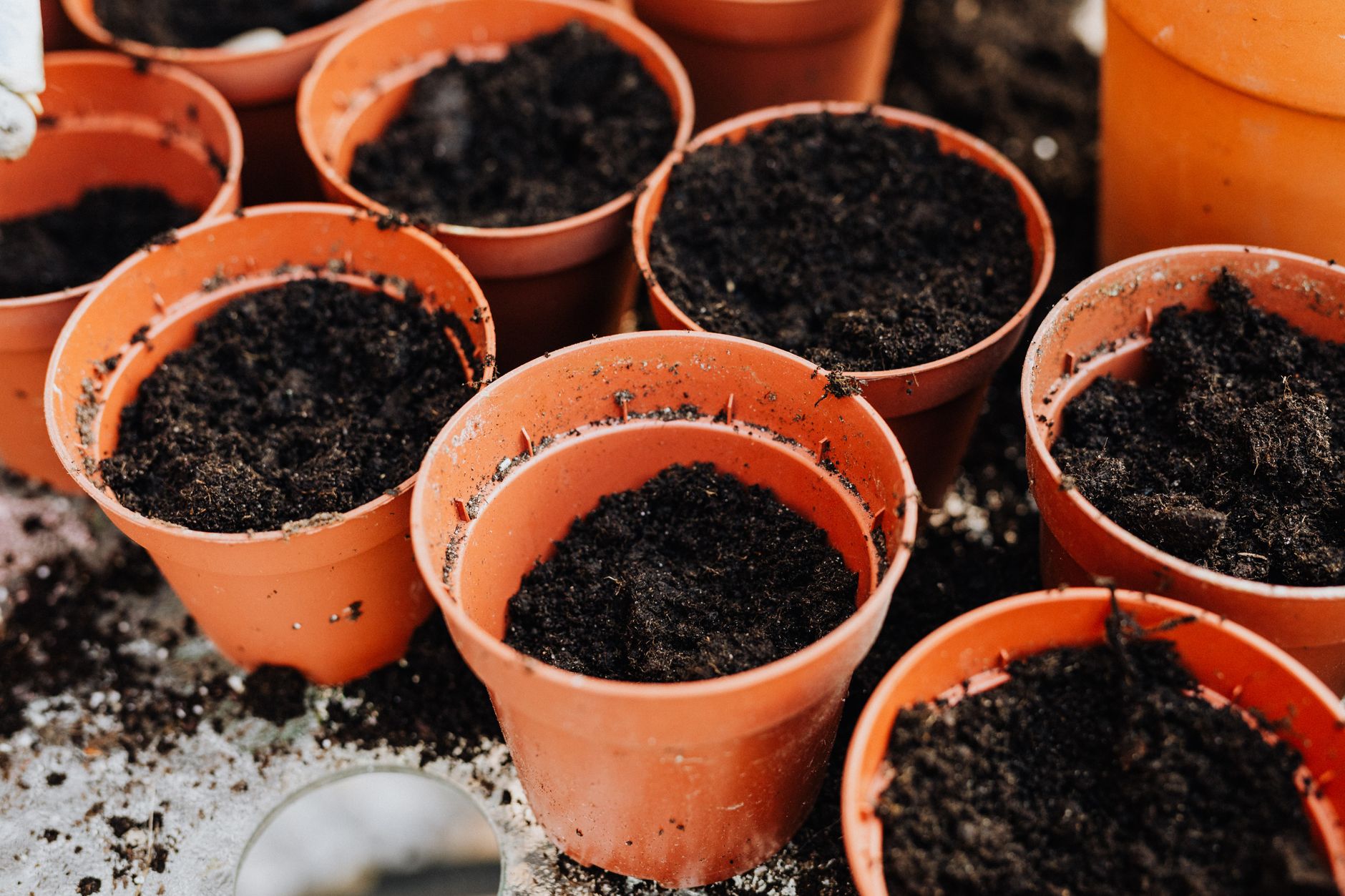
The best soil for container vegetables is a lightweight, well-draining mix that holds moisture and nutrients without compacting. A blend of 60% high-quality potting mix, 30% compost, and 10% perlite or vermiculite works for most crops. This gives roots air, water, and food, and it is what I use after years of trial and error.
Why regular garden soil fails in containers
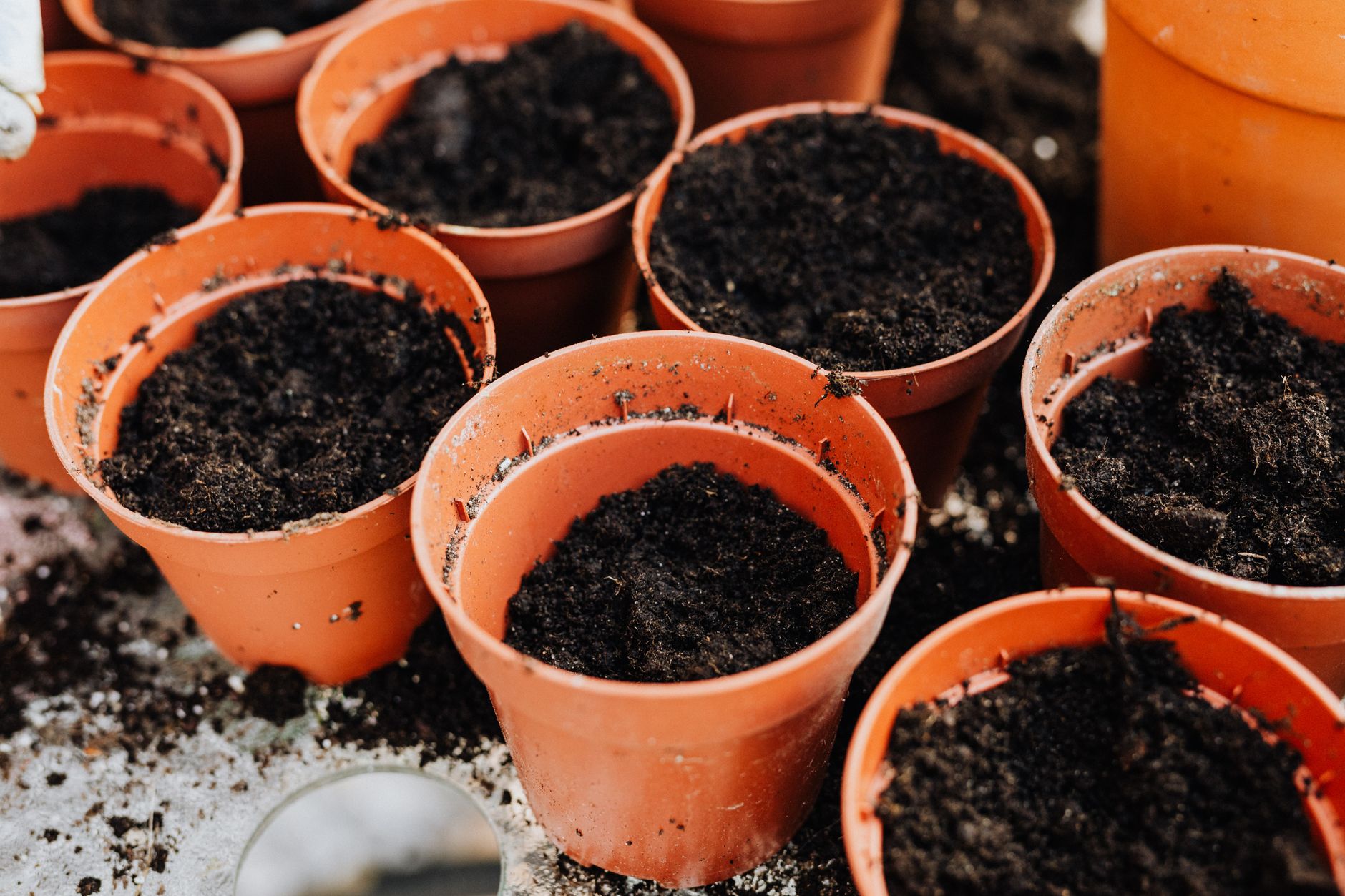
Garden soil is too dense for pots. It compacts, suffocates roots, and drains poorly, leading to waterlogged soil and
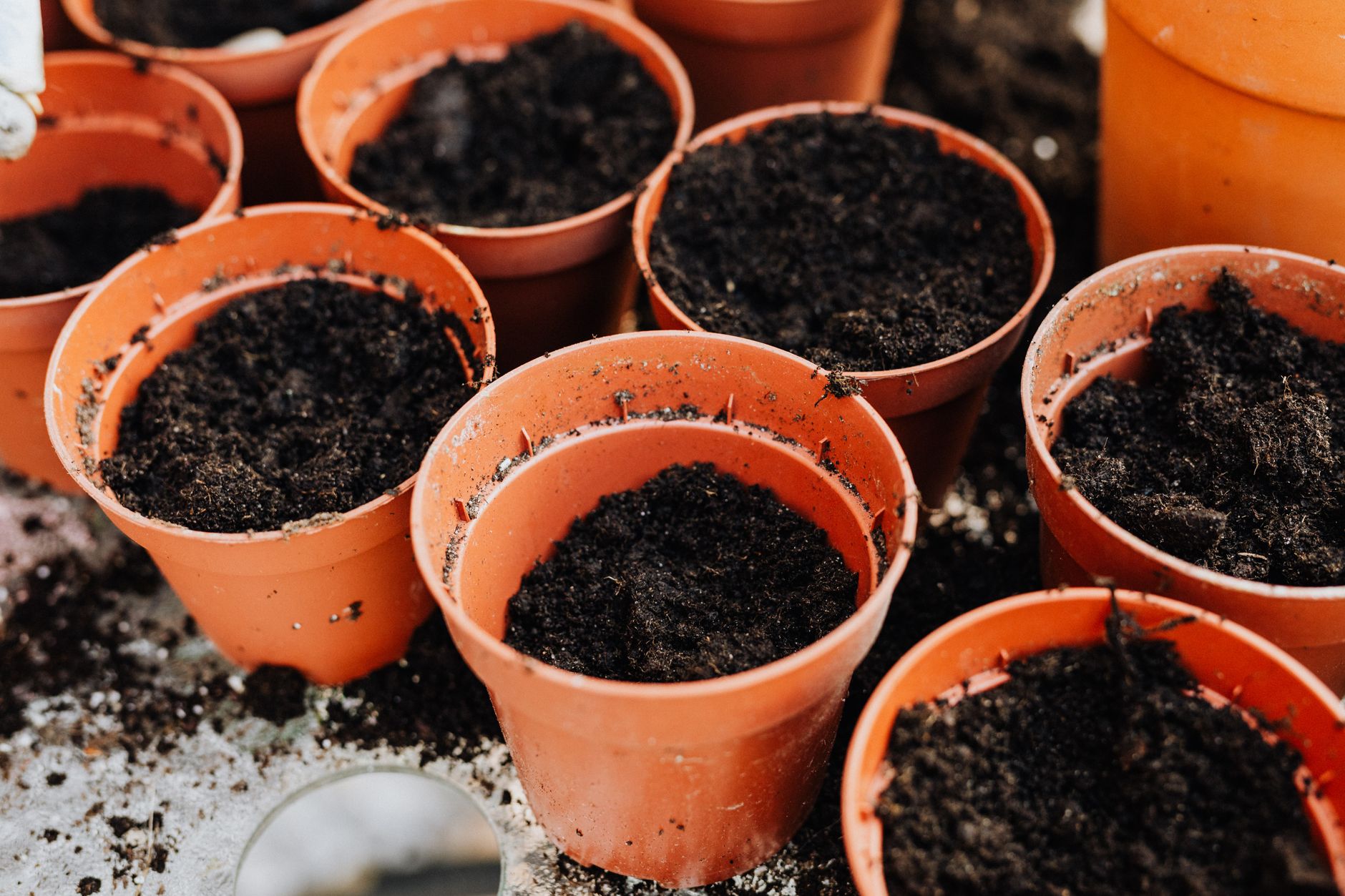 root rot. It also brings weed seeds and diseases. Container vegetables need a soilless mix that stays loose and drains fast.
The ideal container soil recipe
For most vegetables, mix by volume:
- 60% high-quality potting mix (not garden soil)
- 30% compost (aged, screened)
- 10% perlite or vermiculite for aeration
This mix works for tomatoes, peppers, greens, and herbs. For root crops like carrots or radishes, reduce compost to 20% and increase perlite to 20% to keep the soil loose for root growth.
Why each ingredient matters
- Potting mix: Provides structure, peat or coir for moisture, and a balanced start. Look for a mix with added lime and slow-release fertilizer.
- Compost: Adds nutrients and beneficial microbes. Use aged compost; fresh compost can burn roots.
- Perlite or vermiculite: Perlite improves drainage, vermiculite holds water. Choose based on your climate: perlite for hot, dry areas; vermiculite for cooler, wetter ones.
Choosing a commercial potting mix
If you buy a bag, choose one labeled for containers or vegetables. Avoid mixes with added chemical fertilizers if you plan to add your own; they can cause salt buildup. In 2026, a 2-cubic-foot bag costs $12 to $20. Brands like FoxFarm Ocean Forest, Miracle-Gro Performance Organics, and Pro-Mix Vegetable and Herb are reliable.
Amending for specific vegetables
Different vegetables have different needs:
- Tomatoes and peppers: Add a handful of bone meal for phosphorus and a handful of kelp meal for trace minerals. Use a 5-gallon pot or larger.
- Leafy greens: They are light feeders. Use the basic mix and add a balanced organic fertilizer every 3 weeks.
- Root crops: Use the root-specific mix above, and avoid fresh manure, which causes forked roots.
How to prepare and fill containers
- Choose a pot with drainage holes. Add a layer of gravel or a coffee filter over the holes to prevent soil loss.
- Moisten the mix before filling: it should feel like a wrung-out sponge.
- Fill the pot to 1 inch below the rim. This leaves room for watering.
- Plant at the correct depth: tomatoes deep, up to the first true leaves; peppers at the same depth as in the pot; greens shallow.
- Water thoroughly after planting, and add a layer of mulch (straw or shredded leaves) to retain moisture.
Fertilizing container vegetables
Container soil loses nutrients quickly due to frequent watering. Feed every 2 to 3 weeks with a balanced liquid fertilizer like fish emulsion (5-1-1) or a seaweed blend. For tomatoes, switch to a higher-phosphorus fertilizer (like 5-10-5) once flowers appear. In 2026, a 32-ounce bottle of fish emulsion costs $10 to $15.
Common soil problems and fixes
- Soil dries out too fast: Add more compost or vermiculite, or use a larger pot. Mulch helps too.
- Soil stays soggy: Add more perlite, and ensure drainage holes are not blocked.
- White mold on soil surface: Usually harmless, but improve air circulation and let the top inch dry between waterings.
- Nutrient deficiencies: Yellow leaves often mean nitrogen shortage. Apply a quick liquid feed.
Realistic yields and costs
With good soil, expect:
- A tomato plant in a 5-gallon pot: 10 to 15 pounds per season.
- A pepper plant: 5 to 8 peppers.
- A lettuce container (12-inch pot): 2 to 3 harvests of cut-and-come-again leaves.
Initial soil costs: a 2-cubic-foot bag of potting mix ($15) plus compost ($5) and perlite ($8) fills about four 5-gallon pots. That is $7 per pot, which is reasonable for the season.
FAQ
Can I reuse container soil from last year?
Yes, but refresh it. Remove old roots, add 20% new compost, and mix in a slow-release fertilizer. Do not reuse soil that had diseased plants.
How often should I water container vegetables?
Usually daily in summer, sometimes twice a day for small pots. Check the top inch of soil: if dry, water until it drains from the bottom.
Do I need to change the soil every year?
Not completely. Replace about one-third of the soil annually with fresh compost and potting mix. This keeps structure and nutrients balanced.
What is the cheapest way to make container soil?
Mix your own: buy a bale of peat moss or coir ($15), a bag of perlite ($8), and compost from your pile (free). This makes several pots for less than $1 per pot, but it takes more effort.
Related guides
The bottom line
The best soil for container vegetables is a light, well-draining mix with compost and perlite. Start with the 60-30-10 recipe, adjust for specific crops, and feed regularly. With good soil, your container garden will produce healthy, tasty vegetables all season. Avoid garden soil, keep pots watered, and you will succeed.