Best soil for container gardening
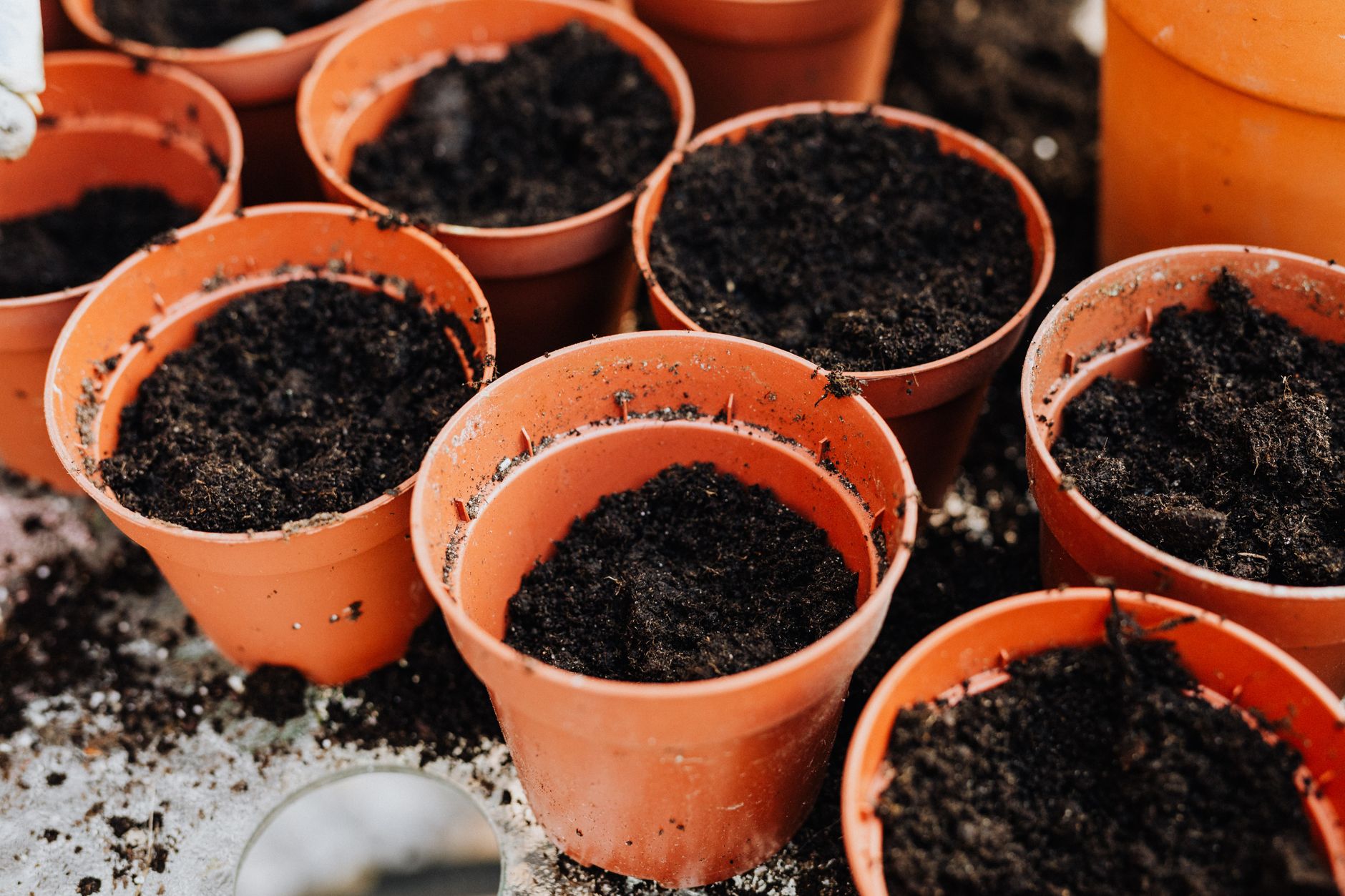
Learn what makes the best soil for container gardening, including mix recipes, amendments, and tips for healthy potted plants in 2026.
The best soil for container gardening is a lightweight, well-draining potting mix, not garden soil. Garden soil compacts in pots, suffocating roots and causing waterlogging. A quality potting mix provides the right balance of aeration, moisture retention, and nutrients. In this guide, I’ll break down what to look for, how to mix your own, and how to keep it healthy season after season.
What Makes a Potting Mix Ideal?
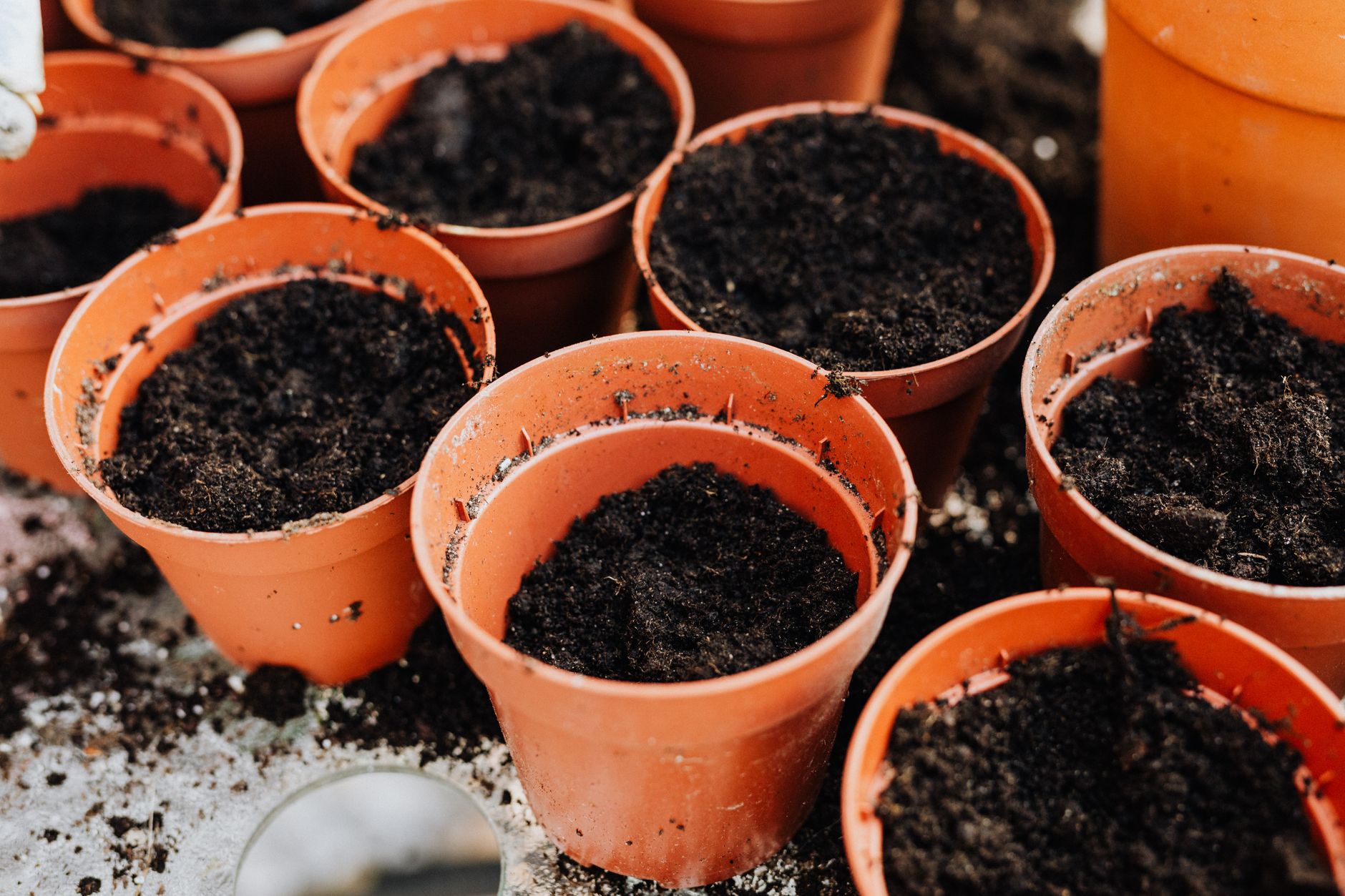
A good container mix should be loose and fluffy, even when moist. It needs to hold water long enough for roots to drink, but drain quickly so roots never sit in soggy conditions. The pH should be slightly acidic to neutral (6.0 to 7.0) for most vegetables and herbs. Look for these components:
- Peat moss or coco coir: Retains moisture and adds organic matter. Coco coir is more sustainable and rehydrates easily.
- Perlite or pumice: White volcanic rocks that improve drainage and aeration. Perlite is cheaper, pumice lasts longer.
- Compost: Adds nutrients and beneficial microbes. Use aged compost, not raw manure.
- Vermiculite: Helps retain water and nutrients, but can be too moisture-retentive for some plants. Use sparingly.
Avoid mixes with added fertilizers unless you know the nutri
 ent content. Many commercial mixes have slow-release fertilizers that can burn seedlings if too strong.
Commercial Potting Mixes: What to Buy
In 2026, you have several solid options at garden centers or online. Prices range from $10 to $25 for a 1.5 cubic foot bag (about 10 gallons). Here are reliable brands based on my testing:
| Brand | Key Features | Price Range (per bag) |
|---|---|---|
| FoxFarm Ocean Forest | Rich, compost-based, pH adjusted | $20-$25 |
| Pro-Mix HP | High porosity, peat-based, good for beginners | $15-$20 |
| Espoma Organic Potting Mix | Contains mycorrhizae, organic | $15-$20 |
| Miracle-Gro Performance Organics | Affordable, widely available | $10-$15 |
For seed starting, use a lighter mix like Pro-Mix Seed Starting Mix ($10-$12 for 8 quarts). For mature plants, a general-purpose mix works fine.
DIY Mix Recipe: The 60/20/20 Blend
Mixing your own soil saves money and lets you tailor it to your plants. Here’s a simple recipe that works for most vegetables and herbs:
- 60% coco coir or peat moss
- 20% perlite
- 20% compost
Add 1 tablespoon of lime per gallon of mix if using peat moss (to balance pH). For heavy feeders like tomatoes, add a handful of worm castings or a balanced organic fertilizer like Dr. Earth 4-4-4 ($12-$15 per 4 lb bag).
Mix thoroughly in a wheelbarrow or large tub. Moisten the mix slightly before filling pots; it should feel like a wrung-out sponge, not dripping wet.
Specialized Mixes for Specific Plants
Different plants have different needs. Here are tweaks for common container crops:
- Succulents and cacti: Use a mix with 50% perlite or coarse sand. Add extra grit for drainage. Cactus mix from brands like Bonsai Jack ($25 for 2 quarts) works well.
- Orchids: Use a bark-based mix with large chunks. Orchid mix from Better-Gro ($15-$20 per 4 quarts) provides excellent aeration.
- Acid-loving plants (blueberries, azaleas): Mix in peat moss and use a fertilizer for acid lovers. Espoma’s Soil Acidifier ($10-$12) can lower pH.
- Herbs like rosemary and thyme: Add extra perlite (up to 30%) to keep the soil lean and fast-draining.
How to Refresh and Reuse Soil
You can reuse potting mix for 2 to 3 seasons if you refresh it. After a crop, dump the soil into a tub and remove old roots. Add 20% fresh compost and a slow-release fertilizer. If the soil is compacted, mix in perlite.
To sterilize soil and kill pathogens, bake it in a 200°F oven for 30 minutes. This is optional but useful if you had disease issues. Let it cool before using.
Common Mistakes and How to Avoid Them
- Using garden soil: Never use garden soil in containers. It compacts and may contain pests. Stick to potting mix.
- Overwatering: The best soil won’t save you from overwatering. Check moisture by sticking your finger an inch deep. Water only when dry.
- Skipping drainage holes: Ensure every pot has holes. Add a layer of gravel or broken pottery at the bottom? Actually, skip the gravel; it reduces pot depth. Just use a good mix and holes.
- Forgetting to fertilize: Potting mixes lose nutrients quickly. Feed plants every 2-4 weeks with a liquid fertilizer like fish emulsion ($15-$20 per quart) or a balanced granular.
FAQ
Q: Can I use topsoil in containers? A: No. Topsoil is too dense and may contain weed seeds or pathogens. Use a potting mix instead.
Q: How often should I replace potting mix? A: Every 2-3 years, or when it becomes compacted and drains poorly. Refreshing annually with compost can extend its life.
Q: What is the difference between potting mix and potting soil? A: Potting mix is soilless, made of peat, perlite, and compost. Potting soil may contain actual soil, which is heavier. For containers, always choose potting mix.
Q: Can I make my own compost for the mix? A: Yes, homemade compost is excellent. Just ensure it’s fully decomposed and screened to remove large chunks.
The Bottom Line
The best soil for container gardening is a high-quality potting mix that drains well and holds nutrients. Whether you buy a commercial mix or blend your own, focus on aeration and moisture balance. Avoid garden soil, refresh your mix annually, and feed regularly. With the right soil, your containers will thrive. Start with a reliable mix like FoxFarm or Pro-Mix, and adjust as you learn what works for your plants and climate.