How to Grow Strawberries: Planting, Care, and Harvest
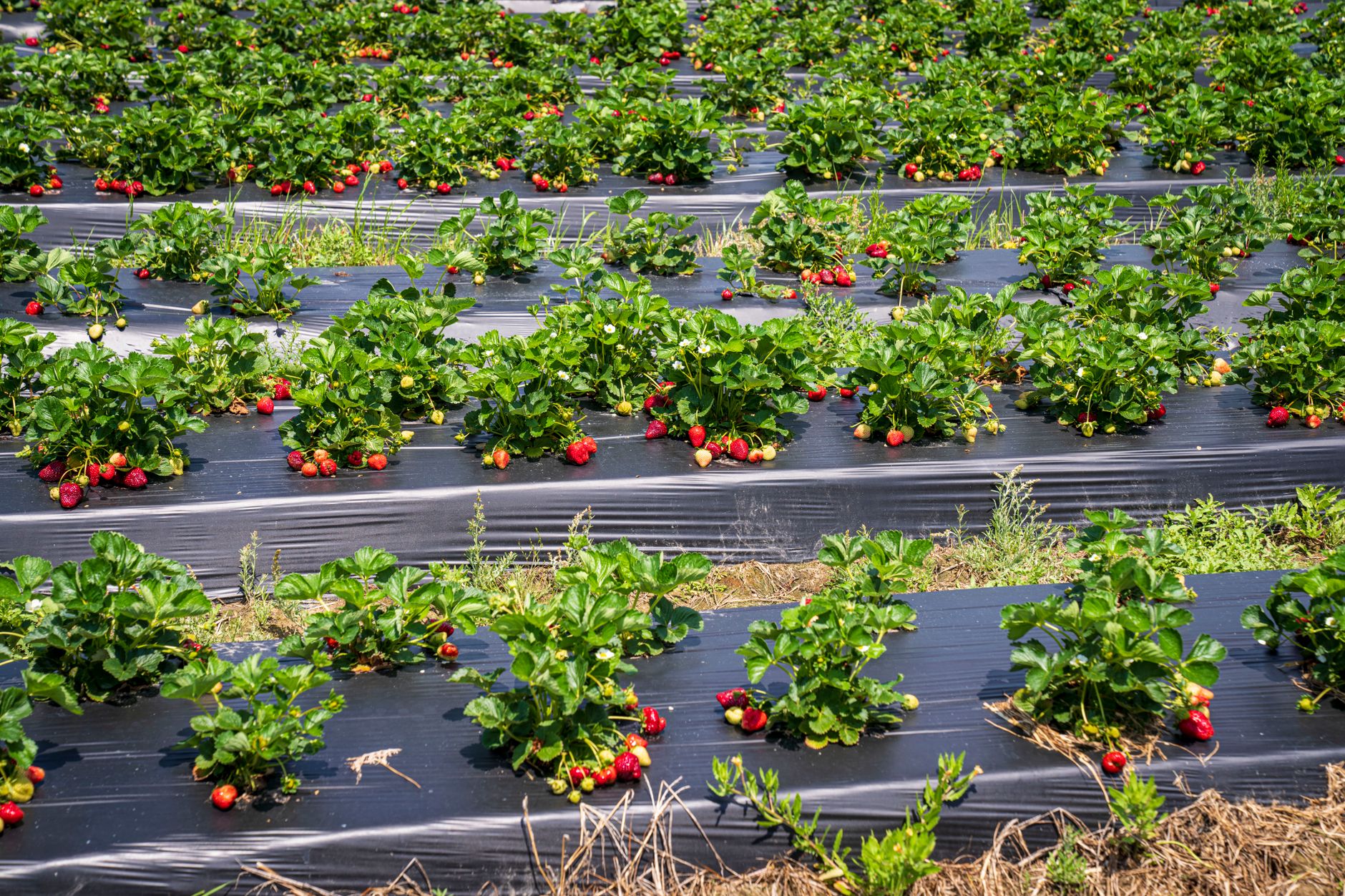
Learn how to grow strawberries from planting to harvest, including variety selection, soil prep, care, and pest management for a productive patch.
Growing strawberries is one of the most rewarding tasks for a home gardener. With proper planning and care, a single plant can produce up to one quart of berries per season, and a 100-foot row can yield 50 to 75 pounds. This guide covers the essentials: choosing the right type, planting, caring, and harvesting, so you can enjoy sweet, homegrown fruit from your own patch.
Choose the Right Strawberry Type
There are three main types of strawberries, and your choice depends on your climate and harvest preference.
- June-bearing: Produce one large crop in late spring to early summer (usually 2 to 3 weeks). Best for zones 4-7. Varieties: ‘Chandler’, ‘Earliglow’, ‘Allstar’.
- Everbearing: Produce two to three smaller crops: spring, summer, and fall. Good for zones 4-8. Varieties: ‘Ozark Beauty’, ‘Quinault’, ‘Seascape’.
- Day-neutral: Produce fruit continuously from June to frost, as long as temperatures stay between 35°F and 85°F. Ideal for zones 5-8. Varieties: ‘Albion’, ‘Seascape’, ‘Tribute’.
For most home gardeners in the US, June-bearing types give the highest total yield, but day-neutral types spread harvest over months, which is convenient for fresh eating.
Site Selection and Soil Preparation
Strawberries need full sun (at least 6 to 8 hours daily) and well-drained, sandy loam soil with a pH between 5.5 and 6.5. Avoid low spots where water pools, as wet roots cause rot.
Prepare the bed 2 to 4 weeks before planting:
- Remove all weeds and grass.
- Spread 2 to 3 inches of compost or aged manure over the bed.
- Add a balanced fertilizer like 10-10-10 at a rate of 1 pound per 100 square feet.
- Till to a depth of 8 to 10 inches.
- Rake smooth and water well.
If your soil is heavy clay, consider building raised beds 6 to 8 inches high to improve drainage.
Planting Strawberries
Plant strawberries in early spring as soon as the soil can be worked, typically 2 to 4 weeks before the last frost. In mild winter areas (zones 8-10), you can also plant in fall.
- Spacing: Set plants 12 to 18 inches apart in rows 3 to 4 feet apart. For raised beds, use 12 inches apart in all directions.
- Planting depth: The crown (where roots meet leaves) must be at soil level. If planted too deep, the crown rots; too shallow, roots dry out.
- Method: Dig a hole wide enough for roots, spread roots out, backfill, and firm soil. Water thoroughly.
- Mulch: Apply 2 to 3 inches of straw or pine needles around plants to suppress weeds and keep berries clean.
Bare-root vs. Potted Plants
Bare-root crowns are cheaper (about $0.20 to $0.50 per plant) and available in early spring. Soak roots in water for 1 hour before planting. Potted plants cost $3 to $5 each but can be planted any time during the growing season.
Caring for Strawberries
Watering
Strawberries need 1 to 1.5 inches of water per week, either from rain or irrigation. Use drip irrigation or a soaker hose to keep foliage dry and prevent fungal diseases. Water in the morning so leaves dry quickly.
Fertilizing
Fertilize in early spring with a balanced fertilizer (10-10-10) at 1 pound per 100 square feet. For everbearing and day-neutral types, side-dress again after the first flush of fruit and again in late summer.
Renovation (June-bearing)
After the harvest is done (usually in July), renovate June-bearing beds:
- Mow leaves down to 1 to 2 inches.
- Thin plants to 6 to 8 inches apart.
- Remove debris and weeds.
- Apply fertilizer and water.
This encourages new growth for next year’s crop.
Winter Protection
In zones 5 and colder, apply a 4 to 6 inch layer of straw or pine needles in late fall after the ground freezes. Remove the mulch in early spring when new growth appears.
Pest and Disease Management
Common pests include:
- Tarnished plant bug: Causes deformed berries. Use row covers early in the season.
- Spider mites: Yellow stippling on leaves. Spray with insecticidal soap.
- Slugs: Chew holes in fruit. Set out beer traps or diatomaceous earth.
Diseases to watch for:
- Gray mold (Botrytis): Gray fuzzy mold on berries. Improve air circulation, avoid overhead watering, and remove infected fruit.
- Powdery mildew: White powder on leaves. Apply sulfur fungicide at first sign.
- Verticillium wilt: Wilting and browning of leaves. Rotate crops and plant resistant varieties.
Harvesting Strawberries
Pick berries when they are fully red, which is usually 30 to 40 days after bloom. Harvest every 2 to 3 days during peak season. Use scissors or pinch the stem above the berry to avoid bruising. Berries do not ripen after picking, so wait until fully colored.
Store unwashed berries in the refrigerator in a single layer on a paper towel. They last 3 to 5 days. For longer storage, freeze them: wash, hull, and spread on a baking sheet to freeze, then transfer to freezer bags. Frozen berries keep for 6 to 12 months.
Frequently Asked Questions
How long does it take for a strawberry plant to produce fruit?
June-bearing plants produce fruit in the second year if you remove flowers in the first year. Everbearing and day-neutral types may produce a small crop in the first year, but it’s best to pinch off flowers until plants are established.
Can I grow strawberries in containers?
Yes. Use a container at least 12 inches deep and wide, with drainage holes. Plant 3 to 4 plants per 12-inch pot. Use a quality potting mix and water daily in hot weather. Day-neutral varieties like ‘Albion’ do well in pots.
Why are my strawberries small?
Small berries often result from overcrowding, insufficient water, or lack of nutrients. Thin plants to recommended spacing, water consistently, and fertilize after harvest. Also, remove runners if you want larger fruit.
Should I remove runners?
For June-bearing types, remove runners in the first year to direct energy into root and crown growth. In later years, you can let some runners root to replace old plants. For everbearing and day-neutral, remove runners throughout the season to maintain fruit production.
The Bottom Line
Growing strawberries is straightforward if you choose the right type for your area, prepare the soil well, and stay consistent with watering and weeding. Start with a small patch of 20 to 30 plants, which will give you enough berries for fresh eating and freezing. With proper care, your strawberry bed can produce for 3 to 5 years before needing replacement. Plant this spring, and you’ll be harvesting your own sweet berries by early summer.