Best fertilizer for gooseberries
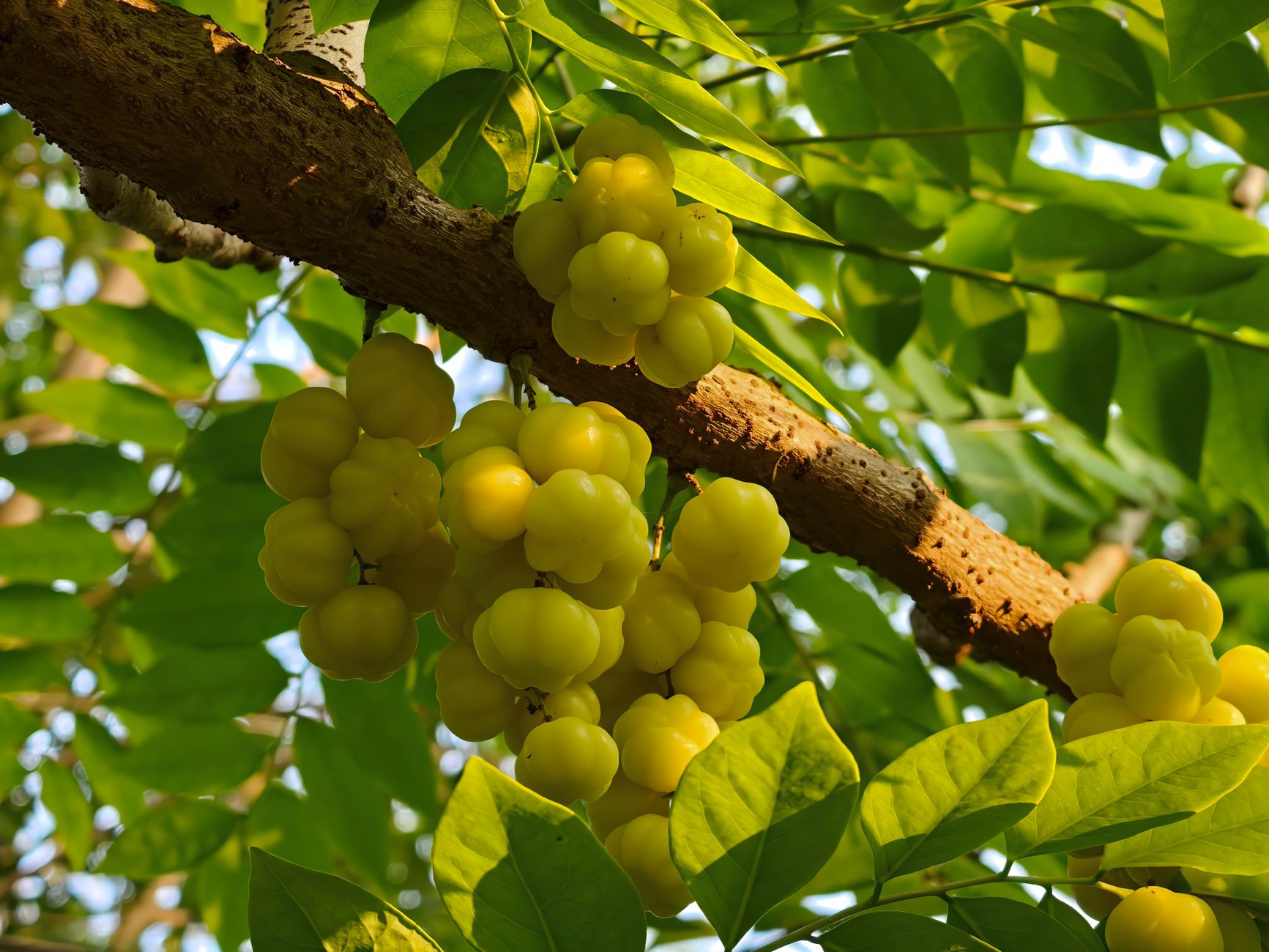
Discover the best fertilizer for gooseberries, including organic and synthetic options, application timing, and soil preparation tips for healthy plants and abundant harvests.
The best fertilizer for gooseberries is a balanced 10-10-10 or 5-10-10 formula applied in early spring and again after harvest, but the real key is building rich soil with compost and aged manure. Gooseberries are light feeders compared to other berries, so too much nitrogen leads to soft growth and disease. Here is exactly what to use, when to apply, and how to avoid the common mistakes that cost you fruit.
Soil first: test and amend
Before any fertilizer, get a soil test. Gooseberries prefer a pH between 6.0 and 6.5. If your soil is below 6.0, add lime in the fall (about 5 pounds per 100 square feet for sandy soil, 10 pounds for clay). If it is above 7.0, sulfur will lower it, but that takes months. Most home gardens are fine, but a $15 soil test from your local extension office is worth it.
Work in 2 to 3 inches of compost or well-rotted manure into the planting hole and the top 6 inches of soil before setting plants. This provides slow-release nutrients and i
 mproves drainage, which gooseberries need. Avoid fresh manure; it can burn roots and introduce weeds.
The best fertilizer options
You have three solid choices, depending on your style and budget.
Organic granular: A balanced 5-10-10 or 10-10-10 organic blend works well. Look for products with feather meal, bone meal, and kelp. Apply 1/2 cup per mature bush in early spring, and another 1/2 cup after harvest. Cost: $15 to $25 for a 5-pound bag, enough for 10 bushes.
Synthetic granular: A 10-10-10 or 12-12-12 is cheaper and faster. Use 1/4 cup per bush in spring, and 1/4 cup after picking. Do not overdo it; synthetic nitrogen leaches quickly and can burn if applied too heavily. Cost: $10 to $15 for a 10-pound bag.
Compost tea or fish emulsion: For a liquid boost, mix fish emulsion (5-1-1) at 2 tablespoons per gallon and water around the base every 4 weeks from spring to midsummer. This is gentle and good for container plants. Cost: $12 to $18 per quart.
Avoid high-nitrogen fertilizers like lawn food (30-0-0). They cause lush leaves, fewer berries, and more powdery mildew.
When to fertilize: timing matters
Gooseberries have two key feeding windows.
Early spring (bud break): As soon as buds swell, apply your main fertilizer. This supports new growth and flower development. In USDA zones 3 to 5, that is usually mid-April; in zones 6 to 7, early April.
After harvest: In June or July, after you pick the berries, give a lighter feeding to help the plant store energy for next year. Use half the spring amount.
Do not fertilize after August. Late growth is tender and winter damage is more likely.
How to apply: step by step
- Clear mulch and debris from a 2-foot circle around the base.
- Measure the correct amount (see table below).
- Sprinkle granules evenly, staying 6 inches away from the main stem.
- Scratch into the top 2 inches of soil with a hand cultivator.
- Water thoroughly with 1 inch of water.
- Replace mulch, keeping it 2 inches from the stem.
For liquid feeds, pour slowly around the root zone, not on the leaves.
| Plant age | Organic granular (per bush) | Synthetic granular (per bush) |
|---|---|---|
| 1 year | 1/4 cup | 1/8 cup |
| 2 years | 1/3 cup | 1/4 cup |
| 3+ years | 1/2 cup | 1/4 cup |
Varieties that respond best
All gooseberries benefit from proper feeding, but some are more vigorous. ‘Hinnonmaki Red’ and ‘Hinnonmaki Yellow’ are hardy in zones 3 to 5 and produce heavy crops with moderate feeding. ‘Invicta’ is a heavy producer in zones 4 to 6 but needs more potassium to avoid soft fruit. ‘Pixwell’ is disease-resistant and does well with a balanced 10-10-10. If you grow American types, they are more tolerant of poor soil, but still appreciate compost.
Common mistakes and how to avoid them
- Over-fertilizing: More is not better. Excess nitrogen causes mildew and reduces fruit set. Stick to the table.
- Skipping potassium: Potassium improves fruit quality and winter hardiness. If your soil test shows low potassium, use a 5-10-10 instead of 10-10-10.
- Fertilizing dry soil: Always water before and after applying granular fertilizer to prevent root burn.
- Ignoring mulch: A 2-inch layer of wood chips or straw retains moisture and feeds the soil as it breaks down. Replace it each spring.
Organic alternatives for the long term
If you prefer to avoid commercial fertilizers, you can maintain gooseberries with compost alone. Each spring, spread 1 to 2 inches of compost around the drip line. Add a handful of bone meal (for phosphorus) and kelp meal (for potassium) per bush. This is slower but builds soil structure. Expect slightly smaller yields in the first two years, but the bushes will be healthier in the long run.
FAQ
Can I use tomato fertilizer on gooseberries? Tomato fertilizers are often higher in potassium and calcium, which gooseberries like. Use a 5-10-10 or 4-6-8 formula at half the rate recommended for tomatoes. Do not use high-nitrogen blends.
How often should I fertilize? Twice a year: early spring and after harvest. If you use compost tea, you can do that monthly, but cut back after August.
What if my gooseberries have yellow leaves? Yellow leaves can mean nitrogen deficiency, but also overwatering or pH issues. Test the soil first. If pH is fine, apply a light fish emulsion and see if leaves green up in two weeks.
Should I fertilize newly planted gooseberries? No. Mix compost into the planting hole, but do not add granular fertilizer for the first year. The roots are sensitive, and compost provides enough nutrients.
Related guides
- Best fertilizer for raspberries
- Best soil for gooseberries
- How to Grow Strawberries: Planting, Care, and Harvest
The bottom line
For most gooseberry bushes, a balanced 10-10-10 or 5-10-10 fertilizer applied in early spring and after harvest is all you need. Start with a soil test, use compost for long-term health, and never overfeed. With the right timing and amounts, you will get 5 to 10 pounds of berries per mature bush, which is plenty for pies, jams, and fresh eating. Keep it simple, and the bushes will reward you for years.