Best fertilizer for raspberries
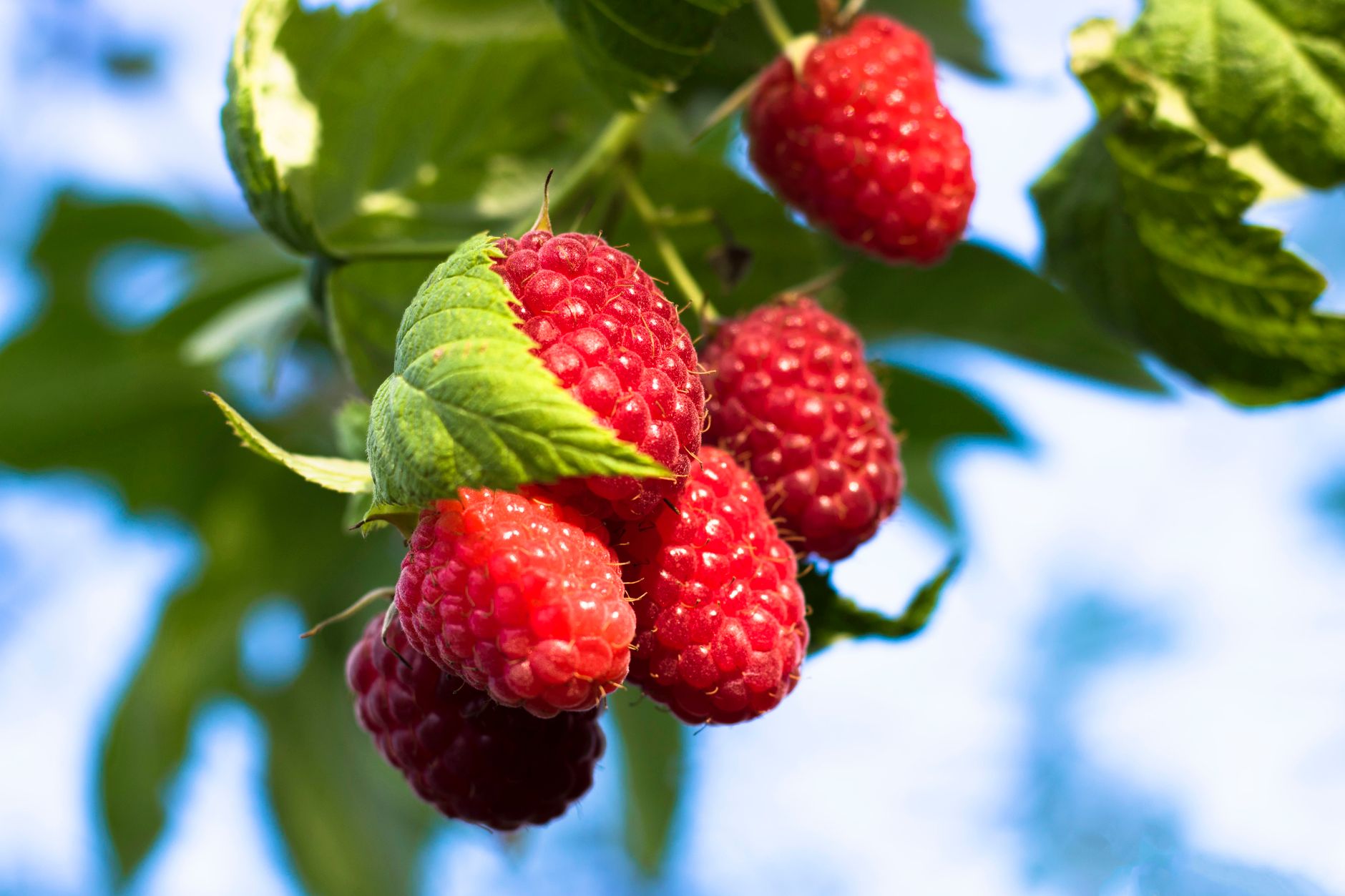
Discover the best fertilizer for raspberries, including organic options, application timing, and rates for healthy canes and abundant fruit.
The best fertilizer for raspberries is a balanced fertilizer with a ratio close to 10-10-10 or an organic option like composted manure or a berry-specific blend, applied in early spring and again after fruiting. Raspberries are moderate feeders; they need nitrogen for cane growth, phosphorus for root development, and potassium for fruit quality, but too much nitrogen leads to leafy growth and fewer berries.
Understanding Raspberry Nutrient Needs
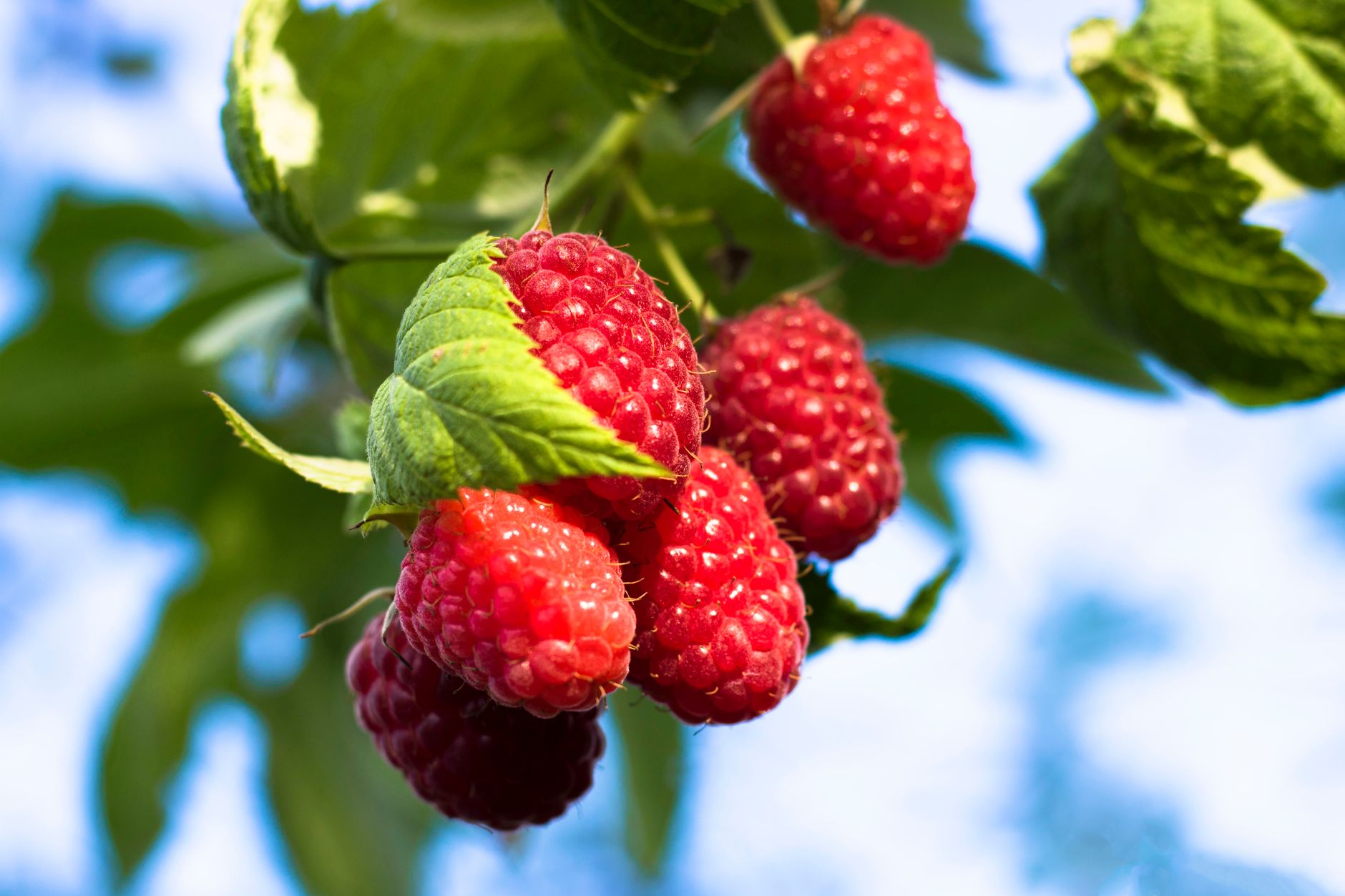
Raspberries thrive with a steady supply of nutrients, especially nitrogen, which drives the vigorous growth of primocanes (first-year canes) that will bear fruit next year. Phosphorus supports root establishment, and potassium improves fruit size and cold hardiness. A soil test is the best starting point; it tells you exactly what your soil lacks. Most garden centers sell soil test kits for $10 to $20, or you can send samples to a lab for $30 to $50.
If you skip the test, a balanced fertilizer like 10-10-10 is a safe choice for most soils. For organic options, look for a berry-specific fertilizer with an N-P-K ratio around 4-5-4, such as Espoma Berry-tone (about $15 for 4 pounds) or Dr. Earth Organic
 Berry Food (about $12 for 4 pounds). These products include micronutrients and beneficial microbes.
Types of Fertilizers: Pros and Cons
Granular Synthetic Fertilizers
Granular synthetics, like 10-10-10, are cheap and fast-acting. A 20-pound bag costs $10 to $15 and covers about 500 square feet. Apply evenly around the base of the canes, keeping it 6 inches away from the stems to avoid burn. Water it in well. The downside: they can leach quickly in sandy soils and may contribute to salt buildup over time.
Organic Granular Fertilizers
Organic granules, such as blood meal (12-0-0), bone meal (4-12-0), and kelp meal (1-0-2), release nutrients slowly as soil organisms break them down. They improve soil structure and are less likely to burn. Blood meal is high in nitrogen; apply 1 pound per 10 feet of row in spring. Bone meal provides phosphorus; apply 2 pounds per 10 feet of row at planting. Kelp meal adds potassium and trace minerals; apply 1 pound per 10 feet of row in spring. These are available at garden centers or online, with prices ranging from $10 to $20 per 2 to 5 pounds.
Compost and Manure
Compost is the backbone of organic raspberry care. Spread a 1 to 2 inch layer of compost around the plants each spring, or side-dress with aged manure (not fresh, which can burn roots). Compost provides a broad range of nutrients and improves moisture retention. You can buy compost by the bag ($5 to $10 per cubic foot) or make your own. Aged cow or horse manure is also effective; apply 1 to 2 inches in fall or early spring.
When and How to Fertilize
Timing matters. For established raspberries, apply fertilizer in early spring as new growth begins, and again after harvest if you have fall-bearing varieties. For summer-bearing types, a single spring application is usually enough.
Spring Application
In USDA zones 4 to 7, apply fertilizer in March or April, when the soil is workable and canes are just starting to leaf out. For granular fertilizers, use 1 to 2 pounds of 10-10-10 per 100 feet of row. For organic granules, follow package rates; typically 2 to 4 cups per 10 feet of row. Spread evenly in a band 12 to 18 inches wide on each side of the row, then water in.
Post-Harvest Application
For fall-bearing raspberries (like ‘Heritage’ or ‘Caroline’), apply a light feeding after the first fruiting flush to support the second crop. Use 1/2 pound of 10-10-10 per 100 feet of row, or a compost tea. Do not fertilize late in the season (after August) for any type, as this encourages tender growth that winter will kill.
New Plantings
At planting time, mix 1/2 cup of bone meal into the soil at the bottom of each hole. This provides phosphorus for root growth. Do not add high-nitrogen fertilizer at planting; it can burn young roots. Wait until new canes are 6 inches tall, then side-dress with a balanced fertilizer at half the normal rate.
Fertilizer Application Rates by Type
The table below gives general rates for common fertilizers. Always adjust based on soil test results and plant vigor.
| Fertilizer Type | N-P-K Ratio | Rate per 100 ft of row | When to Apply |
|---|---|---|---|
| 10-10-10 | 10-10-10 | 1-2 lb | Early spring |
| Blood meal | 12-0-0 | 1 lb | Early spring |
| Bone meal | 4-12-0 | 2 lb | At planting |
| Kelp meal | 1-0-2 | 1 lb | Early spring |
| Compost | varies | 1-2 inch layer | Spring or fall |
| Aged manure | varies | 1-2 inch layer | Fall or early spring |
Common Mistakes to Avoid
- Over-fertilizing with nitrogen: too much nitrogen produces lush leaves but few berries. Stick to recommended rates.
- Fertilizing too late: late summer feeding encourages soft growth that winter kills.
- Placing fertilizer directly on the crown: keep it 6 inches away from the stems to prevent burn.
- Ignoring soil pH: raspberries prefer slightly acidic soil, pH 5.5 to 6.5. If your soil is too alkaline, add sulfur or peat moss.
FAQ
Can I use tomato fertilizer on raspberries?
Yes, tomato fertilizers are often balanced (like 5-10-10) and can work, but they may have too little nitrogen for raspberries. If you use one, supplement with a nitrogen source like blood meal.
How often should I fertilize raspberries?
Once in early spring is enough for most types. Fall-bearing varieties may benefit from a light feeding after the first harvest. Always water in the fertilizer.
Is compost enough for raspberries?
Compost alone can sustain raspberries if your soil is already fertile, but for heavy producers, a balanced fertilizer will boost yields. Use compost as a base and add a granular fertilizer if growth is weak.
What is the best organic fertilizer for raspberries?
A blend like Espoma Berry-tone or Dr. Earth Organic Berry Food works well. They are formulated with the right nutrient balance and include beneficial microbes.
The Bottom Line
For most raspberry patches, a balanced 10-10-10 fertilizer applied in early spring at 1 to 2 pounds per 100 feet of row is the simplest, most cost-effective choice. If you prefer organic, use a berry-specific granular blend or a combination of blood meal, bone meal, and kelp meal. Always water in fertilizer and avoid overdoing nitrogen. With proper feeding, your raspberries will reward you with healthy canes and a bountiful harvest.