Beehive for beginners
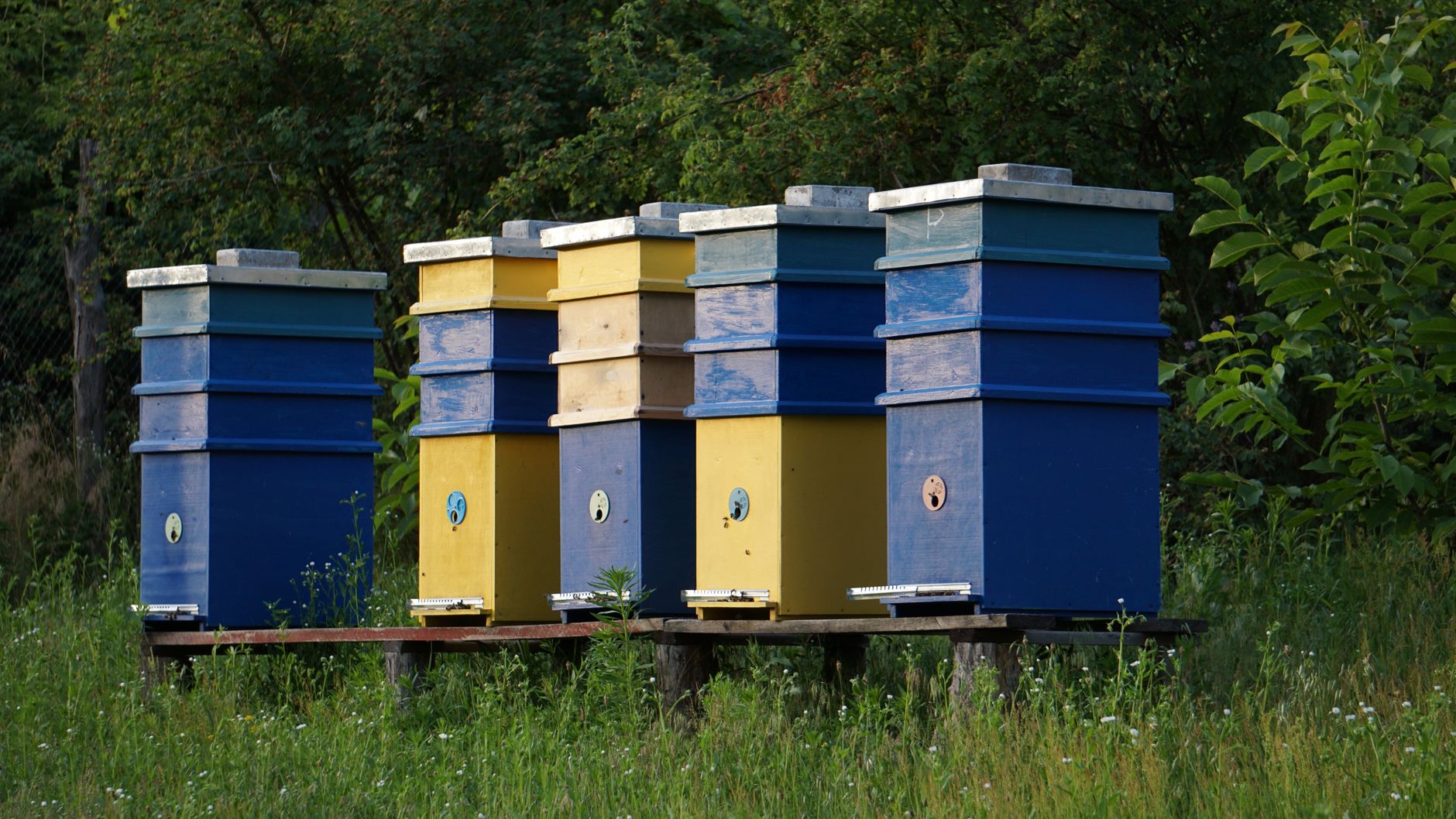
Learn how to start beekeeping with practical steps, costs, and equipment. Get a Langstroth hive, bees, and your first harvest in 2026.
Starting a beehive is a rewarding project, but it requires planning and a modest investment. In this guide, I’ll walk you through the essential steps: choosing a hive type, ordering bees, setting up your apiary, and managing your first season. Expect to spend $300 to $500 for your first hive and bees, and plan to harvest 20 to 40 pounds of honey in your second year, not the first.
Choose the right hive type
For most beginners, the Langstroth hive is the best choice. It is the standard in the US, with interchangeable parts, and you can find equipment and bees easily. The alternative, the top-bar hive, is cheaper and simpler but yields less honey and requires more skill to manage. Start with a Langstroth 10-frame deep box for the brood chamber.
A complete starter kit, including a hive body, frames, foundation, smoker, hive tool, and veil, costs $200 to $300. If you buy parts separately, expect to pay $150 for the hive body and frames, $30 for a smoker, $15 for a hive tool, and $20 for a veil. You can also build your own hive from plans, but that takes time and woodworking skills.
Order bees and equipment
Order your bees in January or February for spring delivery. You have two options: a package of bees (about 3 pounds, with a mated queen) or a nuc (a small, established colony with frames of brood and bees). A nuc costs $150 to $200, a package $100 to $130. Nucs are easier for beginners because the colony is already established, but packages are more common.
You also need a feeder (entry feeder or frame feeder, $10 to $20), a mite treatment (like Apivar, $20 per treatment), and a bee brush ($8). For protective gear, a full suit is $50 to $80, but a veil and gloves are enough for most inspections.
Set up your apiary
Place your hive in a sunny spot with some afternoon shade, away from high traffic areas and pets. Face the entrance south or southeast. Level the hive using concrete blocks or a wooden stand, and keep the entrance clear of weeds. Ensure a water source within 50 feet, like a shallow dish with pebbles, so bees don’t visit your neighbor’s pool.
When your bees arrive, install them in the late afternoon. For a package, spray the bees with sugar syrup, remove the queen cage, and place it between frames. Then shake the bees into the hive. For a nuc, simply transfer the frames into your hive body. Feed the bees a 1:1 sugar syrup solution for the first few weeks to help them build comb.
Manage your first season
Inspect your hive every 7 to 10 days during the spring and summer. Look for the queen (or fresh eggs), brood pattern, and signs of disease. Add a second deep box when the first is 80% full of comb. In late summer, stop feeding and prepare for winter.
Mite control is critical. In August, test for Varroa mites using the sugar roll method (cost: $10 for a jar and screen). If you find more than 3 mites per 100 bees, treat with Apivar or formic acid. Skip this step and you may lose your colony by spring.
Harvest and winterize
Do not harvest honey in the first year; let the bees keep it to build up strength. In the second year, you can harvest when the honey is capped, usually in July. Use a fume board with Bee-Go (a repellent, $15) to clear bees from the supers, then extract with a manual extractor ($120 to $200). Expect 20 to 40 pounds per hive.
In fall, reduce the entrance to keep mice out, and wrap the hive with a black tar paper or a hive wrap ($20) if you live in zones 4 or colder. Leave at least 60 pounds of honey for the bees to eat through winter.
FAQ
Do I need a permit to keep bees?
Check your local ordinances. Many towns require registration with the state, and some have setbacks from property lines. Contact your county extension office for rules.
How much time does beekeeping take?
Plan for 1 to 2 hours per inspection, every 1 to 2 weeks during the active season, plus a few hours for harvest and winter prep. In winter, you can leave them alone.
What if I get stung?
Wear your veil and gloves, and work slowly. Stings are rare if you use a smoker and avoid crushing bees. Keep an antihistamine on hand, and if you have a severe allergic reaction, seek medical help immediately.
Can I keep bees in a small backyard?
Yes, as long as you have a 5-foot clearance around the hive and a water source. Bees will fly up and over people, so a fence or hedge can direct their flight path.
Related guides
The bottom line
Starting a beehive is a manageable project with a clear learning curve. Buy a Langstroth hive, order a nuc in February, set up your apiary in a sunny spot, and inspect regularly. Control mites in August, and you’ll have a thriving colony and honey by year two. The cost is about $400 for your first hive, but the reward is fresh honey and a healthier garden.