Be beekeeping for beginners
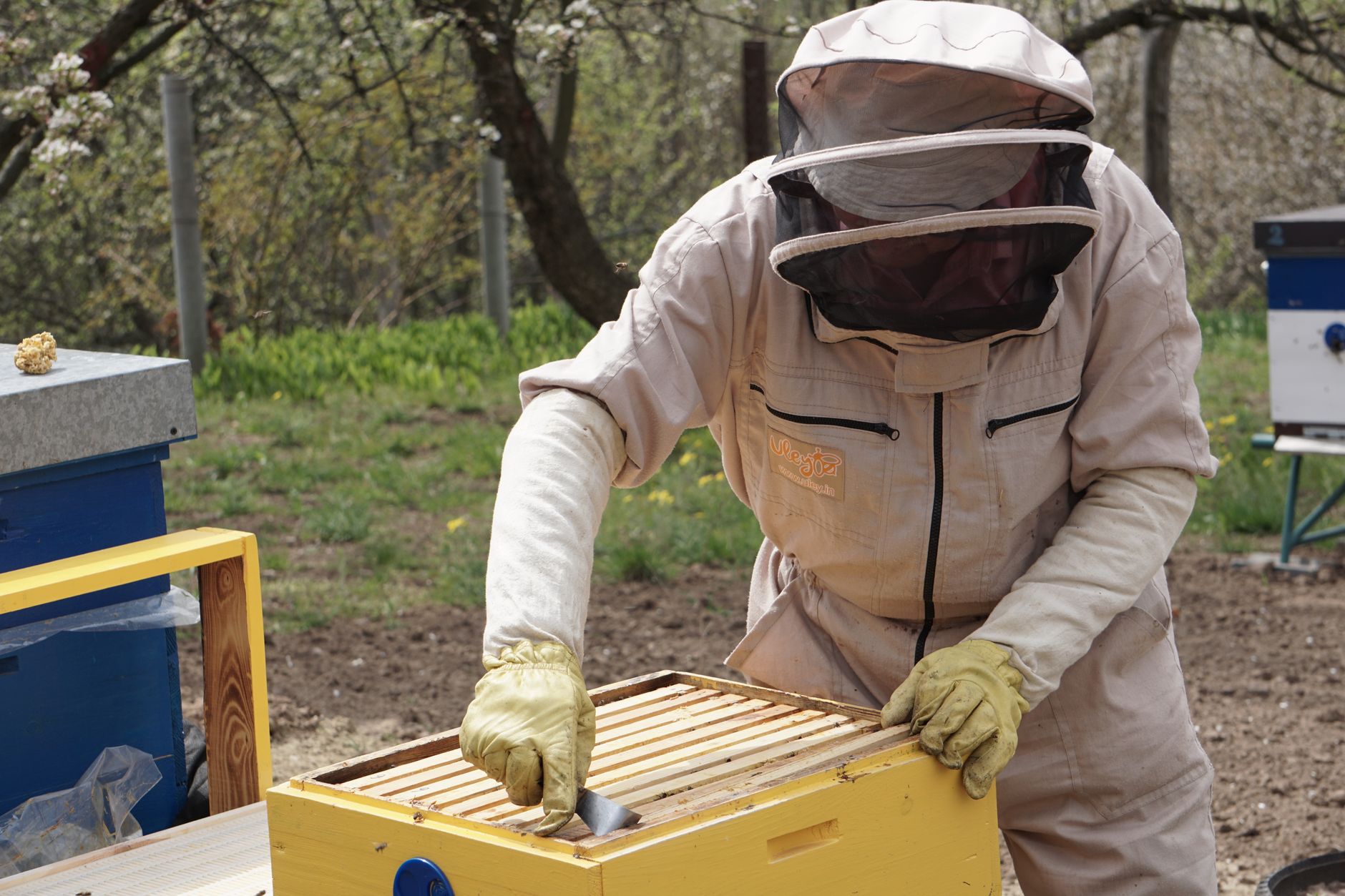
Learn the essential steps to start beekeeping in 2026: costs, equipment, getting bees, and first-year care. A practical guide for gardeners and homesteaders.
Starting beekeeping is a rewarding project for any gardener or homesteader, but it requires planning and a modest investment. This guide covers the essentials: what you need, how much it costs, and how to get your first hive up and running. Follow these steps, and you will be on your way to healthy bees and your own honey.
What You Need Before You Start
Before ordering bees, check your local regulations. Many towns and counties require a permit or registration, and some have setback rules. Contact your local agricultural extension office or beekeeping association for specific requirements. Also, ensure you have a suitable location: a sunny spot with some afternoon shade, near a water source, and away from high-traffic areas.
You will also need to commit time: plan on 15 to 30 minutes per hive each week during the active season (spring through fall), plus more during inspections and harvests.
The Cost of Starting Beekeeping in 2026
Here is a realistic budget for your first hive (prices are for 2026 and vary by region and supplier):
| Item | Price Range |
|---|---|
| Hive kit (includes boxes, frames, foundation, cover, bottom board) | $200 - $400 |
| Protective gear (jacket, veil, gloves) | $50 - $150 |
| Smoker and hive tool | $30 - $60 |
| Bee brush, feeder, and other small tools | $20 - $50 |
| Package of bees (3 lbs with queen) | $150 - $200 |
| Nuc (5 frames with queen and brood) | $180 - $250 |
| Total (first year) | $450 - $900 |
You can save by building your own hive boxes or buying used equipment, but inspect used gear for disease. Also, factor in ongoing costs like mite treatments (about $20 to $40 per year) and sugar for feeding (if needed).
Choosing Your Hive Type
The Langstroth hive is the most common and beginner-friendly. It consists of stacked boxes with removable frames, making inspections and honey extraction straightforward. A standard 10-frame deep box is a good starting point. Top-bar hives are cheaper and require less heavy lifting, but they yield less honey and need more frequent management. For most beginners, a Langstroth is the best choice.
Getting Your Bees: Package vs. Nuc
You have two main options for acquiring bees:
- Package of bees: A screen box with about 10,000 bees and a separate queen. It is cheaper and arrives in spring, but the bees must be installed into the hive, and the queen must be introduced carefully. Expect a slower start.
- Nuc (nucleus colony): A mini hive with 5 frames of brood, bees, and a laying queen. It is more expensive but establishes faster because the colony is already active. Nucs are ideal for beginners.
Order your bees in winter or early spring from a local supplier to ensure availability. Pick up or have them shipped in April or May, depending on your zone.
Setting Up Your Hive: Step by Step
- Place the hive on a level, sturdy stand about 12 inches off the ground. Use cinder blocks or a wooden pallet. Tilt slightly forward for drainage.
- Paint the outside of the hive with exterior latex paint (not the inside) to protect against weather. Let it dry for a few days.
- Install the bees in late afternoon when most foragers are back. For a package, spray the bees lightly with sugar water, remove the queen cage, and place it between frames. Shake the bees into the hive, then close the entrance.
- Feed the bees immediately with a 1:1 sugar water solution (by weight) using a feeder. Continue feeding until the bees are drawing comb and nectar flow begins (usually 2 to 4 weeks).
- Monitor the entrance for a few days to ensure the queen is released and the bees are orienting.
First-Year Care Calendar
| Season | Tasks |
|---|---|
| Spring (March-May) | Install bees, feed, check for queen acceptance after 1 week, then inspect every 7-10 days for brood pattern and pests. |
| Summer (June-August) | Add honey supers when the brood box is 80% full. Check for mites monthly. Keep an eye on swarm signs (queen cells). |
| Fall (September-November) | Stop feeding when temperatures drop. Reduce entrance to keep out mice. Treat for mites if levels are high. |
| Winter (December-February) | Leave the hive alone. Check entrance for blockages and listen for buzzing on warm days. |
Common Beginner Mistakes to Avoid
- Over-inspecting: Opening the hive too often stresses bees. Limit inspections to every 7-10 days in spring and summer.
- Ignoring mite control: Varroa mites are the biggest threat. Do a sugar roll or alcohol wash test monthly and treat if levels exceed 3%.
- Feeding too long: In fall, bees need to store honey, not syrup. Stop feeding when daytime temps are consistently below 50°F.
- Not leaving enough honey: In your first year, leave all honey for the bees. You may not harvest any until the second year.
Harvesting Your First Honey
In the first year, focus on colony growth. If you have a strong hive by late summer, you might get a small harvest: 20 to 40 pounds. Use a fume board with Bee-Go or a leaf blower to remove bees from supers. Extract with a manual extractor ($150 to $300) or crush and strain. Bottle in glass jars and label with the harvest date.
FAQ
How much time does beekeeping take? Plan on 15 to 30 minutes per hive per week during the active season, plus occasional full inspections. In winter, almost no time is needed.
Do I need a lot of land? No, even a small backyard works. Bees forage within a 2-mile radius, so you just need a spot for the hive.
Will I get stung? Yes, occasionally, even with protective gear. Wear light-colored clothing, move slowly, and use the smoker to calm bees. Most stings are minor.
Can I keep bees if I’m allergic? If you have a known allergy, consult an allergist first. Many beekeepers with mild allergies manage with an epinephrine auto-injector on hand.
The Bottom Line
Beekeeping is a rewarding hobby that supports your garden and provides honey, but it requires a real commitment of time and money. Start with one Langstroth hive, a nuc of bees, and quality protective gear. Follow the seasonal care calendar, stay on top of mite control, and be patient: your first harvest may be small, but the learning is invaluable. Join a local beekeeping club for mentorship, and you will be set for success.