Bee hive vs wasp nest
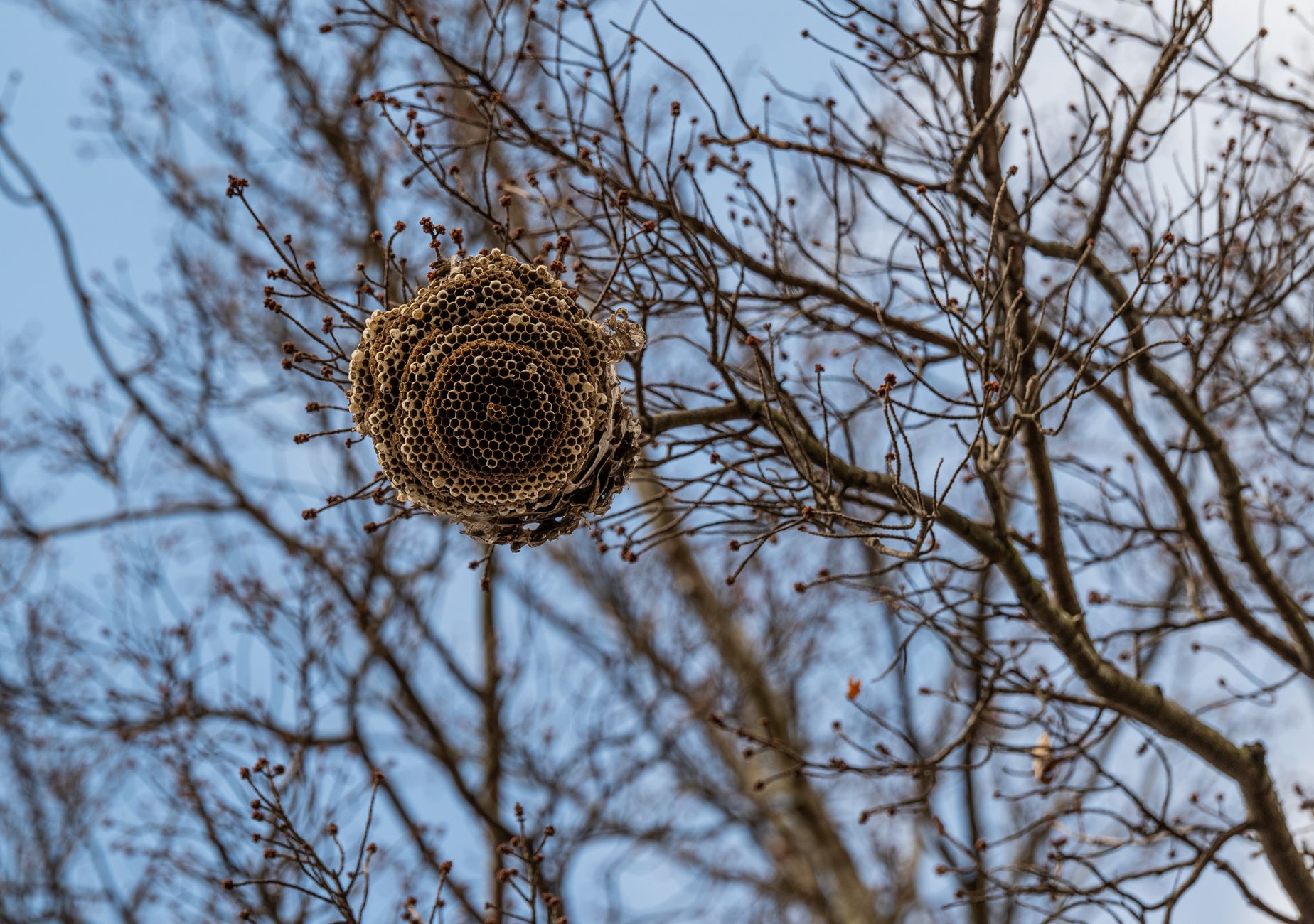
Learn to tell a bee hive from a wasp nest by sight, location, and behavior. Get practical steps for safe removal or relocation, plus costs and timing.
The first thing to know: a bee hive is a home for honey bees, a social colony that can live for years and is essential for pollination. A wasp nest is a papery structure built by wasps or hornets, which are predators and scavengers, and the nest dies off each winter. You can tell them apart by appearance, location, and behavior. This guide gives you the exact differences and what to do if you find one near your garden or homestead.
What a bee hive looks like and where it lives
Honey bee hives are made of wax, produced by the bees themselves. The comb is a series of hexagonal cells, often visible if the hive is exposed. In the wild, bees nest in cavities: hollow trees, wall voids, or old structures. They need a volume of at least 10 gallons to raise a colony. The entrance is usually a small hole, and you’ll see a steady stream of bees coming and going, especially on warm days.
If you keep bees, your hive is a wooden box with removable frames. A standard Langstroth hive costs $200 to $400 for a starter kit, including the box, frames, and foundation. A nucleus colony (nuc) of bees costs $150 to $250 in 2026. The hive is a managed structure, not a random nest.
What a wasp nest looks like and where it lives
Wasp nests are made of paper, a mixture of wood pulp and saliva. They look like gray or brown paper mache, often with a honeycomb pattern visible on the surface. There are two main types:
- Aerial nests: hanging from tree branches, eaves, or under porch roofs. These are round or oval, with a single entrance at the bottom. Yellowjackets and hornets build these.
- Ground nests: in abandoned rodent burrows or under rocks. These are hidden, with a small entrance hole. Yellowjackets often nest underground.
A wasp nest is annual. The queen starts it in spring, and the colony grows through summer. By fall, the nest can be the size of a basketball. In winter, the workers die, and only the new queens survive by hiding in crevices.
Key differences: bees vs wasps
| Feature | Bee hive | Wasp nest |
|---|---|---|
| Material | Wax | Paper (wood pulp) |
| Location | Cavity (tree, wall, hive box) | Aerial (hanging) or ground (burrow) |
| Lifespan | Perennial (years) | Annual (one season) |
| Colony size | 10,000 to 60,000 bees | 100 to 5,000 wasps |
| Behavior | Defensive only near hive | Aggressive, can sting repeatedly |
| Diet | Nectar and pollen | Insects, meat, sugary foods |
| Sting | Barbed, stings once then dies | Smooth, stings multiple times |
Bees are fuzzy, with a rounded body and flat legs. Wasps are smooth, with a narrow waist and pointed legs. Bees are usually golden brown with black stripes; wasps are often yellow and black, or black and white (bald-faced hornets).
What to do if you find a nest
If it’s a bee hive
- Do not kill them. Honey bees are beneficial and often in decline. Contact a local beekeeper or a swarm removal service. Many will remove a hive from a structure for free or for a fee, typically $100 to $300 depending on difficulty.
- Keep your distance. Bees are defensive only within a few feet of the hive. If you have allergies, stay away.
- If it’s in a wall, call a professional. They can cut out the comb and remove the bees without destroying the colony.
If it’s a wasp nest
- Identify the type. Aerial nests are easier to treat. Ground nests require caution.
- Treat at night. Wasps are less active at night. Wear thick clothing, gloves, and a veil if possible.
- Use an insecticide spray designed for wasps and hornets. A can costs $8 to $15. Spray directly into the entrance, then wait 24 hours to ensure the colony is dead.
- Remove the nest after it’s inactive. Knock it down with a long pole, and dispose of it in a sealed bag.
- For ground nests, pour a soapy water solution (1/4 cup dish soap per gallon) into the entrance at night. This kills wasps on contact. Then cover the hole with soil.
When to act
For wasps, act in early spring when the nest is small (the size of a golf ball). It’s easier to eliminate and less dangerous. By late summer, nests are large and wasps are more aggressive.
For bees, act as soon as you notice a swarm or hive. A swarm in a tree is temporary, usually leaving within 24 hours. If they settle in a wall, they will build comb and become established. The longer you wait, the harder and costlier the removal.
Preventing future nests
- Seal cracks and holes in walls, eaves, and sheds. Use caulk or expanding foam. This prevents bees and wasps from entering.
- Hang fake wasp nests in early spring. Wasps are territorial and avoid areas with existing nests. A fake nest costs $10 to $20.
- Keep food covered outdoors. Wasps are attracted to protein and sweets.
- Plant mint or wormwood near patios. These herbs are said to repel wasps, though results vary.
FAQ
Can I keep a wasp nest if I find one?
No. Wasps are not domesticated, and they are aggressive. Unlike bees, they do not produce honey, and they can sting repeatedly. It’s best to remove them.
What if I get stung?
Wash the area with soap and water, apply ice, and take an antihistamine. If you have difficulty breathing or swelling beyond the sting site, seek emergency medical help immediately.
Are all bees in a hive harmless?
No. Honey bees can sting, but they are defensive, not aggressive. They only sting when threatened. Africanized honey bees are more aggressive, but they are rare in most of the US. If you see a swarm, keep your distance.
How much does professional removal cost?
Bee removal from a structure: $100 to $300. Wasp nest removal: $50 to $150, depending on location and size. Some beekeepers remove swarms for free.
Related guides
The bottom line
A bee hive is a valuable asset, a wasp nest is a nuisance. Learn to tell them apart by material, location, and behavior. If you find bees, call a beekeeper to relocate them. If you find wasps, treat the nest at night and remove it. Act early, and you’ll keep your garden and homestead safe without harming beneficial pollinators.