When to Plant Garlic: Timing and Tips for a Big Harvest
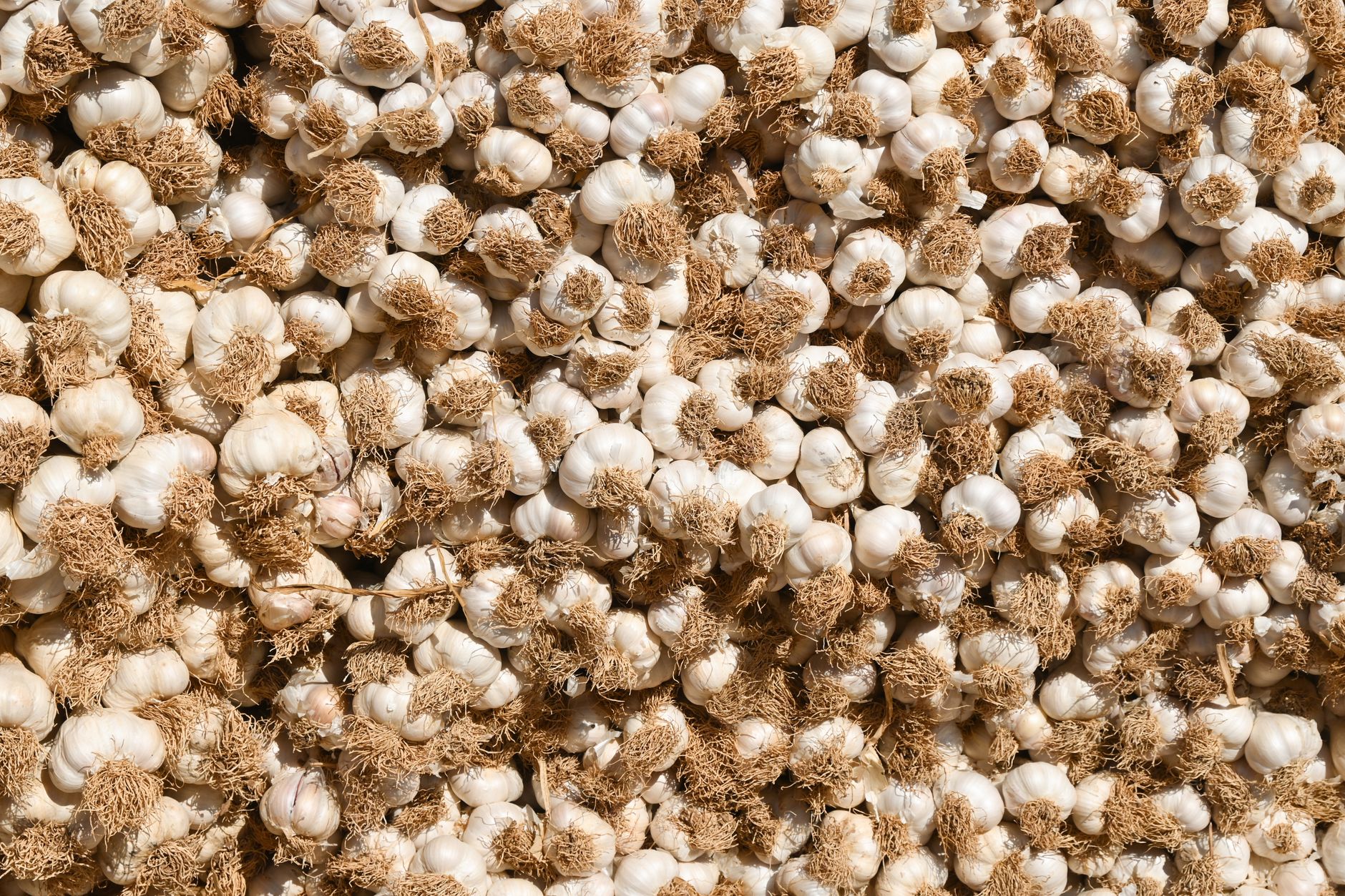
Learn the exact timing for planting garlic in fall for a big harvest. Zone-by-zone dates, soil prep, and variety tips included.
Garlic is one of the easiest and most rewarding crops for home gardeners, but timing is everything. Plant too early and the cloves may sprout and then rot; plant too late and roots won’t establish before the ground freezes. The sweet spot is 4 to 6 weeks before the first hard frost, when soil temperatures are between 50°F and 60°F. For most of the US, that means late September through November, depending on your zone. In this guide, you’ll learn the exact timing for your region, how to prepare the soil, and which varieties to choose for a bumper crop next summer.
Why Fall Planting Works
Garlic is a cold-hardy perennial that requires a period of cold (vernalization) to form bulbs. When planted in fall, cloves grow roots before winter, go dormant, then resume growth in early spring. This head start produces larger bulbs than spring planting, which often yields smaller, single-clove bulbs. Fall planting also allows the garlic to take advantage of winter moisture and cooler spring temperatures, which are ideal for bulb development.
Zone-by-Zone Planting Dates
The key is to plant after the heat of summer has passed but before the ground freezes. Use your first frost date as a guide: count back 4 to 6 weeks. Here are typical planting windows for US hardiness zones:
| Zone | First Frost Date | Planting Window |
|---|---|---|
| 3-4 | Late Sept - early Oct | Mid Sept - early Oct |
| 5-6 | Mid Oct - early Nov | Late Sept - mid Oct |
| 7-8 | Late Nov - early Dec | Oct - mid Nov |
| 9-10 | Late Dec - Jan | Nov - Dec |
For example, in zone 5 (like Chicago), first frost is around October 15, so plant between September 15 and October 1. In zone 7 (like Atlanta), first frost is around November 15, so plant between October 1 and November 1. If you miss the window, you can still plant up to 2 weeks after the first frost, but mulch heavily to protect the cloves.
Choosing the Right Varieties
Garlic comes in two main types: hardneck and softneck. Hardneck varieties (like ‘Music’, ‘German Red’, ‘Chesnok Red’) produce a flower stalk (scape) and have fewer, larger cloves. They are best for northern climates (zones 3-6) because they require a long cold period. Softneck varieties (like ‘California Early’, ‘Inchelium Red’, ‘Silverwhite’) do not produce scapes, have more cloves per bulb, and store longer. They are better for southern climates (zones 7-10). For zone 6 and 7, you can grow both, but choose hardneck for flavor and softneck for storage.
Soil Preparation: The Foundation for Big Bulbs
Garlic prefers loose, well-drained soil with a pH between 6.0 and 7.0. Heavy clay can cause rot, so amend with compost or aged manure. Two weeks before planting, spread 2 to 3 inches of compost over the bed and till it in. Add a balanced fertilizer like 10-10-10 at a rate of 1 pound per 100 square feet, or use bone meal for phosphorus. Avoid fresh manure, which can burn roots and introduce pathogens.
How to Plant Garlic Cloves
- Break apart the bulb into individual cloves, keeping the papery skin on. Choose the largest cloves; small ones produce small bulbs.
- Plant each clove with the pointed end up, 2 to 4 inches deep (measured from the top of the clove to the soil surface). In cold zones, plant deeper (4 inches); in warm zones, shallower (2 inches).
- Space cloves 6 to 8 inches apart in rows 12 to 18 inches apart. This gives each plant room to grow.
- Water thoroughly after planting to settle the soil.
- Mulch with 4 to 6 inches of straw or shredded leaves. This insulates the soil, prevents frost heaving, and suppresses weeds.
Care After Planting
After planting, you don’t need to water again unless the fall is unusually dry. The garlic will grow roots but not shoots until spring. In early spring, when shoots emerge, remove some mulch to allow growth. Fertilize with a high-nitrogen fertilizer (like blood meal) at a rate of 1 pound per 100 square feet in early spring, and again a month later. Keep the soil evenly moist, but not waterlogged. Stop watering 2 weeks before harvest.
Common Mistakes to Avoid
- Planting too early: If cloves sprout in fall, they may be killed by winter cold. Wait until soil temps are below 60°F.
- Planting too shallow: Shallow planting leads to frost heave and small bulbs. Always plant at least 2 inches deep.
- Using grocery store garlic: Supermarket garlic is often treated to prevent sprouting and may carry diseases. Buy seed garlic from a reputable nursery.
- Ignoring drainage: Garlic rots in wet soil. If your soil is heavy, consider raised beds.
Harvest and Storage
Garlic is ready to harvest when the lower leaves turn brown, usually 8 to 9 months after planting. In most zones, that’s late June to August. Dig up the bulbs gently, do not pull. Cure them in a dry, shaded, well-ventilated area for 2 to 4 weeks. Then trim the roots and cut the stems, and store in a cool, dry place (50-60°F) with good air circulation. Softneck garlic can store for 6 to 8 months; hardneck for 3 to 5 months.
FAQ
Can I plant garlic in spring? Yes, but you’ll get smaller bulbs. If you plant in spring, choose softneck varieties and plant as early as the soil can be worked. Expect bulbs about half the size of fall-planted garlic.
How do I know if my soil is too wet? Squeeze a handful of soil; if it forms a ball that doesn’t crumble when poked, it’s too wet. Wait a few days or plant in raised beds.
Should I remove the scapes? Yes, for hardneck garlic, cut the scapes when they curl. This directs energy to bulb growth, increasing bulb size by up to 20%.
What if I plant too late? If the ground is frozen, you can still plant in early spring, but expect smaller bulbs. If it’s not frozen, plant and mulch heavily to protect.
The Bottom Line
Plant garlic 4 to 6 weeks before your first hard frost, when soil temps are 50-60°F. Prepare soil with compost and fertilizer, choose the right variety for your zone, and plant cloves 2-4 inches deep with 6-8 inches spacing. Mulch well, water in fall, and fertilize in spring. With proper timing and care, you’ll harvest large, flavorful bulbs that store for months. Start now: order seed garlic, prepare your bed, and mark your calendar.