Best soil for leeks
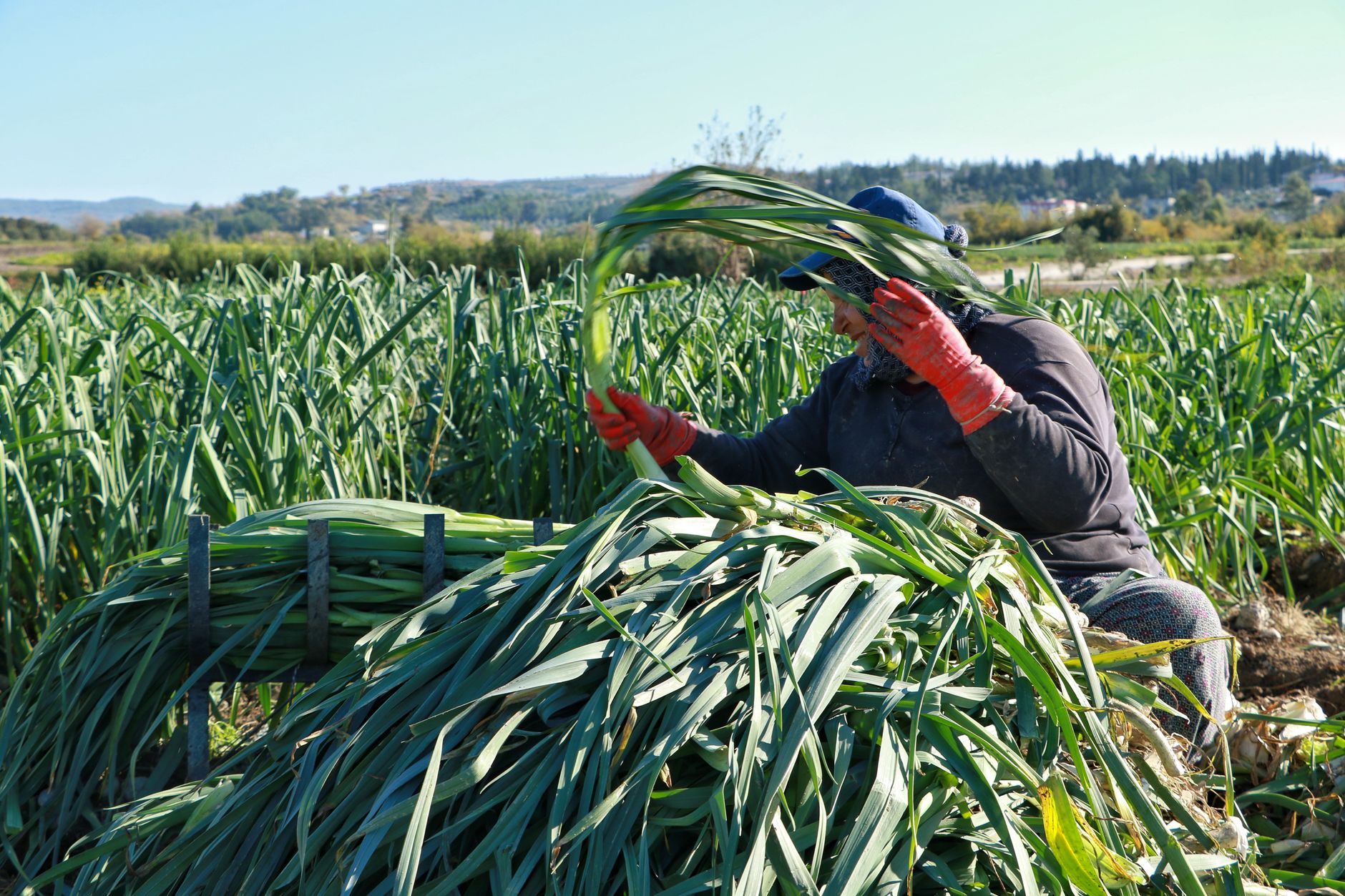
Learn the ideal soil for leeks: loose, fertile, well-drained with pH 6.0-7.0. Get planting tips, amendments, and varieties for success.
Leeks are heavy feeders that need loose, fertile soil with a pH between 6.0 and 7.0. The best soil is a sandy loam rich in organic matter, which allows the long white shafts to develop without obstruction. If you start with that, you are halfway to a good harvest.
Soil Requirements at a Glance
| Property | Ideal Range | Why It Matters |
|---|---|---|
| Texture | Sandy loam | Loose soil lets roots and shafts grow straight and long |
| pH | 6.0 to 7.0 | Nutrient availability, especially phosphorus, is optimal |
| Organic matter | 3% to 5% | Retains moisture and provides steady nutrition |
| Drainage | Well-draining | Prevents rot and fungal diseases |
| Compaction | None | Compacted soil stunts growth and causes crooked shafts |
How to Prepare Your Soil
1. Test Your Soil
Before amending, get a soil test. A basic test from your local extension office costs $10 to $20 and tells you pH and nutrient levels. If pH is below 6.0, add lime (pelletized dolomitic lime, about $5 per 40 lb bag) in fall or early spring. If pH is above 7.0, add sulfur (about $10 per 5 lb bag) to lower it.
2. Improve Drainage and Looseness
If your soil is heavy clay, incorporate 2 to 3 inches of compost and coarse sand or perlite. If it is too sandy, add compost to increase water retention. Work the soil to a depth of at least 12 inches, removing rocks and large clods.
3. Add Organic Matter
Mix in 2 to 3 inches of well-rotted compost or aged manure before planting. This provides slow-release nitrogen and improves structure. Avoid fresh manure, which can burn roots.
4. Fertilize
Before planting, work in a balanced fertilizer such as 10-10-10 at a rate of 1 pound per 10 square feet, or use a organic option like blood meal (about $8 per 5 lb bag) for nitrogen. Leeks need steady nitrogen, so side-dress with compost or a high-nitrogen fertilizer every 3 to 4 weeks during the growing season.
Planting and Growing in the Right Soil
Planting Depth and Spacing
Sow seeds indoors 8 to 10 weeks before the last frost, or direct sow in early spring. Transplant seedlings when they are pencil-thick. Dig a trench 6 inches deep and 6 inches wide, place seedlings at the bottom, spacing them 6 inches apart in rows 12 inches apart. As they grow, gradually fill the trench with soil to blanch the stems.
Varieties That Thrive in Good Soil
| Variety | Days to Maturity | Notes |
|---|---|---|
| King Richard | 75 | Early, slender, sweet; good for short seasons |
| American Flag | 100 | Tall, thick stems; reliable |
| Blue Solaise | 110 | Hardy, blue-green leaves; excellent for winter |
| Giant Musselburgh | 105 | Scottish heirloom, very cold hardy |
Watering and Mulching
Keep soil consistently moist but not waterlogged. Water deeply once a week, more in hot weather. Mulch with straw or grass clippings to retain moisture and suppress weeds.
Common Soil Problems and Fixes
Poor Drainage
If water pools after rain, create raised beds or mounds. Leeks hate wet feet. Add organic matter to improve structure.
Nutrient Deficiency
Yellowing leaves often mean nitrogen shortage. Side-dress with compost or fish emulsion (about $10 per quart).
Soil-Borne Diseases
Rotate crops: do not plant leeks in the same spot more than once every 3 years. This reduces fungal diseases like white rot.
FAQ
Can I grow leeks in containers?
Yes, use a pot at least 12 inches deep and 12 inches wide. Fill with a high-quality potting mix blended with compost. Water frequently, as containers dry out faster.
What pH is best for leeks?
A pH of 6.0 to 7.0 is ideal. Leeks tolerate slightly acidic soil but prefer neutral. Test and adjust as needed.
How do I blanch leeks in the soil?
As the leeks grow, mound soil or mulch around the stems to exclude light. This keeps the shafts white and tender. Alternatively, plant in a trench and fill it gradually.
Can I use raised beds for leeks?
Absolutely. Raised beds offer excellent drainage and loose soil. Fill with a mix of topsoil, compost, and perlite. This is often the easiest way to achieve ideal soil conditions.
The Bottom Line
The best soil for leeks is loose, fertile, and well-drained, with a pH of 6.0 to 7.0. Amend your soil with compost and a balanced fertilizer, test pH, and ensure good drainage. Plant in trenches, water consistently, and side-dress with nitrogen. With these steps, you will grow straight, flavorful leeks that are worth the effort.