Best fertilizer for shallots
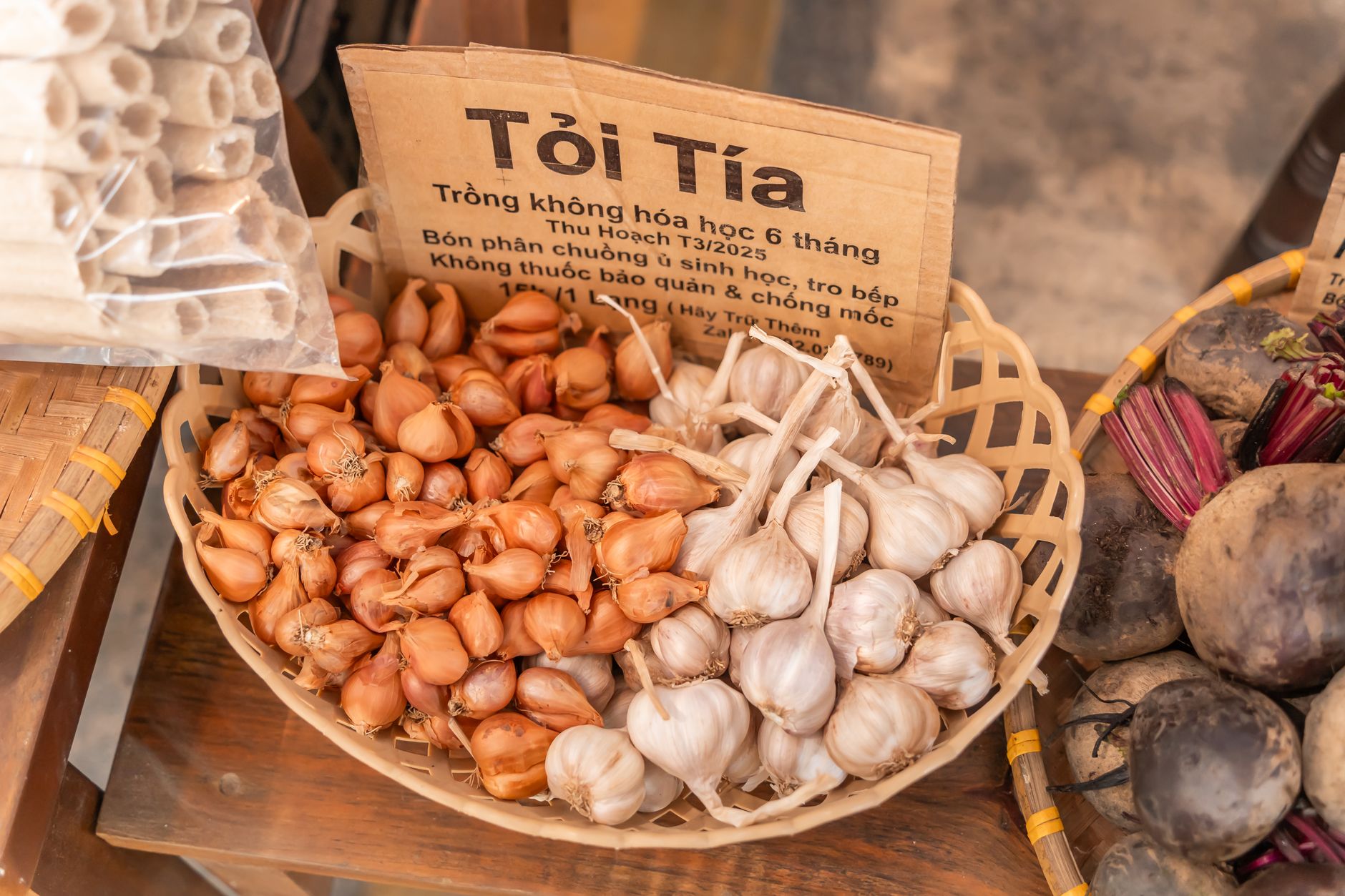
Learn the best fertilizer for shallots, including NPK ratios, application timing, and organic options. Get real numbers and practical steps for a healthy crop.
The best fertilizer for shallots is a balanced blend with a slight emphasis on phosphorus and potassium, such as a 10-10-10 or 5-10-10, applied at planting and again when bulbs begin to form. Avoid high-nitrogen fertilizers, which promote leafy growth at the expense of bulb development. For organic growers, composted manure or a commercial organic mix with similar ratios works well.
Understanding Shallot Nutrient Needs
Shallots are light feeders compared to onions, but they still need a steady supply of nutrients. Nitrogen supports leaf growth, phosphorus aids root and bulb development, and potassium improves overall plant health and disease resistance. A soil test is ideal, but if you don’t test, use a balanced fertilizer with lower nitrogen.
Best Fertilizer Types and NPK Ratios
Synthetic Options
- 10-10-10: A standard all-purpose fertilizer, easy to find and affordable. Apply 1/2 cup per 10 feet of row at planting.
- 5-10-10: Higher in phosphorus and potassium, good for bulb formation. Use at the same rate.
- Slow-release formulas: Look for options like Osmocote 14-14-14, which feed over several months. Apply according to label rates, typically 1 tablespoon per plant.
Organic Options
- Composted manure: Well-rotted cow or chicken manure, worked into the soil before planting. Apply 2-3 inches of compost or 1 inch of manure.
- Bone meal: High in phosphorus (3-15-0), mix 1/2 cup per 10 feet of row into the planting furrow.
- Kelp meal: Provides potassium and trace minerals, apply 1-2 cups per 10 feet of row.
- Commercial organic blends: Products like Espoma Garden-tone (3-4-4) or Dr. Earth All Purpose (4-4-4) are balanced and easy to use. Apply per label, usually 1/2 cup per 10 feet.
When and How to Apply Fertilizer
At Planting
- Before planting: Work compost or composted manure into the soil to a depth of 6-8 inches. This improves soil structure and provides slow-release nutrients.
- In the furrow: Sprinkle a balanced granular fertilizer (like 10-10-10) at the bottom of the planting furrow, then cover with a thin layer of soil to prevent root burn. Use 1/2 cup per 10 feet of row.
Side-Dressing
- When bulbs begin to form: About 4-6 weeks after planting, when the plants are 6-8 inches tall, side-dress with a phosphorus-potassium fertilizer. Apply 1/4 cup of 5-10-10 per 10 feet of row, or a liquid feed like fish emulsion (5-1-1) diluted per label.
- Avoid nitrogen after this point: Too much nitrogen late in the season delays bulb maturity and reduces storage quality.
Foliar Feeding (Optional)
- Liquid kelp or fish emulsion: Spray every 2-3 weeks during early growth to provide a quick nutrient boost. Use a pump sprayer, mix per label, and apply in the evening to avoid leaf burn.
Fertilizer Schedule by USDA Zone
| Zone | Planting Time | First Side-Dress | Second Side-Dress (if needed) |
|---|---|---|---|
| 3-4 | Early May | Late May | Mid-June (only if growth is slow) |
| 5-6 | Mid-April | Mid-May | Early June (optional) |
| 7-8 | Late March | Late April | Mid-May (optional) |
| 9-10 | Early March | Early April | Late April (optional) |
Common Mistakes to Avoid
- Over-fertilizing with nitrogen: This leads to lush tops and small bulbs. Stick to balanced or low-nitrogen formulas.
- Fertilizing too late: Stop feeding once bulbs start to swell. Late feeding encourages tops to stay green and bulbs to split.
- Ignoring soil pH: Shallots prefer a pH of 6.0-7.0. If your soil is acidic, add lime in the fall before planting.
- Using fresh manure: Fresh manure can burn roots and introduce pathogens. Always use composted manure.
Organic vs. Synthetic: Which Is Better?
Both work, but organic fertilizers improve soil health over time, while synthetics provide quick nutrients. For small gardens, organic is often easier and safer. For large plantings, synthetic may be more cost-effective. A 50-pound bag of 10-10-10 costs about $20-$30, while a 4-pound box of organic fertilizer runs $10-$15. In 2026, expect similar prices, with slight increases due to inflation.
FAQ
Can I use onion fertilizer for shallots?
Yes, onion fertilizers are suitable. They typically have a similar NPK ratio, like 10-10-10 or 5-10-10. Follow the same application rates.
How often should I fertilize shallots?
At planting and once when bulbs start to form is usually enough. If your soil is poor, you can side-dress once more, but avoid late-season nitrogen.
What if my shallots have yellow leaves?
Yellow leaves often indicate nitrogen deficiency, but could also be from overwatering or disease. Test soil, and if nitrogen is low, apply a light dose of fish emulsion or blood meal.
Can I use compost as the only fertilizer?
Yes, if your compost is rich and you apply 2-3 inches before planting. However, for best yields, supplement with a balanced organic fertilizer at planting.
The Bottom Line
For healthy shallots, use a balanced fertilizer like 10-10-10 at planting and a phosphorus-potassium boost when bulbs form. Organic options like compost and bone meal work well, but avoid high nitrogen. Test your soil, follow the schedule for your zone, and you’ll get a good harvest. Remember, shallots are forgiving, but they reward attention to nutrient balance.