Best tasting tea for beginners
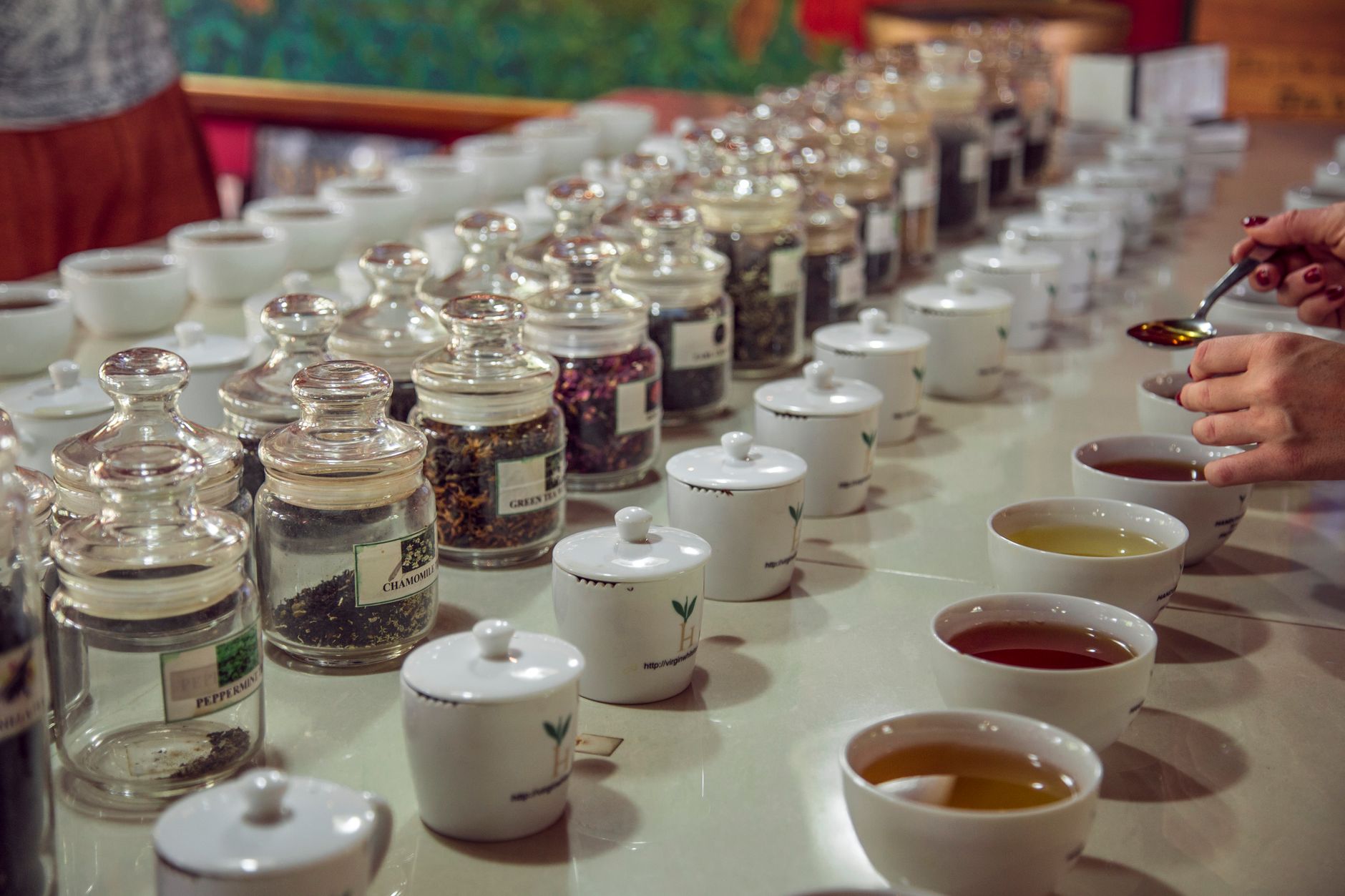
Discover the best tasting tea for beginners: easy-to-grow herbs, simple brewing tips, and realistic yields for 2026. Start your tea garden today.
If you’re new to growing your own tea, start with herbs that taste great fresh or dried and are forgiving to grow. The best tasting teas for beginners are peppermint, lemon balm, and chamomile. These three are easy to cultivate, harvest, and brew, and they produce delicious, caffeine-free infusions that beat store-bought bags. In this guide, you’ll learn exactly which varieties to plant, when to harvest, and how to brew a perfect cup.
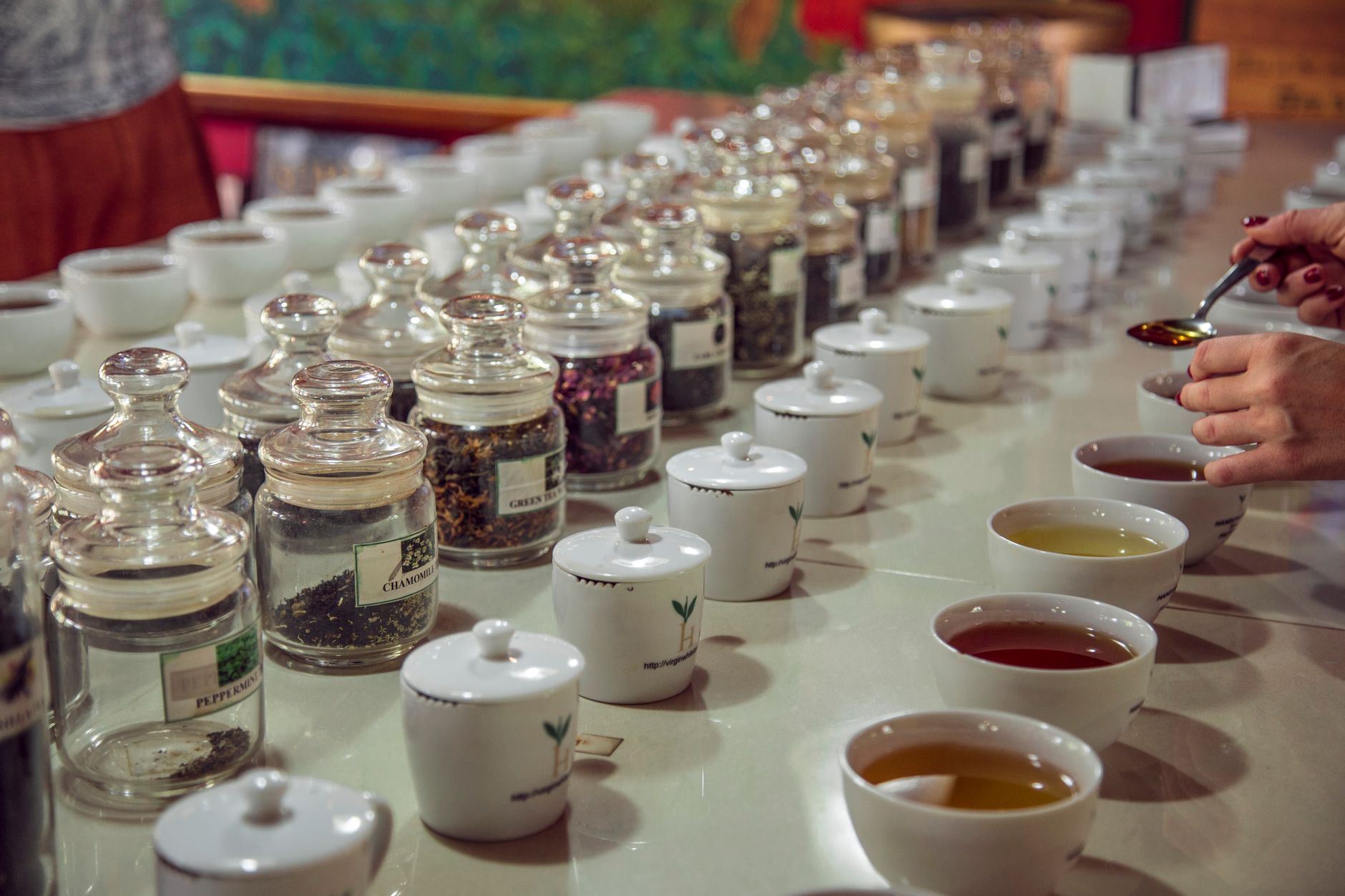
Why these three herbs?
Peppermint, lemon balm, and chamomile are the trifecta for beginner tea gardeners. They are hardy in most US zones (peppermint and lemon balm are perennials in zones 3-9, chamomile is an annual that self-seeds), require minimal care, and have distinct, pleasant flavors. They also dry well, so you can enjoy your harvest all winter. Unlike true tea (Camell
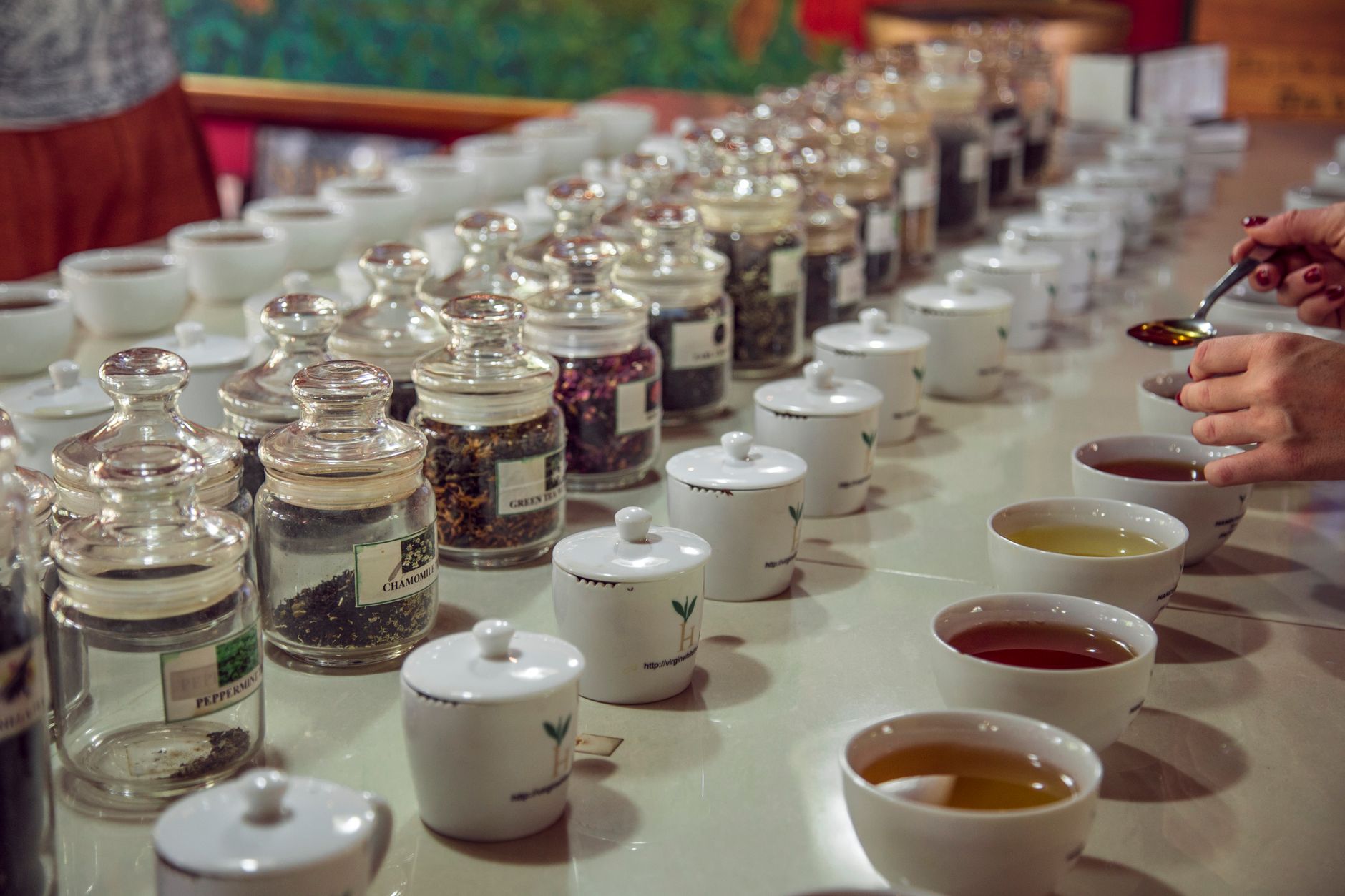 ia sinensis), these herbs are caffeine-free, which makes them a great choice for evening sipping.
Getting started: what to buy and where
You can start from seed or buy small plants from a nursery. Seeds are cheaper but take longer; plants give you a head start. For 2026, expect to pay:
- Peppermint plant: $4-$6 per 4-inch pot
- Lemon balm plant: $4-$6 per 4-inch pot
- Chamomile seeds: $3-$5 per packet (about 500 seeds)
- Seed starting mix: $8-$12 per bag
- Potting soil: $10-$15 per bag
If you’re planting in the ground, choose a spot with well-drained soil and at least 6 hours of sun. For containers, use a pot at least 12 inches deep and wide. Peppermint is invasive, so consider a buried pot or a raised bed to keep it contained.
Planting and spacing
Planting times vary by zone, but here are general guidelines:
| Herb | USDA Zones | Planting Time | Spacing | Depth |
|---|---|---|---|---|
| Peppermint | 3-9 | Spring after last frost | 18-24 inches apart | Plant at same depth as pot |
| Lemon balm | 3-9 | Spring after last frost | 12-18 inches apart | Plant at same depth as pot |
| Chamomile | 2-11 (annual) | Direct sow in early spring or fall | 6-12 inches apart | 1/8 inch deep |
For chamomile, you can also start seeds indoors 6-8 weeks before the last frost. Keep the soil moist but not soggy. Germination takes 7-14 days.
Harvesting for the best flavor
The key to great tea is harvesting at the right time. For peppermint and lemon balm, pick leaves just before the plant flowers, when essential oils are at their peak. Use clean scissors to snip stems in the morning after dew has dried. For chamomile, harvest the flowers when they are fully open, usually mid-summer. Pick them by hand or with a small harvest basket.
You can use the leaves fresh or dry them. To dry, tie small bundles and hang them upside down in a dry, dark place, or use a food dehydrator at 95°F for 2-4 hours. Store dried herbs in airtight glass jars away from light. Properly dried herbs keep their flavor for up to a year.
Brewing the perfect cup
For fresh herbs, use about 1 tablespoon of chopped leaves or 2 tablespoons of fresh chamomile flowers per 8-ounce cup. For dried herbs, use 1 teaspoon per cup. Pour boiling water (212°F) over the herbs and steep for 5-10 minutes. Longer steeping gives a stronger, more medicinal brew. Strain and enjoy. You can combine these herbs: try equal parts peppermint and lemon balm for a refreshing blend, or add chamomile for a calming evening tea.
Realistic yields and costs
A single peppermint plant can produce 1-2 cups of dried leaves per season. Lemon balm yields about 1 cup dried per plant. Chamomile: 10-20 plants can give you 1-2 cups of dried flowers. Dried herbs cost $2-$4 per ounce in stores, so growing your own saves money over time. Initial setup for three plants and seeds: about $20-$30. You’ll recoup that in one season if you drink tea regularly.
Troubleshooting common issues
- Peppermint rust: orange spots on leaves. Cut back affected growth and improve air circulation.
- Lemon balm mildew: white powder on leaves. Water at the base, not overhead.
- Chamomile aphids: spray with a strong stream of water or use insecticidal soap.
These issues are rarely fatal, and you can still harvest unaffected parts.
FAQ
Can I grow these indoors? Yes, all three grow well in pots on a sunny windowsill (south-facing) or under a grow light for 12-14 hours a day. Use a well-draining potting mix and water when the top inch of soil is dry.
How long do dried herbs last? If stored in an airtight container in a cool, dark place, dried herbs retain flavor for 6-12 months. After that, they lose potency but are still safe to use.
Are these teas safe for children? Yes, these herbs are generally recognized as safe for children in culinary amounts. For medicinal use, consult a healthcare provider. Chamomile may cause allergic reactions in people sensitive to ragweed.
Can I mix these with true tea? Absolutely. Add a teaspoon of dried peppermint or lemon balm to your black or green tea for a fresh twist. This is a great way to ease into herbal teas if you’re used to caffeine.
Related guides
The bottom line
Start with peppermint, lemon balm, and chamomile. They are the best tasting teas for beginners because they are easy to grow, harvest, and brew. Plant them this spring, harvest through summer, and enjoy homemade tea all year. You’ll save money, know exactly what’s in your cup, and have the satisfaction of growing your own. For a first tea garden, these three are hard to beat.