Best herbs for beginners
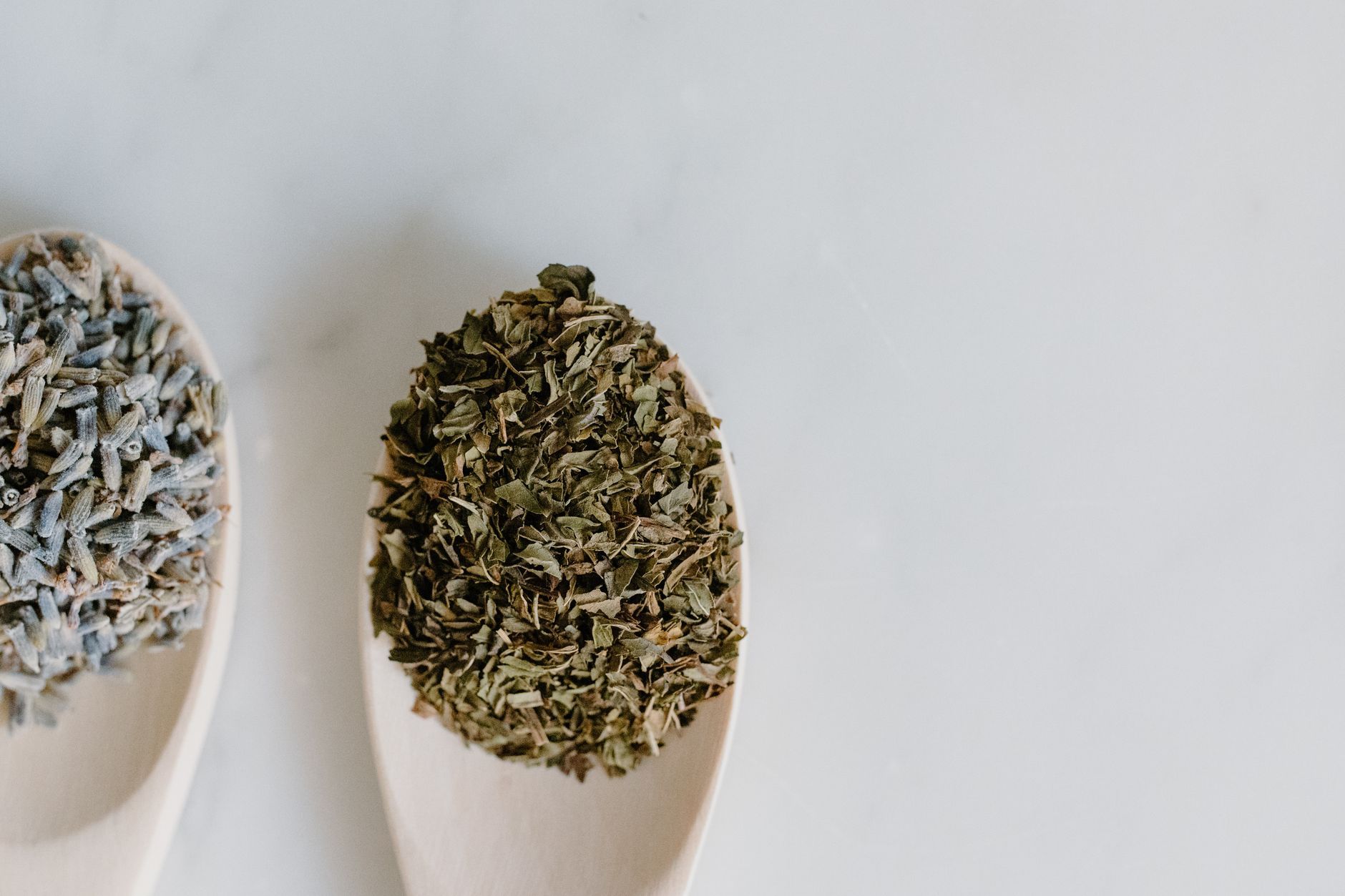
Start your herb garden with these 5 easy herbs: basil, mint, parsley, chives, and oregano. Includes planting tips, varieties, and harvest advice.
If you’re new to growing herbs, start with basil, mint, parsley, chives, and oregano. These five are forgiving, fast-growing, and useful in the kitchen. You can grow them in containers on a sunny windowsill or in the ground, and most will give you harvests within weeks. Here’s exactly how to get them going, with real varieties and dates for US zones.
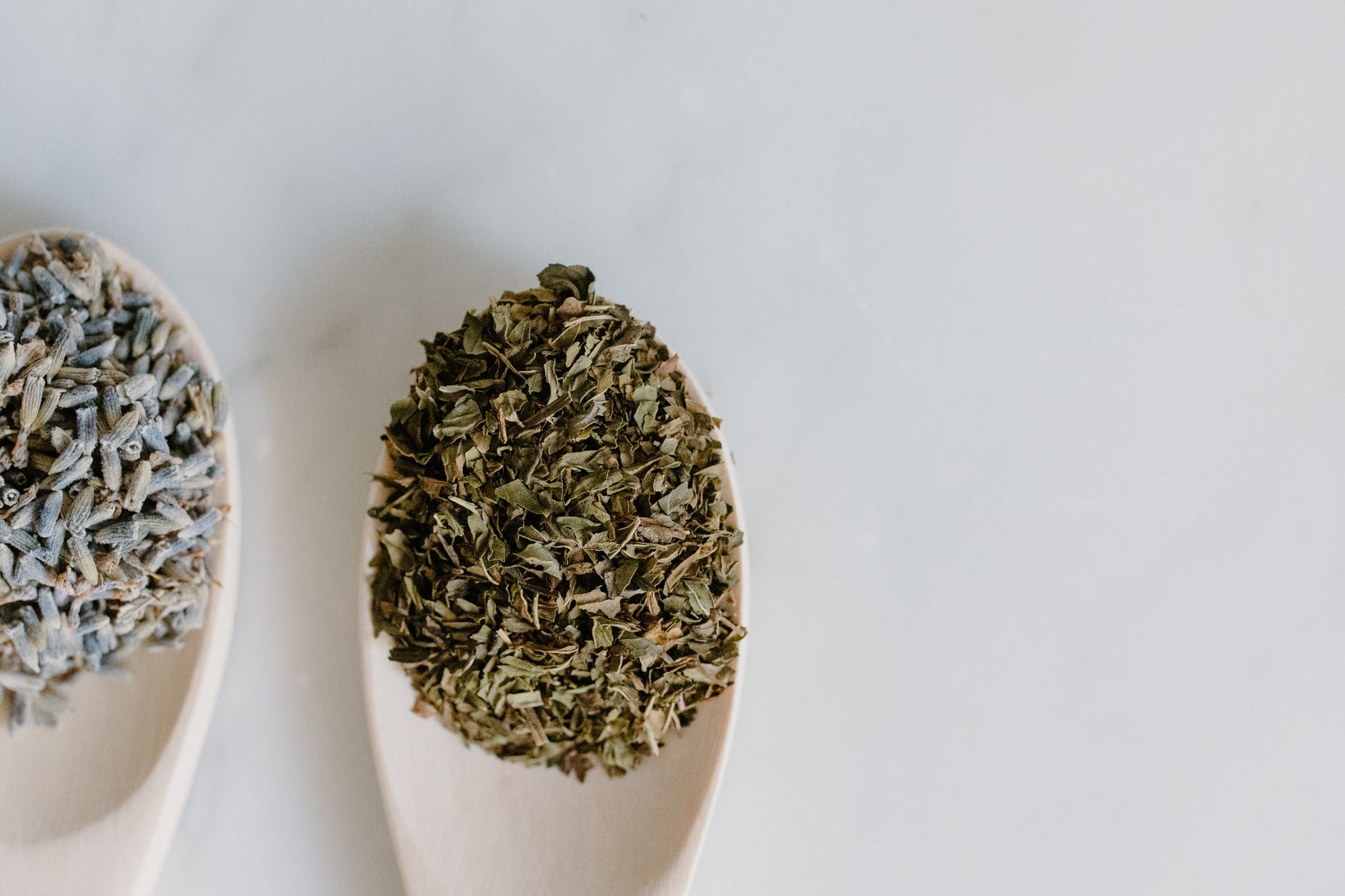
Why these five herbs?
These herbs are chosen because they germinate quickly, tolerate some neglect, and don’t need fussy soil. Basil and mint are annuals in most zones (mint is perennial in zones 5-9), parsley is a biennial, chives are a hardy perennial, and oregano is a perennial in zones 5-10. They all grow we
 ll in containers, which is ideal for beginners who want to control soil and watering.
Basil: the summer staple
Basil loves heat and sun. Plant it after the last frost, when soil temperatures are above 50°F. In zone 6, that’s mid-May; in zone 9, you can plant in March.
- Varieties: ‘Genovese’ for pesto, ‘Sweet Basil’ for general use, ‘Thai Basil’ for Asian dishes.
- Spacing: 12 inches apart in the ground, or one plant per 6-inch pot.
- Depth: Sow seeds 1/4 inch deep, or transplant seedlings at the same depth.
- Harvest: Pinch off leaves as needed, starting when the plant has 6-8 leaves. Always pinch above a leaf pair to encourage bushiness.
- Yield: One plant can give you 1-2 cups of leaves over the season.
- Price: A packet of seeds costs $3-$5; a 4-inch potted plant is $4-$6.
Basil is tender: it dies at the first frost. If you want a fall crop, sow again in midsummer.
Mint: vigorous and versatile
Mint is the easiest herb to grow, but it’s invasive in the ground. Always plant it in a container, even if you bury the pot to keep it contained. It spreads by runners, so a 12-inch pot is minimum.
- Varieties: ‘Spearmint’ for tea and sauces, ‘Peppermint’ for desserts, ‘Chocolate Mint’ for a fun twist.
- Spacing: One plant per 12-inch pot, or 18 inches apart in a raised bed with a barrier.
- Depth: Plant seeds 1/4 inch deep, or transplant at the same depth.
- Harvest: Cut stems back to 2 inches above the soil; it regrows fast. You can harvest every 2-3 weeks.
- Yield: A single plant can produce 2-4 cups of leaves per month in peak season.
- Price: Seeds are $3-$5; a plant is $4-$7.
Mint is a perennial in zones 5-9. In colder zones, bring the pot indoors or protect it with mulch.
Parsley: the biennial workhorse
Parsley is slow to germinate (up to 3 weeks), so many beginners prefer to buy a transplant. It grows well in cool weather, so you can plant it early spring or fall.
- Varieties: ‘Flat Leaf Italian’ for cooking, ‘Curly’ for garnish.
- Spacing: 8-10 inches apart.
- Depth: Sow seeds 1/4 inch deep; transplant at the same depth.
- Harvest: Cut outer stalks at the base, leaving the center to grow. You can harvest all season.
- Yield: One plant gives 1-2 cups of leaves over its lifetime.
- Price: Seeds $3-$4; a 4-inch pot is $3-$5.
Parsley is a biennial, meaning it grows leaves the first year, then flowers and goes to seed the second. For a continuous supply, sow new plants every year.
Chives: the set-and-forget perennial
Chives are the easiest herb to grow. They’re hardy, pest-free, and come back every year. They grow in clumps and produce purple flowers that are also edible.
- Varieties: ‘Common Chives’ for onion flavor, ‘Garlic Chives’ for a mild garlic taste.
- Spacing: 6-8 inches apart.
- Depth: Plant seeds 1/4 inch deep, or divide an existing clump.
- Harvest: Snip leaves with scissors, cutting 2 inches above the soil. The more you cut, the more it grows.
- Yield: A clump can give you 1/2 cup of chopped chives per week.
- Price: Seeds $3-$5; a plant is $4-$6.
Chives are perennials in zones 3-9. They die back in winter and return in spring. Divide clumps every 3 years to keep them vigorous.
Oregano: the drought-tolerant Mediterranean
Oregano is a low-maintenance perennial that thrives in poor soil and full sun. It’s perfect for beginners who forget to water.
- Varieties: ‘Greek Oregano’ for the strongest flavor, ‘Italian Oregano’ for a milder taste.
- Spacing: 12 inches apart.
- Depth: Sow seeds 1/4 inch deep, or transplant.
- Harvest: Cut stems 4-6 inches long, then strip the leaves. You can dry them for winter use.
- Yield: One plant gives 1-2 cups of leaves per season.
- Price: Seeds $3-$5; a plant is $4-$6.
Oregano is perennial in zones 5-10. In colder zones, grow it in a pot and bring it inside for winter.
Getting started this week
- Choose your herbs: Pick 2-3 from the list to start. Basil and chives are the most forgiving.
- Get supplies: You’ll need 6-inch pots (or a 12-inch pot for mint), potting mix, and seeds or transplants. A basic setup costs $20-$40.
- Plant: Fill pots with moist potting mix, sow seeds at the depth listed, and place in a sunny window (south-facing) or under a grow light for 12-16 hours a day.
- Water: Keep the soil evenly moist but not soggy. Check daily by sticking your finger an inch into the soil.
- Harvest: Start harvesting when the plant has enough leaves to spare (at least 6-8 leaves per plant). Use scissors or pinch with your fingers.
Common mistakes to avoid
- Overwatering: Most herbs hate wet feet. Let the top inch of soil dry out before watering again.
- Under-lighting: Indoors, herbs need a lot of light. A sunny window may not be enough in winter; use a grow light.
- Planting mint in the ground: It will take over your garden. Always containerize it.
- Harvesting too early: Wait until the plant is established (at least 4-6 inches tall) before cutting.
FAQ
How long do herbs take to grow from seed? Basil and chives germinate in 5-14 days. Parsley takes 2-3 weeks. Oregano and mint take 7-14 days. You can harvest leaves 4-6 weeks after planting.
Can I grow herbs indoors year-round? Yes, but they need 12-16 hours of bright light. A south-facing window works in spring and summer; in winter, use a grow light. Keep them away from cold drafts.
What’s the best way to dry herbs? Hang small bunches upside down in a dry, dark place with good air circulation. Most herbs dry in 1-2 weeks. Store in airtight jars away from light.
Do I need to fertilize herbs? Most herbs prefer lean soil. A light application of compost or a balanced organic fertilizer (like 5-5-5) once a month is enough. Too much fertilizer reduces flavor.
Related guides
The bottom line
Growing herbs is one of the most rewarding parts of gardening. Start with basil, mint, parsley, chives, and oregano, and you’ll have fresh flavor for your cooking within weeks. Plant them in containers, give them sun and water, and harvest often. As you gain confidence, you can expand to other herbs like thyme, rosemary, and cilantro. The key is to start small, learn by doing, and enjoy the process.