Cardoon vs artichoke
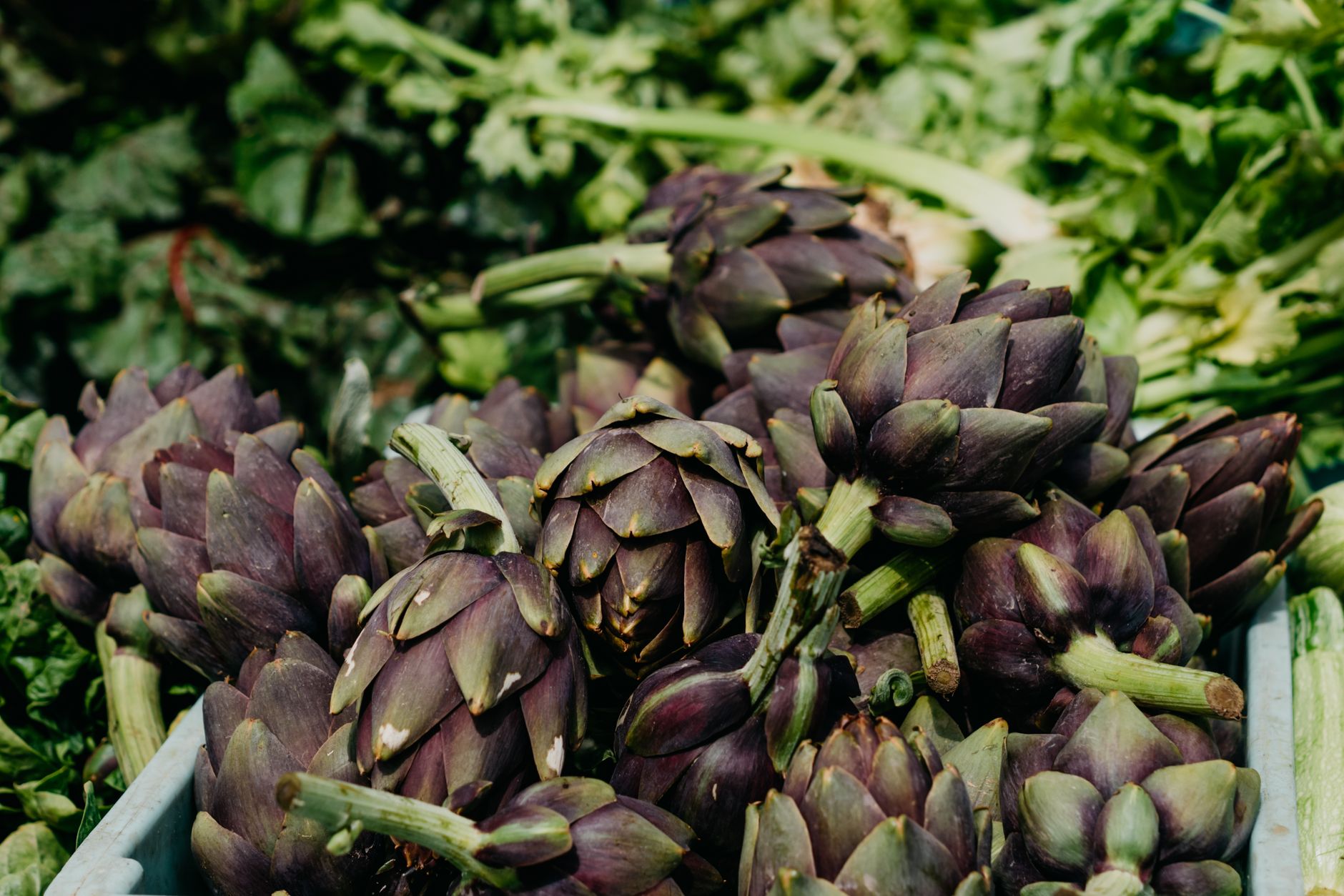
Compare cardoon and artichoke: growth, harvest, and use. Learn which suits your garden and get planting tips for both.
Cardoon and artichoke are close cousins, both in the thistle family, but they serve different purposes in the garden and kitchen. Cardoon is grown for its fleshy leaf stalks, while artichoke is grown for its edible flower buds. If you have space for only one, choose based on your climate and how you plan to use it. Artichokes need mild winters and cool summers; cardoons are more forgiving and can handle a bit more heat and cold. Both are perennials in USDA zones 7-10, but you can grow them as annuals in cooler zones with a head start indoors.
What is the difference between cardoon and artichoke?
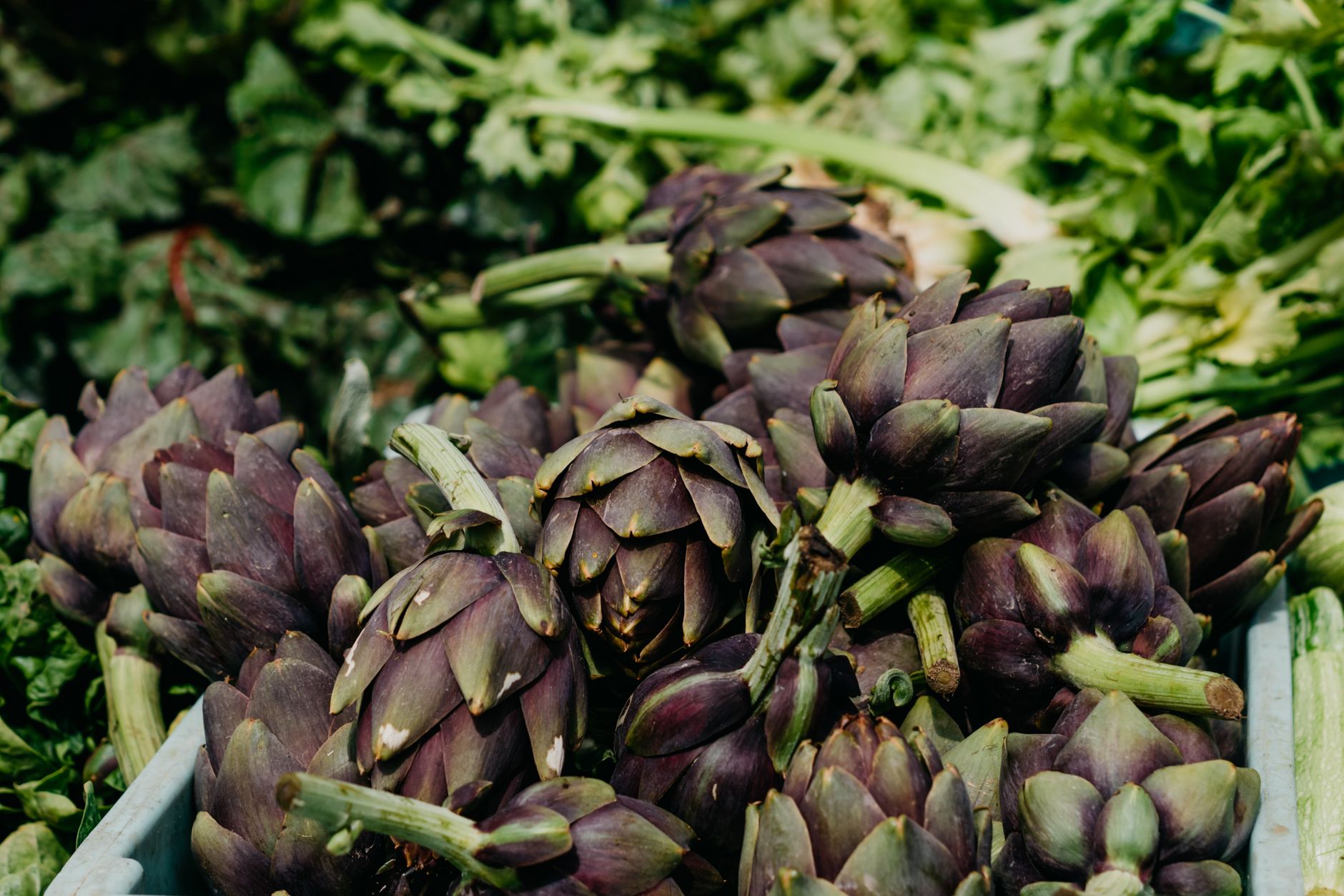
The main difference is the part you eat. Artichoke (Cynara cardunculus var. scolymus) produces large, round buds that you harvest before they open. Cardoon (Cynara cardunculus var. altilis) is the same species but bred for its thick, celery-like stalks. The plants look similar: both have silvery, deeply lobed leaves and can reach 4-6 feet tall. But cardoon is more ornamental, with spikier leaves and a more architectural form. Artic
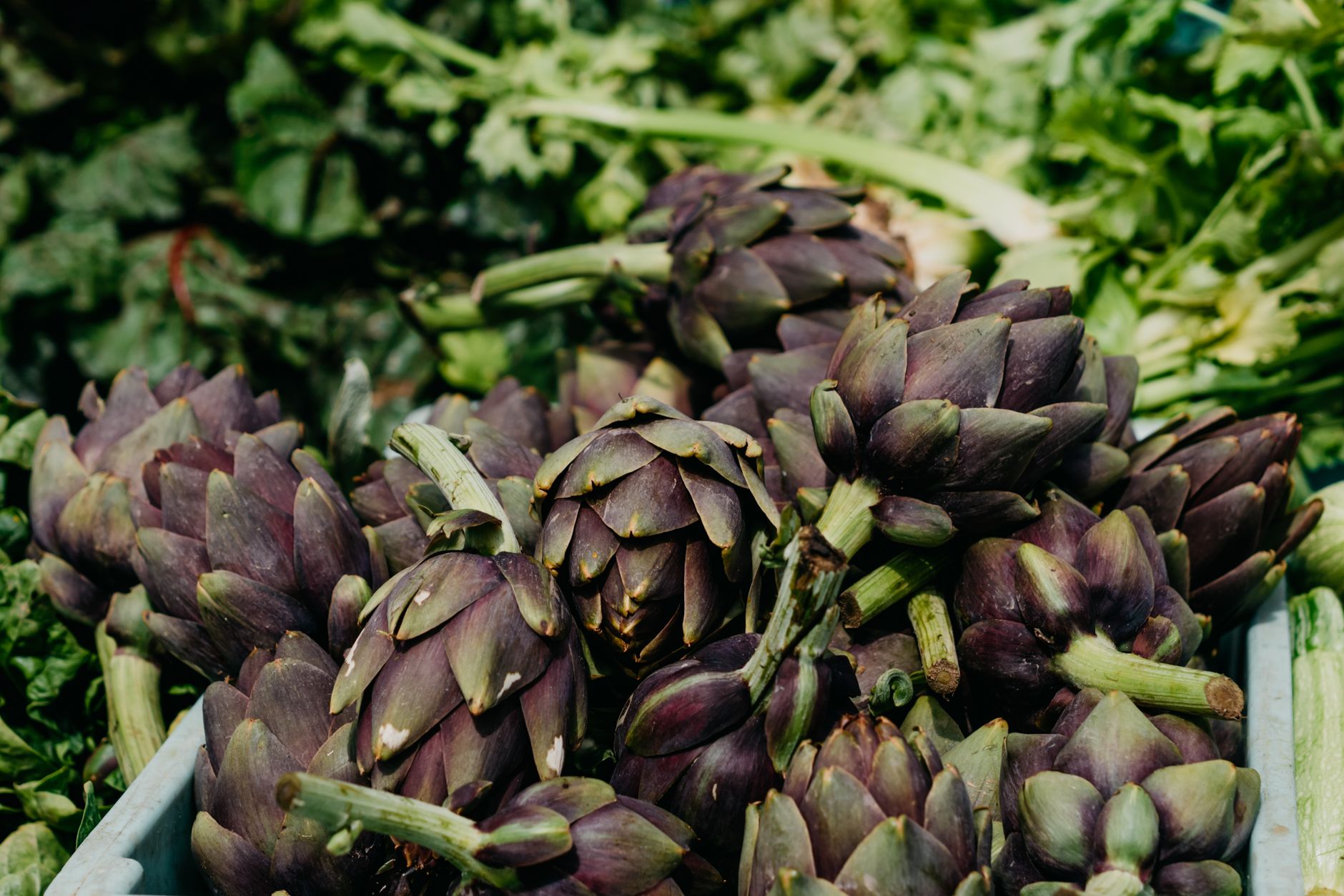 hoke is more compact, usually 3-4 feet, and produces multiple buds per plant.
Which is easier to grow?
Cardoon is generally easier. It tolerates a wider range of soils and temperatures, and it is less fussy about winter chill. Artichoke needs a period of vernalization (cold temperatures below 50°F for at least 2 weeks) to trigger budding, which can be tricky in mild climates. In zone 9 and 10, artichokes often fail to produce buds unless you choose a low-chill variety like ‘Imperial Star’. Cardoon does not need vernalization; it will produce stalks in its first year from seed, even in warm climates.
Planting times by zone
| Zone | Artichoke (perennial) | Cardoon (perennial) |
|---|---|---|
| 5-6 | Start indoors 8-10 weeks before last frost; plant out after frost | Start indoors 6-8 weeks before last frost; plant out after frost |
| 7-8 | Plant divisions in fall or early spring | Plant seeds directly in spring or fall |
| 9-10 | Plant ‘Imperial Star’ in fall for spring buds | Plant seeds in fall for winter stalks |
Spacing and soil
Both need full sun and rich, well-drained soil with a pH of 6.0-7.0. Space artichokes 3-4 feet apart, cardoons 2-3 feet apart. Amend with compost before planting. They are heavy feeders: side-dress with balanced fertilizer (10-10-10) every 4-6 weeks during the growing season.
Harvesting and yields
Artichoke: Harvest buds when they are tight and firm, about 3-4 inches in diameter for ‘Green Globe’. Cut the stem 1-2 inches below the bud. A mature plant yields 6-8 buds per season in zones 7-8, more in cooler coastal areas. In zone 9, ‘Imperial Star’ yields 4-6 buds.
Cardoon: Harvest stalks when they are 18-24 inches long, before the plant flowers. Cut the entire stalk at the base. Blanch the stalks by tying the outer leaves together and wrapping with burlap or cardboard 2-3 weeks before harvest to make them tender and less bitter. Each plant yields 4-6 stalks per season.
Culinary uses and preparation
Artichoke: Steam or boil whole buds, then eat the fleshy base of the leaves and the heart. They are rich and nutty. You can also grill or stuff them. One medium artichoke takes about 30-40 minutes to steam.
Cardoon: The stalks are fibrous and need more work. Peel the outer strings, cut into 2-inch pieces, and boil in salted water with a little lemon juice for 20-30 minutes until tender. Then you can sauté, bake in a gratin, or add to soups. The flavor is similar to artichoke but more bitter. Some people blanch the stalks before cooking to reduce bitterness.
Varieties to try
Artichoke:
- ‘Green Globe’: classic, reliable in zones 7-8, large buds.
- ‘Imperial Star’: low-chill, good for zones 9-10, medium buds.
- ‘Purple of Romagna’: Italian heirloom, purple buds, cold hardy to zone 6.
Cardoon:
- ‘Gigante di Romagna’: Italian heirloom, thick stalks, good flavor.
- ‘Cardoon of Tours’: French variety, tender stalks.
- ‘Wild Cardoon’: ornamental, spiky, but less edible.
Cost and where to buy
Artichoke plants: $8-$12 each at nurseries; seeds $3-$5 per packet. Cardoon seeds: $4-$6 per packet. Plants are less common, but you can find them online for $10-$15. Both are easy to start from seed, but artichoke needs a cold treatment for best budding.
Common problems
Aphids and slugs are the main pests. Use insecticidal soap for aphids, and diatomaceous earth for slugs. Both plants are prone to root rot in heavy, wet soil, so ensure good drainage. In hot climates, artichokes may bolt (flower prematurely) if stressed by heat; provide afternoon shade in zones 9-10.
FAQ
Can I grow cardoon and artichoke in the same garden?
Yes, they are related and have similar needs. Give them enough space: at least 3 feet apart for each. They will not cross-pollinate unless you save seeds, but that is fine if you do not mind hybrids.
How long do cardoon and artichoke live?
As perennials, they can live 5-10 years in zones 7-10. In colder zones, treat them as annuals or overwinter indoors in a cool, bright spot.
Are cardoon stalks really edible?
Yes, but they require more preparation than artichoke. Blanching and peeling are essential to reduce bitterness and fiber. If you do not want the fuss, grow artichoke instead.
Can I eat cardoon flowers like artichoke?
Cardoon flowers are smaller and spikier, with less edible flesh. They are not worth the effort. Stick to artichoke for buds.
Related guides
The bottom line
Choose artichoke if you want a classic vegetable with minimal prep and you live in a mild climate (zones 7-10). Choose cardoon if you want an ornamental plant that is easier to grow and you are willing to put in extra kitchen time. Both are rewarding, but they are not interchangeable. Start with one, master it, then try the other.