Cardon vs saguaro
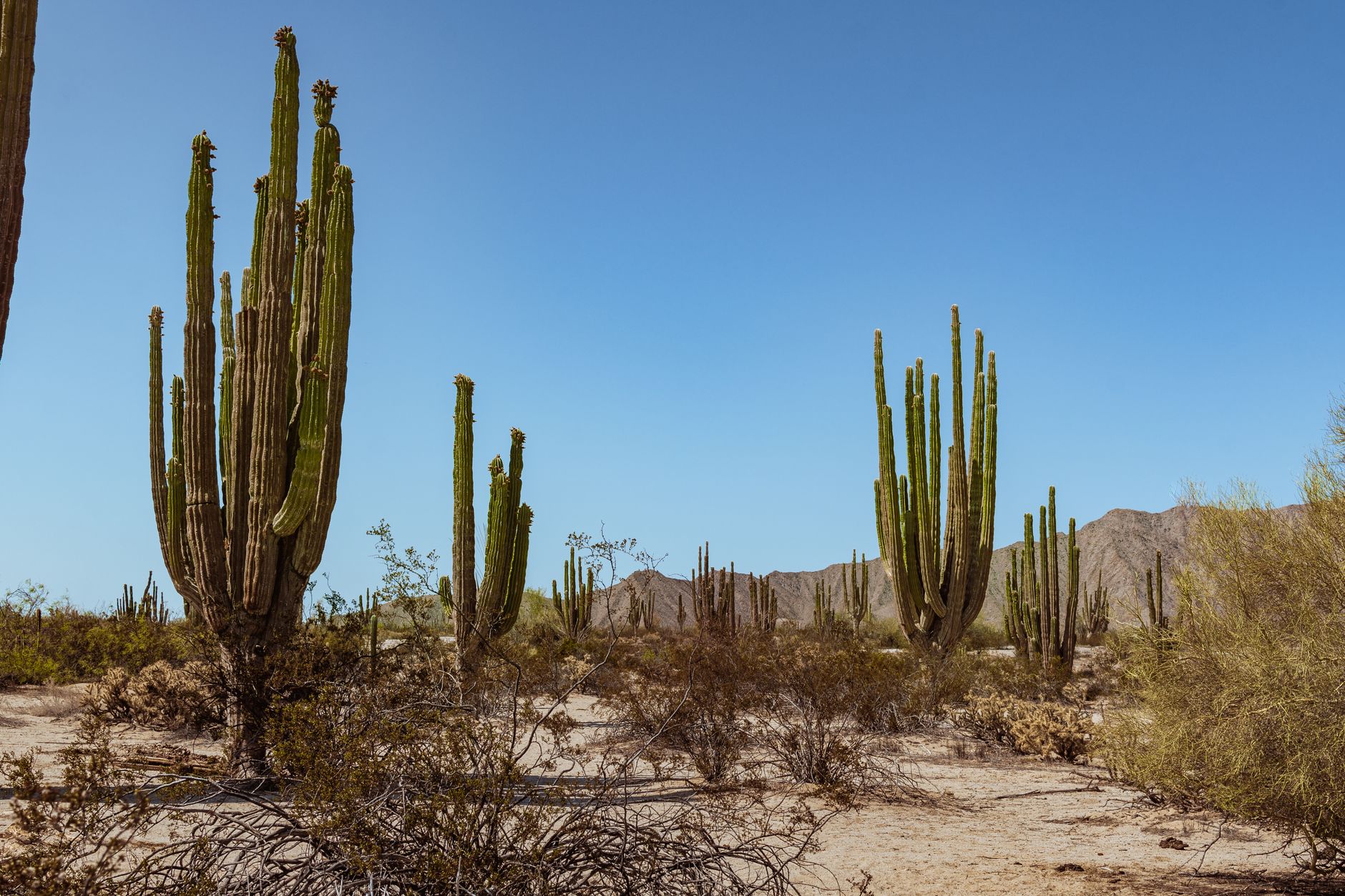
Compare cardon and saguaro cacti for your desert garden: growth rates, cold hardiness, care, and realistic expectations for 2026.
If you’re deciding between cardon (Pachycereus pringlei) and saguaro (Carnegiea gigantea) for your desert landscape, here’s the short answer: cardon grows faster and tolerates more cold, but saguaro is the iconic, slower-growing classic. Choose cardon if you want quicker vertical impact and live in a colder zone; choose saguaro if you’re in its native range and can wait decades. Both are protected in the wild, so always buy nursery-grown plants.
What’s the difference?
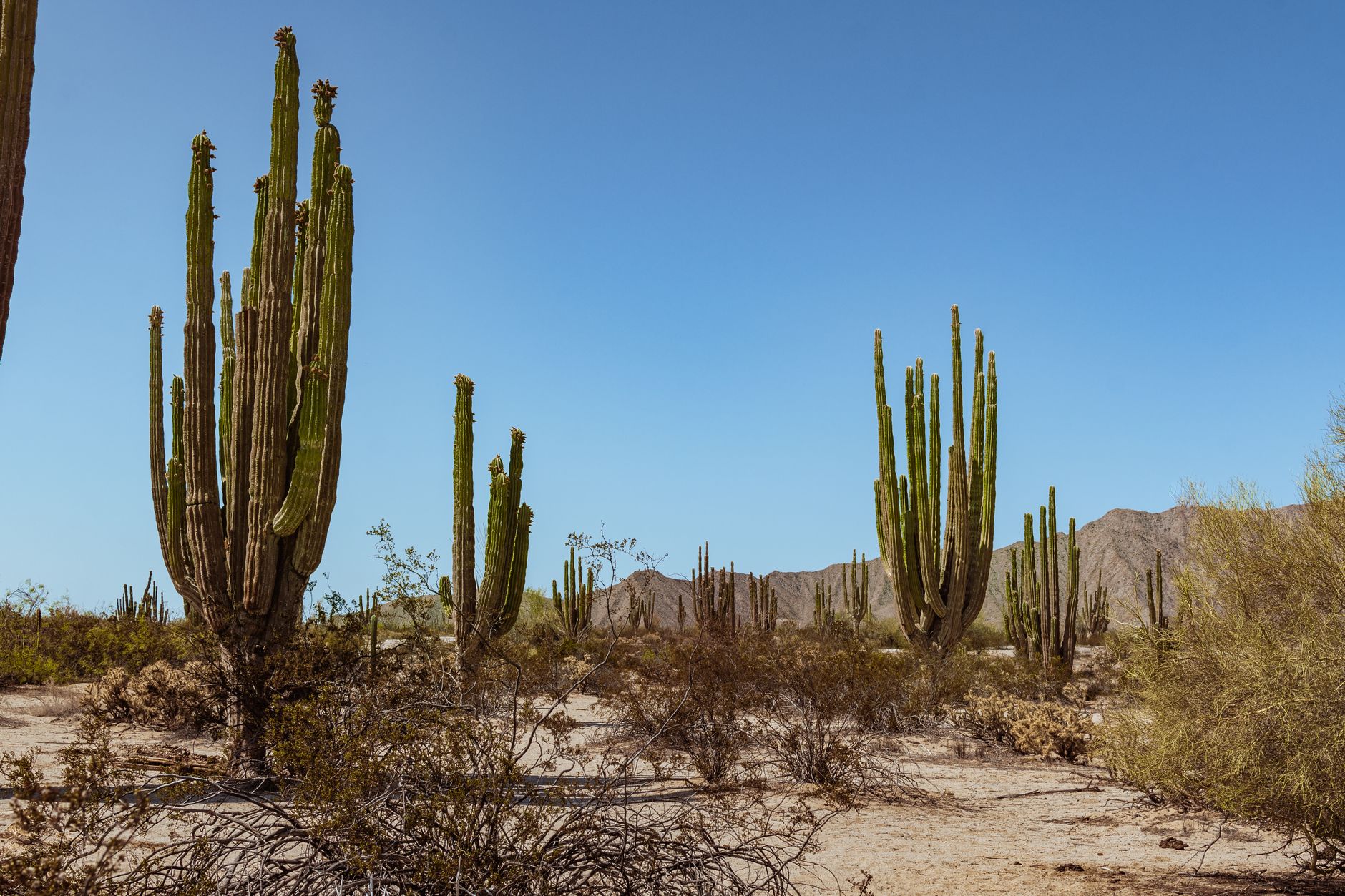
Cardon and saguaro look similar: tall, ribbed, columnar cacti with arms that develop with age. But they differ in size, speed, and hardiness.
- Size: Cardon is the largest cactus in the world, reaching up to 60 feet tall and 3 feet thick. Saguaro maxes out around 40 feet and 2 feet thick.
- Growth rate: Cardon grows faster, especially when young, adding 4 to 6 inches per year in ideal conditions. Saguaro is notoriously slow, often only 1 to 2 inches per year for the first decade.
- Cold tolerance: Cardon handles down to about 15°F (-9°C) once established. Saguaro is more sensitive, suffering damage below 25°F (-4°C).
- Native range: Saguaro is native to the Sonoran Desert (Arizona, Mexico). Cardon is native to Baja California and coastal Sonora, but it adapts well to similar climates.
- Lifespan: Both can live 150 to 200 years, but saguaro often
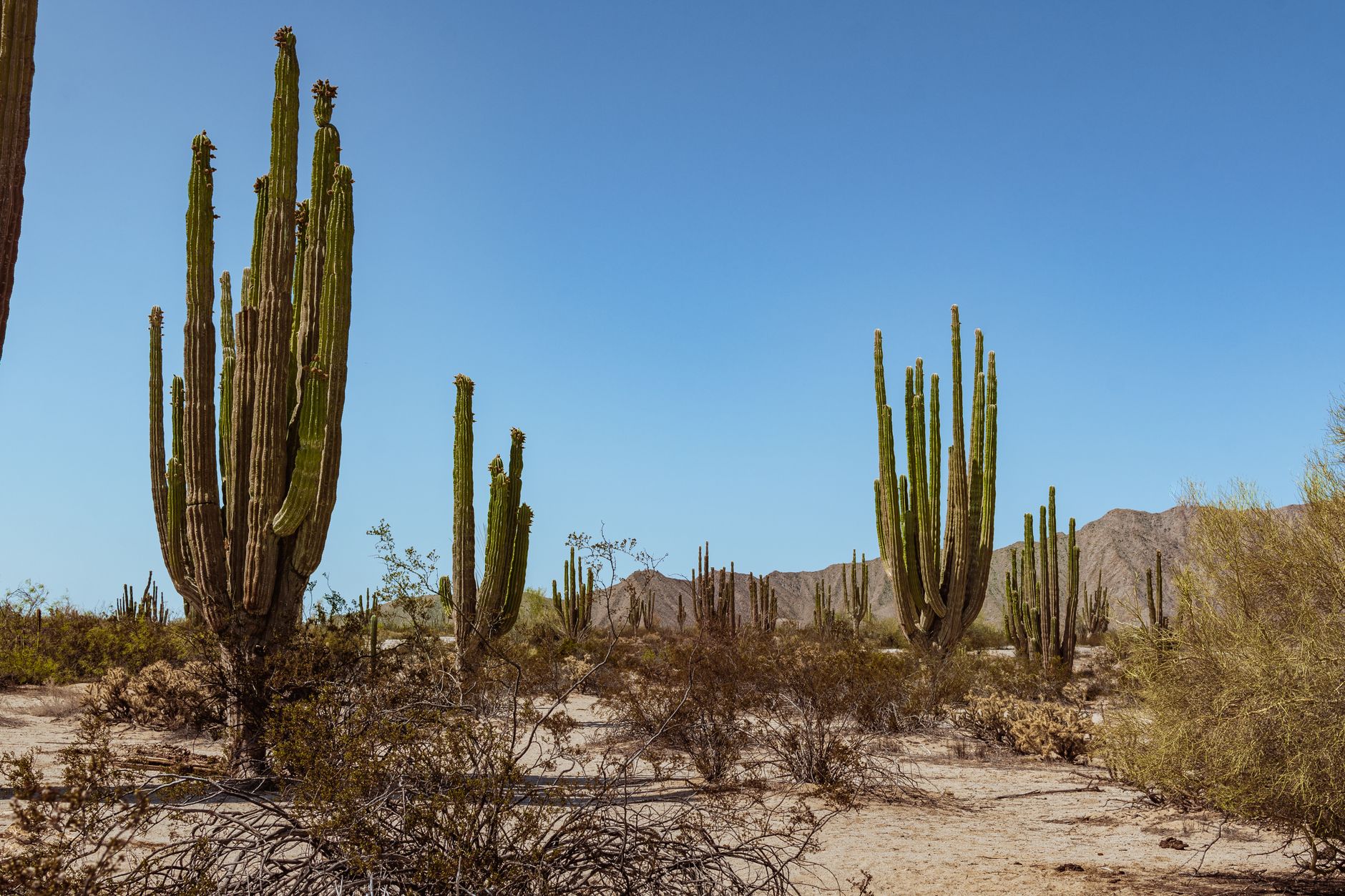 takes 70 years to grow its first arm; cardon may arm in 20 to 30 years.
Which should you plant?
Your choice depends on your climate and patience.
- If you live in USDA zones 9b to 11 (e.g., Phoenix, Tucson, Las Vegas, inland California), both can grow. Saguaro is native to these areas, but cardon also thrives.
- If you get occasional frosts below 25°F, cardon is safer. Saguaro may need frost cloth or heat lamps.
- If you want a mature-looking cactus sooner, cardon is the better bet. A 5-gallon cardon can reach 5 to 6 feet in 5 years; a saguaro of the same size might only grow 1 foot in that time.
- If you want the classic saguaro silhouette for cultural or aesthetic reasons, go with saguaro, but be prepared to buy a larger specimen (5 to 10 feet tall) to see arms in your lifetime.
How to plant and care for them
Both cacti need well-draining soil and full sun. Here’s a step-by-step guide for planting either.
- Choose a location: Full sun (at least 6 hours daily), away from walkways and structures. Allow 10 feet of clearance for mature width.
- Prepare the soil: Mix native soil with 50% pumice or coarse sand to ensure drainage. Avoid heavy clay.
- Plant in spring or fall: Avoid summer heat and winter cold. Dig a hole twice as wide as the root ball, but no deeper. Place the cactus at the same depth it was in the pot.
- Backfill and water: Water thoroughly after planting, then wait 2 weeks before watering again. After that, water every 2 to 3 weeks during the first summer, then taper off.
- Stake if needed: For tall specimens (over 4 feet), use 3 wooden stakes and soft ties for the first year.
- Fertilize lightly: Apply a low-nitrogen cactus fertilizer (like 2-7-7) once in spring and once in summer. Skip if you have rich soil.
Watering schedule (established plants)
| Season | Water frequency |
|---|---|
| Spring | Once every 3-4 weeks |
| Summer | Once every 2-3 weeks |
| Fall | Once every 4-6 weeks |
| Winter | None (if rain is absent) |
Where to buy and what it costs
Buy from reputable nurseries that grow from seed or cuttings, not wild-collected plants. In 2026, prices vary by size:
- Cardon: 1-gallon ($15-$25), 5-gallon ($40-$60), 15-gallon ($100-$150).
- Saguaro: 1-gallon ($20-$30), 5-gallon ($50-$80), 15-gallon ($150-$250).
- Larger specimens (6-10 feet): $500 to $2,000, depending on arms and age.
Check local nurseries in Arizona, California, and Texas, or online retailers like Cactus Store and Mesa Garden. Always ask for proof of nursery cultivation.
Common mistakes and how to avoid them
- Overwatering: The #1 killer. Let soil dry completely between waterings. In winter, keep bone dry.
- Planting in heavy soil: Roots rot. Always amend with pumice.
- Frost damage: Even cardon can suffer in a hard freeze. Cover with frost cloth if temps drop below 20°F.
- Sunburn: Young plants may scorch in intense summer sun. Provide 50% shade cloth for the first year if you’re in a hot inland area.
FAQ
Can I grow cardon or saguaro in a pot?
Yes, for a few years. Use a heavy clay pot with drainage holes and cactus mix. Repot every 2-3 years. But they will eventually outgrow pots and need ground planting.
Are these cacti legal to buy?
Yes, if nursery-grown. In Arizona, saguaro is protected; you need a permit to move or remove wild ones. Always buy from licensed sellers.
How long until they bloom?
Cardon may bloom in 10-15 years from seed; saguaro takes 30-50 years. Flowers are white, open at night, and pollinated by bats and bees.
Can they survive outside the desert?
They need arid conditions. In humid climates, they are prone to rot. If you live outside zones 9b-11, grow them in a greenhouse or as indoor specimens.
Related guides
The bottom line
Choose cardon if you want faster growth and better cold tolerance. Choose saguaro if you want the classic icon and can wait. Both are rewarding, low-maintenance additions to a desert garden, but they require patience and careful watering. Start with a nursery-grown plant, give it full sun and excellent drainage, and you’ll have a striking centerpiece for decades.