Best fence for nigerian dwarf goats
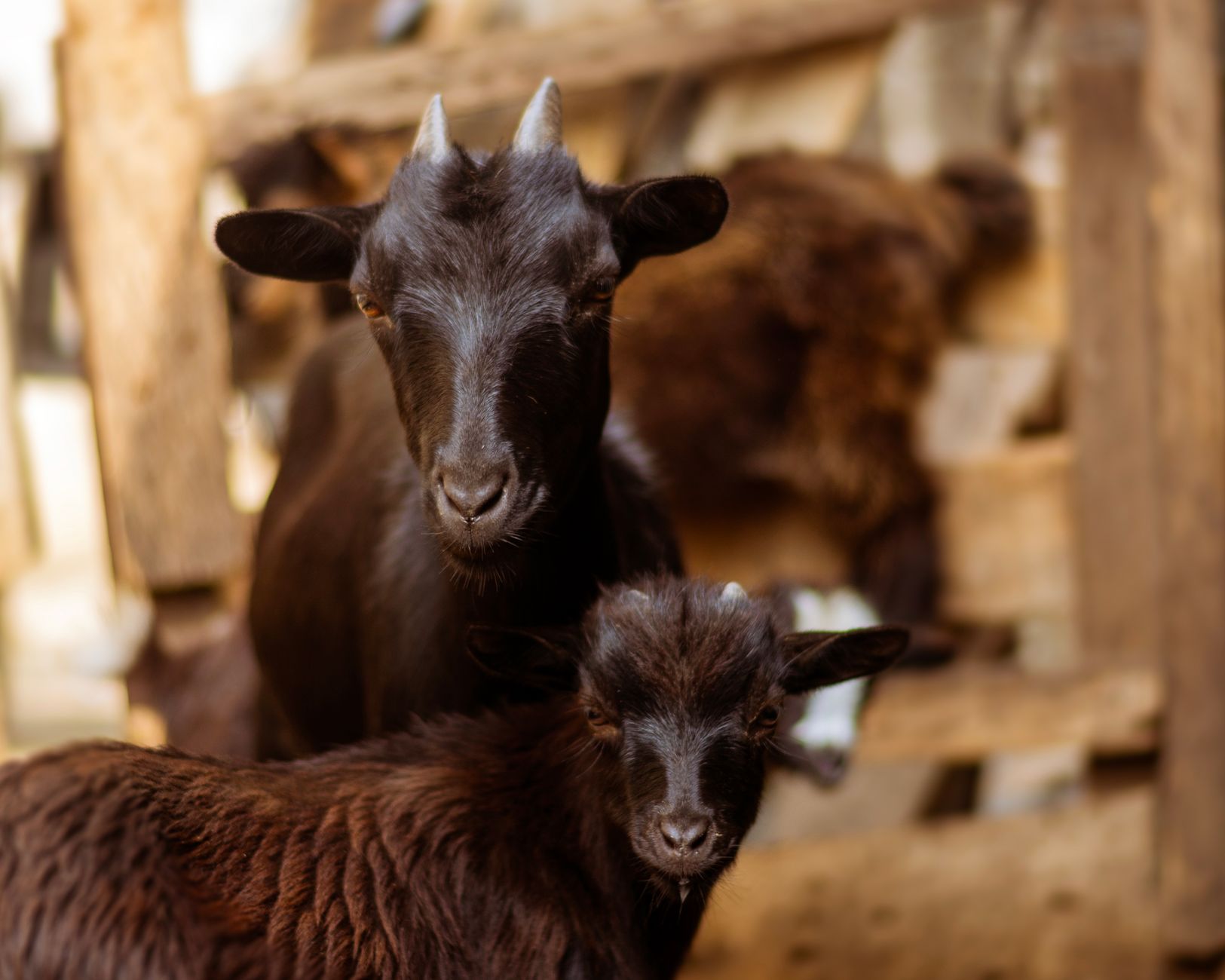
Find the best fence for Nigerian dwarf goats: compare woven wire, electric, and cattle panels with costs, spacing, and installation tips for 2026.
For Nigerian dwarf goats, the best fence is a 4-foot woven wire fence (such as 4x4-inch mesh) with a single strand of electric wire at the top, and a hot wire 4 to 6 inches off the ground on the outside. This combination stops both jumping and digging, the two ways these clever dwarfs escape. It costs about $1.50 to $2.50 per linear foot for materials, and you can install it in a weekend with basic tools. Skip the 5-foot tall fences and expensive netting; this setup is proven and budget-friendly.
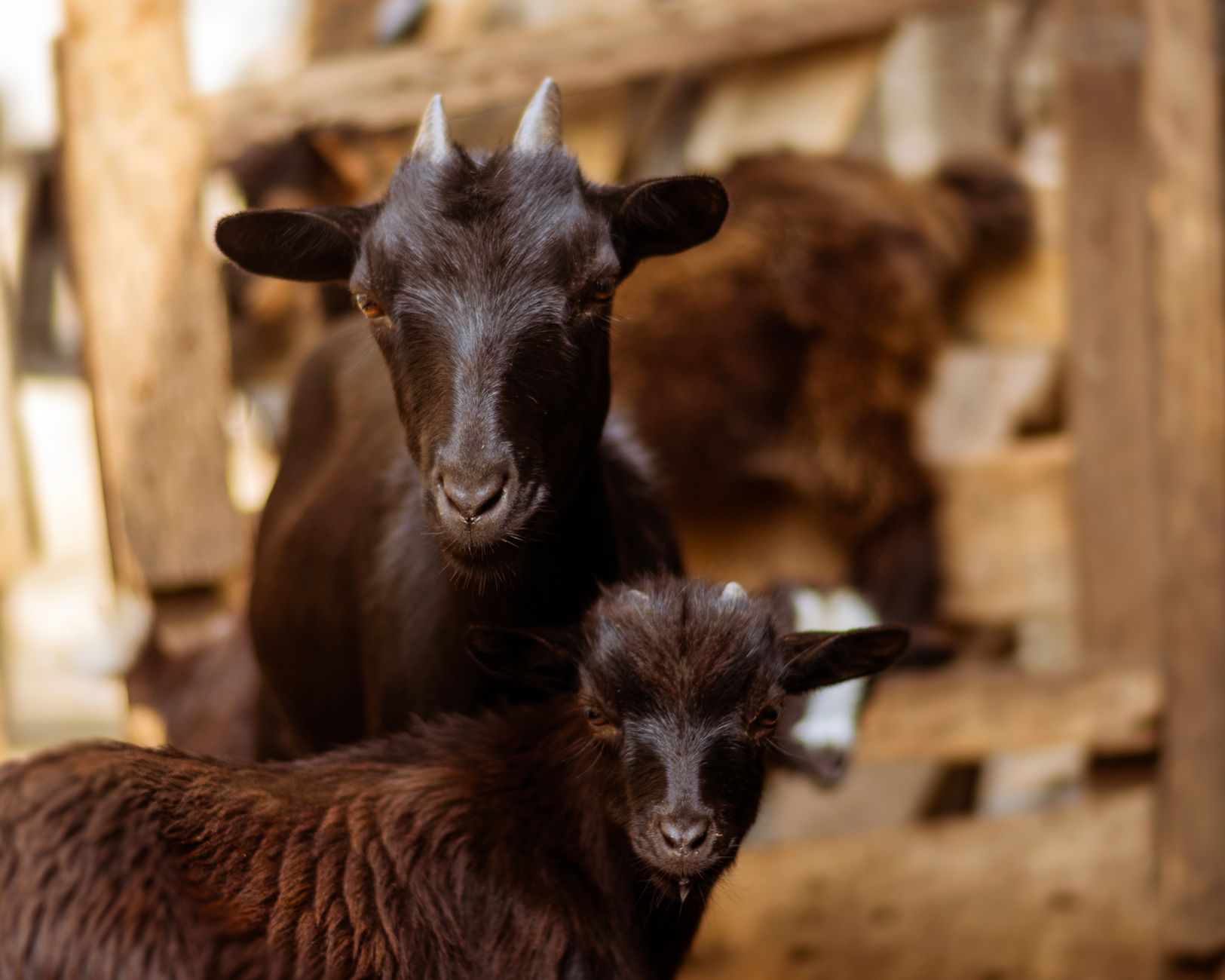
Why Nigerian dwarfs need a different fence
Nigerian dwarfs are smaller than standard goats, but they are escape artists. They can squeeze through gaps as small as 4 inches, jump 4 feet from a standstill, and dig under fences if the bottom is not secured. They also test fences by leaning and rubbing. A fence that works for a 200-pou
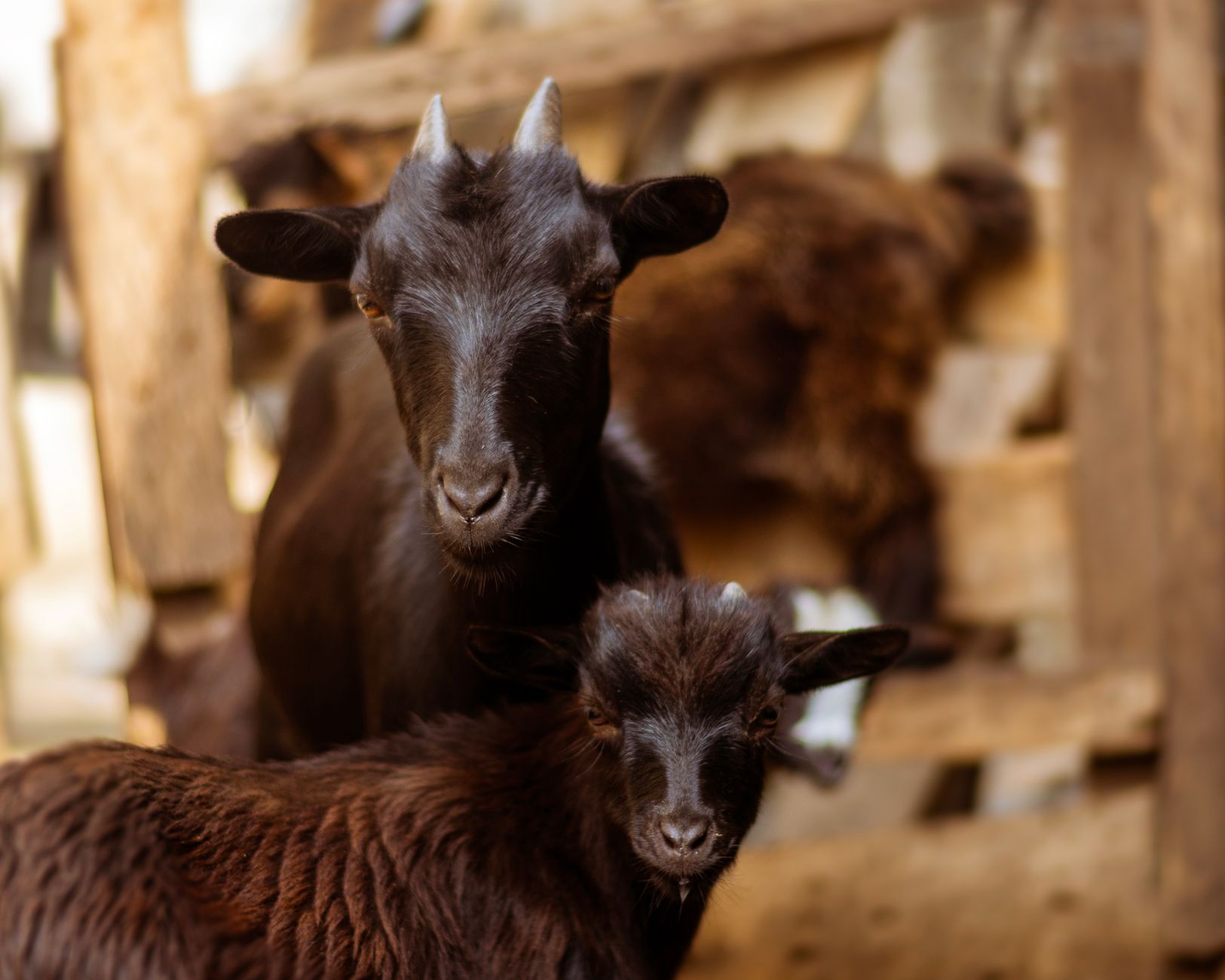 nd Boer may fail with a 75-pound Nigerian. The key is to address all three behaviors: climb, jump, and dig.
The best fence: woven wire with electric accents
For most homesteads, a 4-foot woven wire fence with 4x4-inch openings is the backbone. Use 12.5-gauge galvanized wire, which is strong enough to resist leaning. Set posts every 8 to 10 feet, with corner posts braced. The mesh stops the goat from squeezing through, and the height deters jumping. Add a single strand of electric wire at the top, 6 inches above the woven wire, to discourage climbing. On the outside bottom, run a hot wire 4 to 6 inches off the ground to stop digging. This combination is effective, and it is what many small farms use.
Materials and costs (2026 prices)
- Woven wire (4x4 mesh, 4 ft high, 330 ft roll): $120 to $160 per roll. That covers about 100 linear feet of fence.
- T-posts (6 ft): $4 to $6 each. You need one every 8 to 10 feet.
- Corner posts (4x4 treated lumber): $12 to $18 each, plus concrete if you set them.
- Electric wire (polywire or steel): $20 to $30 for 500 ft. A charger (plug-in or solar) costs $80 to $150.
- Insulators and hardware: $20 to $30.
Total for a 100-foot fence: $250 to $350. That is about $2.50 to $3.50 per linear foot, including posts and electric. If you already have posts, it is cheaper.
Installation steps
- Plan the perimeter and mark post locations, with corners first. Use a string line to keep it straight.
- Set corner posts in concrete (or use heavy-duty metal corner posts). Brace them with diagonal supports.
- Drive T-posts every 8 to 10 feet, 2 feet into the ground. For sandy soil, go deeper.
- Unroll the woven wire along the line, and attach it to the posts with fence staples or clips. Start at a corner, pull taut, and work down.
- Install the top electric wire with insulators on the posts, about 6 inches above the woven wire. Connect to the charger.
- Run the bottom hot wire on the outside, 4 to 6 inches off the ground. Use offset brackets to keep it away from the mesh.
- Test the electric wires with a fence tester. The goat will feel a clear, safe shock.
Alternative: cattle panels
If you have a small area (under 1 acre), cattle panels are a solid alternative. These are 16-foot long, 4-foot high welded wire panels with 4x6-inch openings. They cost $30 to $45 each. Set them with T-posts every 8 feet, and overlap the panels by 6 inches, tying them with wire. Cattle panels are rigid and easy to move, but they are not as tall as woven wire, so add a top electric wire if you have jumpers. They work well for a goat yard or a temporary pen.
What to avoid
- Field fence with 6x6-inch mesh: Nigerian dwarfs can get their heads stuck or squeeze through. Use 4x4 or smaller.
- Barbed wire: Dangerous for goats; they can get cut and infected.
- Electric netting alone: It works for training, but goats can learn to jump or push through. Use it only as a temporary solution.
- Wooden rail fences: Goats will chew and climb, and they can pop the rails. Not worth the cost.
Maintenance and training
A fence is only as good as its maintenance. Check the electric wires monthly for vegetation touching them, which drains the charge. Keep the bottom wire clear of grass. Test the voltage with a fence tester; it should read at least 2,000 volts on the fence. In winter, snow can short out the bottom wire, so raise it or use a high-tensile wire that stays clear.
Train your goats to respect the fence. When you first introduce them, walk them along the fence line on a leash so they get a sniff and a light shock if they touch it. Most goats learn after one or two encounters. Never leave a goat alone with a new fence; supervise until you see they respect it.
FAQ
How tall should a fence be for Nigerian dwarf goats?
A 4-foot fence is sufficient for most Nigerian dwarfs, especially with a top electric wire. If you have a particularly athletic goat, go to 4.5 feet, but that is rarely needed. The electric wire is what stops jumping.
Can I use electric netting for Nigerian dwarfs?
Yes, but only temporarily. Electric netting is easy to set up and works for rotational grazing, but it is not a permanent solution. Goats can learn to jump over or push under it. Use it for a day pen, not a permanent enclosure.
How do I keep goats from digging under the fence?
Run a hot wire 4 to 6 inches off the ground on the outside of the fence. Alternatively, bury the bottom of the woven wire 6 inches deep, but that is more work. The hot wire is easier and effective.
What is the cheapest fence for Nigerian dwarfs?
Cattle panels with T-posts are the cheapest upfront, at about $2 per linear foot. But for a larger area, woven wire with electric is more cost-effective over time because it lasts longer and requires less maintenance.
Related guides
The bottom line
For Nigerian dwarf goats, invest in a 4-foot woven wire fence with 4x4 mesh, a top electric wire, and a bottom hot wire. It costs about $3 per linear foot, takes a weekend to install, and will last 20 years with minimal upkeep. This setup stops escapes and keeps your goats safe. Start by measuring your perimeter, then order materials. In a weekend, you will have a fence that works.
Remember, no fence is foolproof. Check it regularly, train your goats, and fix problems early. Your Nigerian dwarfs will thank you by staying home.