Best feed for nigerian dwarf goats
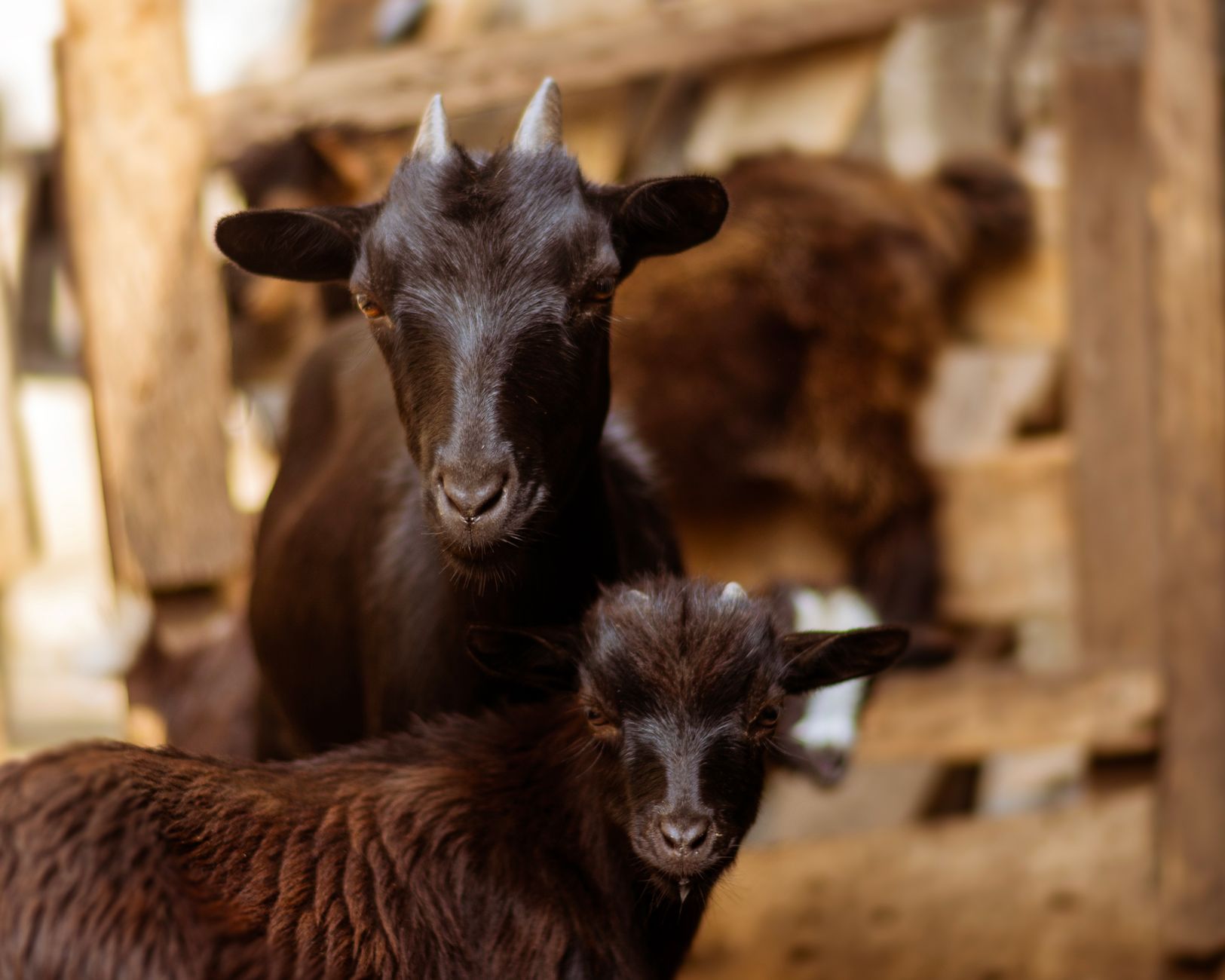
Discover the best feed for Nigerian Dwarf goats: hay, grain, minerals, and treats. Learn quantities, costs, and feeding tips for healthy goats.
The best feed for Nigerian Dwarf goats is a combination of high-quality grass hay (free-choice), a small amount of legume hay or grain for lactating or growing goats, and a loose mineral supplement formulated for goats. This breed is a dairy goat, not a meat goat, so their nutritional needs center on maintaining body condition and supporting milk production without overfeeding. In this guide, I’ll break down exactly what to feed, how much, and what it costs in 2026, based on my years of keeping these compact browsers.
Hay: The Foundation
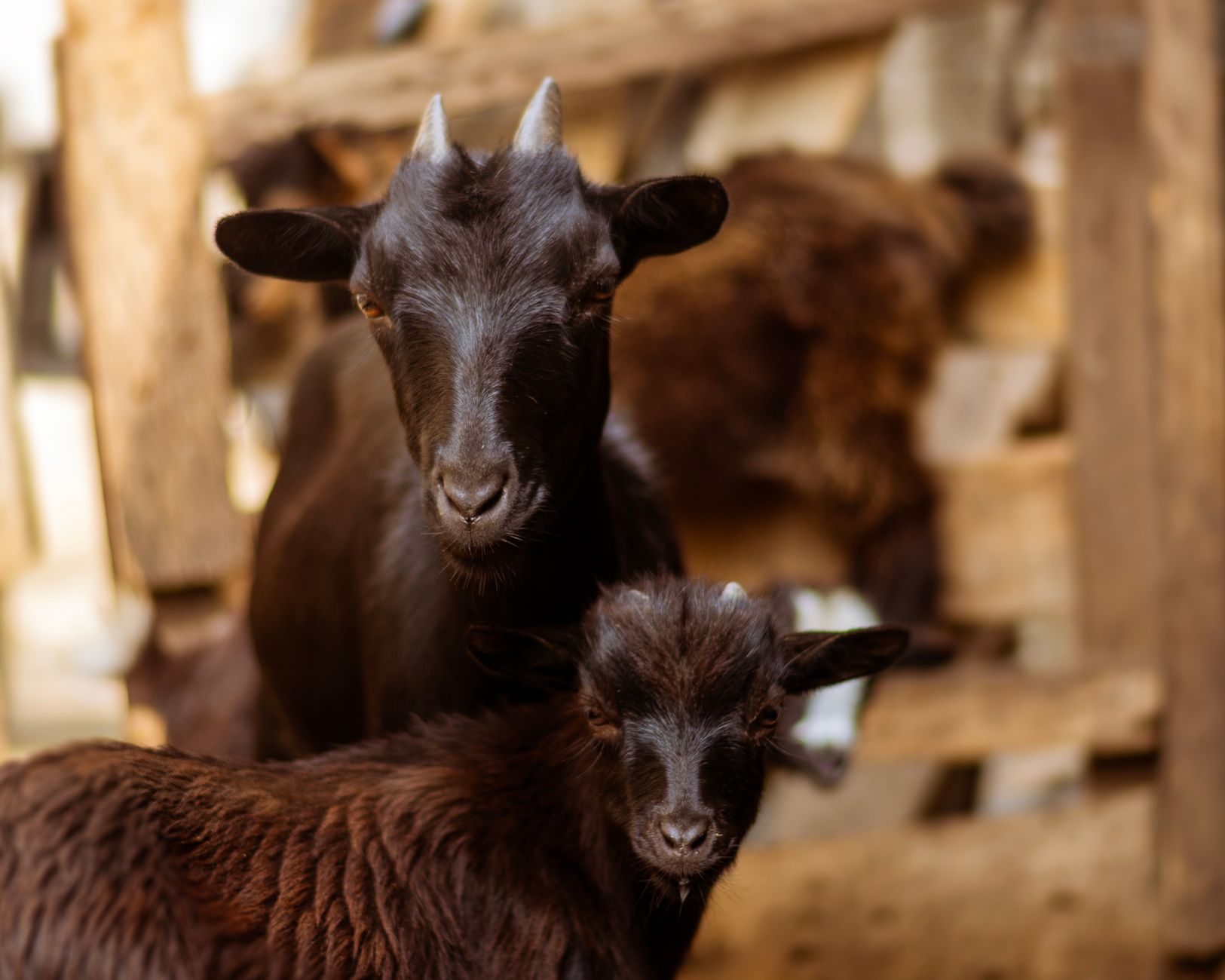
Hay should make up 80-90% of your Nigerian Dwarf’s diet. They are browsers by nature, but on a homestead, good hay is the backbone. Choose a fine-stemmed grass hay like timothy, orchard grass, or Bermuda. Alfalfa hay is higher in protein and calcium, which is excellent for lactating does or growing kids, but it can cause urinary calculi in wethers if fed exclusively. For most adult goats, a mix of grass hay with a bit of alfalfa (about 20-30% alfalfa) works well.
How much hay?
Provide free-choice hay, meaning they always have access. A Nigerian Dwarf will eat about 2-4 pounds of hay per day, depending on size and activity. A 50-pound goat might eat 2-3 pounds; a 75-pound buck could eat 4. You’ll know if they’re eating too much if they waste it or if they get fat (you should feel their ribs, but not see them).
Cost: In 2026, grass hay runs $8-$12 per bale (about 50-60 pounds), and alfalfa $15-
 $20 per bale. A single goat will go through a bale every 2-3 weeks, so budget $15-$25 per month per goat.
Grain: When and How Much
Nigerian Dwarfs do not need grain if they are dry (not lactating) and maintaining weight on good hay. Grain is a supplement for:
- Lactating does: They need extra energy and protein to produce milk. Feed 1-2 pounds per day, split into two feedings.
- Growing kids (under 6 months): They need extra protein for growth. Feed 0.5-1 pound per day.
- Underweight or working goats: Same as lactating does.
Choose a goat-specific pellet or a dairy ration with 14-16% protein. Avoid feeds with added molasses or corn, which can cause bloat. A good option is Purina Goat Chow (about $20-$25 per 50-pound bag) or a local mill’s goat ration.
How to feed grain:
Use a feeder with a head gate or separate feeding stalls to prevent bullying. Feed grain in the morning and evening, and always provide fresh water. Start with 0.25 pounds per day and increase gradually over a week to avoid digestive upset.
Minerals and Supplements
Loose minerals are non-negotiable. Goats need copper, selenium, and zinc, which are often deficient in local forages. Provide a loose goat mineral (not cattle mineral, which lacks copper) in a free-choice mineral feeder. Expect to pay $15-$25 for a 25-pound bag that lasts months.
Baking soda: Offer free-choice baking soda in a separate container. It helps buffer the rumen and prevents bloat.
Water: Always have clean, fresh water. In winter, use a heated bucket to prevent freezing.
Treats and Browsing
Nigerian Dwarfs love treats, but keep them minimal. Good options: apples, carrots, bananas (with peel), and leafy branches from safe trees like willow, apple, or maple. Avoid: avocado, chocolate, onions, and any member of the nightshade family.
Browsing: If you have pasture or a browse area, let them forage. They’ll eat blackberry brambles, dandelions, and many weeds. This provides enrichment and reduces hay costs. But be careful: they can damage young trees, so protect them.
Feeding Schedule and Management
- Morning: Hay (refill), grain (if needed), check water.
- Evening: Hay, grain, minerals.
- Weekly: Clean feeders, check body condition, adjust amounts.
Body condition scoring: You should be able to feel the spine and ribs with light pressure, but not see them. If the goat is too thin, increase hay and grain; if too fat, reduce grain and limit hay to 3% of body weight.
Common Mistakes to Avoid
- Overfeeding grain: This can cause bloat, laminitis, and urinary calculi. Stick to the amounts above.
- Feeding moldy hay: Never feed hay with mold; it can cause respiratory issues and abortion. Discard it.
- Ignoring minerals: A deficiency can lead to poor coat, low milk production, and health issues.
- Feeding only alfalfa: Too much protein can cause kidney problems and urinary stones.
FAQ
Q: Can I feed my Nigerian Dwarf goat only grass and no grain?
Yes, if they are dry and maintaining weight. Many homesteaders feed only hay and minerals. Grain is a supplement for production or growth.
Q: How much does it cost to feed a Nigerian Dwarf goat per month?
Expect $20-$40 per month per goat, depending on hay prices and whether you feed grain. Hay is the main cost; grain adds $10-$20 if needed.
Q: What is the best hay for Nigerian Dwarf goats?
A mix of grass hay (timothy, orchard) with about 20% alfalfa is ideal for most. For lactating does, increase alfalfa to 50%.
Q: Can I feed kitchen scraps to my goats?
Yes, in moderation. Vegetable peels, fruit, and stale bread are fine, but avoid anything moldy, salty, or from the onion family.
The Bottom Line
The best feed for Nigerian Dwarf goats is not a single product but a balanced plan: free-choice grass hay, targeted grain for production, loose minerals, and fresh water. Start with good hay and minerals, then adjust based on your goat’s condition and needs. Monitor body condition and milk production, and you’ll have healthy, productive goats. In 2026, budget $20-$40 per goat per month, and you’ll be set.