Best soil for tomatillos
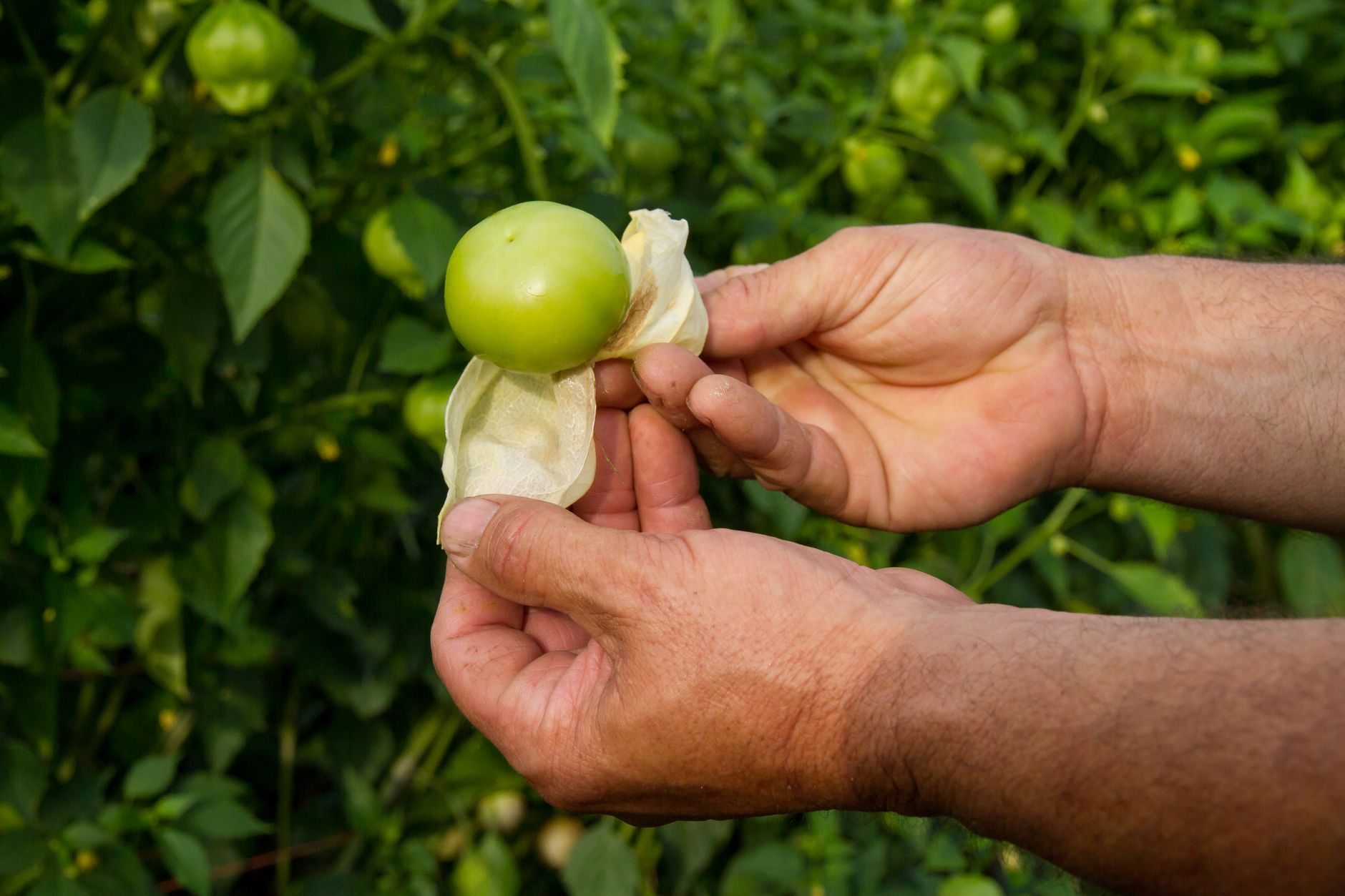
Learn the ideal soil for tomatillos: pH, drainage, compost, and fertilizer. Get planting tips for zones 4-10 with real varieties and prices.
Tomatillos grow best in loose, well-drained soil with a pH between 6.0 and 7.0. They are heavy feeders, so enrich your soil with compost before planting, and side-dress with a balanced fertilizer mid-season. This guide covers everything from soil testing to container mixes, with specific steps you can take this week.
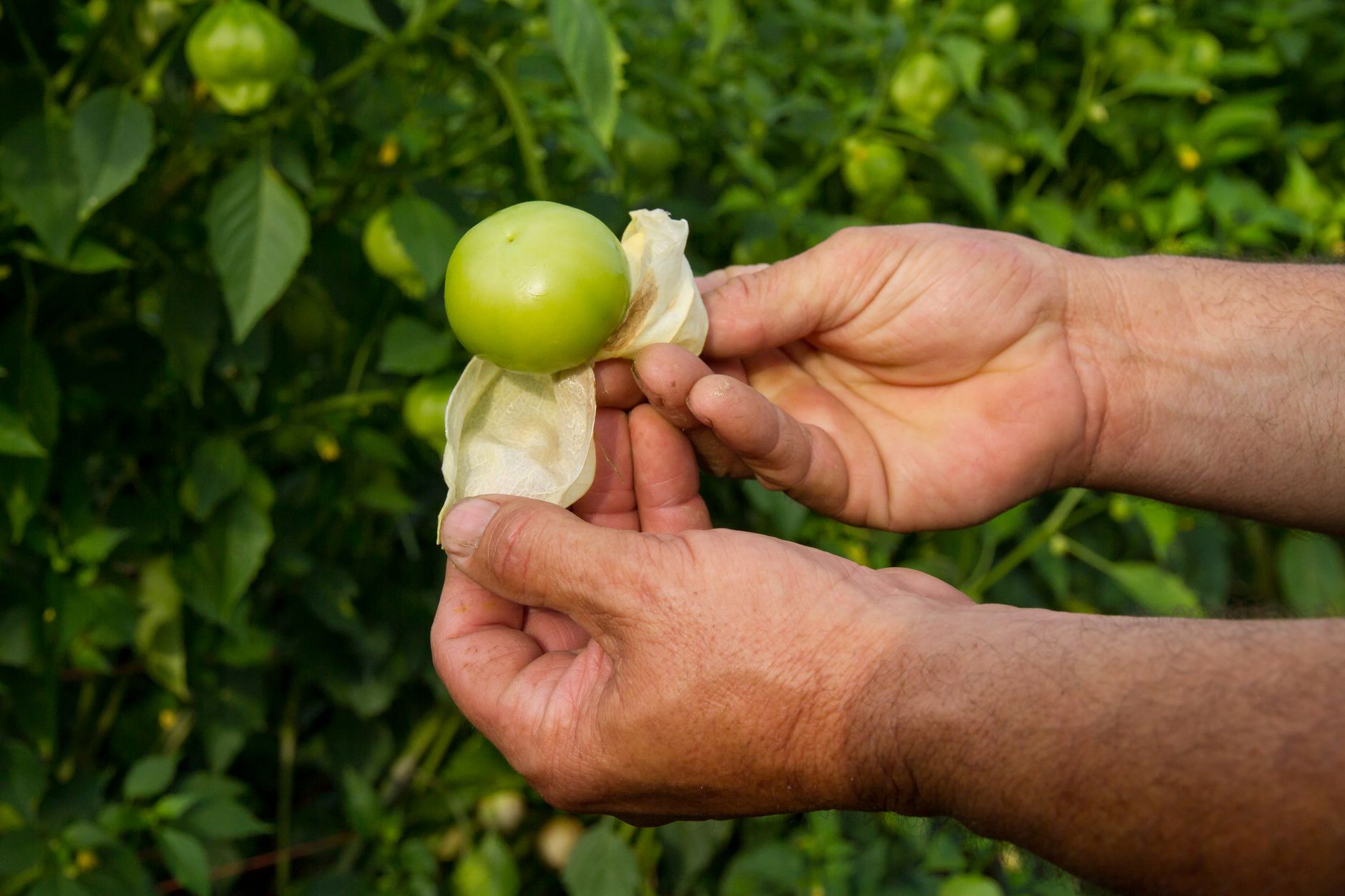
What Makes Ideal Tomatillo Soil?
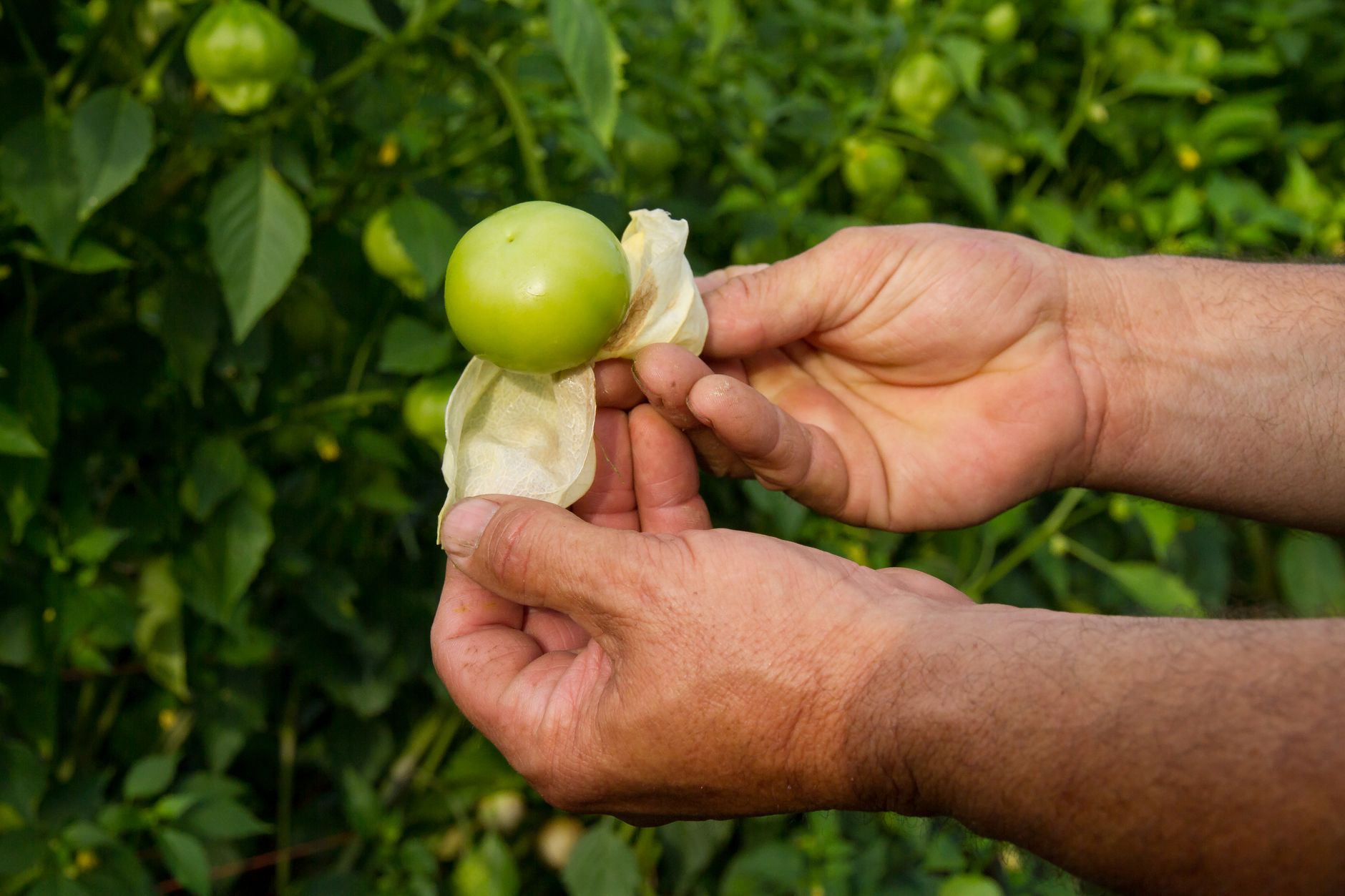
Tomatillos (Physalis philadelphica) are native to Mexico and thrive in warm, sunny conditions. The perfect soil is:
- Loamy: A mix of sand, silt, and clay that holds moisture but drains well.
- Rich in organic matter: Compost or aged manure provides nutrients and improves structure.
- Slightly acidic to neutral: pH 6.0 to 7.0. If your soil is too acidic (below 5.5) or too alkaline (above 7.5), nutrient uptake suffers.
Avoid heavy clay that stays soggy, or sandy soil tha
 t dries out too fast. If you have either, amend with compost or plant in raised beds.
Testing Your Soil
Before planting, test your soil. You can buy a simple pH test kit at a garden center for $10 to $20, or send a sample to a lab like your local extension service for $20 to $40. The lab report will also show nutrient levels (N, P, K) and organic matter percentage.
If you don’t want to wait, use a digital pH meter (around $15 to $30) for a quick reading. Collect soil from several spots in your garden, mix it, and test.
Amending Your Soil
Once you know your soil’s condition, adjust it:
- pH too low (acidic): Add garden lime (calcitic or dolomitic) at the rate recommended on the package, usually 1 to 2 pounds per 100 square feet to raise pH by 0.5. Work it into the top 6 inches.
- pH too high (alkaline): Add elemental sulfur, about 1 pound per 100 square feet to lower pH by 0.5. Or use acidic compost like pine needles.
- Poor drainage: Mix in 2 to 3 inches of compost or aged bark. For heavy clay, consider raised beds or grow in containers.
- Low organic matter: Add 2 to 3 inches of compost across the bed and till or dig it in to a depth of 8 to 10 inches.
Fertilizer Needs
Tomatillos are heavy feeders, but too much nitrogen leads to lush leaves and fewer fruits. Use a balanced fertilizer like 10-10-10 at planting time: apply 1 tablespoon per plant, worked into the soil around the roots. Then side-dress when the plants start to flower: sprinkle 1 tablespoon of the same fertilizer in a ring 6 inches from the stem, water it in. Repeat every 4 weeks until late summer.
If you prefer organic options, use a granular fertilizer like Espoma Garden-tone (about $10 for 4 pounds) or Dr. Earth Home Grown (about $12 for 4 pounds). Compost tea or fish emulsion are also good, but they are lower in phosphorus, so supplement with bone meal.
Planting Times and Spacing
Tomatillos are warm-season crops. Plant after the last frost date in your area. Here are typical dates by zone:
| USDA Zone | Last Frost Date | Planting Time |
|---|---|---|
| 4 | May 15 | Late May |
| 5 | May 1 | Mid-May |
| 6 | April 15 | Late April |
| 7 | April 1 | Early April |
| 8 | March 15 | Late March |
| 9 | February 15 | Late February |
| 10 | January 1 | January |
Space plants 24 to 36 inches apart in rows 3 to 4 feet apart. They can get large, so give them room. Plant two or more plants to ensure good pollination, as tomatillos are self-incompatible.
Container Growing
If you have poor soil or limited space, grow tomatillos in containers. Use a pot at least 5 gallons (18 inches deep). Fill with a high-quality potting mix like FoxFarm Ocean Forest (about $20 for 1.5 cubic feet) or a mix of 50% compost and 50% perlite. Ensure the pot has drainage holes. Water daily in hot weather, as containers dry out fast.
Mulching and Watering
Mulch around plants with straw or shredded leaves to retain moisture and suppress weeds. Apply a 2-inch layer after the soil warms up. Water deeply once a week, about 1 to 2 inches per week, more in hot, dry spells. Avoid overhead watering to prevent fungal diseases.
Common Soil Problems and Fixes
- Blossom end rot: Dark, sunken spots on fruits. Caused by calcium deficiency and uneven watering. Add calcium to the soil (e.g., crushed eggshells or gypsum) and water consistently.
- Poor fruit set: Often due to lack of pollinators or too much nitrogen. Plant flowers nearby to attract bees, and cut back on nitrogen.
- Yellow leaves: Could be overwatering or nitrogen deficiency. Check drainage and feed with a balanced fertilizer.
FAQ
Q: Can I use garden soil for containers? A: No, garden soil compacts in pots and may contain pests. Use a potting mix designed for containers.
Q: How often should I fertilize tomatillos? A: Start with a balanced fertilizer at planting, then side-dress every 4 weeks until late summer. Over-fertilizing with nitrogen can reduce fruit yield.
Q: Do tomatillos need full sun? A: Yes, they need at least 6 to 8 hours of direct sun daily. More sun means better growth and fruit production.
Q: Can I grow tomatillos in raised beds? A: Absolutely. Raised beds offer excellent drainage and let you control the soil mix. Fill with a blend of 60% topsoil, 30% compost, and 10% perlite.
The Bottom Line
The best soil for tomatillos is loose, loamy, rich in organic matter, with a pH of 6.0 to 7.0. Test your soil, amend with compost and lime or sulfur as needed, and fertilize with a balanced product. Plant after the last frost, space 24 to 36 inches apart, and keep the soil consistently moist. With these steps, you’ll get a healthy harvest of tangy fruits for salsa and sauces. Start by testing your soil this week, then prepare your beds with compost before planting.