Best fertilizer for tomatillos
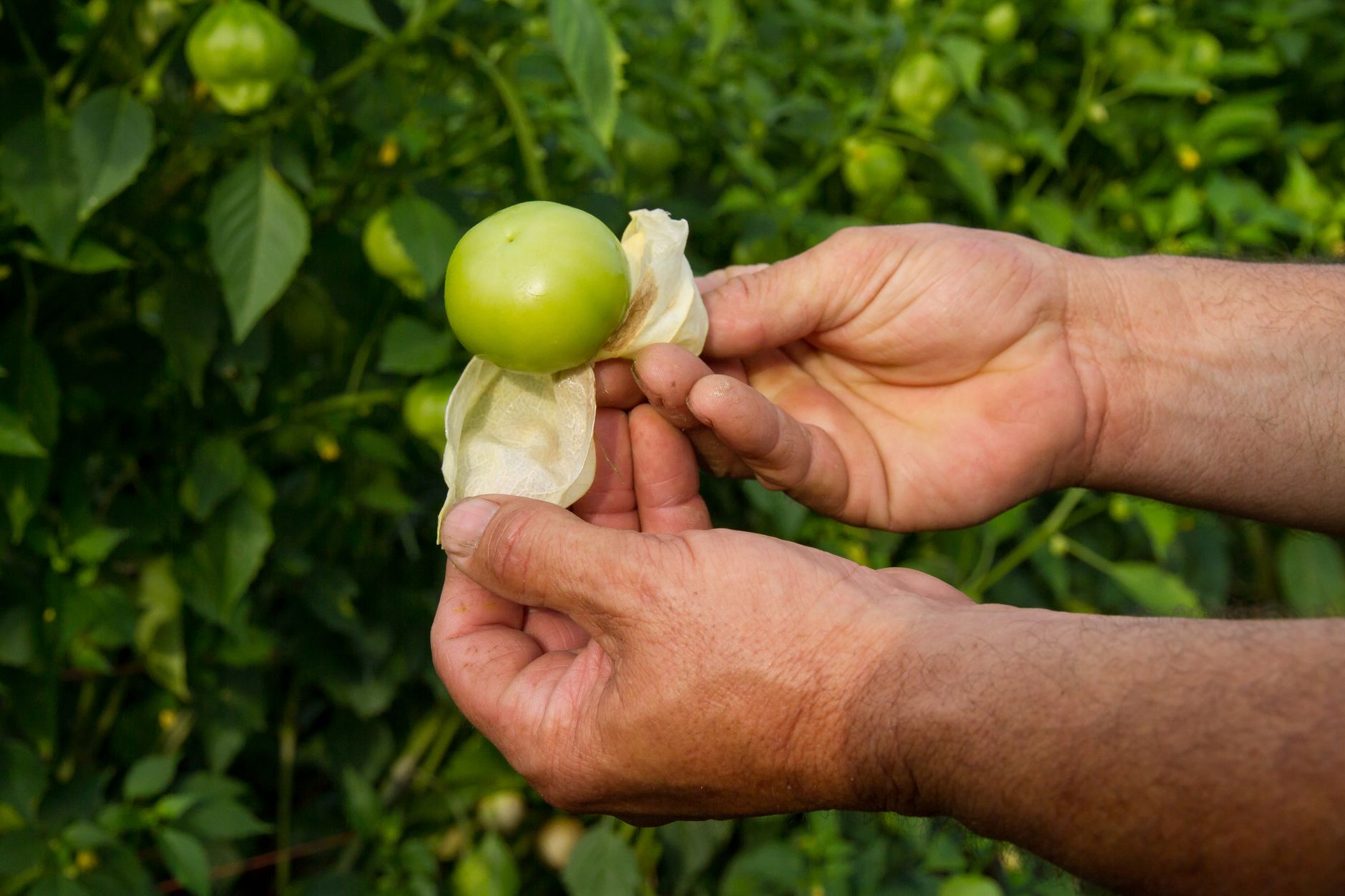
Learn the best fertilizer for tomatillos, including NPK ratios, organic options, application timing, and tips for container growing.
Tomatillos are heavy feeders, and the right fertilizer makes the difference between a so-so harvest and a sticky, tangy bounty. For most gardens, a balanced fertilizer with a 10-10-10 NPK ratio applied at planting and then every 4 to 6 weeks works best. But the real secret is nitrogen: tomatillos need plenty of it to grow lush foliage that protects the fruit, so plan to side-dress with a high-nitrogen option like blood meal or fish emulsion once the plants start vining. Here is exactly what to use, when to apply it, and how to avoid the common mistakes that leave you with small, sparse harvests.
Understanding Tomatillo Nutrient Needs
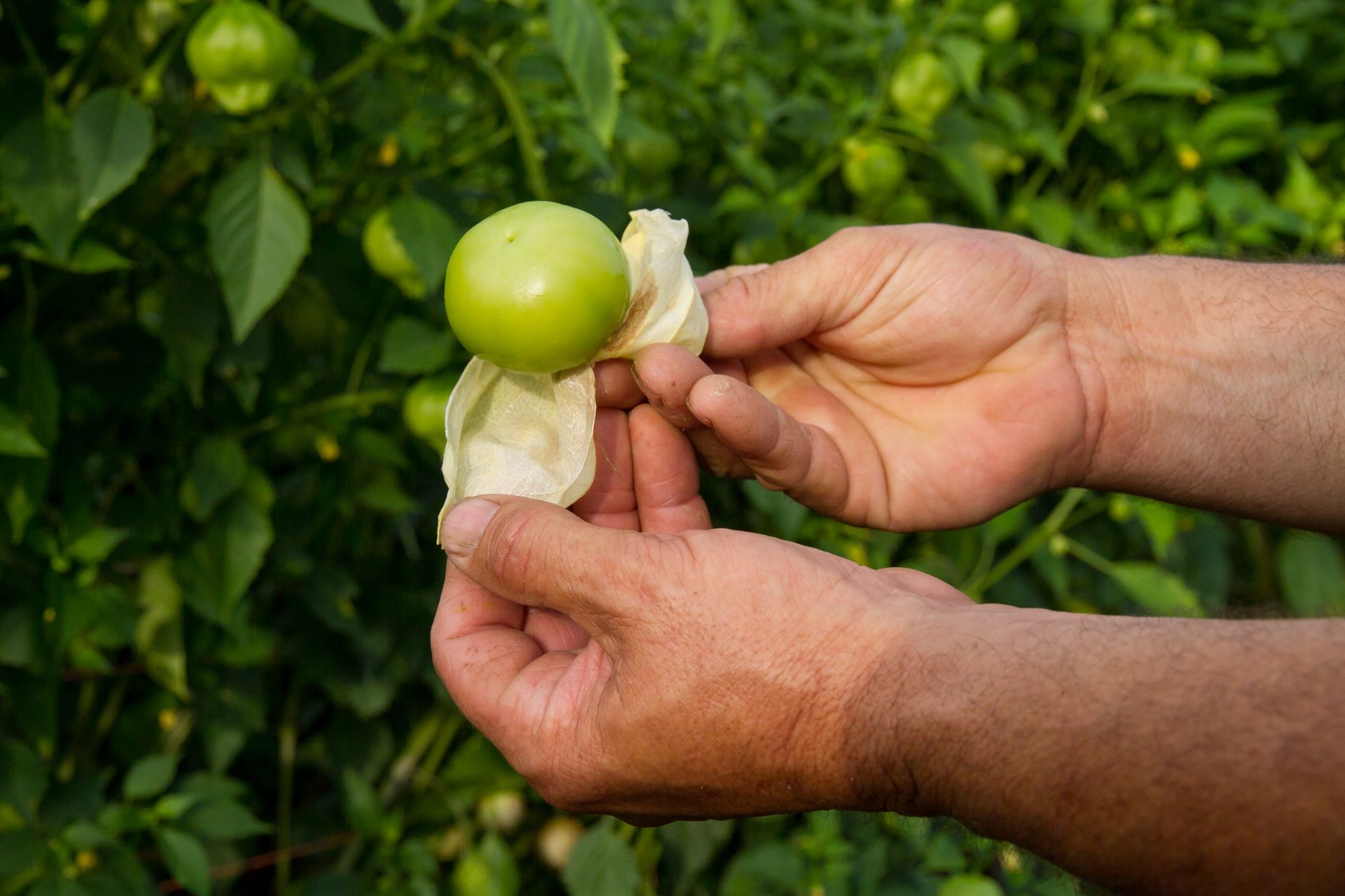
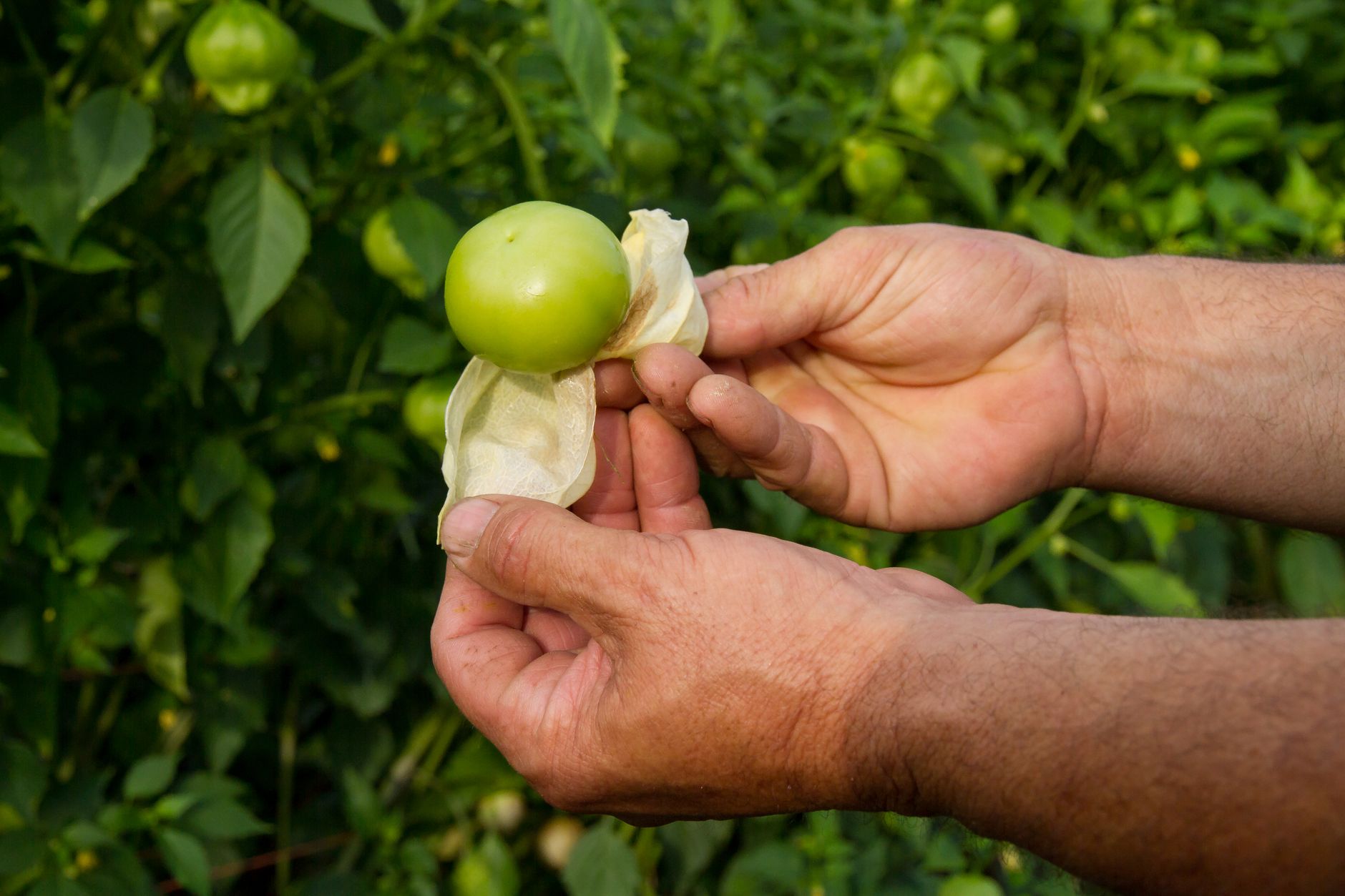
Tomatillos (Physalis philadelphica) are in the nightshade family, same as tomatoes, but they have a few quirks. They grow tall, often 3 to 4 feet, and produce fruit in papery husks. They need a steady supply of nutrients, especially nitrogen for leaf growth and potassium for fruit development. Phosphorus is important for root and flower formation, but too much can lead to lush vines with few fruit.
A soil test is the best start, but if you do not test, assume your soil needs a balanced feed. Tomatillos prefer a soil pH between 6.0 and 7.0. If your soil is acidic (below 6.0), add lime i
 n the fall before planting. If it is alkaline (above 7.5), work in sulfur or compost to lower it.
Best Fertilizer Types: Organic vs. Synthetic
You have two main paths: organic or synthetic. Both work, but they have trade-offs.
Organic fertilizers release nutrients slowly, improve soil structure, and are less likely to burn plants. They cost more upfront, but they feed the soil as well as the plant. Good choices include:
- Composted manure: Work in 2 to 3 inches before planting. It provides a balanced mix of nutrients.
- Blood meal: High in nitrogen (12-0-0), great for side-dressing mid-season. Use about 1 tablespoon per plant, scratched into the soil.
- Fish emulsion: A liquid fertilizer (5-1-1 or similar) that you dilute and apply every 2 to 3 weeks. It smells, but it works fast.
- Bone meal: High in phosphorus (3-15-0), mix into the planting hole to support root growth.
Synthetic fertilizers are cheaper and faster-acting, but they can leach away and do nothing for soil life. A standard 10-10-10 granular fertilizer is a solid choice. Apply 1 to 2 tablespoons per plant at planting, then side-dress every 4 to 6 weeks. Water it in well.
For a balanced organic approach, I like to mix compost into the soil, add a handful of bone meal to each planting hole, and then side-dress with blood meal or fish emulsion once the plants are established. This gives steady nutrition without the risk of overfeeding.
Fertilizer Schedule by Growth Stage
Tomatillos have three main growth stages, and each has different needs.
At Planting (Spring)
Before you set out transplants, work 2 to 3 inches of compost into the top 6 inches of soil. Then, for each plant, mix 1 tablespoon of a balanced fertilizer (like 10-10-10) or 2 tablespoons of bone meal into the bottom of the planting hole. This gives the roots a head start.
Early Growth (2 to 4 Weeks After Planting)
Once the plants have settled in and started growing, side-dress with a high-nitrogen fertilizer. Use 1 tablespoon of blood meal per plant, or water with a diluted fish emulsion (follow label rates). This pushes leafy growth, which is essential because the fruit develops in the leaf axils.
Flowering and Fruiting (6 to 8 Weeks After Planting)
Switch to a fertilizer higher in phosphorus and potassium, like a 5-10-10 or a tomato-specific formula. This encourages flower set and fruit development. Apply as a side-dress, about 6 inches from the stem, and water in. You can also use a liquid seaweed or kelp spray as a foliar feed every 2 weeks.
Here is a simple schedule table:
| Stage | Timing | Fertilizer | Amount per Plant |
|---|---|---|---|
| Planting | At transplant | Compost + bone meal | 2-3 inches compost, 2 tbsp bone meal |
| Early growth | 2-4 weeks after planting | Blood meal or fish emulsion | 1 tbsp blood meal, or diluted fish emulsion |
| Flowering | 6-8 weeks after planting | 5-10-10 or tomato fertilizer | 1-2 tbsp, side-dress |
How to Apply Fertilizer Correctly
Applying fertilizer the right way prevents burn and waste. Here are the steps:
- Side-dress: Sprinkle granular fertilizer in a ring around the plant, about 6 inches from the stem. Do not pile it against the stem, or it can burn.
- Scratch it in: Use a hand cultivator to work the fertilizer into the top 1 to 2 inches of soil.
- Water deeply: After applying, water thoroughly to dissolve the fertilizer and carry it to the roots.
For liquid fertilizers, always dilute according to the label. Over-concentrated solutions can damage roots.
Container Growing: Special Considerations
If you grow tomatillos in pots, you need a different approach. Containers drain quickly, and nutrients wash out. Use a high-quality potting mix with compost mixed in. Then, feed with a liquid fertilizer every 2 weeks, alternating between a balanced formula (like 10-10-10) and a high-nitrogen one (like fish emulsion). A 5-gallon pot is the minimum size for one plant.
Common Fertilizer Mistakes to Avoid
- Over-fertilizing with nitrogen: Too much nitrogen late in the season leads to huge vines and few fruit. Stop high-nitrogen feeds once flowers appear.
- Skipping phosphorus: Without enough phosphorus, you get weak roots and poor flowering. Bone meal at planting prevents this.
- Fertilizing dry soil: Always water before and after applying granular fertilizer. Dry fertilizer on dry soil can burn roots.
- Ignoring soil pH: If your soil is too acidic or alkaline, nutrients become unavailable, even if they are present. Test and adjust.
Organic Options: Compost Tea and More
For a low-cost, effective organic feed, make compost tea. Steep a shovel of compost in a 5-gallon bucket of water for 24 hours, then strain and use the liquid to water your plants. This provides a gentle boost of nutrients and beneficial microbes. Apply every 2 to 3 weeks.
Another option is to plant a nitrogen-fixing cover crop like clover in the fall, then till it in before planting tomatillos. This adds organic nitrogen naturally.
FAQ
Can I use tomato fertilizer on tomatillos? Yes, tomato fertilizers work well because tomatillos have similar needs. Look for a formula with a balanced NPK like 5-10-10 or 10-10-10, and follow the same schedule.
How often should I fertilize tomatillos? In the ground, fertilize at planting, then every 4 to 6 weeks. In containers, feed every 2 weeks with a diluted liquid fertilizer.
What is the best organic fertilizer for tomatillos? Composted manure and bone meal at planting, then blood meal or fish emulsion for nitrogen. Compost tea is a great all-around booster.
Why are my tomatillo plants tall but with no fruit? This is usually too much nitrogen and not enough phosphorus. Stop high-nitrogen feeds, and apply a phosphorus-rich fertilizer like bone meal or a 5-10-10 blend.
The Bottom Line
The best fertilizer for tomatillos is a balanced 10-10-10 at planting, followed by a high-nitrogen side-dress in early growth, then a phosphorus-potassium boost at flowering. Organic options like compost, blood meal, and bone meal work just as well, if not better, for soil health. Test your soil, adjust pH, and avoid over-fertilizing. With the right feeding schedule, you will get a heavy harvest of tangy fruit for salsas and sauces. Start with good soil, feed consistently, and your tomatillos will reward you.