How to plant companion plants
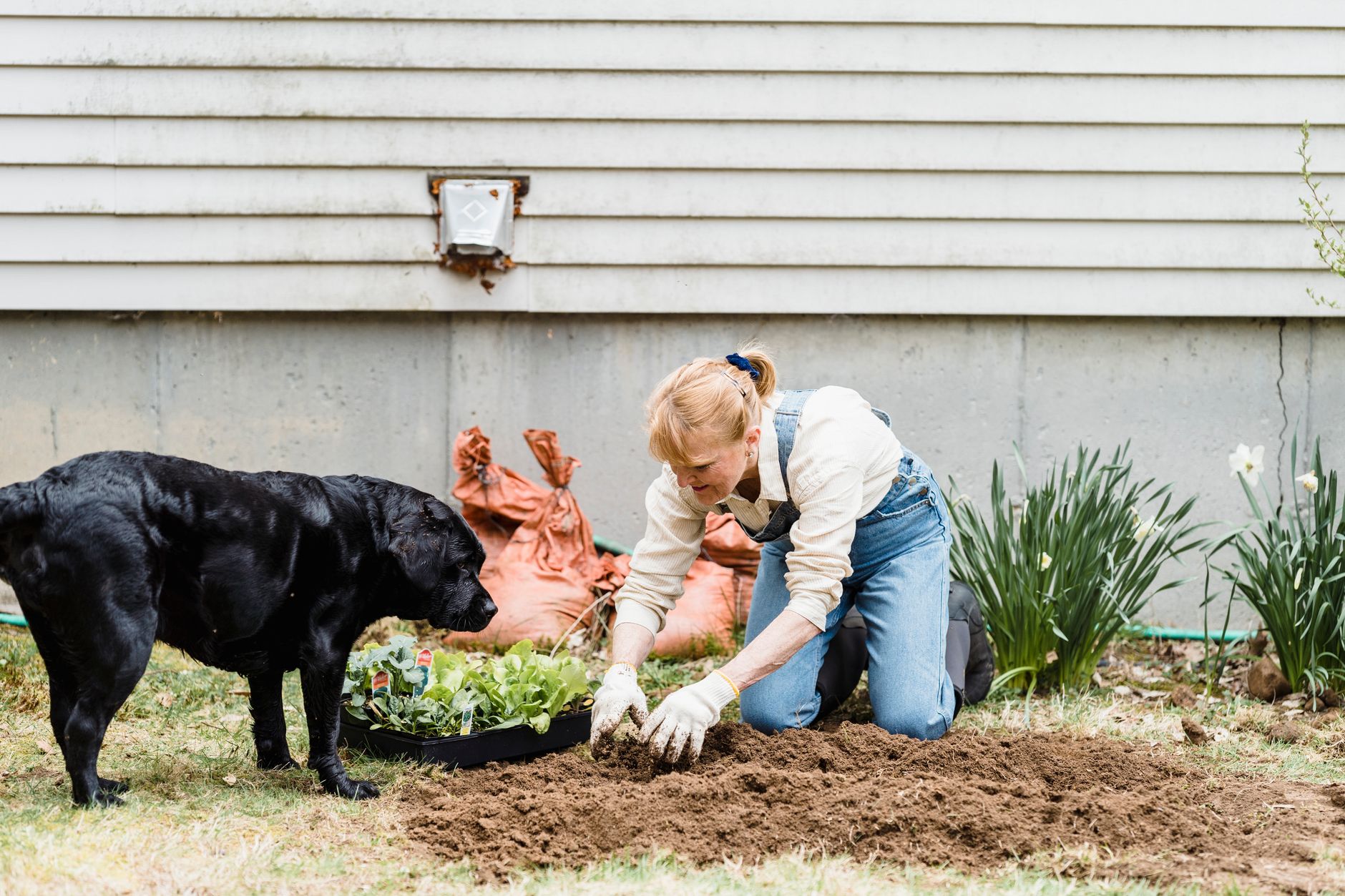
Learn how to plant companion plants for healthier gardens: choose partners, plan spacing, and use proven pairings for pest control and better yields.
Companion planting is simply placing plants together that help each other grow, whether by repelling pests, attracting beneficial insects, or improving soil. To get it right, you need to know which plants work together and how to space them. Start with a few proven pairs, plan your garden on paper first, and adjust as you learn. Here is the direct method that works in most US zones.
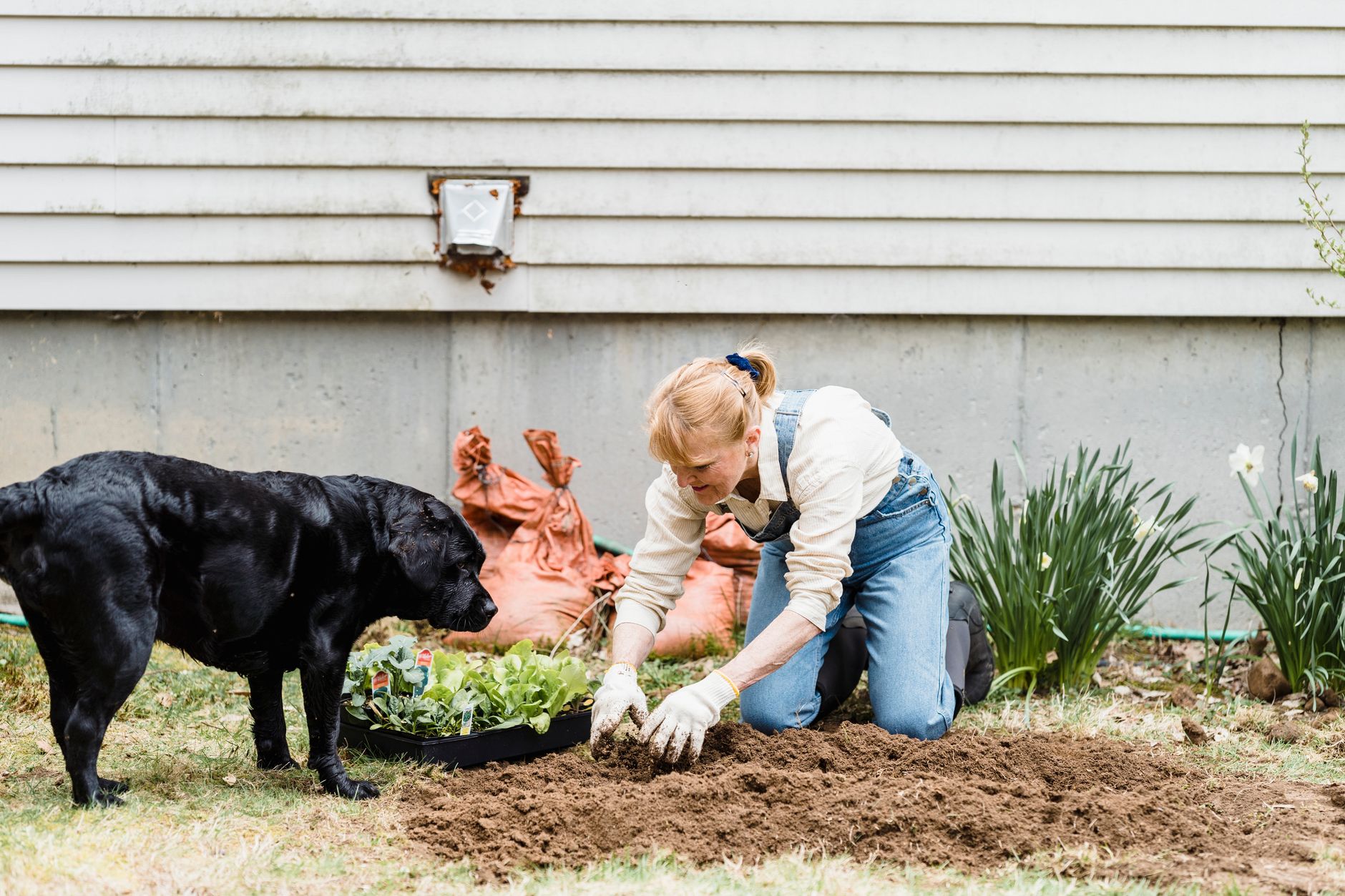
Why Companion Planting Works
Companion planting works for three main reasons: pest confusion, beneficial insect attraction, and soil improvement. For example, marigolds release a chemical from their roots that deters nematodes, and their scent masks the smell of tomatoes from hornworms. Basil planted near tomatoes repels thrips and flies, and some gardeners say it impro
 ves flavor. These effects are not magic, they are based on plant chemistry and insect behavior.
Choosing Companion Plants
Pick companions that have complementary needs: similar sun and water, but different root depths or growth habits. For example, tall plants like corn can shade lettuce, which prefers cooler soil. Deep-rooted plants like carrots break up soil for shallow-rooted onions. Avoid planting two heavy feeders together, like tomatoes and cabbage, because they compete for nutrients.
Here are proven pairings for common vegetables:
| Main Crop | Companion Plants | Why It Works |
|---|---|---|
| Tomatoes | Basil, marigold, parsley | Basil repels flies, marigold deters nematodes, parsley attracts hoverflies |
| Carrots | Onions, leeks, rosemary | Allium scent masks carrot fly |
| Cabbage | Dill, chamomile, mint | Dill attracts beneficial wasps, mint repels cabbage moths |
| Cucumbers | Radishes, sunflowers, nasturtium | Radishes deter cucumber beetles, sunflowers provide trellis, nasturtium traps aphids |
| Beans | Corn, summer savory, rosemary | Corn provides support, savory improves flavor and repels bean beetles |
| Lettuce | Chives, garlic, radishes | Chives repel aphids, radishes lure leafminers away |
Avoid these bad combinations: onions and beans (onions stunt bean growth), fennel and most vegetables (fennel secretes a chemical that inhibits growth), and potatoes with tomatoes (both are prone to blight).
Planning Your Garden Layout
Before you plant, draw a simple map of your garden beds. Note the sun exposure, water access, and mature size of each plant. Use the spacing guidelines below to place companions within 12 to 24 inches of each other, but not so close that they shade or crowd.
Spacing rules of thumb:
- Small companions like basil or marigolds: 6 to 12 inches from the main crop.
- Medium companions like onions or radishes: 4 to 6 inches apart in rows between larger plants.
- Tall companions like sunflowers or corn: plant on the north side so they do not shade shorter crops.
For a 4x8 foot bed, a simple plan: plant tomatoes down the center, basil on the south side, and marigolds at the corners. Or plant carrots in rows with onions between them, and a border of rosemary at the edge.
Planting Steps
Follow these steps for a successful companion planting season:
- Prepare the soil: Test pH (aim for 6.0 to 7.0 for most vegetables). Add compost at 1 to 2 inches over the bed, and till to 8 inches deep. A soil test kit costs $10 to $20 at garden centers.
- Mark your layout: Use a garden trowel or string to mark rows. For example, in a 4x8 bed, mark two rows for tomatoes, 24 inches apart, with basil planted 12 inches from each tomato.
- Plant by zone: In USDA zones 5 to 7, plant cool-season companions like lettuce and radishes in early spring (March to April), and warm-season crops like tomatoes and beans after the last frost (May to June). In zones 8 to 10, you can plant earlier (February to March) and again in fall.
- Sow seeds or transplants: For seeds, plant at the depth listed on the packet, usually 1/4 to 1/2 inch. For transplants, dig a hole twice the width of the root ball, place the plant, and firm the soil.
- Water immediately: Give each plant a deep watering at planting time, then keep the soil moist but not soggy. Use a soaker hose or drip irrigation for efficiency.
- Mulch: Apply 2 inches of straw or wood chips around plants to retain moisture and suppress weeds. Keep mulch a few inches away from stems to prevent rot.
Timing and Succession Planting
Companion planting works best when you stagger plantings. For example, plant radishes with cucumbers: radishes mature in 25 days and are pulled before the cucumbers spread. Plant fast-growing lettuce between slower brassicas like broccoli; harvest the lettuce before the broccoli needs space. In zones 6 and warmer, you can do a second planting of cool-season companions in late summer for fall harvest.
Tools and Costs
You do not need special tools. A basic set includes a trowel ($10 to $15), a hand fork ($8 to $12), and a garden hose with a nozzle ($15 to $25). Seeds cost $2 to $4 per packet, and transplants run $3 to $6 each. For a 4x8 bed, expect to spend $30 to $50 on seeds and plants.
Common Mistakes to Avoid
- Overcrowding: Companions need room. Do not plant basil so close to tomatoes that it shades the lower leaves.
- Ignoring negative pairs: Fennel is a notorious inhibitor; keep it away from most vegetables, or plant it in a separate container.
- Expecting miracles: Companion planting reduces pest pressure, but it does not eliminate it. Use row covers or organic sprays if pests are severe.
- Forgetting to rotate: Do not plant the same companions in the same spot year after year. Rotate crops to prevent disease buildup.
FAQ
Can I plant companions in containers? Yes, but choose compact varieties. For example, plant a patio tomato with basil in a 5-gallon pot, or carrots with chives in a 12-inch deep container. Ensure the pot has drainage holes and use a quality potting mix.
How close should companions be? Generally, within 12 inches of the main crop, but check the mature size. For tall plants like sunflowers, keep them at least 24 inches away to avoid shading.
Do companion plants really repel pests? Some do, but the effect is often modest. Marigolds deter nematodes, and alliums mask scents, but you may still need other controls. Use companion planting as part of an integrated pest management plan.
When is the best time to plant companions? Plant cool-season companions in early spring or fall, and warm-season companions after the last frost. In zones 8 to 10, you can plant year-round with some adjustments.
The Bottom Line
Companion planting is a practical, low-cost way to improve garden health, but it requires planning. Choose proven pairs, space them correctly, and plant at the right time for your zone. Start with one or two combinations, like tomatoes with basil and marigolds, and expand as you learn. Keep records of what works, and adjust each season. With realistic expectations and consistent care, you will see fewer pests and better yields, without the need for heavy chemicals.