Companion planting for beginners
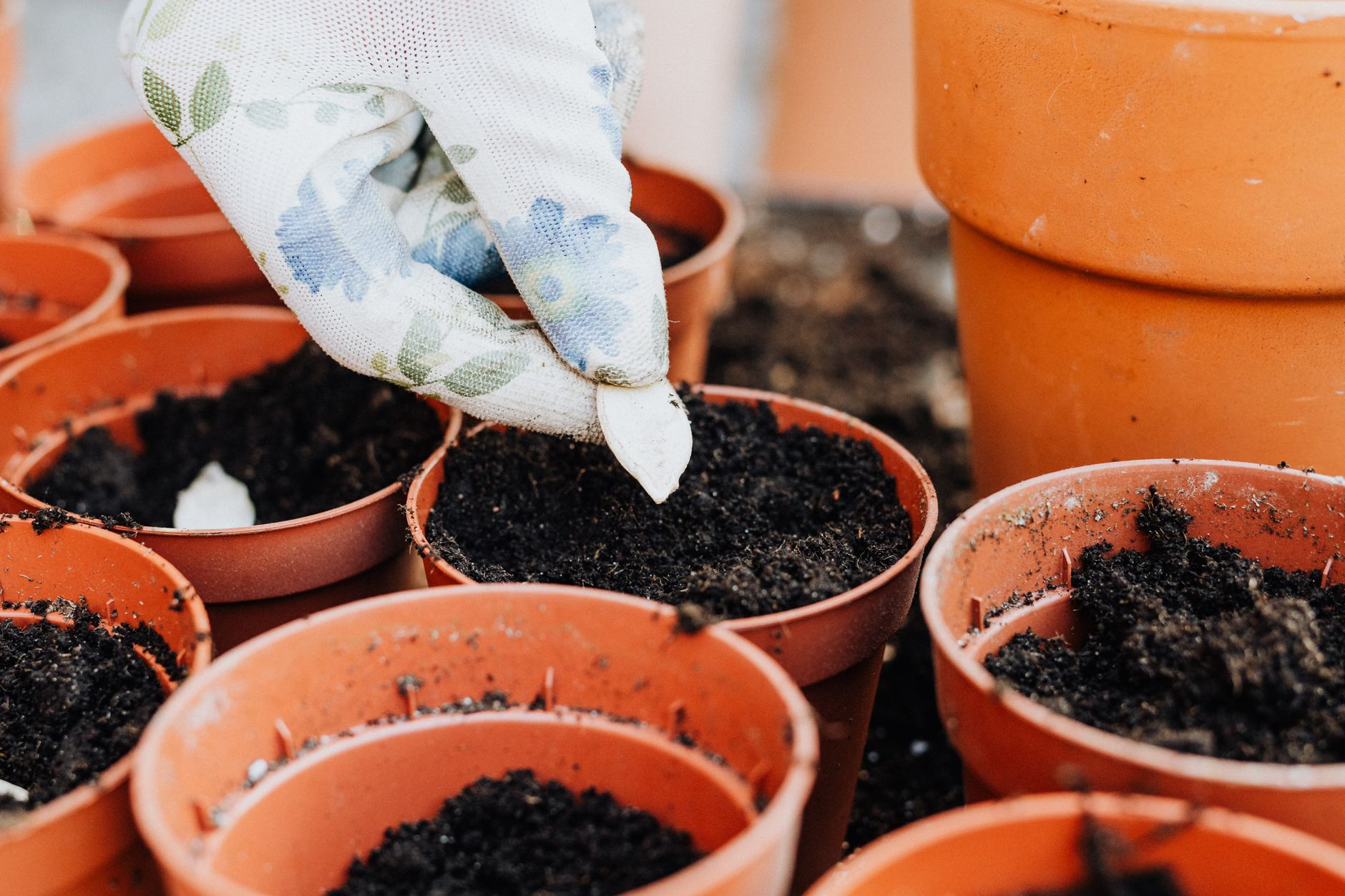
Learn the basics of companion planting: which crops help each other, which to keep apart, and simple plans for a healthier garden.
Companion planting is pairing crops so they help each other grow, deter pests, or improve soil. The idea is not magic, but it works when you use proven combinations and avoid known bad ones. Start with a few simple pairings, and you will see fewer pest problems and better use of your space.
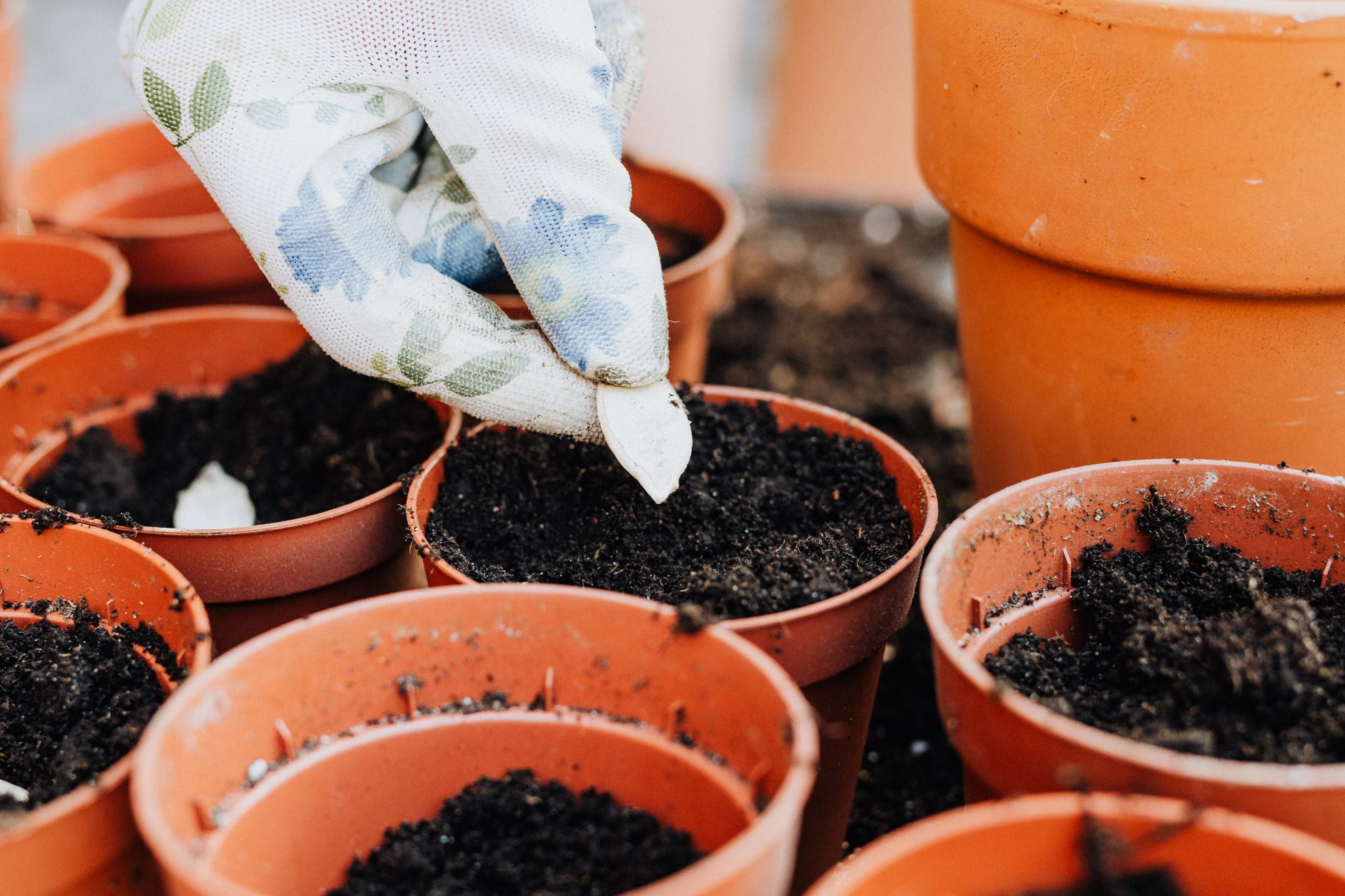
How companion planting works
Plants affect their neighbors through root exudates, scent, and shade. Some, like marigolds, release chemicals that repel nematodes. Others, like beans, fix nitrogen that heavy feeders like corn can use. The goal is to create a balanced mi
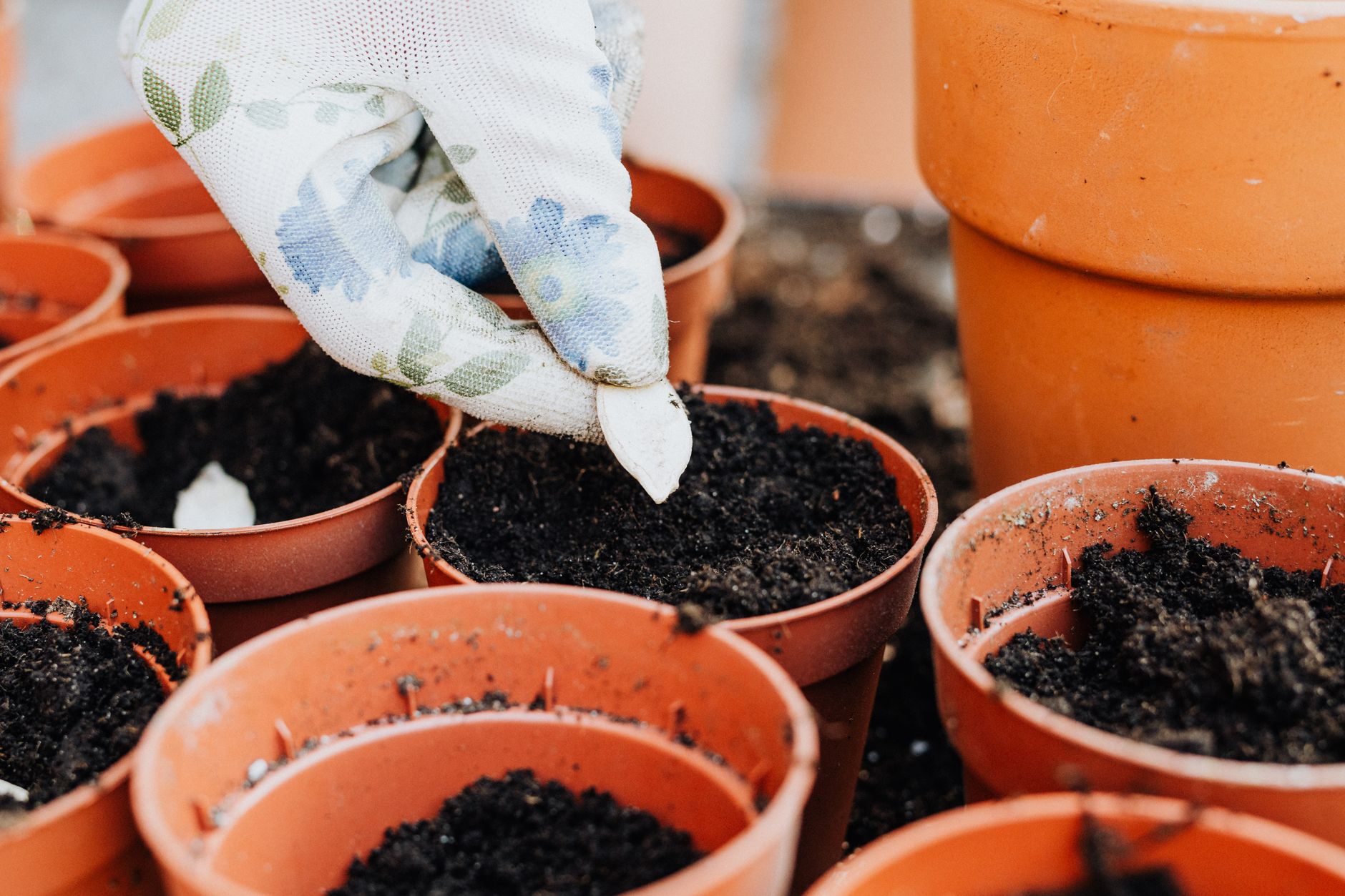 ni-ecosystem, not to eliminate all pests. You will still see some damage, but it will be less severe.
Best companion combinations for beginners
These pairings are well tested and easy to manage in a home garden.
Tomatoes and basil
Basil repels tomato hornworms and improves tomato flavor, though the flavor claim is anecdotal. Plant one basil plant between every two tomatoes. Both like full sun and consistent water.
Carrots and onions
The strong scent of onions confuses carrot flies, and carrots do not compete with onions for space since they grow at different depths. Sow carrot seeds in rows 12 inches apart, then plant onion sets between the rows.
Corn, beans, and squash (the Three Sisters)
This Native American trio works because beans fix nitrogen for corn, corn gives beans a trellis, and squash shades the soil and deters raccoons. Plant corn first in mounds 18 inches apart, then beans and squash after corn is 6 inches tall.
Cucumbers and radishes
Radishes deter cucumber beetles. Plant a few radish seeds in the same hill as cucumbers. Harvest radishes before they compete with cucumbers.
Lettuce and tall crops
Lettuce bolts in hot sun, so plant it under the shade of tomatoes, peppers, or pole beans. This extends your lettuce season by a few weeks.
What to avoid: bad companions
Some plants hurt each other. Keep these apart:
- Onions and beans: onions stunt bean growth.
- Tomatoes and corn: both are heavy feeders and attract the same pests, like tomato fruitworm.
- Potatoes and tomatoes: they share blight diseases and compete for nutrients.
- Fennel: it inhibits the growth of most plants, so give it its own corner.
Simple companion planting plans
You do not need a complex design. Try these two layouts.
Plan A: Raised bed (4x8 feet)
Divide the bed into four sections:
- Section 1: Tomatoes (2 plants) with basil (4 plants)
- Section 2: Carrots (1 row) with onions (1 row)
- Section 3: Lettuce (1 row) under a trellis of pole beans
- Section 4: Cucumbers (2 hills) with radishes (4 seeds per hill)
Plan B: In-ground rows (20x20 feet)
Plant in blocks rather than long rows:
- Block 1: Corn (4 rows) with pole beans and squash
- Block 2: Tomatoes (6 plants) with basil and marigolds
- Block 3: Root crops: carrots, beets, and onions intermixed
- Block 4: Leafy greens: lettuce, spinach, and alyssum (a flower that attracts beneficial insects)
Getting started this week
- Choose your combos: Pick 2 or 3 pairings from the list above. Do not try everything at once.
- Prepare your soil: Test pH (aim for 6.0 to 7.0) and add compost. A soil test kit costs $10 to $20 at garden centers.
- Plant at the right time: Check your USDA zone. For example, in zone 6, plant cool-season crops like lettuce and carrots in late March, and warm-season crops like tomatoes and beans in mid-May.
- Keep a garden journal: Note what works and what does not. This is your best guide for next year.
Common mistakes to avoid
- Overcrowding: Companion plants still need their own space. Follow spacing guidelines on seed packets.
- Ignoring microclimates: A spot that is too shady or too wet will fail regardless of companions.
- Expecting perfection: Companion planting reduces pests, it does not eliminate them. Use row covers or handpicking if needed.
- Forgetting to rotate: Even with companions, rotate crops each year to prevent disease buildup.
FAQ
Does companion planting really work?
Yes, for certain pairs. Scientific studies support some combinations, like marigolds for nematode control, but many claims are anecdotal. The best approach is to try proven pairs and observe your own results.
Can I use companion planting in containers?
Yes, but choose compact varieties. For example, plant a determinate tomato with basil in a 5-gallon pot. Keep in mind that containers dry out faster, so water more often.
What flowers should I plant for pest control?
Marigolds (French or African) repel nematodes and whiteflies. Nasturtiums attract aphids away from your vegetables. Alyssum attracts beneficial wasps that eat aphids. All are easy from seed, costing $2 to $4 per packet.
How do I know which plants are compatible?
Use a reliable chart from a university extension service, not just any internet list. The Old Farmer’s Almanac and local extension offices publish tested charts.
Related guides
The bottom line
Companion planting is a simple, low-cost way to improve your garden’s health and productivity. Start with a few proven pairs, keep records, and adjust as you learn. You will not eliminate all pests, but you will reduce damage and make your garden more resilient. Give it a season, and you will see the difference.