Best backyard chickens for beginners
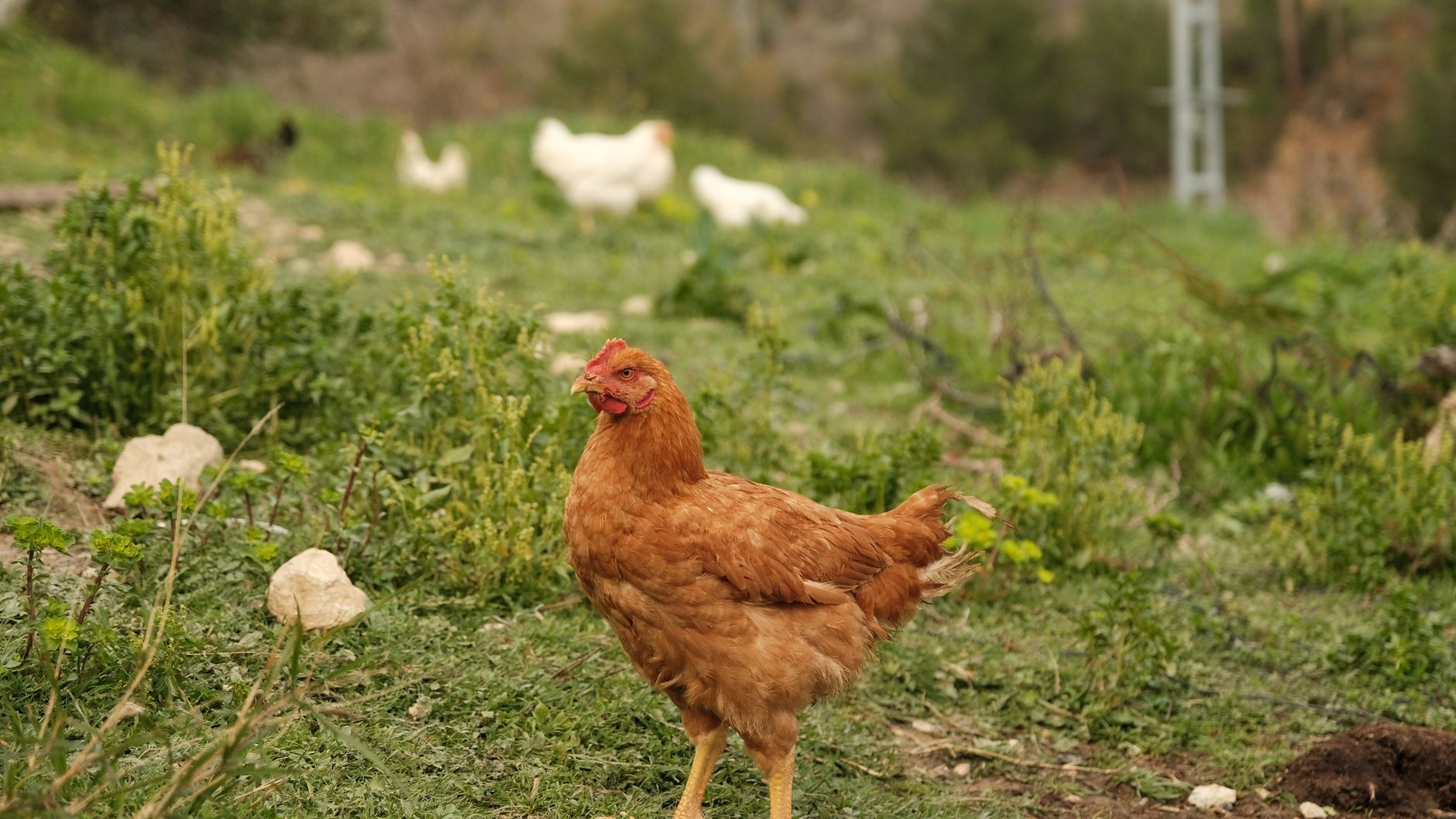
Discover the best backyard chicken breeds for beginners, with practical tips on coop setup, costs, and care. Start your flock right.
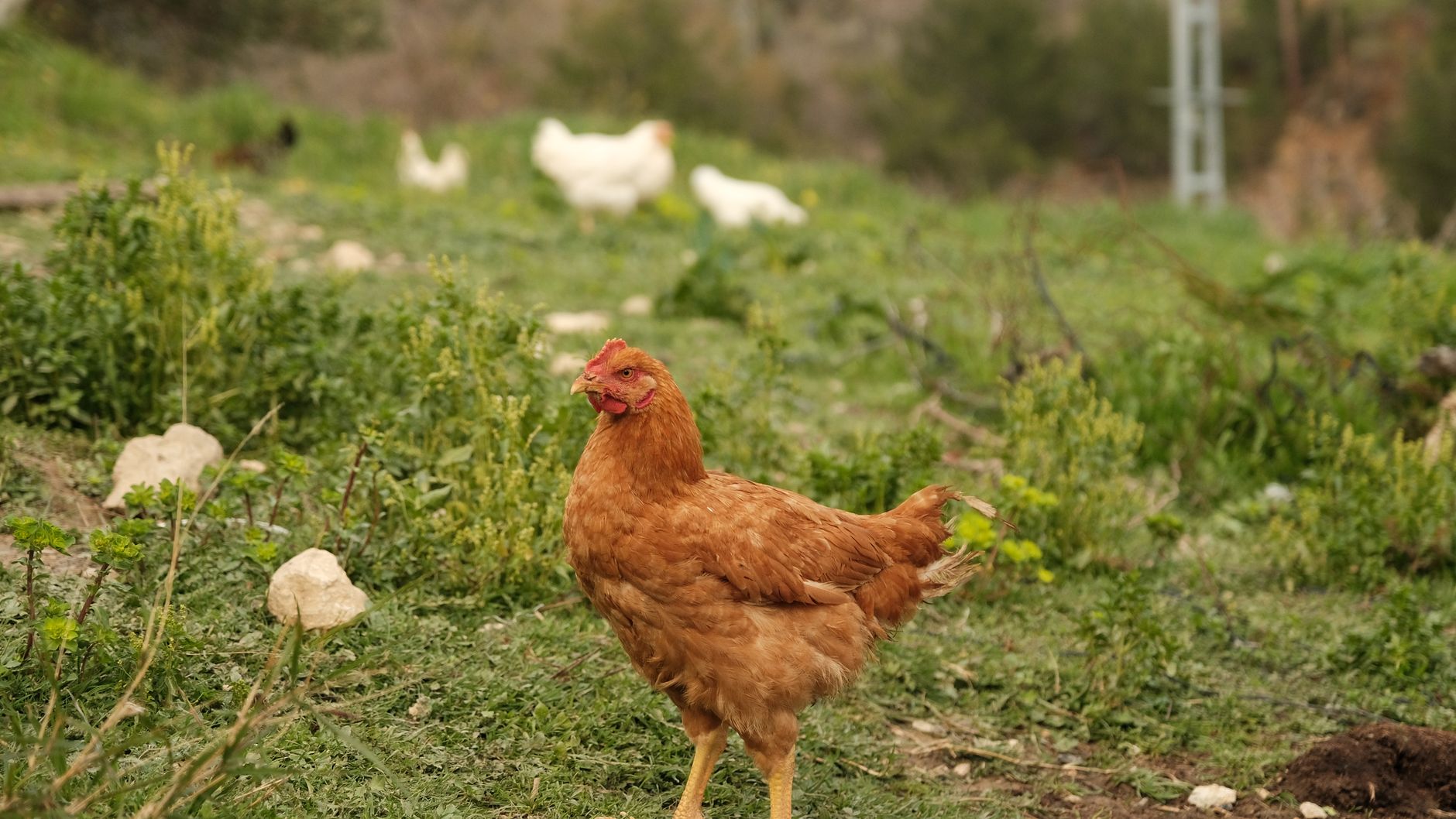
If you’re new to keeping chickens, the best breeds are calm, hardy, and reliable layers. For most beginners, that means choosing from heritage breeds like Australorp, Orpington, or Plymouth Rock, which are docile, cold-hardy, and lay consistently. Start with 3 to 5 hens, no rooster, and you’ll have fresh eggs in about 5 to 6 months.
What makes a breed good for beginners?
A good beginner breed is friendly, easy to handle, and forgiving of minor mistakes. Look for these traits:
- Calm temperament: breeds that are not flighty or aggressive, making them easier to catch and care for.
- Hardiness: breeds that tolerate both heat and cold, so they thrive in most US climates.
- Reliable egg production: breeds that lay 4 to 5 eggs per week, not just in spring but through the year.
- Good foragers: breeds that find their own food, reducing feed costs and pest problems.
Avoid high-maintenance breeds like Silkies or Polish (they need extra c
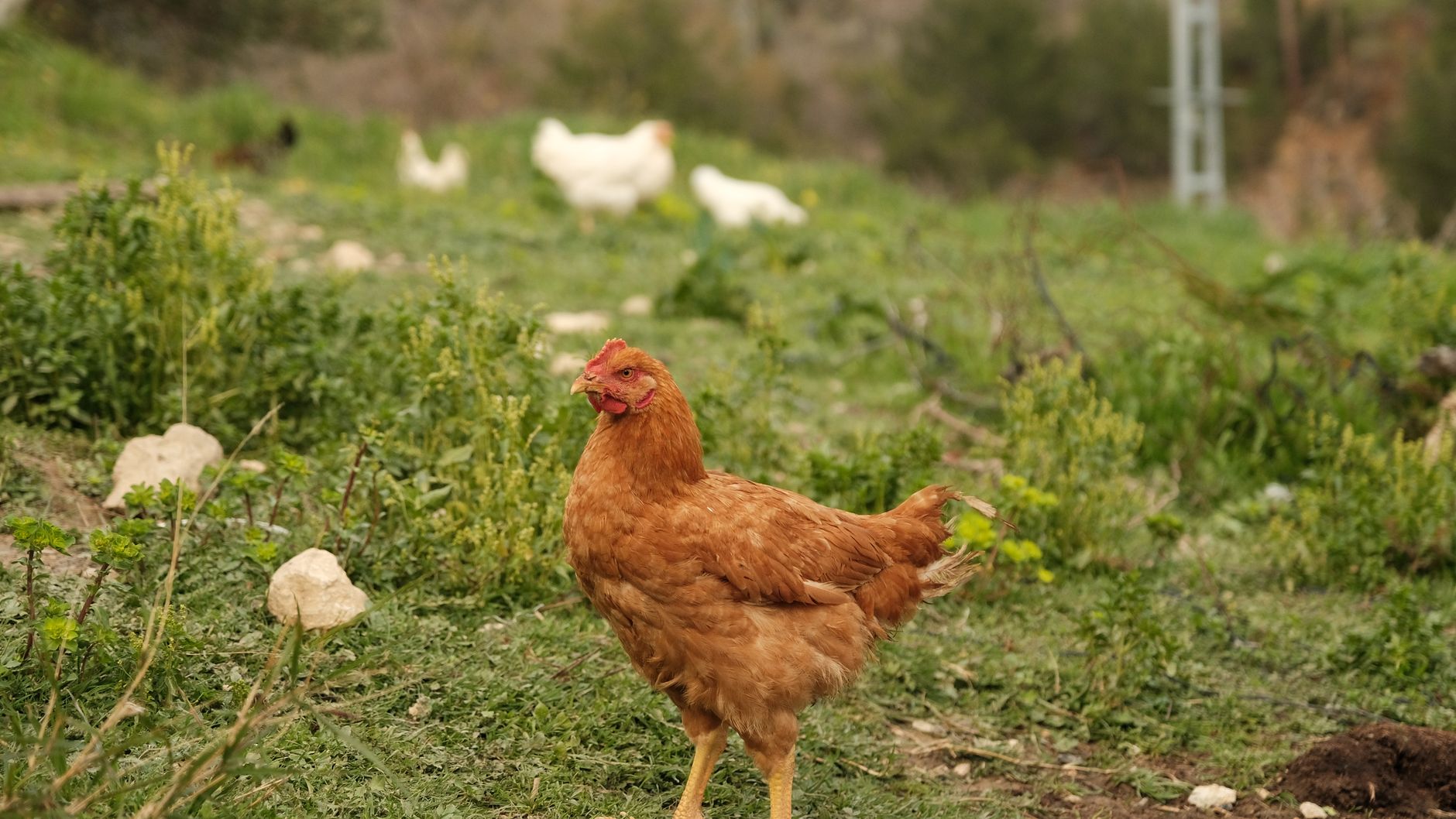 are) and hybrids like the Golden Comet (they lay well but may have shorter lifespans and more health issues).
Top 5 breeds for beginners
Here are the best breeds for a first flock, based on temperament, hardiness, and egg production. Prices are for day-old chicks from a hatchery, as of 2026.
| Breed | Egg color | Eggs per week | Temperament | Cold hardiness | Chick price (each) |
|---|---|---|---|---|---|
| Australorp | Light brown | 5 | Docile, friendly | Excellent | $3-$5 |
| Buff Orpington | Brown | 4 | Calm, cuddly | Excellent | $4-$6 |
| Plymouth Rock | Brown | 4 | Friendly, curious | Excellent | $3-$5 |
| Rhode Island Red | Brown | 5 | Active, confident | Excellent | $3-$5 |
| Barred Rock (a Plymouth Rock variety) | Brown | 4 | Calm, hardy | Excellent | $3-$5 |
These breeds are all heritage breeds, meaning they live longer (8 to 10 years) and are more robust than many commercial hybrids. They also go broody, which is a plus if you want to hatch chicks later.
Coop and run essentials
Before you bring chicks home, you need a safe coop and run. Here’s what you need, with realistic 2026 prices:
- Coop: at least 4 square feet per chicken inside. A good 4-hen coop costs $300 to $600 new, or you can build one for $150 to $300 in materials. Look for a coop that is easy to clean, with a removable dropping tray or a door for access.
- Run: at least 10 square feet per chicken outside. Use 1/2-inch hardware cloth, not chicken wire, to keep out predators. A 10x10 run costs $100 to $200 in materials.
- Nesting boxes: one box per 4 hens, filled with straw or pine shavings. A 12x12-inch box is fine.
- Roosts: 8 inches of roost per chicken, placed 2 to 3 feet off the ground. Use 2x4 lumber with the wide side up.
- Feeders and waterers: a hanging feeder and a 2-gallon waterer cost about $30 total. Choose a waterer that you can refill without entering the coop.
- Heat source: for chicks, a heat lamp or brooder plate costs $30 to $60. For adult hens, no heat is needed if they are hardy and the coop is dry and draft-free.
Total startup cost for 4 hens: $500 to $800, including the coop, run, feeders, and chicks. That’s a reasonable investment for a reliable egg supply.
Raising chicks: week by week
If you start with day-old chicks, you’ll need a brooder for the first 6 weeks. Here’s a simple timeline:
- Week 1: keep the brooder at 95°F, then lower it 5°F each week. Use a heat lamp or brooder plate. Provide chick starter feed (20% protein) and fresh water.
- Week 2 to 5: gradually reduce heat. Move chicks to a larger space if needed. At 4 weeks, you can add a low roost.
- Week 6: if nights are above 50°F, chicks can move to the coop without heat. Otherwise, keep them inside until they are fully feathered.
- Week 16 to 20: switch to layer feed (16% protein) when the first egg appears. Provide oyster shell for calcium.
A common mistake is keeping the brooder too warm or too cold. Watch the chicks: if they huddle under the lamp, they’re cold; if they pant or stay far away, they’re too hot.
Feeding and daily care
Adult hens need a balanced diet and fresh water daily. Here’s what to do:
- Feed: a quality layer pellet or crumble, about 1/4 pound per hen per day. A 50-pound bag costs $15 to $20 and lasts a month for 4 hens.
- Grit: offer insoluble grit (small stones) to help digest food, especially if they eat treats or forage.
- Treats: give kitchen scraps, garden weeds, or mealworms, but keep treats to less than 10% of their diet. Too many treats can reduce egg production.
- Water: clean and refill daily. In winter, use a heated waterer to prevent freezing.
- Coop cleaning: remove droppings and replace bedding weekly. A deep litter method (add new bedding on top, clean out in spring) is easier for beginners.
Common health issues and how to avoid them
Healthy hens are easy to keep, but watch for these issues:
- Mites and lice: check under wings and around the vent monthly. Dust with food-grade diatomaceous earth if you see them.
- Respiratory infections: signs are sneezing, nasal discharge, or lethargy. Isolate the sick bird and consult a vet. Prevention: keep the coop dry and well-ventilated.
- Egg binding: a hen strains to lay, or stops eating. Soak her in warm water for 20 minutes, then gently massage her abdomen. If no egg in 24 hours, see a vet.
- Predators: raccoons, foxes, and hawks are the biggest threats. Use hardware cloth, lock the coop at night, and consider a livestock guardian dog if you’re in a rural area.
FAQ
How many chickens should I start with?
Start with 3 to 5 hens. They are social, so you need at least 3. More than 5 can be overwhelming for a first-time keeper, and you’ll have more eggs than you can use.
When will my hens start laying?
Most heritage breeds start laying at 5 to 6 months of age, depending on breed and season. If you get chicks in spring, they’ll start in late summer or early fall.
Do I need a rooster to get eggs?
No. Hens lay eggs without a rooster. Roosters are only needed if you want fertilized eggs for hatching. For a backyard flock, skip the rooster to avoid noise and aggression.
How long do hens lay eggs?
Hens lay best in their first 2 to 3 years, then production declines. They can live 8 to 10 years, but after age 3, you may get only 1 or 2 eggs per week. Many keepers replace older hens with new chicks every few years.
Related guides
The bottom line
For a beginner, choose Australorp, Buff Orpington, or Plymouth Rock. They are calm, hardy, and lay well. Set up a safe coop and run, feed a quality layer feed, and keep the water fresh. Expect to spend $500 to $800 to start, and you’ll have fresh eggs within 6 months. Start small, learn as you go, and enjoy the process.