Backyard Chickens for Beginners: What You Need to Get Started
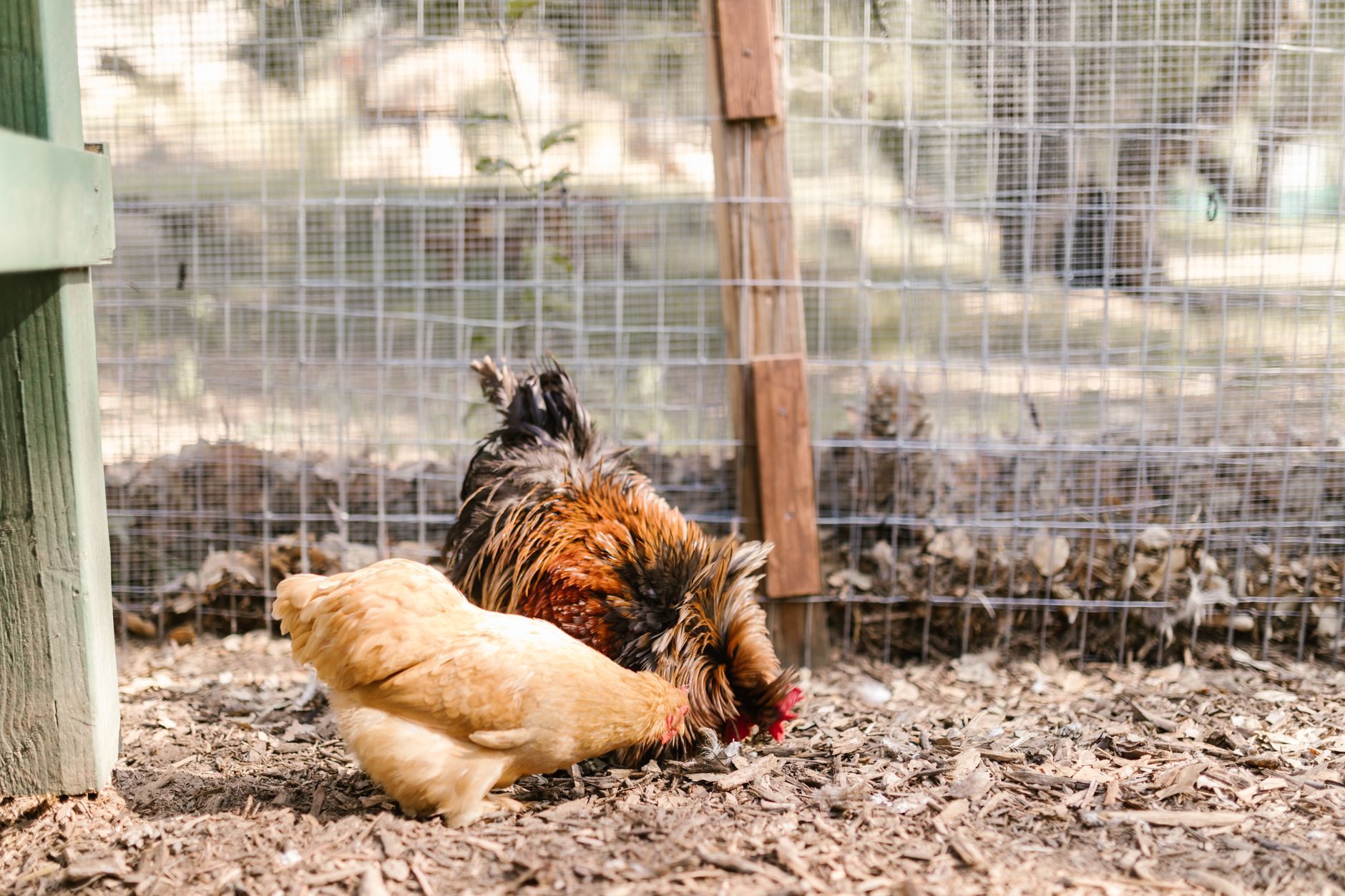
A practical guide to starting with backyard chickens: coop, breeds, costs, daily care, and first steps for beginners.
Starting a backyard flock is one of the most rewarding steps toward self-sufficiency, but it requires planning. This guide covers the essentials: legal checks, coop setup, breed selection, daily care, and realistic costs. By the end, you’ll know exactly what to do this week to get started.
Check Local Laws and HOA Rules
Before buying anything, verify that chickens are allowed in your area. Contact your city or county zoning office, and review your HOA covenants if applicable. Common restrictions include:
- Limit on number of hens (often 4 to 6)
- Ban on roosters (most urban areas prohibit them)
- Setback requirements (coop must be a certain distance from property lines, typically 10 to 25 feet)
- Permit fees (ranging from $0 to $50 annually)
If you rent, get written permission from your landlord. Skipping this step can lead to fines or forced rehoming of your birds.
Choose the Right Breed
Not all chickens are equally suited to backyard life. For beginners, look for breeds that are hardy, docile, and good layers. Here are reliable options:
| Breed | Egg Color | Eggs/Year | Temperament | Cold Hardiness |
|---|---|---|---|---|
| Rhode Island Red | Brown | 250-300 | Active, hardy | Excellent |
| Buff Orpington | Brown | 200-280 | Calm, friendly | Good |
| Australorp | Light brown | 250-300 | Docile, quiet | Good |
| Plymouth Rock | Brown | 200-280 | Friendly, easygoing | Good |
| Leghorn (white) | White | 280-320 | Flighty, independent | Good |
For a mixed flock, choose two or three breeds. Avoid high-production hybrids like ISA Browns if you want a calmer bird; they lay well but can be more nervous.
Plan Your Coop and Run
Your coop is the most important investment. Plan for at least 4 square feet per bird inside the coop and 10 square feet per bird in the run. For 4 hens, that means a 16 sq ft coop and a 40 sq ft run.
Coop essentials:
- Ventilation (above roost level, but no drafts at bird height)
- Predator-proofing (hardware cloth, not chicken wire, on all openings)
- Roosting bars (2 inches wide, 2 feet off the ground, 8 to 10 inches per bird)
- Nesting boxes (one per 3 to 4 hens, 12x12x12 inches, filled with straw or wood shavings)
- Easy access for cleaning (a door or hinged roof)
Run considerations:
- Cover the top to keep out hawks and owls.
- Bury hardware cloth 12 inches deep around the perimeter to deter digging predators.
- Provide shade and a dust-bathing area (a dry spot with sand or dirt).
You can build a coop from plans (cost: $200 to $500 in materials) or buy a prefab model ($400 to $1,200 for a 4-bird coop). Check used listings on Craigslist or Facebook Marketplace for bargains, but inspect for rot and gaps.
Gather Essential Supplies
Beyond the coop, you’ll need these items:
| Item | Purpose | Approximate Cost |
|---|---|---|
| Feeder (hanging or treadle) | Holds feed, reduces waste | $15-$40 |
| Waterer (5-gallon, heated for winter) | Provides clean water | $20-$60 |
| Pine shavings (for bedding) | Absorbs moisture | $10-$15 per bale |
| Feed (starter/grower, then layer) | Nutrition | $20-$30 per 50-lb bag |
| Grit (insoluble) | Aids digestion | $5-$10 per bag |
| Oyster shell (for layers) | Calcium for eggshells | $10 per bag |
| First-aid kit (electrolytes, wound spray) | Emergencies | $20-$30 |
Total startup costs (coop, supplies, chicks) typically range from $500 to $1,500, depending on coop choice and flock size.
Decide: Chicks or Pullets?
You can start with day-old chicks (cheapest, but require brooder care for 6 to 8 weeks) or purchase pullets (young hens, 16 to 20 weeks old, ready to lay soon).
Chicks (day-old):
- Cost: $3 to $8 each
- Need a brooder with heat lamp (95°F first week, decrease 5°F per week)
- Require starter feed (20% protein) and constant access to water
- More hands-on, but you can raise them to be tame
Pullets:
- Cost: $15 to $30 each
- Already feathered and often vaccinated
- May start laying within weeks
- Less initial work, but higher upfront cost
For beginners, pullets are easier, but chicks offer a rewarding experience. If you choose chicks, plan to keep them indoors in a draft-free space (like a bathtub or large tote) for 6 to 8 weeks.
Set Up Daily Care Routine
Chickens need consistent care, but it’s simple once you establish a routine. Plan for 15 to 20 minutes per day.
Daily tasks:
- Check water and refill (clean if dirty)
- Fill feeder as needed
- Collect eggs (once laying begins)
- Observe birds for signs of illness or injury
Weekly tasks:
- Clean coop: remove droppings from roosts and nesting boxes
- Replace wet bedding
- Scrub waterer with mild soap and water
- Check for mites or lice (look under wings and around vent)
Monthly tasks:
- Deep clean the coop (remove all bedding, disinfect, add fresh)
- Trim nails if overgrown (rare if they free-range)
- Inspect fencing and hardware cloth for damage
Understand Feeding and Nutrition
Feed is the largest ongoing cost (about $15 to $25 per month for 4 hens). Use these guidelines:
- Chicks (0-8 weeks): Starter feed, 20% protein, crumble form
- Growers (8-18 weeks): Grower feed, 16-18% protein, pellet or crumble
- Layers (18+ weeks): Layer feed, 16% protein, with 3.5-4% calcium
Provide insoluble grit (small stones) to help digestion, and offer oyster shell free-choice for laying hens. Treats like kitchen scraps (vegetable peels, fruit) are fine, but limit to 10% of diet. Avoid avocado, chocolate, onions, and raw beans.
In winter, hens eat more to stay warm; in summer, they eat less. Always provide fresh, clean water, and use a heated waterer if temps drop below freezing.
Plan for Egg Production
Hens typically start laying at 18 to 24 weeks. Expect 4 to 6 eggs per week per hen in the first year. Production declines after the second year, but hens still lay for 5 to 7 years.
Eggs need:
- Clean nesting boxes (replace soiled bedding)
- Daily collection (especially in summer to prevent breakage)
- Refrigeration (or leave on counter if unwashed, but wash before use)
If you don’t want chicks, you don’t need a rooster. Hens lay without one.
FAQ
How many chickens should I start with? Start with 3 to 4 hens. They are social animals, so never keep just one. Four is a good number for a family of four, yielding about a dozen eggs per week.
Can I keep chickens in a small backyard? Yes, if you have at least 10 square feet per bird in a run. Use a compact coop design and consider a movable tractor if space is tight.
What do I do with chickens when I go on vacation? Find a neighbor or friend to check on them daily, or hire a pet sitter. Provide an automatic feeder and large waterer for short trips (2 to 3 days), but daily visits are best.
How long do chickens live? Most hens live 5 to 8 years, though some can reach 10+. Egg production declines after year 2, but they remain pets.
The Bottom Line
Starting a backyard flock is achievable for any beginner with proper planning. Check local laws, choose a hardy breed, invest in a predator-proof coop, and commit to a daily routine. Expect startup costs of $500 to $1,500 and ongoing feed costs of about $20 per month. With a little effort, you’ll enjoy fresh eggs and the satisfaction of raising your own food. Take the first step this week: research your local regulations and sketch a coop plan.