Best feeds for dairy cows
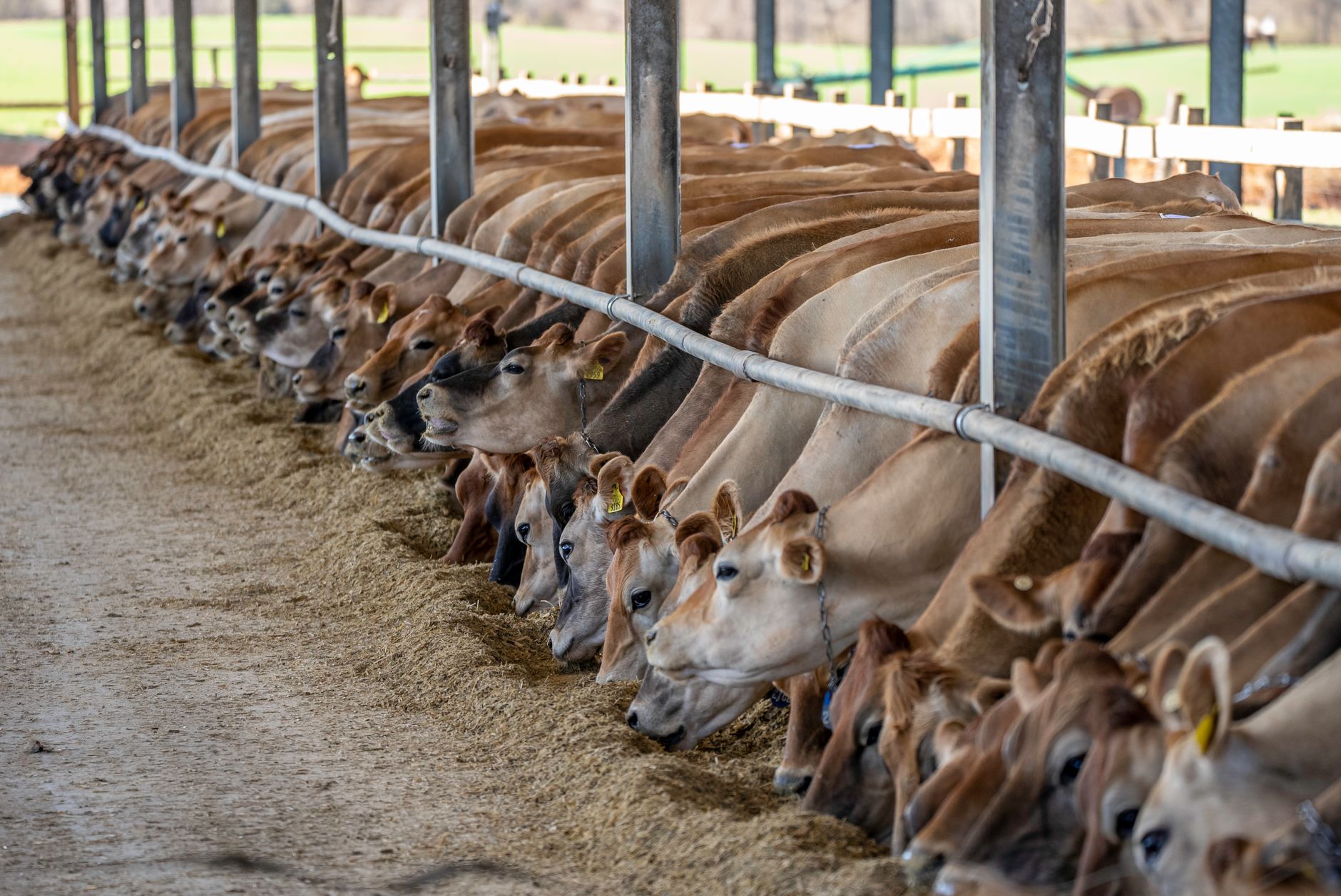
Discover the best feeds for dairy cows: forages, grains, supplements, and minerals. Learn what to feed for milk production, health, and cost efficiency.
The best feeds for dairy cows are high-quality forage (like alfalfa or grass hay), balanced grains (corn, barley, or oats), and a proper mineral supplement. For most homesteaders, a total mixed ration (TMR) or a simple forage-plus-grain approach works well. Start with clean, mold-free forage as the base, then add grain based on milk production, and always provide free-choice minerals and fresh water.
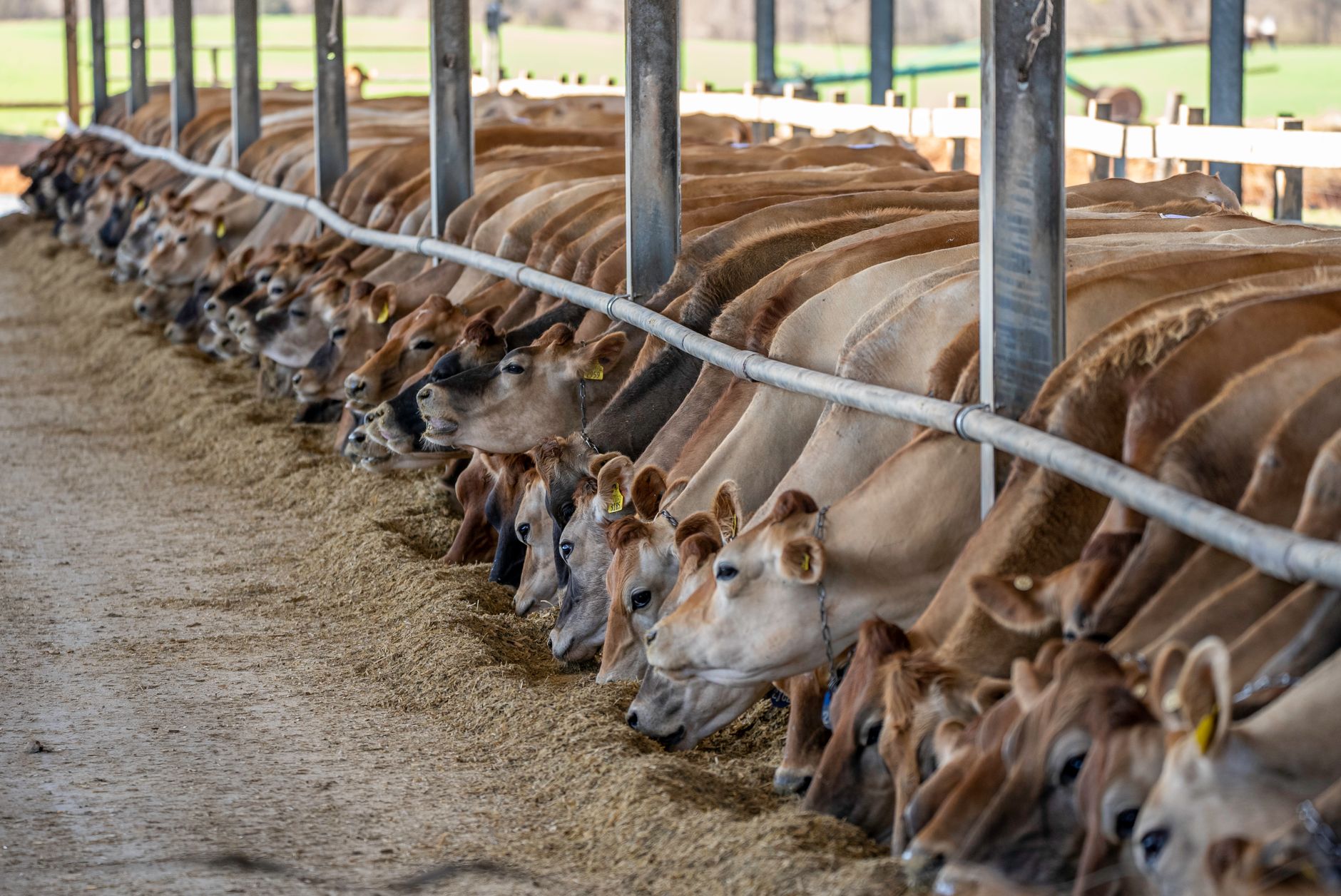
Forage: The Foundation
Forage should make up 40% to 60% of the dry matter in a dairy cow’s diet. Good forage provides fiber for rumen health and milk fat production.
- Alfalfa hay: High in protein (17-20% crude protein) and calcium. Ideal for lactating cows. Look for leafy, green hay with fine stems. Price: $150-$250 per ton (2026).
- Grass hay (timothy, orchard grass, brome): Lower protein (8-12%) but good fiber. Cheaper: $100-$180 per ton. Often mixed with alfalfa.
- Corn silage: High energy, good for milk production. If you grow your own, cost is about $30-$50 per ton standing in the field. Harvest at 30-35% dry matter.
- Baleage (wrapped hay): Fermented forage, similar to silage. Convenient but can be more expensive per ton.
For a homestead cow, feed 2-3% of her body weight in forage dry matter daily. A 1,200 lb cow needs about 24-36 lb of dry matter from forage.
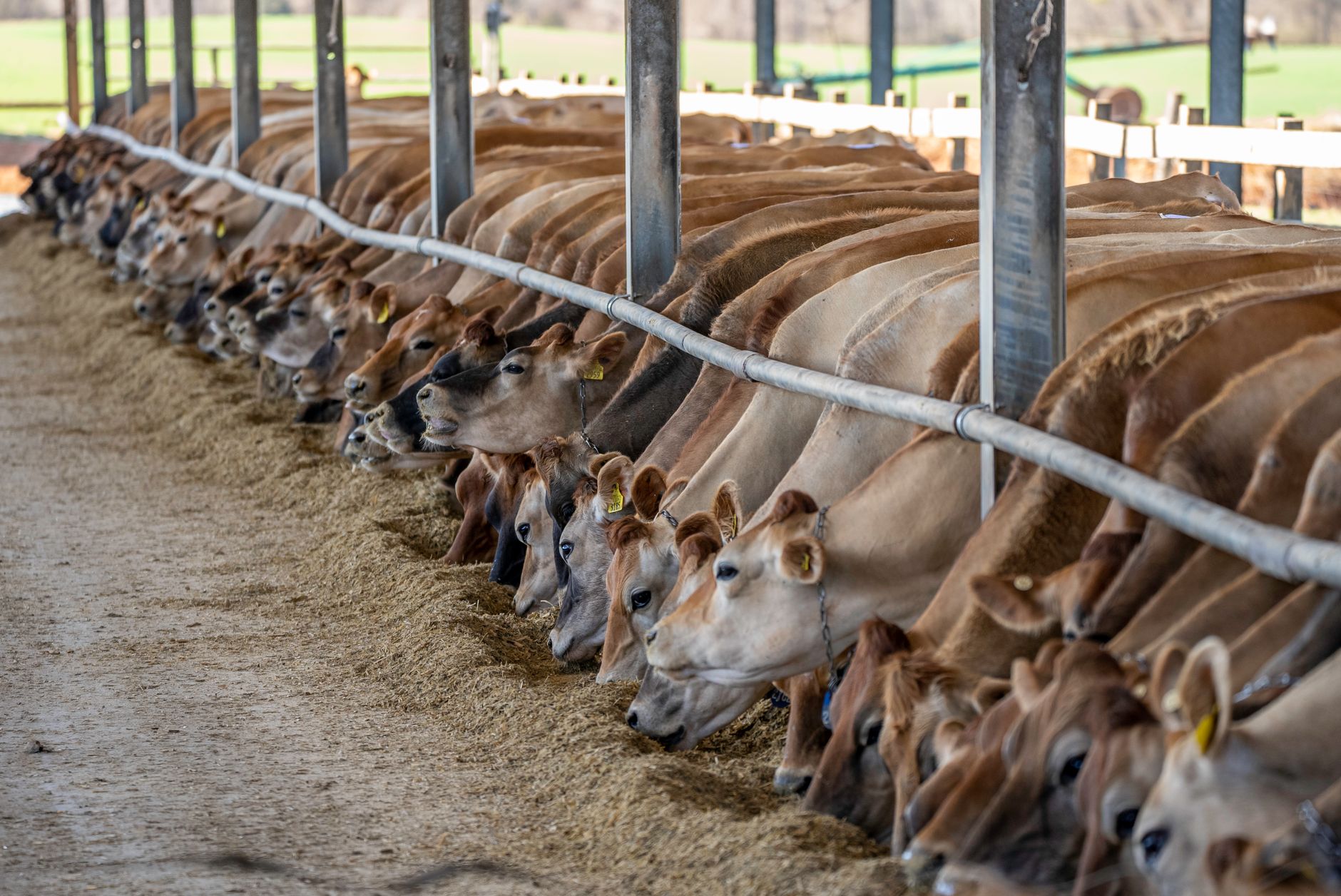 That translates to roughly 30-40 lb of as-fed hay (since hay is about 90% dry matter).
Grains and Concentrates: Energy for Milk
Grains provide energy (starch) to support milk production. The amount depends on milk yield: about 1 lb of grain per 3-4 lb of milk produced.
- Corn (cracked or ground): Most common energy grain. Price: $6-$8 per bushel (56 lb) in 2026. Feed at 5-10 lb per day for a moderate producer.
- Barley: Good energy, slightly lower starch. Price: $7-$9 per bushel (48 lb). Often used in the West.
- Oats: Higher fiber, lower energy. Good for heifers or dry cows. Price: $5-$7 per bushel (32 lb).
- Commercial dairy pellets: Balanced with protein, minerals, and vitamins. Convenient but costlier: $300-$400 per ton. Look for 16-18% protein pellets.
Start with 2-4 lb of grain per day and increase gradually (over 2 weeks) to the target amount. Sudden changes can cause acidosis.
Protein Supplements: When Forage Isn’t Enough
If your forage is low in protein (like grass hay), you may need to add protein. Common sources:
- Soybean meal: 48% protein. Price: $400-$500 per ton. Feed 1-2 lb per day if needed.
- Canola meal: 36-38% protein. Price: $350-$450 per ton. Slightly cheaper alternative.
- Field peas: 23% protein, homegrown option. Feed 2-3 lb per day.
Test your forage for protein and total digestible nutrients (TDN) to know if you need supplements. A basic forage test costs $20-$40 at a local lab.
Minerals and Additives: Small but Critical
Dairy cows need specific minerals for milk production and bone health. Provide free-choice loose minerals formulated for dairy cows (not beef).
- Calcium and phosphorus: Essential for milk and bone. A 2:1 ratio is typical.
- Salt: Provide free-choice or in the mineral mix.
- Magnesium: Helps prevent grass tetany, especially on lush pasture.
- Baking soda (buffer): If feeding high grain, add 0.5-1% of the grain ration to help maintain rumen pH.
A good dairy mineral mix costs $25-$40 per 50 lb bag. Offer it free-choice in a mineral feeder, and ensure it stays dry.
Feeding Strategies for Homesteaders
Option 1: Forage + Grain (Simplest)
Feed high-quality hay free-choice, and give grain at milking time. This works for cows producing under 30 lb of milk per day.
- Morning: 5 lb grain, then milk.
- Evening: 5 lb grain, then milk.
- Always have hay available.
Option 2: Total Mixed Ration (TMR)
Mix all ingredients (forage, grain, minerals) together in a TMR mixer or by hand. This ensures the cow eats a balanced bite. Ideal for 2+ cows.
- Example TMR (for a 1,200 lb cow producing 40 lb milk):
- 25 lb corn silage
- 10 lb alfalfa hay
- 8 lb cracked corn
- 2 lb soybean meal
- 0.5 lb dairy mineral
Option 3: Pasture-Based
In summer, good pasture can replace some forage. But high-producing cows may need extra grain. Rotate pastures every 1-3 days to keep quality high.
Sample Rations by Milk Production
| Milk per day | Forage (dry matter) | Grain (as-fed) | Protein supplement |
|---|---|---|---|
| 20 lb | 25-30 lb hay | 3-5 lb | None if hay is good |
| 40 lb | 30-35 lb hay or 30 lb silage + 10 lb hay | 8-10 lb corn | 1-2 lb soybean meal |
| 60 lb | 35-40 lb silage + 10 lb hay | 12-15 lb corn | 3-4 lb soybean meal |
Adjust based on body condition and milk fat test.
Water and Feeding Management
- Water: Cows need 30-50 gallons per day. Provide clean, fresh water at all times.
- Feed twice daily: At consistent times. Cows like routine.
- Clean feeders: Remove leftover feed daily to prevent spoilage.
- Gradual changes: Any feed change should happen over 7-10 days.
Common Mistakes to Avoid
- Feeding too much grain too quickly: causes acidosis and off-feed.
- Poor quality forage: dusty or moldy hay reduces intake and milk.
- Ignoring minerals: can lead to milk fever or weak calves.
- Not adjusting feed for stage of lactation: early lactation needs more energy.
FAQ
Q: Can I feed only hay to a dairy cow?
A: Yes, if she’s a low producer (under 20 lb milk) and the hay is high quality. But most cows will lose weight and produce less without grain. Add grain for better production.
Q: How much does it cost to feed a dairy cow per day?
A: Expect $3-$6 per day for a moderate producer (40 lb milk) in 2026, depending on local feed prices. That’s about $1,100-$2,200 per year.
Q: Should I feed beet pulp or other byproducts?
A: Beet pulp is a good fiber source, but it’s not necessary. Use it if it’s cheap locally. Other byproducts like distillers grains can replace part of the grain, but watch protein levels.
Q: How do I know if my cow is getting enough nutrition?
A: Monitor body condition (target 3 out of 5), milk production, and manure consistency. A cow that’s too thin or too fat needs ration adjustment. Also, check milk fat and protein on your creamery report.
The Bottom Line
The best feed for your dairy cow is clean, high-quality forage, balanced with grain and minerals based on her milk production. Start with a forage test, then adjust grain in small steps. Keep water fresh, feed at consistent times, and watch your cow’s condition. Good feeding is the key to a healthy cow and a full milk pail.