Best cows for beginners
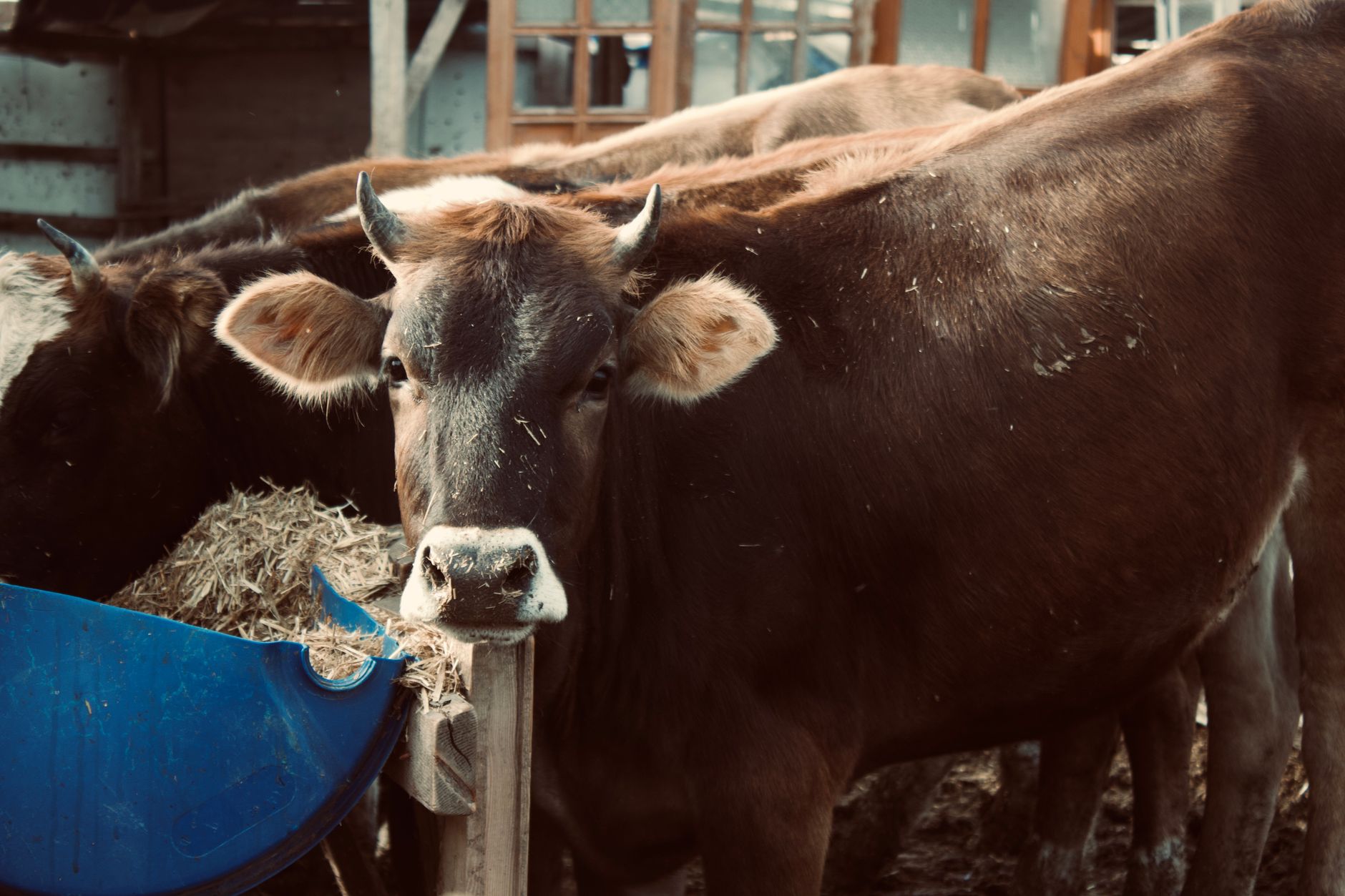
Discover the best cow breeds for beginners, with practical advice on space, cost, and care. Start your homestead herd right.
If you’re new to cattle, the best cows for beginners are breeds known for calm temperaments, easy calving, and low maintenance. Jersey and Dexter cows top the list for small homesteads, while Hereford and Angus work well if you have more pasture. This guide covers what to look for, real costs, and how to get started this week.
What makes a cow good for beginners?
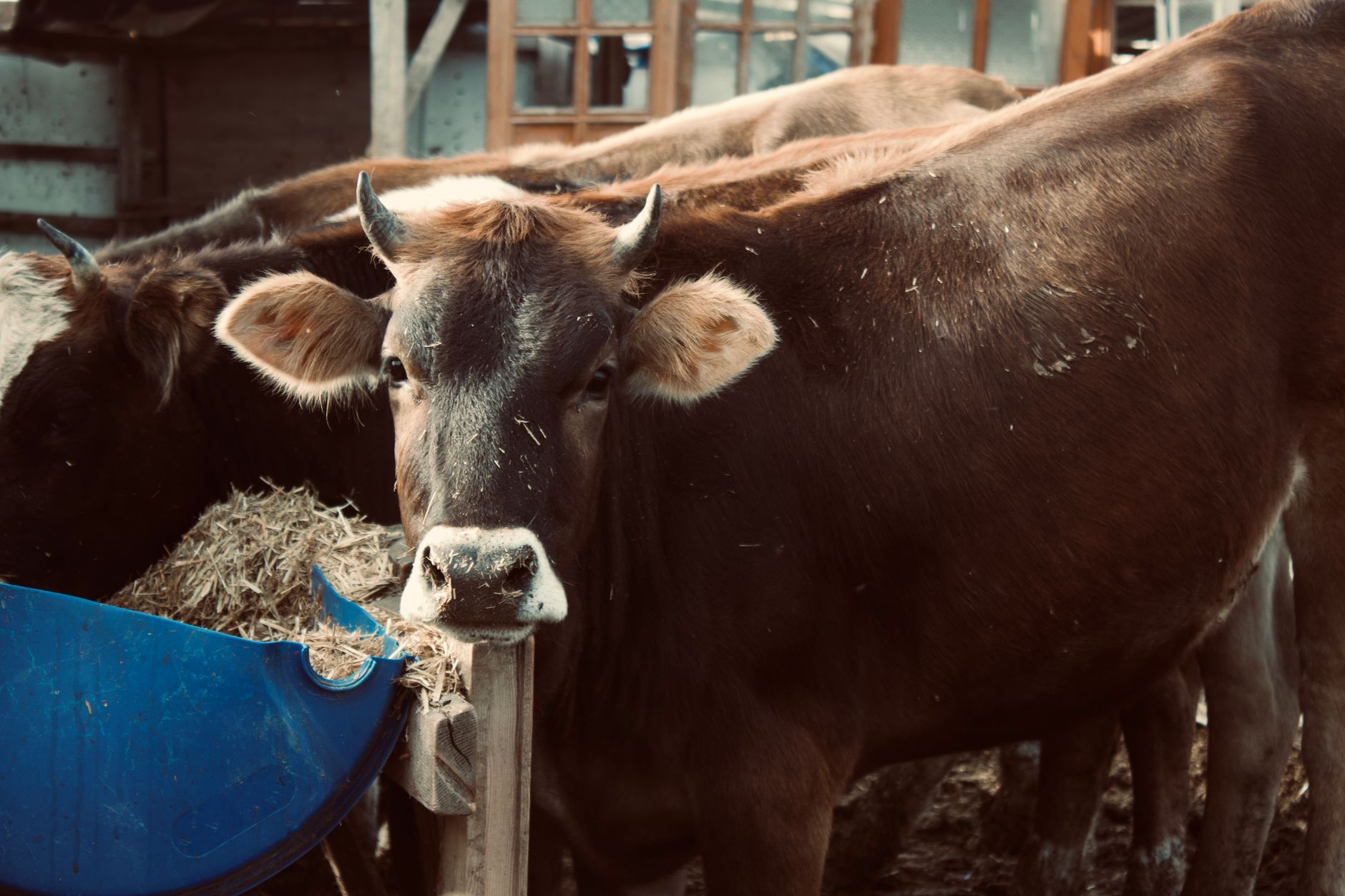
A beginner-friendly cow is one that is docile, hardy, and manageable. Look for breeds that are naturally calm, have good maternal instincts, and don’t require intensive management. Size matters too: smaller cows are easier to handle and need less feed. Also consider your goal: milk or beef. Jerseys a
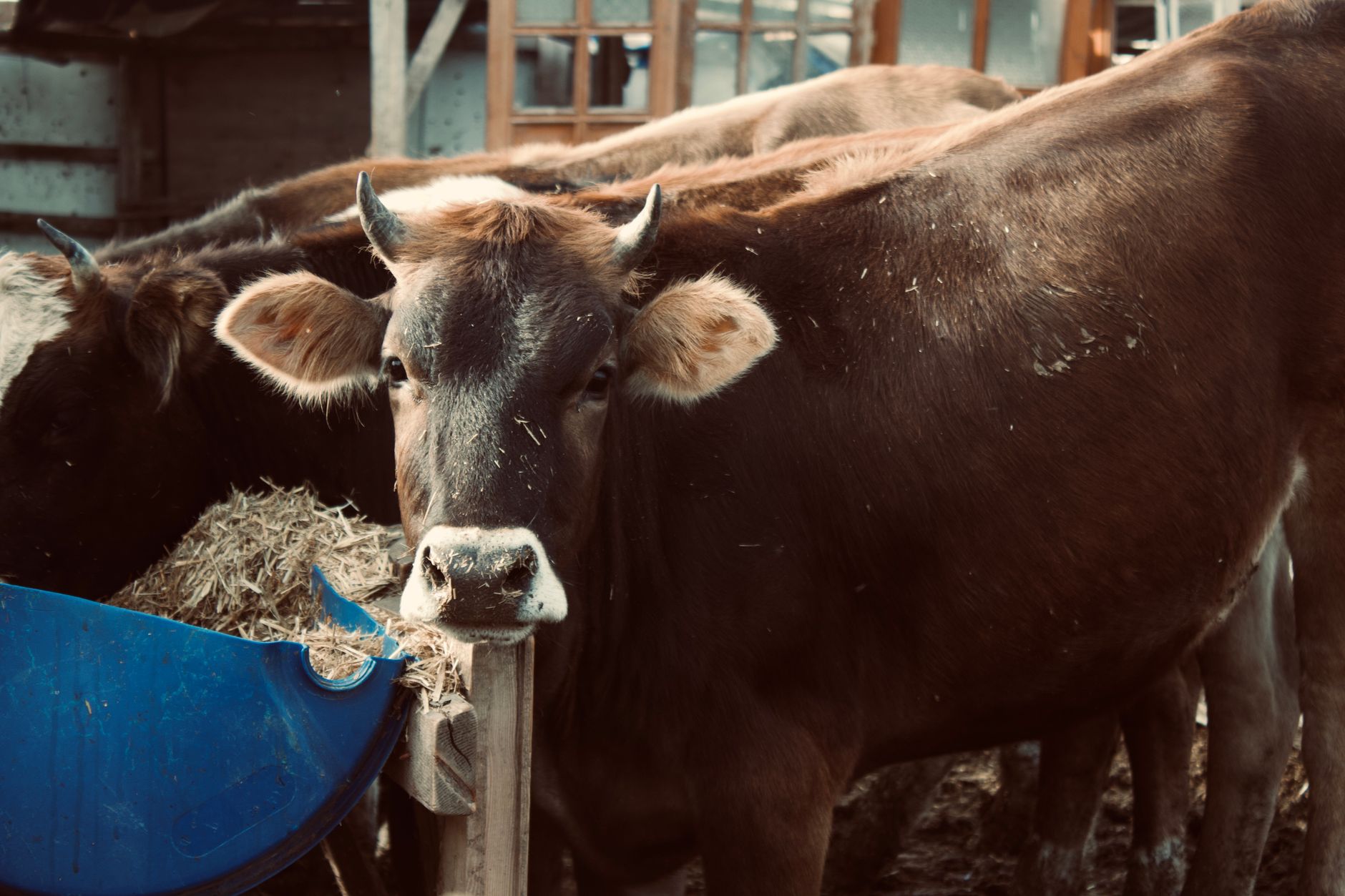 re excellent milkers, Dexters are dual-purpose, and Herefords are beef specialists.
Top breeds for beginners
| Breed | Purpose | Size (cow weight) | Temperament | Best for |
|---|---|---|---|---|
| Jersey | Milk | 800-1,000 lbs | Docile, friendly | Small homesteads, milk production |
| Dexter | Dual-purpose | 700-900 lbs | Calm, easy to handle | Small acreage, milk and meat |
| Hereford | Beef | 1,200-1,400 lbs | Docile, hardy | Pasture-based beef |
| Angus | Beef | 1,100-1,300 lbs | Calm, adaptable | Beef production, crossbreeding |
Jersey cows are a top pick for beginners because they are gentle, easy to milk, and produce rich, high-butterfat milk. Dexters are even smaller and can thrive on less pasture, making them ideal for 2-5 acre homesteads. For beef, Herefords are known for their calm disposition and hardiness, while Angus are also calm and widely available.
Space and fencing requirements
A general rule is 2 acres per cow-calf pair, but this varies with climate and pasture quality. In dry regions, you may need 5-10 acres per cow. Start with at least 1 acre per cow if you plan to supplement with hay. Fencing must be sturdy: woven wire or high-tensile electric. A 5-strand high-tensile electric fence is a solid choice for cattle. Budget $1,500-$3,000 for fencing a 1-acre paddock, depending on materials and labor.
Cost of getting started
| Item | Cost Range |
|---|---|
| Weaned heifer (6-8 months) | $800-$1,500 |
| Bred heifer (due in spring) | $1,200-$2,000 |
| Cow-calf pair | $1,500-$2,500 |
| Bull (if breeding) | $2,500-$4,000 |
| Annual feed (hay, minerals) | $500-$1,000 per cow |
| Vet care (annual) | $100-$300 per cow |
Prices vary by region and breed. Jerseys and Dexters are often cheaper than beef breeds. Remember to budget for equipment like a livestock trailer ($2,000-$5,000 used) and basic handling facilities like a head gate and chute ($1,000-$3,000).
Feeding and nutrition basics
Cows are ruminants and need forage as the basis of their diet. In summer, good pasture may suffice, but in winter you’ll need hay. A mature cow eats about 2-3% of her body weight in dry matter per day. For a 1,000 lb cow, that’s 20-30 lbs of hay per day. Provide a mineral supplement formulated for cattle, and always have fresh water. If you’re milking, she needs extra energy: feed 1 lb of grain per 3 lbs of milk produced, but start with quality hay and pasture.
Daily and seasonal care
Cows are relatively low-maintenance, but they need daily checks. In winter, ensure water isn’t frozen (use a tank heater if needed). In summer, provide shade and fly control. Hoof trimming may be needed every 6-12 months, especially for Jerseys and Dexters. Annual vet visits for vaccinations and deworming are essential. Learn to recognize signs of illness: lethargy, loss of appetite, or abnormal dung.
Calving considerations
If you buy a bred heifer, be prepared for calving. Choose breeds known for easy calving, like Dexters or Herefords. Have a clean, dry area for calving and a vet’s number on hand. Most first-calf heifers need help, so learn the basics of calving assistance. Plan for a 24/7 watch during the due window.
How to get started this week
- Assess your land and facilities: Walk your property, check fencing, and plan a shelter. A three-sided shed is enough.
- Set a budget: Include purchase price, feed, fencing, and vet costs. Aim for $3,000-$5,000 to start with one cow.
- Research local regulations: Check zoning and livestock ordinances in your area.
- Find a mentor: Talk to local cattle farmers or your county extension office.
- Visit farms and see cows: Spend time with the breed you’re considering. Look for calm, healthy animals.
- Purchase from a reputable breeder: Ask for health records and observe the mother’s temperament.
FAQ
Q: How much land do I need for one cow? A: At least 1-2 acres for a cow-calf pair, but more is better. Dexters can manage on 1 acre if you supplement with hay.
Q: Can I keep just one cow? A: Cows are herd animals and do better with a companion. Consider two cows or a cow and a goat or sheep.
Q: What is the easiest cow to milk? A: Jerseys are known for being easy to milk and having gentle temperaments. Dexters are also good for hand milking.
Q: How much does it cost to feed a cow per month? A: Expect $40-$80 per month for hay and minerals, depending on your region and hay prices.
Related guides
The bottom line
Start with a Jersey or Dexter if you want milk and have limited space. Choose Hereford or Angus for beef. Invest in good fencing and a basic handling setup. Buy from a reputable breeder, and don’t rush. With proper planning, a beginner can successfully raise cattle and enjoy the rewards of homesteading.