Best ways to cook brussels sprouts
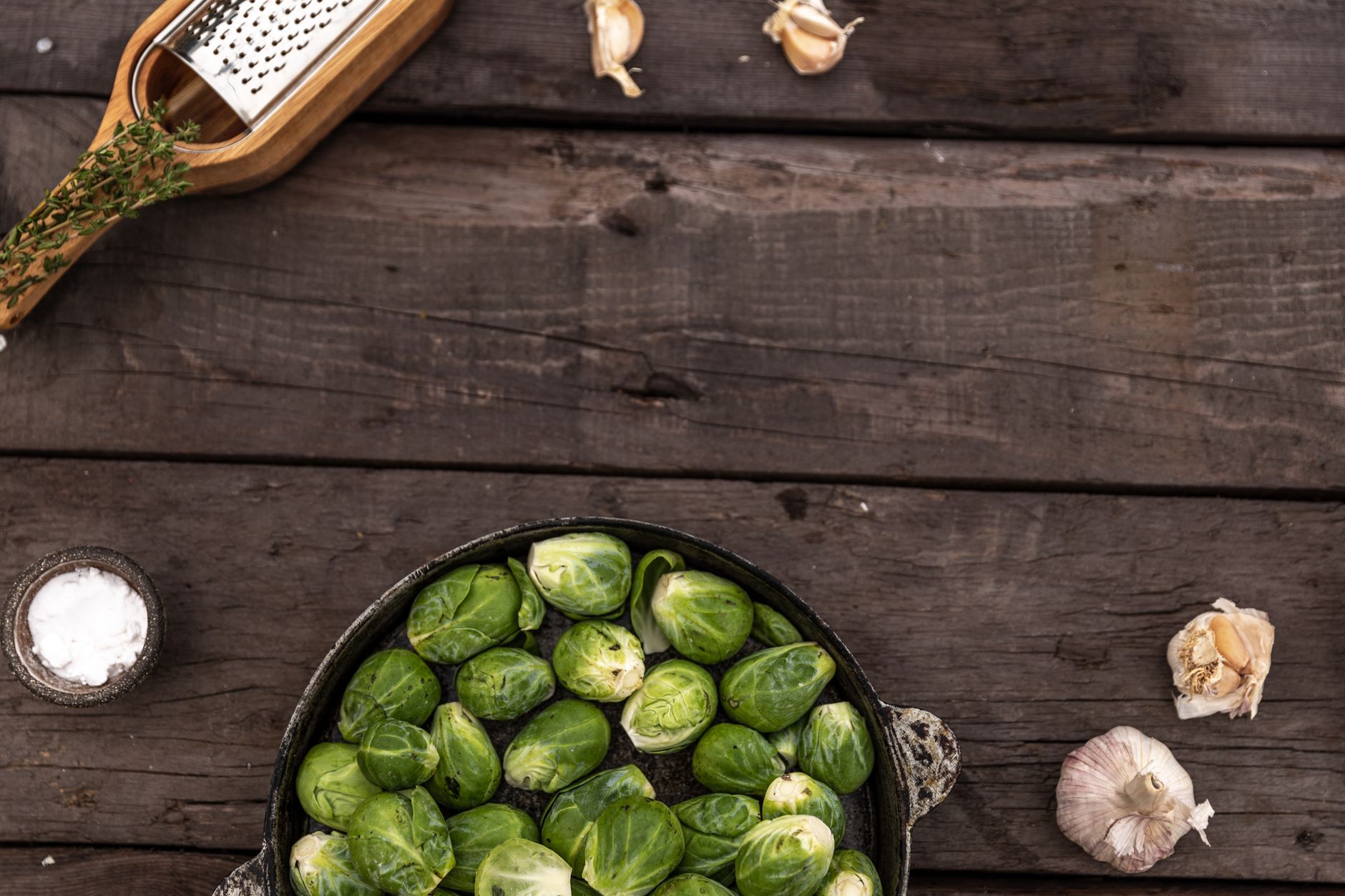
Learn the best ways to cook Brussels sprouts, from roasting to sautéing, with tips for gardeners and homesteaders. Real methods, real results.
If you grew Brussels sprouts in your garden, you know they take up space for months. The payoff is the harvest, but only if you cook them right. The best ways to cook Brussels sprouts are roasting, sautéing, and air frying, because high heat tames their bitterness and brings out sweetness. Skip boiling: it turns them mushy and sulfurous. Here is how to do it right, with times and temperatures that work.
Why high heat works
Brussels sprouts contain glucosinolates, compounds that release sulfur when overcooked. High heat, 400°F or above, caramelizes their natural sugars and reduces bitterness. The goal is a browned exterior and a tender, not mushy, interior.
 This is not a secret: it is basic Maillard reaction. Use a hot pan or oven and do not crowd the sprouts.
Roasting: the reliable standard
Roasting is the easiest method for a big batch, and it works for any variety. Start with fresh sprouts, about 1 to 1.5 inches in diameter. Larger ones can be cut in half, but small ones roast whole.
Steps:
- Preheat oven to 425°F.
- Trim the stem end and remove any yellow or loose outer leaves.
- Cut larger sprouts in half lengthwise; leave small ones whole.
- Toss with olive oil (about 1 tablespoon per pound), salt, and pepper. Add a pinch of red pepper flakes if you like heat.
- Spread on a rimmed baking sheet in a single layer. Do not overcrowd: use two sheets if needed.
- Roast for 20 to 25 minutes, flipping halfway, until browned and fork-tender.
For extra flavor, add a tablespoon of balsamic vinegar or a squeeze of lemon in the last 5 minutes. This works with any variety, but ‘Long Island Improved’ and ‘Diablo’ are reliable for home gardens.
Sautéing: quick and weeknight friendly
Sautéing is faster than roasting and gives you a crispy edge. Use a cast iron or stainless steel skillet, not nonstick, for better browning.
Steps:
- Heat 2 tablespoons of butter or olive oil in a large skillet over medium-high heat.
- Add halved sprouts cut side down. Do not move them for 3 to 4 minutes, until deeply browned.
- Flip and cook for another 3 to 4 minutes, stirring occasionally.
- Add 2 tablespoons of water or broth, cover, and steam for 2 to 3 minutes until tender but still bright green.
- Season with salt, pepper, and a splash of lemon juice.
Total time: about 10 minutes. This method works best with smaller sprouts, like ‘Falstaff’ or ‘Red Rubine’, which are tender and sweet.
Air frying: crisp without a lot of oil
If you have an air fryer, it makes Brussels sprouts crisp in minutes. Preheat to 375°F. Toss sprouts with a teaspoon of oil per pound, salt, and pepper. Place in a single layer in the basket. Cook for 12 to 15 minutes, shaking halfway, until browned and crisp. This is the fastest method for a small batch, and it uses less oil than roasting. A basic air fryer costs $60 to $120, but you likely already have one.
Grilling: smoky flavor for summer
Grilling adds a smoky note that pairs well with bacon or balsamic. Use a grill basket or skewers. Toss whole or halved sprouts with oil and seasonings. Grill over medium heat, 375°F to 400°F, for 10 to 15 minutes, turning often, until charred and tender. This is a good option when you are already firing up the grill for other vegetables or meat.
Flavor combinations that work
Brussels sprouts are a blank canvas. Here are combinations that have stood the test of time:
- Bacon and maple: Cook 4 slices of bacon, crumble, and toss with roasted sprouts and a drizzle of maple syrup.
- Garlic and parmesan: Add minced garlic in the last 3 minutes of roasting, then top with grated parmesan.
- Lemon and herbs: Toss with lemon zest, thyme, or rosemary before roasting.
- Balsamic glaze: Drizzle with store-bought or homemade balsamic reduction after cooking.
Avoid heavy cream sauces: they mask the flavor and add calories without improving texture.
Common mistakes to avoid
- Overcrowding the pan: This steams the sprouts instead of browning them. Use multiple pans or cook in batches.
- Undercooking: Sprouts should be tender all the way through. If they are hard in the center, they need more time.
- Skipping the trim: Leaving the stem end can make them tough. Cut it off.
- Boiling: Boiling is the worst method. It makes them waterlogged and bitter. If you must boil, blanch for 3 minutes, then shock in ice water, but roasting is better.
Storage and prep tips
Fresh Brussels sprouts keep for up to a week in the fridge in a plastic bag. Do not wash until ready to use. If you have a large harvest, blanch and freeze: blanch for 3 minutes, cool in ice water, drain, and freeze in a single layer on a baking sheet, then transfer to freezer bags. Frozen sprouts can be roasted directly from frozen, adding 5 minutes to the time.
FAQ
Can I eat Brussels sprouts raw? Yes, shaved raw sprouts work well in salads. Use a mandoline or sharp knife to slice thinly, then toss with a vinaigrette. They are crunchy and slightly bitter, but the dressing balances it.
Why are my roasted sprouts bitter? Bitterness comes from overcooking or undercooking. High heat and a little oil help. Also, choose fresh sprouts: older ones are more bitter. If you grow your own, harvest after a light frost for sweeter flavor.
How do I know when they are done? A fork should pierce the center with little resistance. The exterior should be browned and slightly crispy. If they are soft all the way through, they are overdone.
Can I use frozen Brussels sprouts? Yes, but they will be softer. Roast them at 425°F for 25 to 30 minutes, and do not thaw first. They will not get as crispy as fresh, but they are fine for soups or casseroles.
Related guides
The bottom line
Roasting, sautéing, and air frying are the best ways to cook Brussels sprouts. They all use high heat to bring out sweetness and avoid mushiness. Pick one method tonight, use fresh sprouts, and do not crowd the pan. Your garden harvest deserves better than a boil. Try the roasting method first: it is the most forgiving and the most delicious.