Best soil for kohlrabi
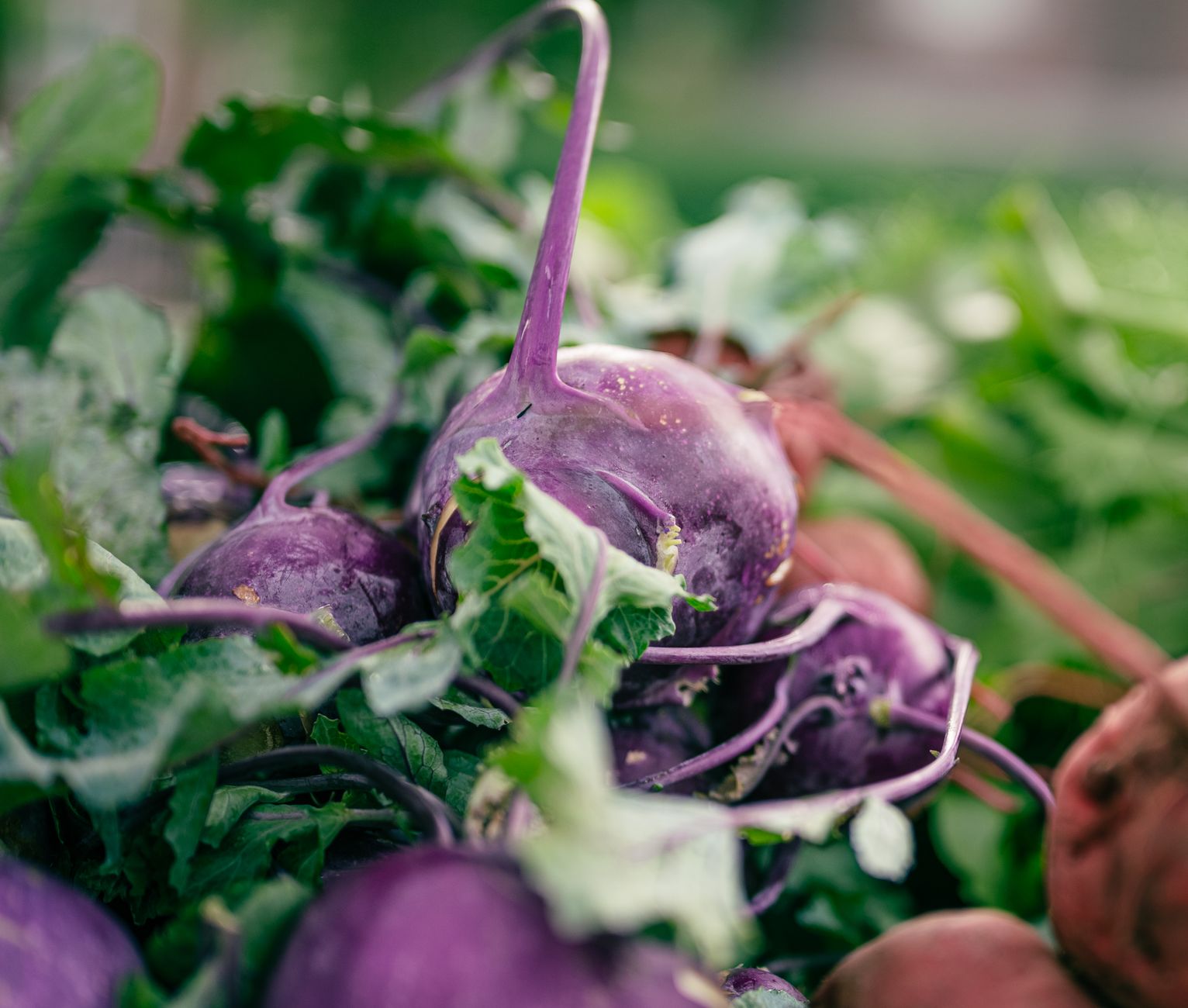
Learn the ideal soil for kohlrabi: loamy, well-drained, pH 6.0-7.0. Amend with compost, test drainage, and grow crisp bulbs in raised beds or containers.
Kohlrabi grows best in loose, fertile, well-drained soil with a pH between 6.0 and 7.0. Heavy clay or sandy soil will produce woody, misshapen bulbs, so amend with compost and consider raised beds if your native soil is poor. Start by testing your soil drainage and pH this week, then adjust before planting.
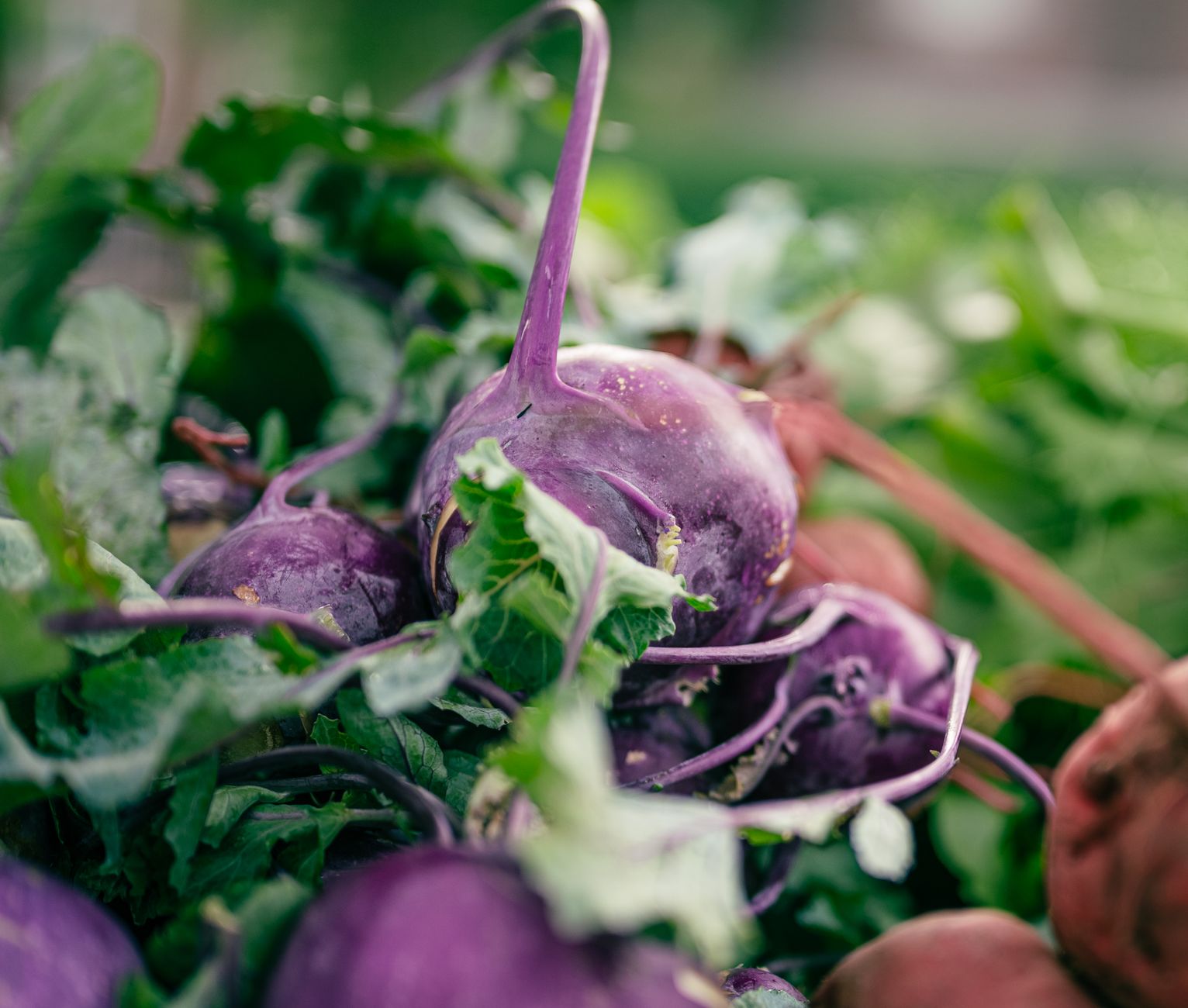
Why soil matters for kohlrabi
Kohlrabi is a fast-growing brassica that needs consistent moisture and loose soil to form tender bulbs. If the soil is compacted, the bulb may crack or become tough. If it is too sandy, water drains quickly, stressing the plant. If it is too heavy, roots struggle and bulbs stay small. The ide
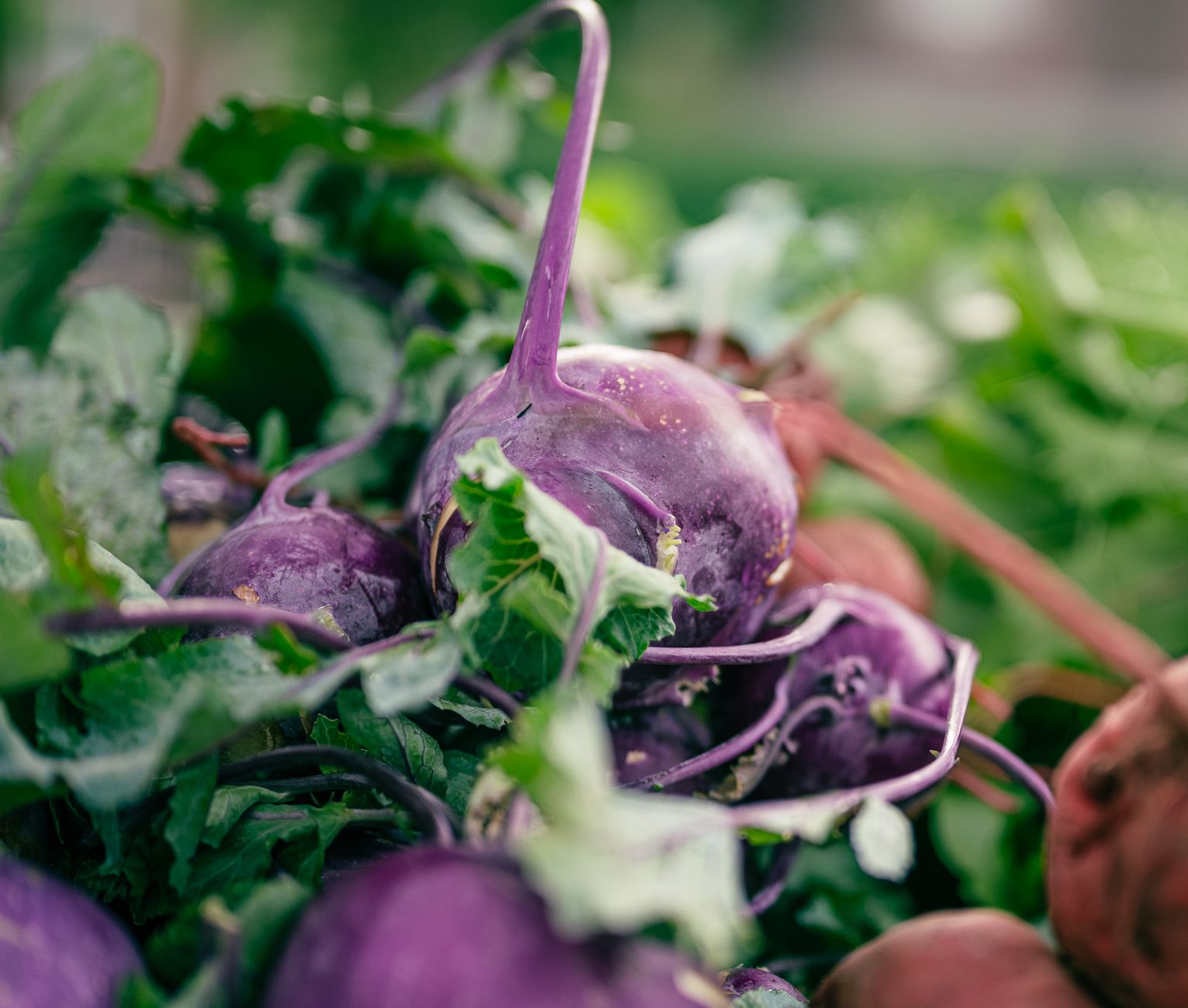 al soil holds moisture but drains excess water, and it is rich in organic matter.
Ideal soil composition
Aim for a loamy soil: about 40% sand, 40% silt, and 20% clay, with 3-5% organic matter. This texture provides good aeration and water retention. In practice, you can achieve this by mixing your native soil with compost and, if needed, coarse sand or perlite.
For a 4x8 foot raised bed, add 2-3 inches of compost and work it in to a depth of 8-10 inches. If your soil is heavy clay, add 1-2 inches of coarse sand or perlite as well. For sandy soil, add 3-4 inches of compost to improve water retention.
Soil pH and testing
Kohlrabi prefers a slightly acidic to neutral pH. Test your soil with a home kit (about $10-20) or send a sample to a lab (around $30). If pH is below 6.0, add garden lime at the rate recommended on the package, usually 5-10 pounds per 100 square feet. If pH is above 7.0, add elemental sulfur, about 1-2 pounds per 100 square feet, and retest in a few weeks.
Drainage and aeration
Poor drainage causes root rot and clubroot disease. To test drainage, dig a 12-inch hole, fill it with water, and time how long it takes to drain. It should drain within 1-2 hours. If it takes longer, improve drainage by adding compost, building a raised bed, or planting in mounds.
For raised beds, use a mix of 60% topsoil, 30% compost, and 10% perlite or coarse sand. This ensures good drainage and aeration. In containers, use a high-quality potting mix, not garden soil, and ensure pots have drainage holes.
Amending soil before planting
Two weeks before planting, spread 1-2 inches of compost over the bed and work it in. Add a balanced fertilizer like 10-10-10 at a rate of 1 pound per 100 square feet, or use an organic option like blood meal and bone meal. Avoid fresh manure, as it can cause excessive leaf growth and poor bulbs.
If you are planting in spring, amend in early spring as soon as the soil is workable. For fall crops, amend in late summer. Kohlrabi is a cool-season crop, so timing matters: plant 3-4 weeks before the last frost for spring, and 6-8 weeks before the first frost for fall.
Best soil for raised beds and containers
Raised beds are ideal for kohlrabi because you control the soil. Fill with a mix of 60% topsoil, 30% compost, and 10% perlite. For containers, choose a pot at least 8 inches deep and 6 inches wide per plant. Use a potting mix with added compost, and water regularly, as containers dry out faster.
Mulching and maintenance
After planting, apply a 1-2 inch layer of organic mulch, like straw or shredded leaves, to retain moisture and suppress weeds. Keep the soil consistently moist, providing about 1 inch of water per week. Avoid letting the soil dry out, as this stresses the plant and affects bulb quality.
Common soil problems and fixes
If your kohlrabi bulbs are woody, the soil may have dried out or lacked nutrients. If leaves yellow, add nitrogen fertilizer. If bulbs crack, the soil moisture fluctuated; mulch and water evenly. If you see clubroot (swollen roots), rotate crops and raise soil pH to 7.0.
FAQ
Can I use garden soil for kohlrabi in containers?
No, garden soil compacts in containers and may harbor diseases. Use a potting mix with compost and perlite.
How often should I water kohlrabi?
Water deeply once or twice a week, providing about 1 inch of water. Check soil moisture 1 inch down; if dry, water.
What is the best fertilizer for kohlrabi?
Use a balanced fertilizer like 10-10-10 before planting, then side-dress with compost or a nitrogen-rich fertilizer mid-season.
Can I grow kohlrabi in clay soil?
Yes, but amend heavily with compost and consider raised beds. Clay soil needs organic matter to improve drainage and aeration.
Related guides
The bottom line
Kohlrabi thrives in loose, fertile, well-drained soil with a pH of 6.0-7.0. Test your soil, amend with compost, and ensure good drainage. For the best results, use raised beds or containers with a quality mix. With proper soil, you will harvest crisp, tender bulbs in about 45-60 days. Start by testing your soil this week, then amend and plant according to your zone.