How to Grow Tomatoes from Seed to Harvest
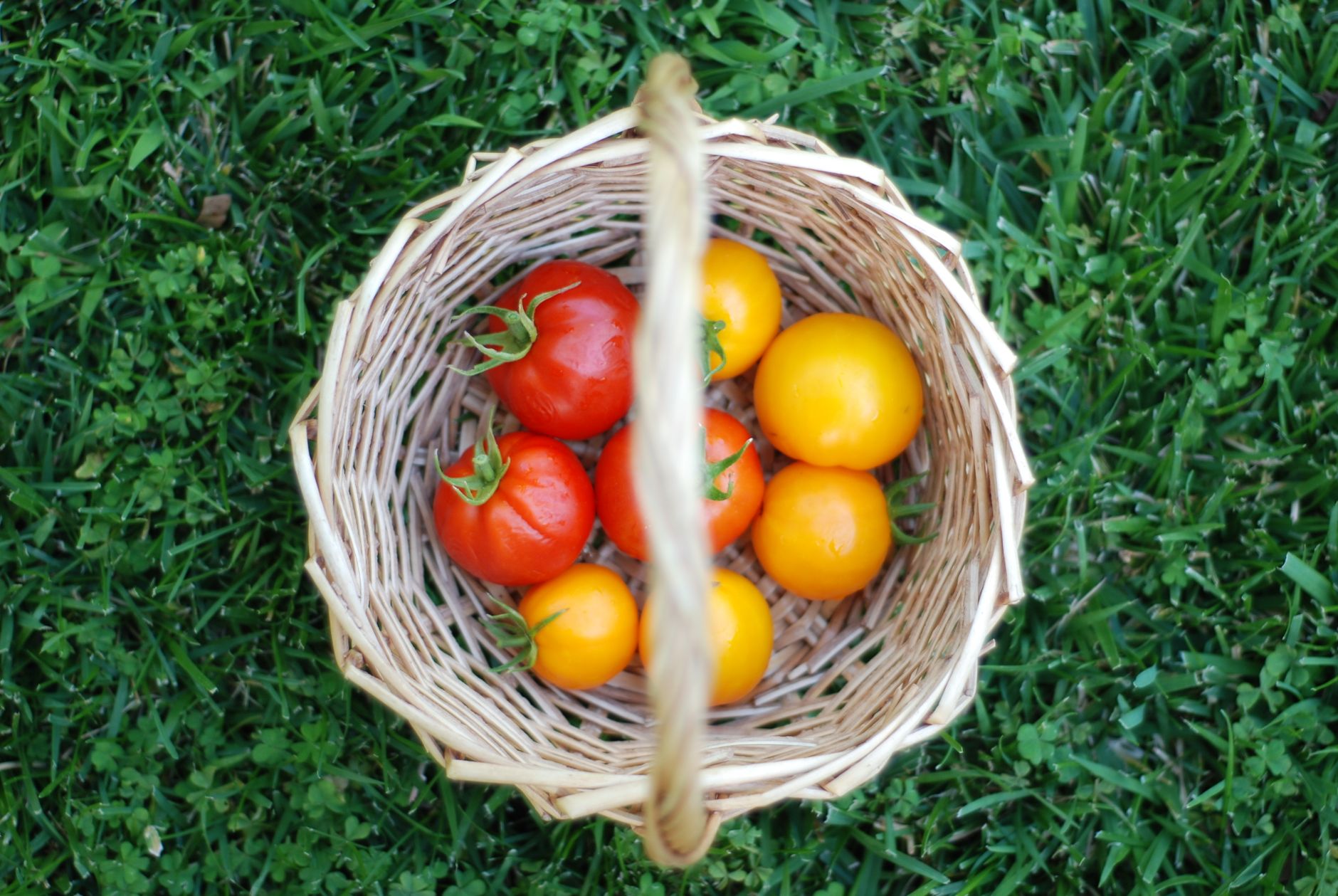
Learn to grow tomatoes from seed to harvest with practical steps, timing, varieties, and troubleshooting for a successful crop.
Growing tomatoes from seed to harvest is straightforward if you follow a few key steps: start seeds indoors 6 to 8 weeks before your last frost date, provide strong light and warmth, harden off seedlings, transplant after frost, and support plants with consistent watering and feeding. With the right varieties and care, you can harvest ripe fruit 60 to 90 days after transplanting.
Starting Seeds Indoors
Begin with fresh seed from a reputable source. For 2026, popular determinate varieties like ‘Celebrity’ (75 days) and ‘Roma’ (80 days) suit canning and sauce, while indeterminate types like ‘Sun Gold’ (57 days) and ‘Brandywine’ (90 days) are favorites for fresh eating. Choose based on your climate and use.
Sow seeds 1/4 inch deep in a sterile seed-starting mix. Use cell trays or small pots with drainage. Keep the mix moist but not soggy. Provide bottom heat with a heat mat set to 75°F to 80°F for even germination. Most seeds sprout in 5 to 10 days.
Once seedlings emerge, move them to bright light. A south-facing window is often insufficient; use a grow light with full spectrum LED, placed 2 to 4 inches above the plants for 14 to 16 hours per day. A basic 2-foot LED shop light costs around $30 and works well. Keep the room temperature between 65°F and 75°F during the day, slightly cooler at night.
Transplanting and Hardening Off
Harden off seedlings about 7 to 10 days before transplanting. Start by placing them outside in a shaded, sheltered spot for 1 hour on day one, then increase exposure by 1 to 2 hours daily, gradually introducing direct sun. This reduces transplant shock and prevents sunscald.
Transplant after the last frost date and when soil temperatures reach at least 60°F. In USDA zones 5 and 6, this is typically mid-May; in zones 8 and 9, it can be as early as March or April. Check your local frost dates online.
Plant tomatoes deep: bury the stem up to the first set of true leaves. Roots will form along the buried stem, creating a stronger plant. Space determinate varieties 18 to 24 inches apart in rows 3 to 4 feet apart. Indeterminate types need 24 to 36 inches between plants. If using cages, set them at planting time to avoid disturbing roots later.
Soil, Water, and Fertilizer
Tomatoes prefer well-drained soil with a pH between 6.0 and 6.8. Before planting, amend with 2 to 3 inches of compost. A soil test kit from a garden center costs $10 to $20 and gives accurate pH and nutrient levels.
Water deeply and consistently. Aim for 1 to 1.5 inches per week, more in hot, dry weather. Use drip irrigation or a soaker hose to keep foliage dry, which reduces disease. Mulch with straw or shredded leaves to retain moisture and suppress weeds.
Fertilize at planting with a balanced organic fertilizer, such as a 5-5-5, at the rate on the label. When the first fruits are marble-sized, side-dress with a low-nitrogen fertilizer like 5-10-10 to encourage fruit development. Avoid excess nitrogen, which causes lush foliage and fewer fruits.
Supporting and Pruning
Support indeterminate tomatoes with sturdy cages, stakes, or trellises. A 6-foot stake or a 54-inch tomato cage costs $5 to $15 each. Tie stems loosely with soft twine or cloth strips.
Prune indeterminate varieties to one or two main stems by removing suckers that grow in the leaf axils. This improves air circulation and directs energy to fruit. Determinate varieties need little pruning; just remove lower leaves that touch the soil.
Harvesting and Storing
Harvest tomatoes when they are fully colored and slightly firm. For most varieties, this is 60 to 90 days after transplanting. Pick regularly to encourage more production. At the end of the season, you can ripen green tomatoes indoors by placing them in a paper bag with a ripe banana, which releases ethylene gas.
Store ripe tomatoes at room temperature, never in the refrigerator, as cold ruins flavor and texture. They keep for 5 to 7 days. For longer storage, can or freeze them.
Common Problems and Solutions
| Problem | Symptom | Solution |
|---|---|---|
| Blossom end rot | Dark, sunken spots on fruit bottom | Maintain even moisture; add calcium or lime if soil test shows deficiency |
| Early blight | Brown spots on lower leaves with yellow halos | Water at base; remove affected leaves; apply copper fungicide |
| Hornworms | Large green caterpillars with white stripes | Handpick; use Bacillus thuringiensis (Bt) |
| Cracking | Radial or concentric cracks on fruit | Water consistently; mulch to reduce fluctuations |
| Sunscald | Pale, leathery patches on fruit | Provide shade cloth during heat waves; avoid over-pruning |
FAQ
How long does it take to grow tomatoes from seed to harvest?
Total time varies by variety. From seed to transplant is 6 to 8 weeks, then 60 to 90 days to harvest after transplanting. For example, ‘Sun Gold’ matures in 57 days, while ‘Brandywine’ takes 90 days.
Can I grow tomatoes indoors year-round?
Yes, but you need strong grow lights (14 to 16 hours daily) and temperatures between 65°F and 80°F. Choose compact varieties like ‘Tiny Tim’ or ‘Micro Tom’. Expect lower yields than outdoor plants.
Why are my tomato leaves curling?
Curling can result from heat stress, overwatering, or herbicide drift. Check soil moisture: keep it consistently damp but not waterlogged. If you used compost or mulch with herbicide residue, replace it.
Do I need to prune determinate tomatoes?
No. Determinate varieties grow to a fixed size and set fruit over a short period. Pruning them reduces yield. Just remove lower leaves that touch the ground to prevent disease.
The Bottom Line
Growing tomatoes from seed to harvest is a rewarding process that takes about 3 to 4 months total. Start seeds indoors with proper light and warmth, harden off carefully, and transplant after frost. Provide consistent water, balanced fertilizer, and sturdy support. Choose varieties suited to your zone and use. With attention to these basics, you can enjoy a bountiful harvest from your own garden.