Growing Zucchini: How to Avoid the Most Common Problems
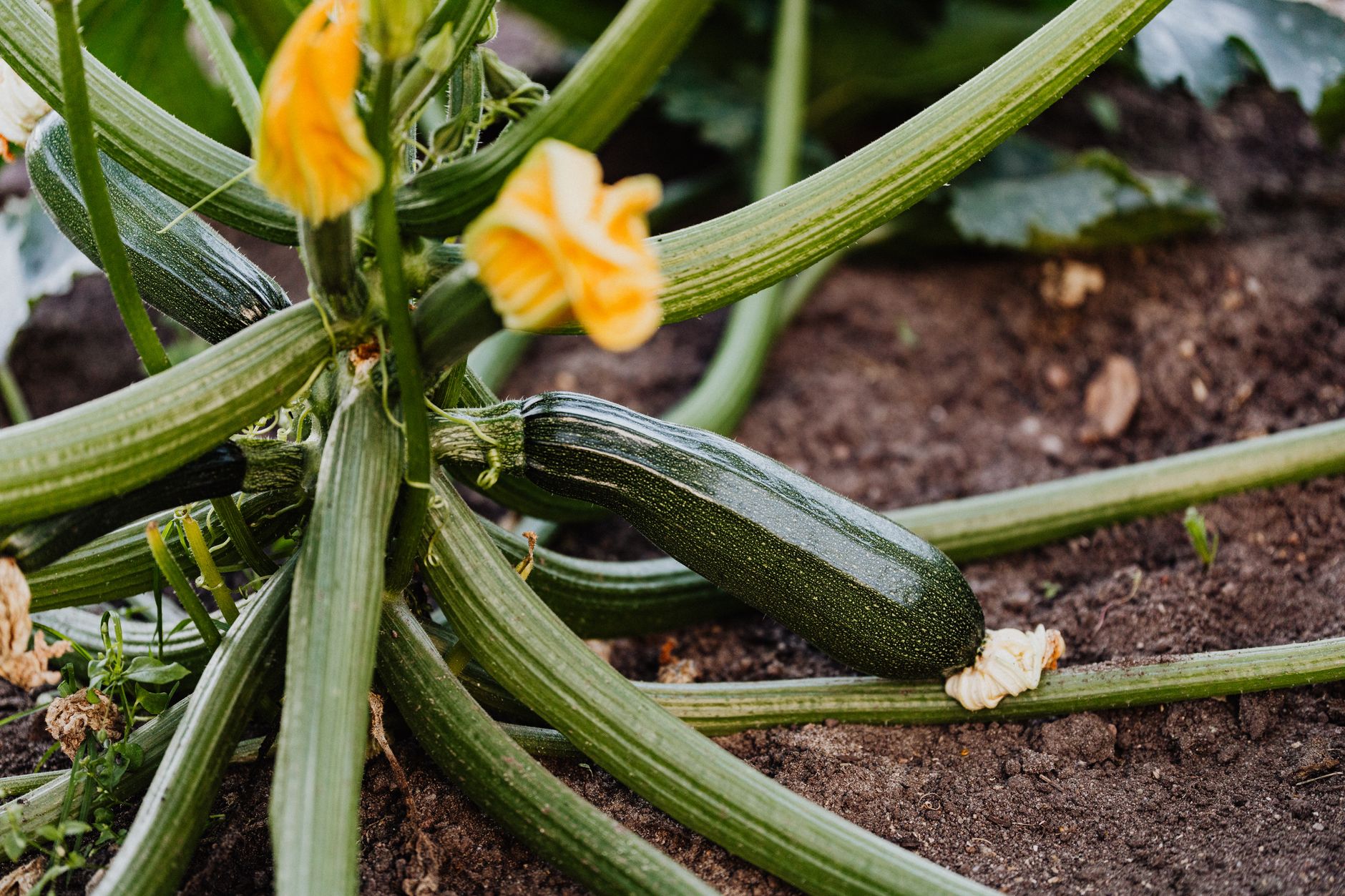
Learn how to prevent and fix the most common zucchini problems: blossom end rot, powdery mildew, squash vine borers, and poor pollination. Practical steps for healthy plants.
Zucchini is one of the most productive vegetables you can grow, but it comes with a familiar set of frustrations: fruit that rots at the blossom end, leaves covered in white powder, sudden wilting, and fruit that never develops. The good news is that most of these problems are preventable with the right timing, spacing, and care. This guide walks you through the five most common zucchini issues and exactly how to avoid them.
1. Blossom End Rot: It’s Not a Disease
Blossom end rot (BER) appears as a sunken, dark, leathery spot on the bottom of the fruit. It is caused by a calcium deficiency in the developing fruit, but the real culprit is usually inconsistent soil moisture, not a lack of calcium in the soil. When the soil dries out, the plant cannot take up calcium, even if it is present.
How to avoid it:
- Water consistently: Give zucchini 1 to 1.5 inches of water per week, and water deeply at the base, not overhead. Use a soaker hose or drip irrigation to keep moisture even.
- Mulch: Apply 2 to 3 inches of straw or shredded leaves around the base of the plant to retain soil moisture and regulate temperature.
- Test your soil: If BER persists, do a soil test. If calcium is truly low, add gypsum (calcium sulfate) at a rate of 1 pound per 100 square feet, following the soil test recommendation.
- Avoid heavy nitrogen fertilizer: Too much nitrogen encourages lush leaf growth at the expense of fruit development and can worsen BER.
If you see BER on a few fruits, pick them off and adjust watering. New fruit should develop normally once moisture is consistent.
2. Powdery Mildew: The White Powder That Kills
Powdery mildew looks like a white or gray powdery coating on leaves, usually starting on the lower leaves. It thrives in warm, dry days and cool, humid nights, and it can stunt growth and reduce yield.
How to avoid it:
- Space plants properly: Give zucchini 24 to 36 inches between plants and 3 to 4 feet between rows. Good airflow prevents the humid microclimate that mildew loves.
- Water at the base: Overhead watering wets leaves and encourages mildew. Use drip irrigation or water early in the day so leaves dry quickly.
- Choose resistant varieties: Look for varieties with resistance to powdery mildew, such as ‘Dunja’, ‘Tigress’, or ‘Emerald Delight’. These are widely available in seed catalogs.
- Apply preventive fungicide: If you’ve had mildew before, spray with a sulfur-based fungicide or a homemade solution of 1 tablespoon baking soda, 1 teaspoon liquid soap, and 1 gallon of water every 7 to 10 days, starting when plants are young. Always test on a few leaves first.
- Remove affected leaves: At the first sign of mildew, remove and dispose of infected leaves (do not compost them). This slows the spread.
3. Squash Vine Borers: The Hidden Killer
Squash vine borers are the larvae of a clearwing moth that lays eggs at the base of the stem. The larvae bore into the stem, causing sudden wilting and often death. This is the most destructive pest for zucchini in many areas.
How to avoid it:
- Use row covers: Cover young plants with floating row cover (like Agribon) from planting until flowering begins. Remove the cover when flowers appear so bees can pollinate. This prevents the moth from laying eggs.
- Plant early or late: In most regions, the first generation of moths emerges in early summer. Plant zucchini early (as soon as soil is 60°F) or late (midsummer for fall harvest) to avoid peak egg-laying.
- Check stems weekly: From late spring to early summer, inspect the base of stems for small holes or sawdust-like frass. If you find a borer, slit the stem lengthwise with a sharp knife, remove the larva, and mound soil over the wound. This works if caught early.
- Rotate crops: Do not plant zucchini in the same spot where squash grew the previous year.
4. Poor Pollination: Why Fruit Doesn’t Form
Zucchini plants produce male and female flowers. If bees don’t visit, female flowers (which have a small swelling at the base) won’t get pollinated, and the fruit will rot or fail to develop. Poor pollination is common in cool, rainy weather or when few pollinators are around.
How to avoid it:
- Plant pollinator-friendly flowers: Add marigolds, borage, or lavender near your zucchini to attract bees.
- Hand-pollinate: If you see flowers but no fruit, take a small paintbrush or cotton swab. In the morning, when flowers are open, transfer pollen from the male flower (which has a thin stem) to the female flower (with the swollen base). One male flower can pollinate several females.
- Avoid pesticides: Even organic pesticides can harm bees. Use them only if absolutely necessary, and apply in the evening when bees are inactive.
5. Too Much Fruit, Then Nothing: The Production Cycle
Zucchini plants often produce a glut of fruit, then slow down. This is normal. Plants may also stop setting fruit if fruit is left on the vine too long. Harvesting regularly encourages more production.
How to avoid it:
- Harvest every 1 to 2 days: Pick zucchini when they are 6 to 8 inches long. Overgrown fruit (over 12 inches) signals the plant to slow down.
- Fertilize lightly: After the first flush, side-dress with compost or a balanced fertilizer (like 10-10-10) at a rate of 1 tablespoon per plant, worked into the soil around the base.
FAQ
Q: Why are my zucchini flowers falling off without fruit? A: That’s usually a pollination issue. If you see flowers dropping, try hand-pollinating as described above. Also, ensure you have both male and female flowers; they appear at different times, so be patient.
Q: Can I grow zucchini in containers? A: Yes, choose a compact variety like ‘Patio Star’ or ‘Bush Baby’ and use a container at least 18 inches deep and wide. Water daily in hot weather, as containers dry out faster.
Q: What’s the best way to prevent squash vine borers without row covers? A: You can wrap the base of the stem with aluminum foil or a piece of nylon stocking, but this is less reliable. The most effective non-chemical method is to plant early and monitor weekly.
Q: Should I remove the first few zucchini fruits? A: Some gardeners pinch off the first flowers to encourage stronger root growth, but it’s not necessary. If your plant is healthy, you can let them develop.
The Bottom Line
Zucchini problems are largely preventable with consistent watering, proper spacing, and vigilance. Start with resistant varieties, use drip irrigation and mulch, and check your plants weekly for signs of borers or mildew. If you catch issues early, you can often fix them. With these steps, you can enjoy a steady harvest from midsummer to fall, without the usual frustrations.