How to Improve Garden Soil: Testing, Amending, and Maintaining
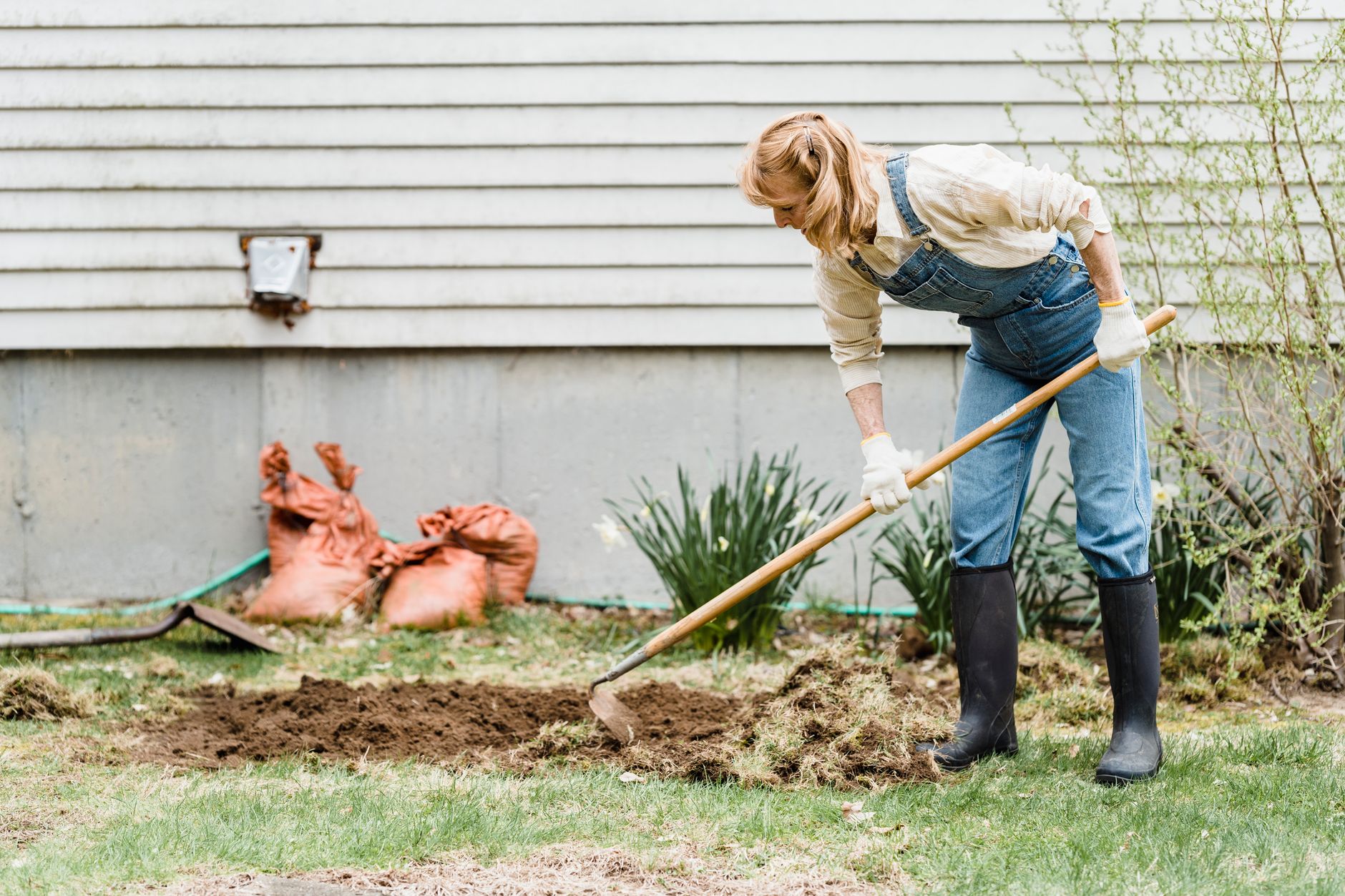
Learn to test, amend, and maintain garden soil with practical steps, real numbers, and actionable advice for healthier crops.
Improving garden soil starts with knowing what you have. A simple soil test tells you pH and nutrient levels, then you can amend with compost, lime, or sulfur, and maintain with mulch and cover crops. This guide walks you through each step, with specific numbers and products, so you can act this week.
Test Your Soil First
Before adding anything, test your soil. A basic DIY test kit costs $10 to $20 and gives pH, nitrogen, phosphorus, and potassium (NPK) readings. For a more detailed analysis, send a sample to a lab like your state’s extension service or a private lab (e.g., Logan Labs, $25 to $40 per sample). Collect soil from 6 to 8 inches deep in 5 to 10 spots, mix in a clean bucket, and let it dry.
Interpret results with these targets:
- pH: 6.0 to 7.0 for most vegetables; blueberries need 4.5 to 5.5.
- Phosphorus (P): 30 to 50 ppm (parts per million) for vegetables.
- Potassium (K): 120 to 200 ppm.
- Organic matter: 3% to 5%.
If your pH is off, nutrients become unavailable. For example, at pH below 6.0, phosphorus locks up; above 7.5, iron and manganese become deficient.
Amend Based on Test Results
Adjust pH
- To raise pH (acidic soil): apply ground limestone (dolomitic or calcitic). Use 5 to 10 pounds per 100 square feet for sandy soil, 10 to 20 pounds for loam, and 20 to 30 pounds for clay to raise pH by 1 point. Work it in 6 inches deep.
- To lower pH (alkaline soil): apply elemental sulfur. Use 1 to 2 pounds per 100 square feet for sandy soil, 2 to 3 pounds for loam, and 3 to 4 pounds for clay to lower pH by 1 point. Apply in spring or fall, and re-test after 3 months.
Add Nutrients
- Nitrogen: if deficient, apply blood meal (13-0-0) at 2 to 5 pounds per 100 square feet, or composted manure at 20 to 40 pounds per 100 square feet. Avoid over-applying nitrogen; it leaches and can burn roots.
- Phosphorus: use bone meal (3-15-0) at 5 to 10 pounds per 100 square feet, or rock phosphate (0-3-0) at 10 to 20 pounds. Work into soil before planting.
- Potassium: apply greensand (0-0-3) at 10 to 20 pounds per 100 square feet, or wood ash (0-1-5) at 5 to 10 pounds, but test first; wood ash raises pH.
Boost Organic Matter
Compost is the best all-around amendment. Add 1 to 3 inches of finished compost (about 1 to 3 cubic yards per 100 square feet) and till or dig it into the top 6 to 8 inches. For new beds, use 3 inches; for established beds, 1 inch annually. Compost improves drainage, water retention, and microbial life.
Maintain Soil Health Year-Round
Mulch
Apply 2 to 4 inches of organic mulch (straw, wood chips, shredded leaves) around plants, keeping it 2 inches away from stems. Mulch reduces evaporation, suppresses weeds, and adds organic matter as it breaks down. Replenish annually.
Cover Crops
Plant cover crops in fall or between seasons. For winter, use winter rye (1 to 2 pounds per 1,000 square feet) or crimson clover (1 pound per 1,000 square feet). In spring, mow and till them in 2 to 3 weeks before planting. Cover crops prevent erosion, add nitrogen (legumes), and improve soil structure.
Rotate Crops
Rotate plant families (e.g., nightshades, brassicas, legumes) each year to prevent nutrient depletion and disease buildup. For example, follow tomatoes with beans, then leafy greens.
Avoid Compaction
Walk only on paths, not on beds. Use raised beds or wide rows to minimize foot traffic. If soil is compacted, aerate with a garden fork, inserting 6 inches deep and rocking back, every 2 to 3 years.
Tools and Costs
- Soil test kit: $10 to $20 (e.g., Luster Leaf Rapitest)
- pH meter: $15 to $30 (e.g., Sonkir pH meter)
- Compost bin: $50 to $150 for a 3-bin system
- Garden fork: $25 to $50 (e.g., Fiskars)
- Mulch: $3 to $5 per bale of straw, or free leaves
- Cover crop seed: $5 to $15 per pound
Common Mistakes to Avoid
- Over-amending: more is not better. Excess nutrients can harm plants and leach into waterways.
- Tilling wet soil: destroys structure. Test by squeezing a handful; if it forms a ball that doesn’t crumble, wait.
- Ignoring pH: even with good NPK, plants can’t absorb nutrients if pH is off.
- Forgetting to re-test: soil changes yearly. Test every 2 to 3 years.
FAQ
How often should I test my soil?
Every 2 to 3 years, or when starting a new bed. Test in fall or early spring before amending.
Can I use coffee grounds as fertilizer?
Yes, but sparingly. Coffee grounds add nitrogen and organic matter, but they are acidic (pH around 6.5) and can clump. Mix them into compost, not directly into soil, and limit to 1 inch per year.
What’s the best time to add compost?
Fall is ideal, so it breaks down over winter. Spring is fine, but wait 2 to 3 weeks after adding before planting to avoid burning roots.
How do I fix waterlogged soil?
Improve drainage by adding compost and coarse sand (1 part sand to 2 parts compost), or build raised beds. Avoid walking on wet soil.
The Bottom Line
Improving garden soil is a step-by-step process: test to know your baseline, amend with targeted inputs like lime or compost, and maintain with mulch, cover crops, and rotation. Start with a soil test this week, then apply amendments based on results. Re-test in a year to see progress. Healthy soil is the foundation of a productive garden, and these practices will pay off in stronger plants and better yields.