Seed Starting Indoors: When to Start and How to Do It
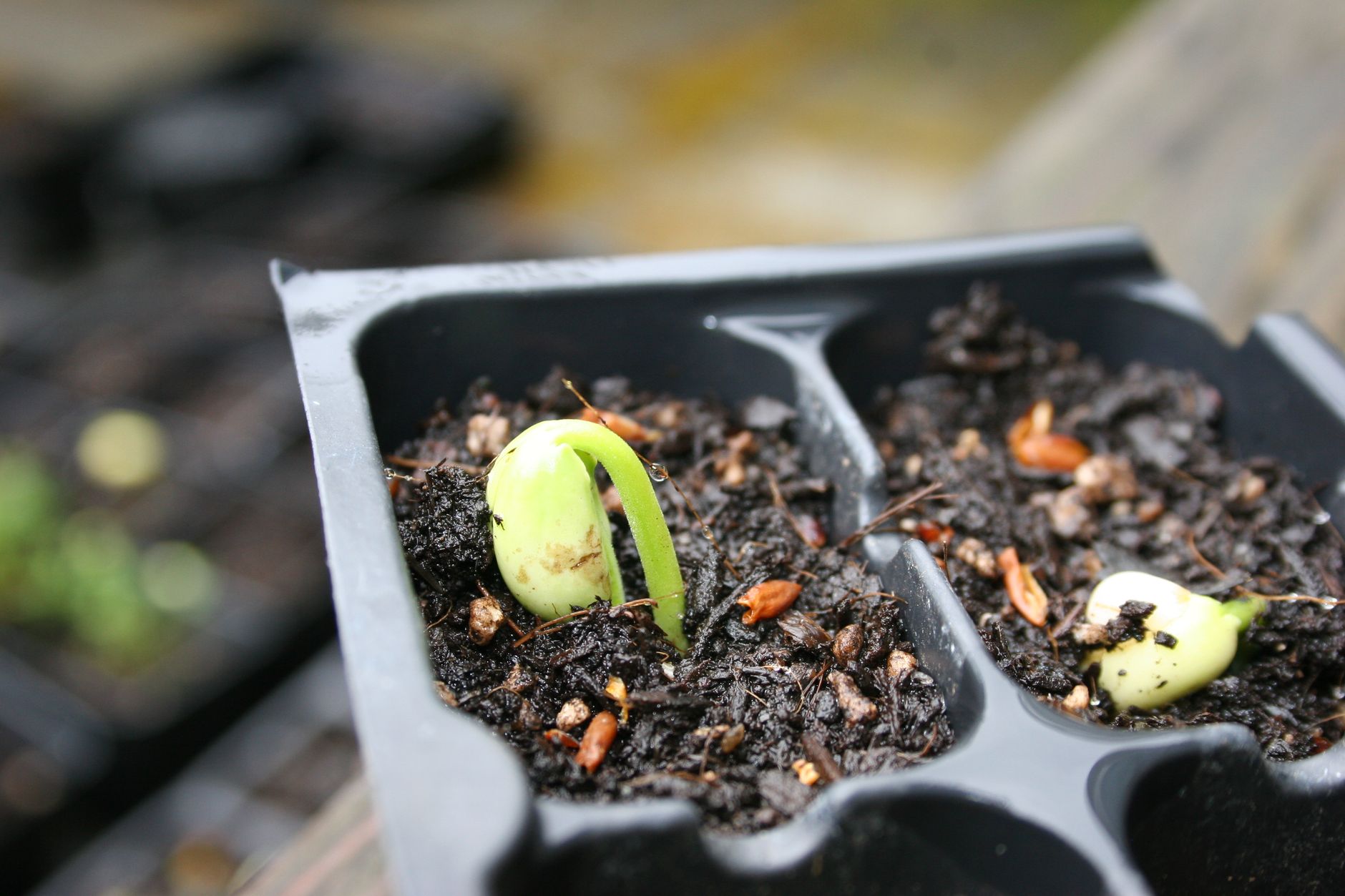
Learn when to start seeds indoors, step-by-step setup, lighting, watering, and transplanting tips for healthy seedlings in 2026.
Starting seeds indoors gives you a head start on the growing season, saves money, and opens up a wider variety of crops than you’ll find at most garden centers. The key is timing: start too early and you’ll have leggy, root-bound plants; start too late and you’ll wait longer for harvests. This guide covers exactly when to start, what you need, and how to care for seedlings until they’re ready for the garden.
When to Start Seeds Indoors
The general rule is to start seeds 6 to 8 weeks before your last frost date. But that varies by crop. Use your local last frost date (find it from your county extension service or online frost date calculator) and count backward.
Here’s a typical schedule for common crops, assuming a last frost date around May 15 (Zone 6, for example):
| Crop | Weeks Before Last Frost | Start Date (for May 15) |
|---|---|---|
| Tomatoes | 6-8 | March 20 - April 3 |
| Peppers | 8-10 | March 1 - March 15 |
| Eggplant | 8-10 | March 1 - March 15 |
| Broccoli | 5-7 | March 27 - April 10 |
| Cabbage | 5-7 | March 27 - April 10 |
| Lettuce | 4-6 | April 3 - April 17 |
| Basil | 4-6 | April 3 - April 17 |
| Cucumbers | 3-4 | April 17 - April 24 |
| Squash | 3-4 | April 17 - April 24 |
If you’re in a warmer zone (7-10), shift earlier; in colder zones (3-5), shift later. For example, in Zone 9 with a last frost around February 15, start tomatoes in late December. Always check the seed packet for specific recommendations.
What You Need to Start Seeds Indoors
You don’t need a greenhouse or expensive equipment. A basic setup costs around $50 to $100 for your first season. Here’s the list:
- Containers: Use cell trays (6-cell or 72-cell), peat pots, or recycled yogurt cups with drainage holes. If reusing, sterilize with a 10% bleach solution.
- Seed starting mix: A sterile, soilless mix (peat moss or coco coir, perlite, vermiculite). Avoid garden soil, which compacts and may harbor diseases. A 1.5 cubic foot bag costs $10 to $15.
- Lighting: Fluorescent shop lights or LED grow lights. A 2-foot, 2-tube T5 fixture costs $40 to $60. Position lights 2 to 4 inches above seedlings, running 14 to 16 hours a day. Without adequate light, seedlings stretch and weaken.
- Heat mat: Optional but helpful for warm-season crops like peppers and tomatoes. A 20-inch mat costs $20 to $30 and raises soil temperature by 10 to 15°F, speeding germination.
- Fan: A small oscillating fan, set on low, for 15 to 30 minutes a day once seedlings emerge. This strengthens stems and prevents damping-off.
- Labels and a notebook: Use plastic or wooden labels; write the variety and date. You’ll thank yourself later.
Step-by-Step Seeding Process
- Moisten the mix before filling containers. It should feel like a wrung-out sponge, not dripping.
- Fill containers with mix, leaving 1/4 inch from the top. Gently firm it down.
- Sow seeds at the depth recommended on the packet (usually 2 to 3 times the seed’s diameter). Tiny seeds like lettuce can be surface-sown and pressed in.
- Label each container immediately.
- Water thoroughly from the bottom by placing trays in a shallow water bath, or mist the top to avoid dislodging seeds.
- Cover with a humidity dome or plastic wrap to keep moisture in. Remove once seeds germinate (usually 5 to 14 days, depending on crop).
- Place on a heat mat if using, and keep at the ideal germination temperature (see below).
Caring for Seedlings
Once seeds sprout, move them to bright light. Follow these daily routines:
- Light: Keep lights on 14 to 16 hours. Use a timer for consistency. Raise lights as seedlings grow, maintaining a 2- to 4-inch gap.
- Water: Keep the mix evenly moist but not soggy. Water from the bottom to encourage strong root growth and prevent damping-off. Check daily; small cells dry out fast.
- Fertilize: Start feeding with a diluted liquid fertilizer (half-strength) once true leaves appear, usually 1 to 2 weeks after germination. Use a balanced 20-20-20 or a seedling-specific formula. Repeat every 7 to 10 days.
- Thin: If you sowed multiple seeds per cell, thin to the strongest seedling by snipping the others at soil level with scissors. Don’t pull, to avoid disturbing roots.
- Harden off: About 7 to 10 days before transplanting, start acclimating seedlings to outdoor conditions. Place them outside in a shaded, sheltered spot for 1 hour on the first day, then increase exposure by 1 hour daily, gradually introducing more sun and wind. By the end, they should be outside for 8 to 10 hours.
Common Problems and Fixes
- Leggy seedlings: Caused by insufficient light. Move lights closer or increase duration. You can also transplant deeper when planting out, burying the stem up to the first leaves for tomatoes and peppers.
- Damping-off: Seedlings rot at the base and fall over. Prevent by using sterile mix, good air circulation, and not overwatering. Remove affected seedlings immediately.
- Yellow leaves: Usually overwatering or nutrient deficiency. Let the mix dry slightly between waterings, and start fertilizing if you haven’t.
- Slow growth: Check soil temperature. Most seeds germinate best at 70 to 80°F. If your house is cool, use a heat mat.
Transplanting Outdoors
Wait until after the last frost date and when soil has warmed to at least 60°F for warm-season crops (tomatoes, peppers). Cool-season crops like lettuce and broccoli can go out 2 to 4 weeks earlier. On transplant day, water seedlings well, dig holes slightly larger than the root ball, and plant at the same depth (or deeper for tomatoes). Water in with a diluted starter fertilizer (high phosphorus, like 5-10-5) to reduce shock.
FAQ
Q: Can I start seeds in regular potting soil? A: It’s not ideal. Potting soil is denser and may contain pathogens. Use a sterile seed starting mix for best germination and to prevent disease.
Q: How many seeds should I plant per cell or pot? A: For most vegetables, plant 2 to 3 seeds per cell, then thin to one. For very small seeds like lettuce, you can sow a pinch and thin later. For large seeds like squash, plant one per pot.
Q: Do I need grow lights if I have a sunny window? A: A south-facing window may work for a few weeks, but seedlings often stretch because light intensity is too low. For strong, stocky plants, use grow lights for 14 to 16 hours a day.
Q: When should I start seeds for fall crops? A: For fall harvests, start cool-season crops like broccoli and kale about 6 to 8 weeks before your first fall frost date, usually in mid to late summer. You can start them indoors or directly sow in the garden.
The Bottom Line
Starting seeds indoors is straightforward if you match timing to your frost dates, provide strong light, and keep moisture consistent. Invest in a simple light setup and quality seed starting mix, and you’ll get healthy transplants that outperform store-bought ones. Start with easy crops like tomatoes, peppers, and lettuce, and expand as you gain confidence. With a little planning, you’ll be harvesting weeks earlier than if you waited for the nursery.
For specific dates in your area, contact your local extension service or use an online frost date calculator. Keep a garden journal to note what worked and what didn’t, and adjust next year. Happy growing.